



Architectural Significance and Cultural Role
Streamline Moderne Design
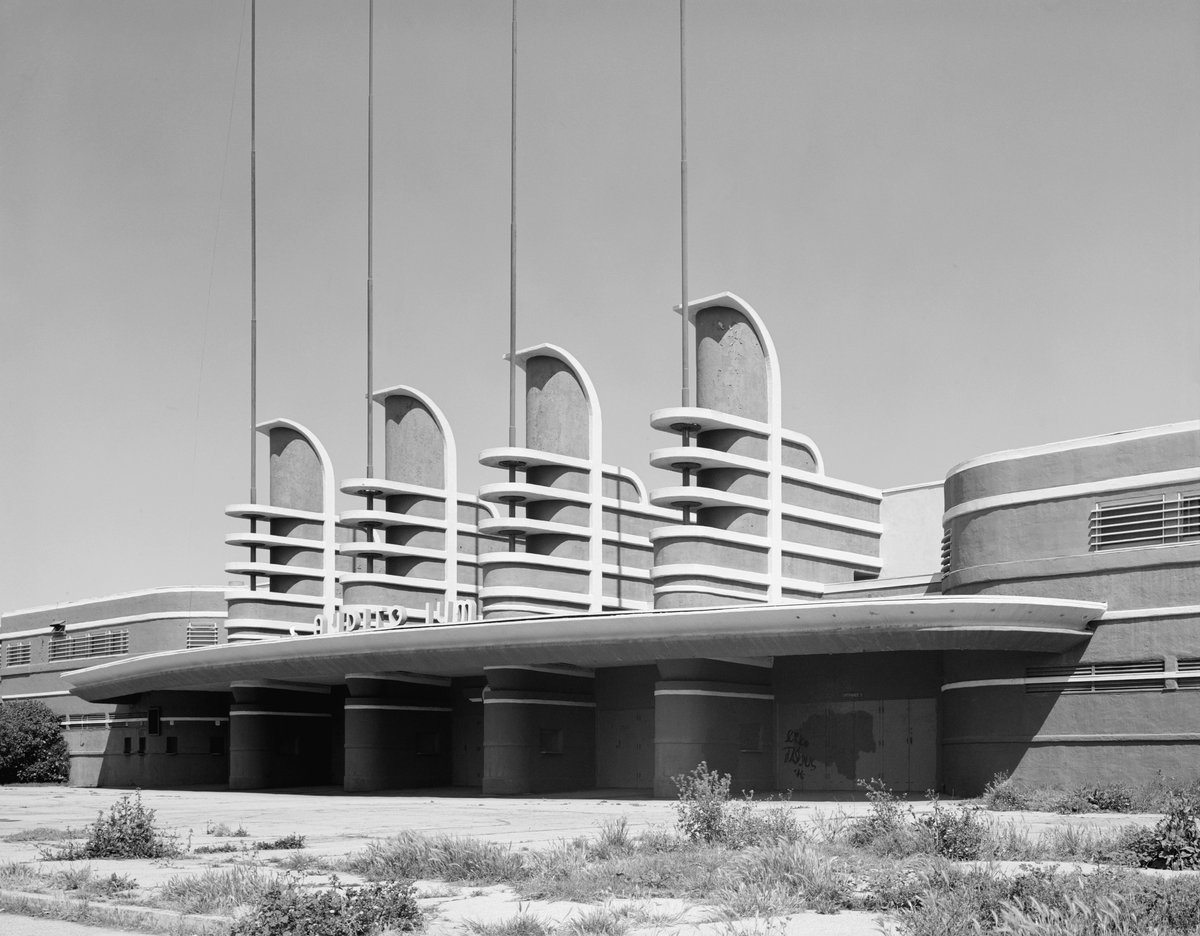
The Pan-Pacific Auditorium is lauded as a paragon of Streamline Moderne architecture, featuring the era’s hallmark aerodynamic curves, horizontal lines, and nautical motifs. Its iconic façade—four stylized green-and-white pylons resembling aircraft fins—soared 100 feet above the entrance and symbolized Los Angeles’ optimism and modernity (Los Angeles Times). The interior’s vast, column-free main hall accommodated up to 6,000 people, setting a new standard for flexible event spaces.
Center of Civic and Social Life
For nearly four decades, the Pan-Pacific Auditorium hosted a wide array of events, including:
- The Los Angeles Home Show
- Ice skating exhibitions and circuses
- Political rallies and conventions
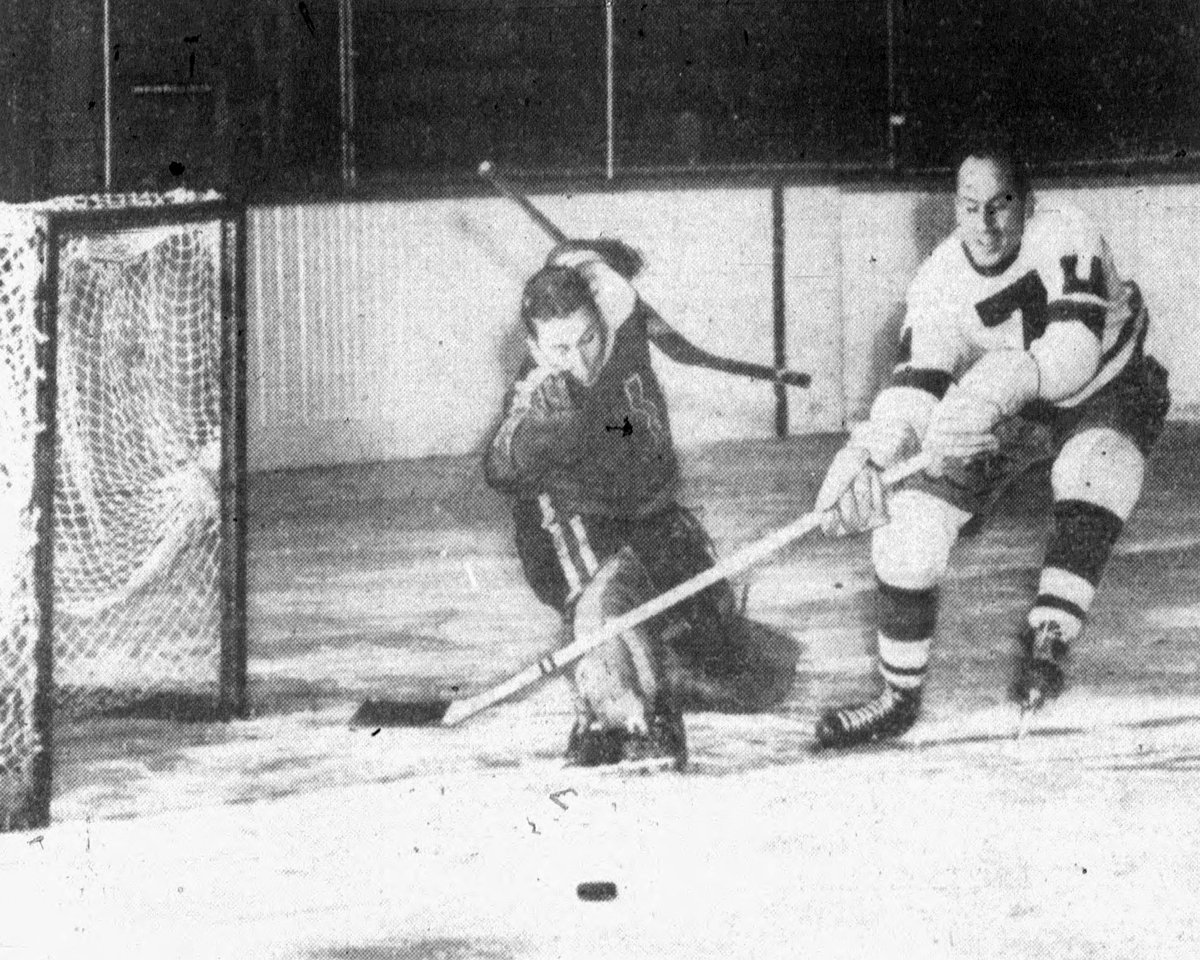
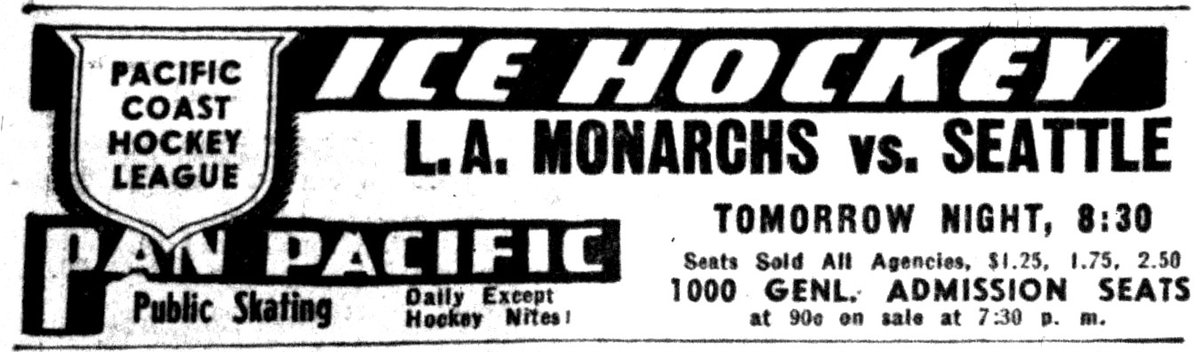
- Sporting events (home to the Los Angeles Monarchs, UCLA Bruins, and more)
- Concerts and performances by renowned artists
Notably, the venue hosted historic moments such as the 1952 Democratic National Convention’s California delegation meetings and the 1959 National Figure Skating Championships (KCET). Its role as a communal gathering place made it a defining feature of mid-century Los Angeles.
Years of Decline, Closure, and Destruction
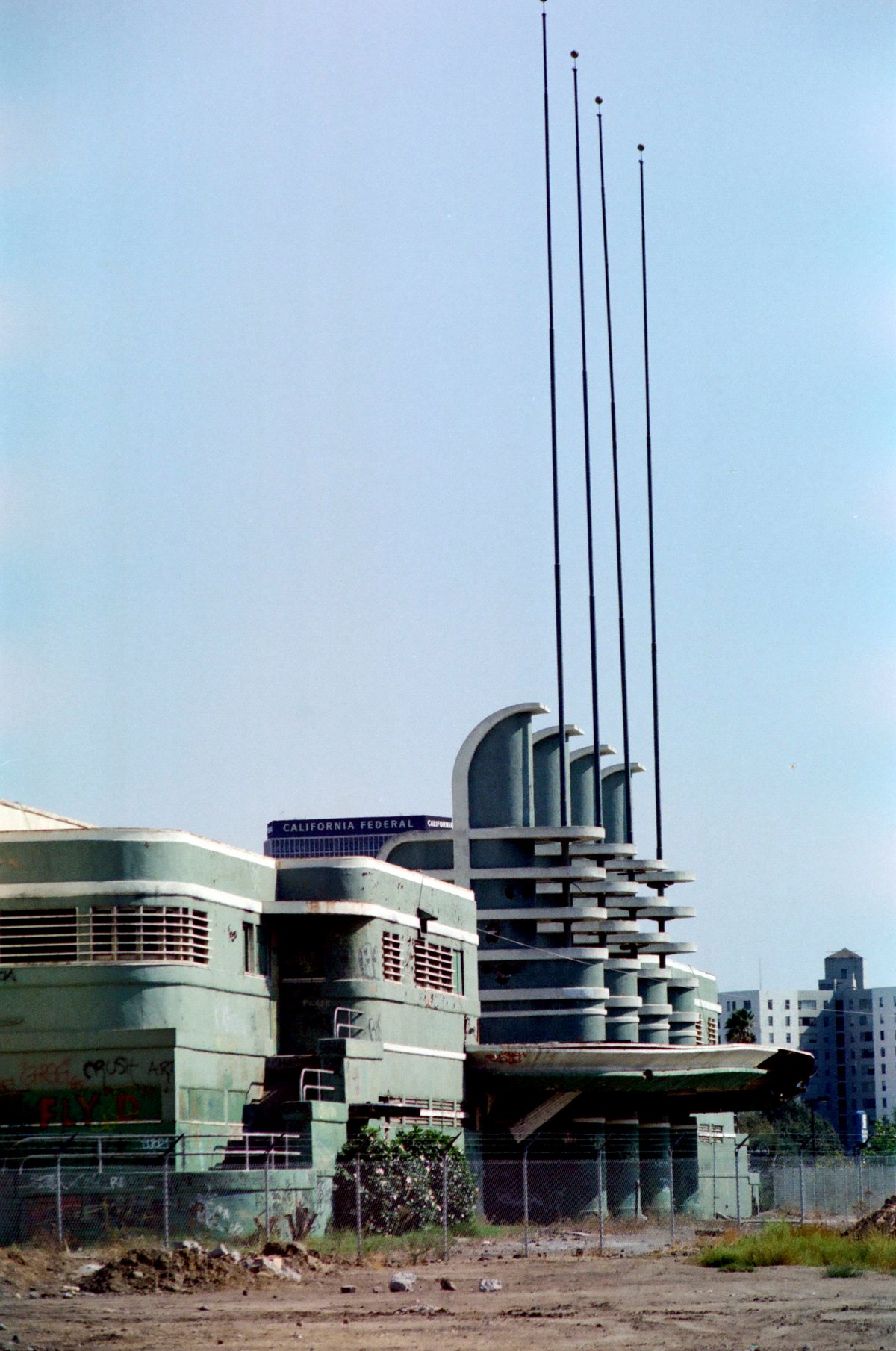
By the late 1960s, the auditorium struggled to compete with newer, larger venues such as the Los Angeles Convention Center. Maintenance challenges and evolving entertainment preferences led to its closure in 1972. Despite standing vacant, the building’s striking design made it a popular backdrop for films and music videos, including “Xanadu” (1980) and Devo’s “Beautiful World” (Atlas Obscura).
In 1978, the site was added to the National Register of Historic Places (National Park Service). However, preservation efforts were ultimately unsuccessful. On May 24, 1989, a major fire destroyed the Pan-Pacific Auditorium, marking the end of an era (Los Angeles Times).
Preservation Efforts and Lasting Legacy
Despite its loss, the Pan-Pacific Auditorium’s influence endures. Its façade inspired the entrances to Disney’s Hollywood Studios in Florida and Disney California Adventure Park (Disney Parks Blog). Artifacts from the site are preserved in museums and private collections, and the auditorium’s story is frequently cited in discussions about historic preservation and Los Angeles’ urban identity (KCET).
Visiting the Site Today: Pan Pacific Park
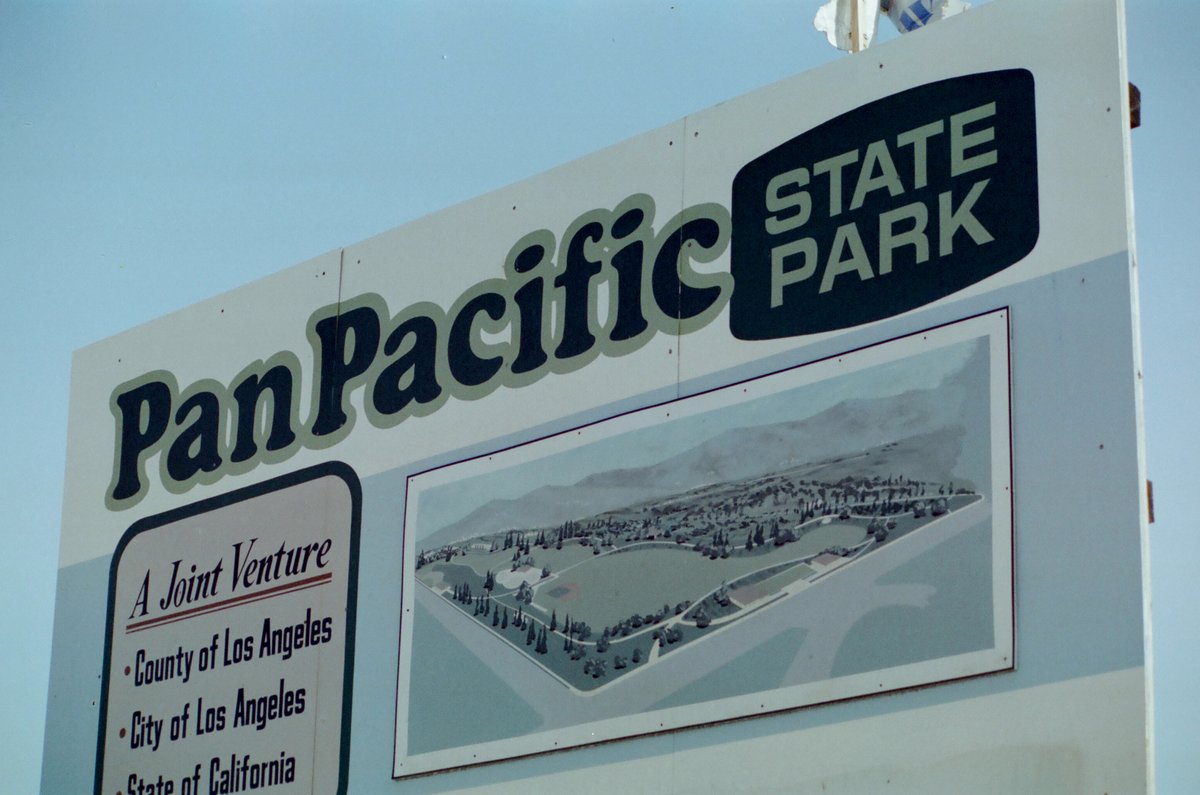
Located at 7600 Beverly Boulevard, Pan Pacific Park now occupies the site of the historic auditorium. The park is open daily from 6:00 AM to 10:00 PM and offers expansive green spaces, playgrounds, sports fields, walking trails, and the Pan Pacific Recreation Center (Los Angeles Department of Recreation and Parks). Entry to the park and recreation center is free.
Honoring the Auditorium’s Legacy
The Pan Pacific Recreation Center, opened in 2002, features a 45-foot-high spire and design elements inspired by the auditorium’s Streamline Moderne style (Scotty Moore). Interpretive signage and public art installations provide historical context, commemorating the site’s significance.
Accessibility
The park is fully wheelchair accessible, with paved pathways and accessible restrooms.
Tours and Events
While there are no official tours of the former auditorium, the recreation center occasionally hosts historical talks and community events. Check the LA Parks website for event schedules.
Travel Tips
- Getting There Accessible via Metro bus lines and major roads; parking is available in lots and on surrounding streets.
- Nearby Attractions The Los Angeles Museum of the Holocaust (adjacent to the park), The Grove shopping center, the Original Farmers Market, and LACMA.
- Best Time to Visit Early mornings and late afternoons offer pleasant weather and fewer crowds.
Frequently Asked Questions (FAQ)
Q: Can you visit the Pan-Pacific Auditorium today?
A: The original auditorium no longer exists, but Pan Pacific Park and the Pan Pacific Recreation Center occupy the historic site.
Q: Are there tours of the site?
A: No official tours, but the recreation center hosts community and historical events.
Q: What are the park’s hours?
A: Daily from 6:00 AM to 10:00 PM.
Q: Is there an entrance fee?
A: Entry is free; some special programs may require registration or fees.
Q: Is the park family-friendly and accessible?
A: Yes, the park features playgrounds, accessible paths, and family-friendly amenities.
Timeline of Key Events
- 1935 Auditorium opens to the public.
- 1940s–1960s Hosts major conventions, sports, and entertainment events.
- 1972 Closes after the opening of the Los Angeles Convention Center.
- 1978 Listed on the National Register of Historic Places.
- 1980 Appears in the film “Xanadu.”
- 1989 Destroyed by fire; site redeveloped as Pan Pacific Park.