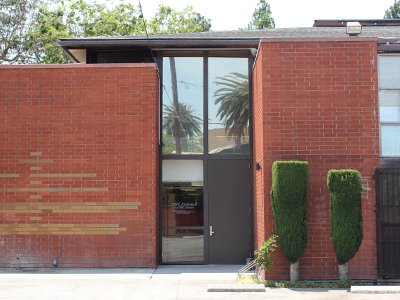

History and Origins
Established in the early 1950s, the ONE National Gay & Lesbian Archives was born during a period of widespread social stigma and legal obstacles for LGBTQ+ individuals. Inspired by the emerging homophile movement, activists in Los Angeles founded ONE Inc. in 1952. The organization soon published ONE Magazine, the first widely distributed LGBTQ+ magazine in the country (The Clio).
By 1956, ONE Inc. expanded its mission to include archival work, founding the ONE Institute for Homophile Studies. This office quickly evolved into a library and archive, curated by figures like Jim Kepner, who collected materials that documented LGBTQ+ life and activism (The Clio).
Growth and Institutional Partnerships
In 1979, Jim Kepner’s collection moved to Hollywood, becoming the National Gay Archives. It expanded further, becoming the International Gay & Lesbian Archives (IGLA) in 1984. In 1994, the IGLA merged with the ONE Institute, and in 2000, the University of Southern California provided the archives with permanent space at 909 W. Adams Boulevard. By 2010, the archives became an official branch of USC Libraries, solidifying their status as a premier LGBTQ+ research center (The Clio).
Collection Highlights
The ONE Archives house more than three million items, documenting LGBTQ+ lives and activism with a focus on Los Angeles and the United States but extending globally. Highlights include:
- Rare runs of ONE Magazine and other periodicals
- Personal papers from activists such as Morris Kight and Ivy Bottini
- Organizational records from groups like the Mattachine Society, Daughters of Bilitis, and ACT UP/LA
- Photographs of pride parades, protests, and social life
- Audio recordings, oral histories, and interviews
- Ephemera: buttons, posters, clothing, and memorabilia
- Artworks by LGBTQ+ artists and artifacts such as an at-home electroshock machine from the 1970s (The Clio, LA Weekly)
Visitor Information
Location & Directions
Address: 909 West Adams Boulevard, Los Angeles, CA 90007 (on the USC campus).
Public Transit: The Expo Park/USC Station on the Metro E Line (Expo) is a 10-minute walk away. Several Metro bus lines also serve the area.
Parking: Limited street parking is available. Paid public lots are located nearby on and around the USC campus.
Visiting Hours
Current (June 2025):
- Tuesday & Friday: 1:30 PM – 5:30 PM
- Wednesday & Thursday: 3:30 PM – 9:00 PM
- Saturday: 11:00 AM – 5:00 PM
- Sunday & Monday: Closed
Hours may vary during holidays or special events. Always check the official website for the latest information.
Admission & Tickets
- General Admission Free of charge. Donations are encouraged to support ongoing preservation and programming.
- Group Visits & Tours Free; advance reservation required for groups or guided tours, especially during Pride Month and exhibition openings (Cruising the Archive).
- Research Appointments Scholars and researchers should schedule appointments in advance to access archival materials.
Accessibility
The archives are wheelchair accessible and feature ramps and accessible restrooms. Visitors with specific accessibility requirements are encouraged to contact staff ahead of time to arrange accommodations.
Guided Tours
Guided tours are available by appointment for groups and during special exhibitions or Pride Month. These provide in-depth context and access to select materials. Advance booking is advised.
Photography
Photography is permitted in most public areas; however, flash, tripods, and photographing certain archival materials may be restricted. Always consult staff regarding photography policies during your visit.
Exhibitions & Public Programs
The ONE Archives host permanent and rotating exhibitions, often focusing on themes of queer activism, art, and intersectionality. The nearby ONE Archives Gallery & Museum in West Hollywood also presents curated shows and collaborative projects. Public programs include panel discussions, lectures, workshops, film screenings, and virtual events such as the "Dear ONE" series (LA Weekly).
Recent and notable exhibitions have explored topics like queer Latinx communities, early pride marches, creative expression, and the evolution of LGBTQ+ nightlife.
Nearby LGBTQ+ and Cultural Sites
Round out your visit by exploring other important Los Angeles LGBTQ+ landmarks, including:
- The site of the world’s first gay pride parade
- The first LGBTQ synagogue in the U.S.
- Historic neighborhoods and cultural centers (LA Conservancy)
Other nearby attractions include the California African American Museum, Natural History Museum of Los Angeles County, and Exposition Park Rose Garden (NHMLAC Story).
Frequently Asked Questions (FAQ)
Q: What are the visiting hours?
A: Tuesday & Friday: 1:30 PM – 5:30 PM; Wednesday & Thursday: 3:30 PM – 9:00 PM; Saturday: 11:00 AM – 5:00 PM; closed Sunday & Monday.
Q: Is there an admission fee?
A: No, general admission is free.
Q: Are guided tours available?
A: Yes, by appointment for groups or during special events.
Q: Is the archive wheelchair accessible?
A: Yes.
Q: Can I take photos inside?
A: Photography is allowed in most areas, but restrictions may apply to specific materials.
Q: How do I get there by public transit?
A: Take the Metro E Line (Expo) to the Expo Park/USC Station and walk to 909 W. Adams Blvd.
Q: Do I need an appointment to access certain collections?
A: Some materials require advance notice; check the official website for details.
Significance in LGBTQ+ History
As the largest LGBTQ+ archive in the world, ONE National Gay & Lesbian Archives plays a crucial role in preserving and celebrating queer history—especially Los Angeles’s unique and influential contributions. The collections illuminate the intersections of race, gender, religion, and sexuality, making these stories accessible to both academic researchers and the broader public (LA Conservancy).
Plan Your Visit & Stay Connected
- For the latest hours, exhibitions, and event updates, visit the ONE Archives website and follow their social media channels.
- Download the Audiala app for curated audio tours and content about Los Angeles LGBTQ+ history.
- Explore related articles on our website for more on Los Angeles’s historic sites and LGBTQ+ culture.