
Origins and Founding of Warner Bros. Studio
Established on April 4, 1923, by brothers Harry, Albert, Sam, and Jack Warner, Warner Bros. began as a film distributor before quickly moving into production. Their vision of a vertically integrated studio—controlling production, distribution, and exhibition—became the model for Hollywood’s studio system (Timepath). Early financial backing, including a pivotal loan from Goldman Sachs in 1924, enabled bold technological experimentation and expansion (Zippia).
Pioneering Innovations and the Sound Revolution
Warner Bros. led the industry into the sound era with the Vitaphone sound-on-disc system, culminating in the release of The Jazz Singer in 1927—the first feature-length film with synchronized dialogue (Timepath). This milestone revolutionized cinema, forcing the entire industry to embrace sound. Warner Bros. continued to innovate with the first all-talking feature, Lights of New York (1928) (Zippia).
Expansion and the Golden Age of Hollywood
The 1930s and 1940s saw Warner Bros. merge with First National Pictures, expand its production scale, and achieve critical acclaim with classics like The Public Enemy and Casablanca. Its Burbank lot grew into a creative hub, housing sound stages and backlots that are still featured on studio tours today (Afternoon Tea Reads).
The Studio System and Legal Shifts
Operating under the studio system, Warner Bros. controlled production and owned theaters until the 1948 Supreme Court decision in United States v. Paramount Pictures, Inc. mandated the separation of production and exhibition, fundamentally altering the studio’s operations (Timepath).
Technological Advancements and Diversification
In the postwar years, Warner Bros. introduced "Warnercolor" and embraced 3D with House of Wax. The studio’s foray into television with series like Cheyenne marked a significant diversification into new media (Zippia).
Corporate Evolution
Ownership changes in the 1960s and 1970s led to the formation of Warner Bros.-Seven Arts and, later, The Burbank Studios (in partnership with Columbia Pictures). The 1989 merger with Time Inc. created Time Warner, the world's largest media conglomerate (Timepath).
Modern Era: Global Reach
Today, Warner Bros. is a global leader in entertainment, with its Burbank studio serving as both a working production center and a major tourist destination. The launch of the WB Television Network and the rebranding to WarnerMedia reflect its continuing evolution and influence (Timepath).
Practical Visitor Information
Warner Bros. Studio Visiting Hours
- Burbank Lot (Studio Tour Hollywood)
Tours generally run daily from 8:30 am to 3:30 pm. The Studio Store is open from 10 am to 7 pm. Hours may vary for holidays and special events—always verify with the official website.
Warner Bros. Studio Tickets
- Standard Studio Tour ~$101 (Adults 11+), $92 (Children 5–10).
- Deluxe Tour $295 per person, includes exclusive access and lunch.
- Classic/TCM Tours Focused on Golden Age Hollywood, with unique access points.
- Booking Reserve online in advance for best availability and pricing (thebettervacation.com).
Accessibility
- Wheelchair Accessible All tours accommodate mobility needs; contact ahead for special arrangements.
- Age Restrictions Children under 5 are not permitted; children 5–17 must be accompanied by an adult (attractiontickets.com).
Travel, Parking, and Local Tips
- Address 3400 Warner Blvd, Burbank, CA 91505.
- Parking Ample guest parking ($15 per vehicle).
- Public Transit Accessible via Metro Red Line (North Hollywood station) and Bus 501 (thebettervacation.com).
- Ride-Share Uber and Lyft drop-off at the studio entrance (smallworldthisis.com).
- Arrive Early Allow 20–30 minutes for security and check-in.
Nearby Attractions
- Burbank Aviation Museum
- Historic Downtown Burbank
- Hollywood Walk of Fame
- TCL Chinese Theatre
- The Smoke House Restaurant (historic dining spot)
Special Events and Tours
Look for themed experiences (Harry Potter, DC Universe), live audience tapings, and seasonal events. Check the official website for current offerings.
The Warner Bros. Studio Lot Experience
The Burbank studio lot offers an in-depth, interactive look into filmmaking:
- Guided Tram Tours Explore active backlots, soundstages, and outdoor sets.
- Stage 48: Script to Screen Hands-on activities including green screen and sound mixing.
- Iconic Sets Sit on the Friends couch, visit the Big Bang Theory set, and more.
- Props and Costumes View artifacts from Harry Potter, DC Universe, Gilmore Girls, and more (Afternoon Tea Reads).
- Photography Allowed in designated areas; strictly follow guide instructions.
- Dining & Shopping Enjoy themed cafes and exclusive merchandise at the Studio Store.
The Old Warner Brothers Studio (Sunset Bronson): History and Visiting
Birthplace of the Talking Picture
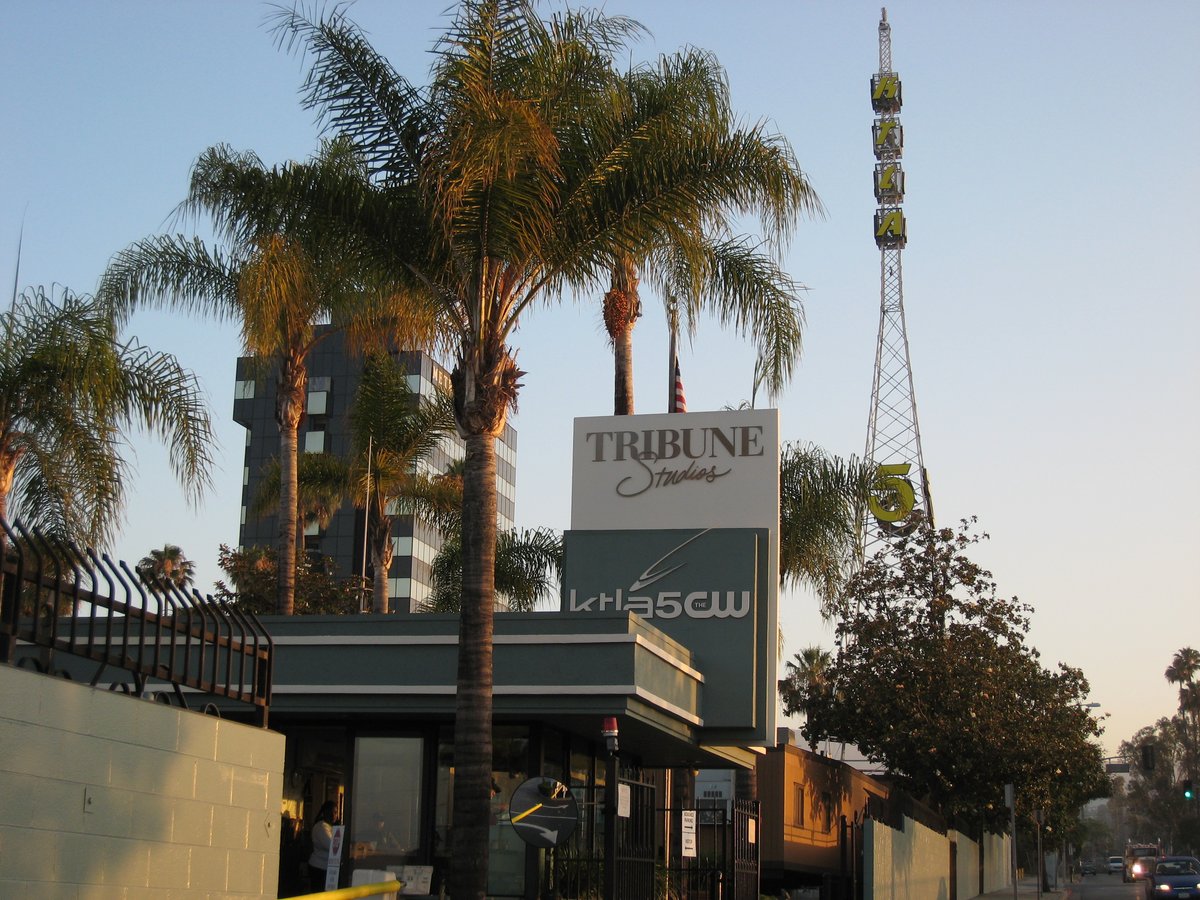
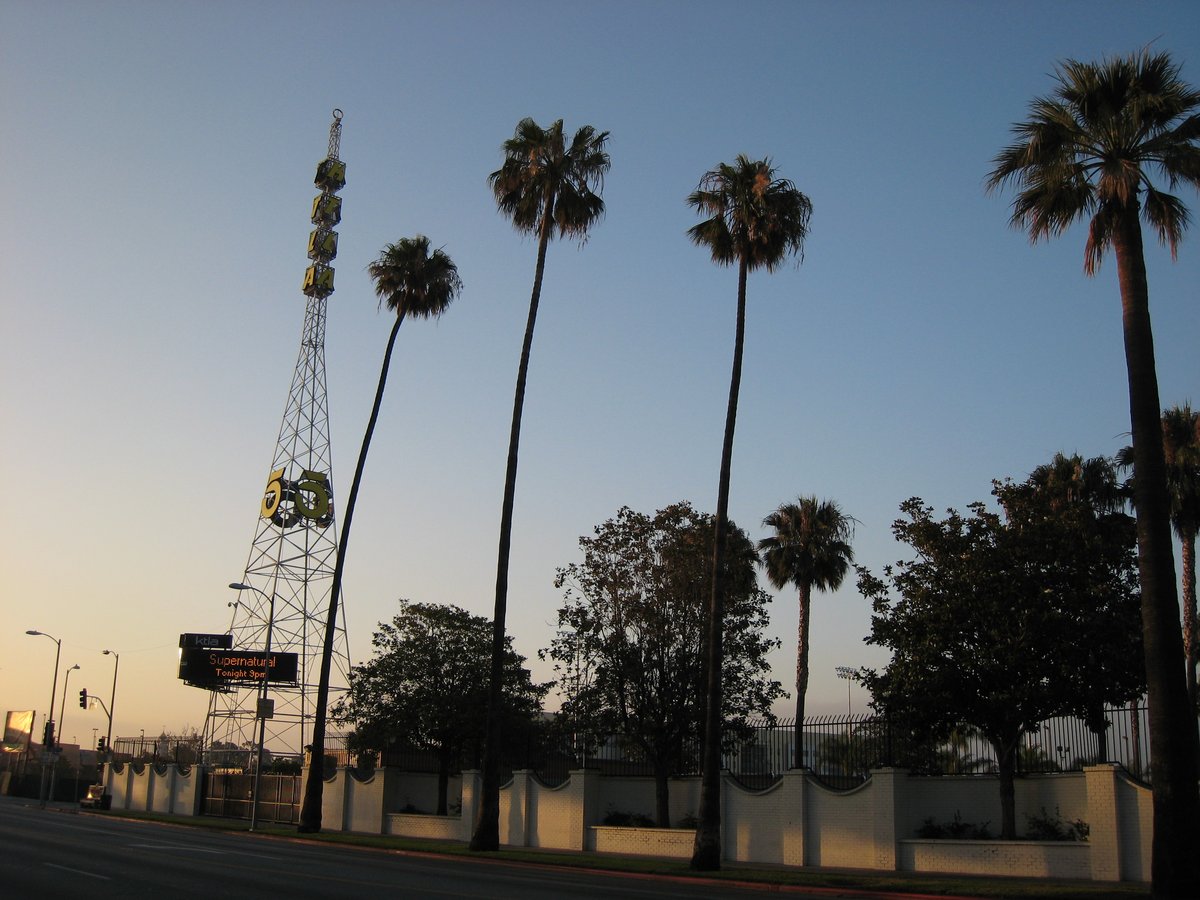
The original Warner Bros. Studio on Sunset Boulevard—now Sunset Bronson Studios—was the home of The Jazz Singer (1927), launching the era of sound in cinema (Wikipedia; Kiddle). Its historic Stage 3 remains legendary.
Architectural and Cultural Recognition
Built in 1919, the site features the world's largest covered stage of its era. It is a Los Angeles Historic-Cultural Monument and listed on the National Register of Historic Places (Kiddle). The studio fostered innovations in animation (Looney Tunes, Merrie Melodies) and radio (KFWB).
Visiting Details
- Hours No regular public tours; occasional special events.
- Tickets Not sold for regular visits; for studio tours, book at the Burbank location.
- Accessibility Accommodations available with advance notice.
- Nearby Attractions Hollywood Walk of Fame, Sunset Strip, TCL Chinese Theatre.
Legacy and Preservation
The studio's impact endures through its role in film, animation, and early television (KTLA). Its historic designations ensure preservation for future generations (Wikipedia).
Cultural Significance and Notable Milestones
- First to Commercialize Sound The Jazz Singer (1927)
- Animation Legacy Home of Looney Tunes and Merrie Melodies (1933–1955)
- Technological Innovation First use of Vitaphone, early color and 3D films
- Studio System Pioneer Helped define the classic Hollywood production model
- Architectural Heritage One of few surviving original Hollywood studios
Frequently Asked Questions (FAQ)
Q: What are Warner Bros. Studio visiting hours?
A: Most tours run daily from 8:30 am to 3:30 pm. Always check the official website for current hours.
Q: How do I buy Warner Bros. Studio tickets?
A: Purchase tickets online at the official website for best pricing and availability.
Q: Is the tour accessible for visitors with disabilities?
A: Yes, including wheelchairs and mobility assistance. Contact the studio in advance for special needs (attractiontickets.com).
Q: Are children allowed?
A: Children under 5 are not permitted. Children 5–17 must be accompanied by an adult.
Q: Can I visit the Old Warner Brothers Studio?
A: Not generally open for public tours; explore the Burbank lot for immersive experiences.
Q: What other attractions are nearby?
A: Burbank Aviation Museum, historic downtown, Hollywood Walk of Fame, Sunset Strip.
Discover More
A visit to Warner Bros. Studios—whether at the vibrant Burbank lot or the historic Old Warner Brothers Studio—connects you to the heart of Hollywood’s past, present, and future. With engaging tours, cutting-edge exhibits, and a legacy of innovation, Warner Bros. offers an unforgettable experience for all ages. Plan ahead: check current hours, book tickets online, and explore nearby Los Angeles historical sites for a full and enriching adventure.
For real-time updates, exclusive offers, and insider tips, download the Audiala app and follow Warner Bros. Studio Tour Hollywood on social media. Enhance your journey with our related articles and plan your Hollywood adventure today!