Plan and listen to Natural History Museum Los Angeles County with Audiala.
Audio guide in your pocket, itinerary in your browser. Built for the way you actually visit.
Introduction
The Natural History Museum of Los Angeles County (NHMLA) is a landmark institution that bridges the city’s past, present, and future. Established in 1913, NHMLA has become the largest natural and cultural history collection in the western United States, with over 35 million specimens. Its prime location in Exposition Park, innovative exhibitions, and commitment to education and community engagement make it an essential destination for visitors and locals alike. This detailed guide covers the museum’s history, architectural evolution, collections, community programs, visiting hours, ticketing, accessibility, travel tips, and much more—ensuring a memorable and informed experience at one of Los Angeles’ most significant historical sites (los-angeles.name, nhm.org, Architectural Record).






Museum Origins and Founding
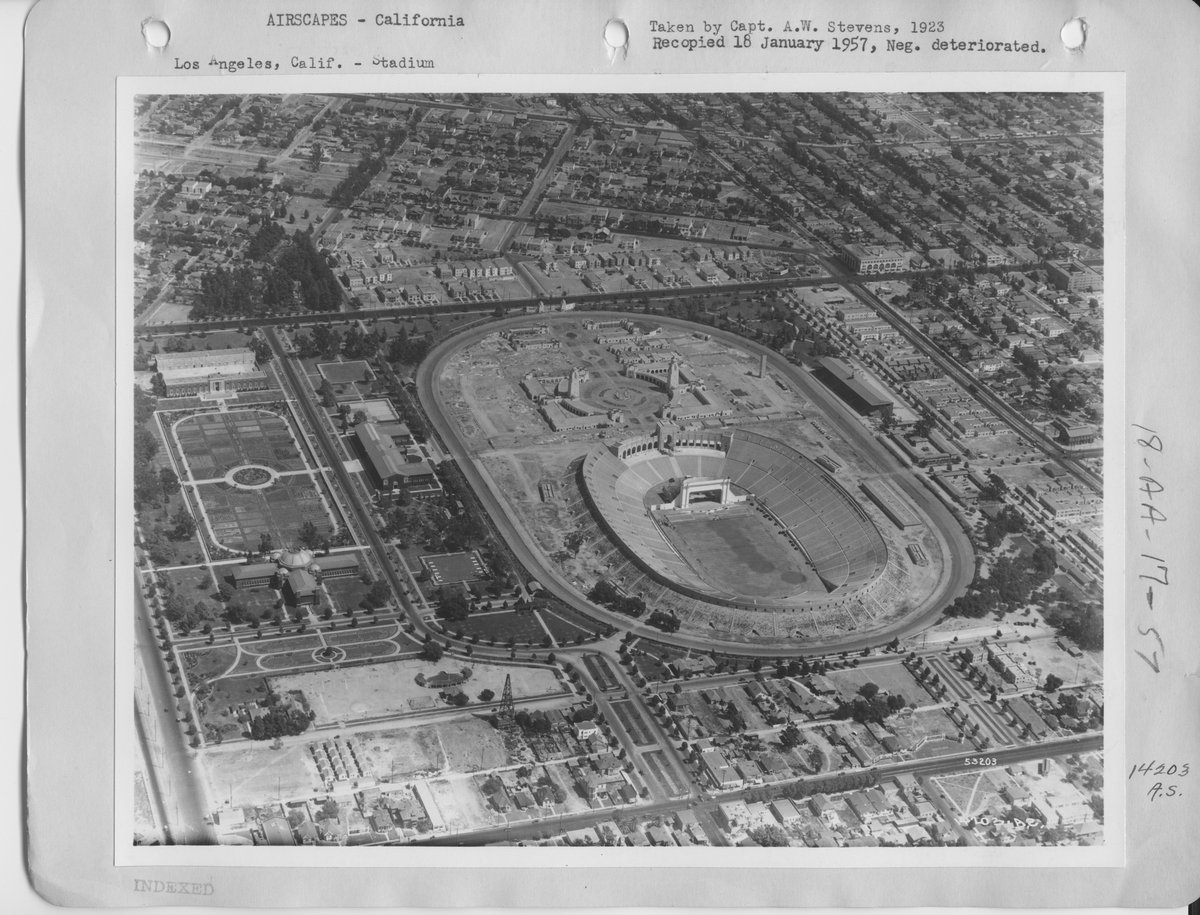
NHMLA’s roots stretch back to the late 19th century when Exposition Park hosted an agricultural fair. By 1910, visionary leaders like William Miller Bowen spearheaded efforts to transform the site into a cultural center. The museum's cornerstone was laid in December 1910, culminating in the grand opening as the Los Angeles County Museum of History, Science and Art on November 6, 1913, coinciding with the city’s celebration of the Owens River Aqueduct (los-angeles.name).
Architectural Heritage and Redevelopment
The museum’s original Beaux-Arts building, designed by Frank Hudson and William A.D. Munsell, features iconic elements like the Rotunda with marble columns, a mosaic floor, and the “Three Muses” statue. Successive expansions and renovations—most notably by CO Architects (2013) and Frederick Fisher and Partners (2024)—have preserved the historic grandeur while introducing modern amenities, sustainable features, and new public spaces such as the transparent NHM Commons gateway and a double-height glass lobby overlooking the gardens (Architectural Record, CO Architects).
The North Campus reimagining added green spaces and accessible outdoor learning environments, further integrating the museum with the surrounding Exposition Park (ArchDaily).
Evolution and Expansion
NHMLA has continually adapted to serve the evolving needs of Los Angeles. Its 1965 name change to the Los Angeles County Museum of History and Science marked its growing scientific focus, and the adoption of its current name cemented its identity as the region’s preeminent natural history institution. Major renovations from 2007–2009 and the 2024 NHM Commons expansion have modernized galleries, improved accessibility, and expanded educational offerings (los-angeles.name).
Collections and Scientific Importance
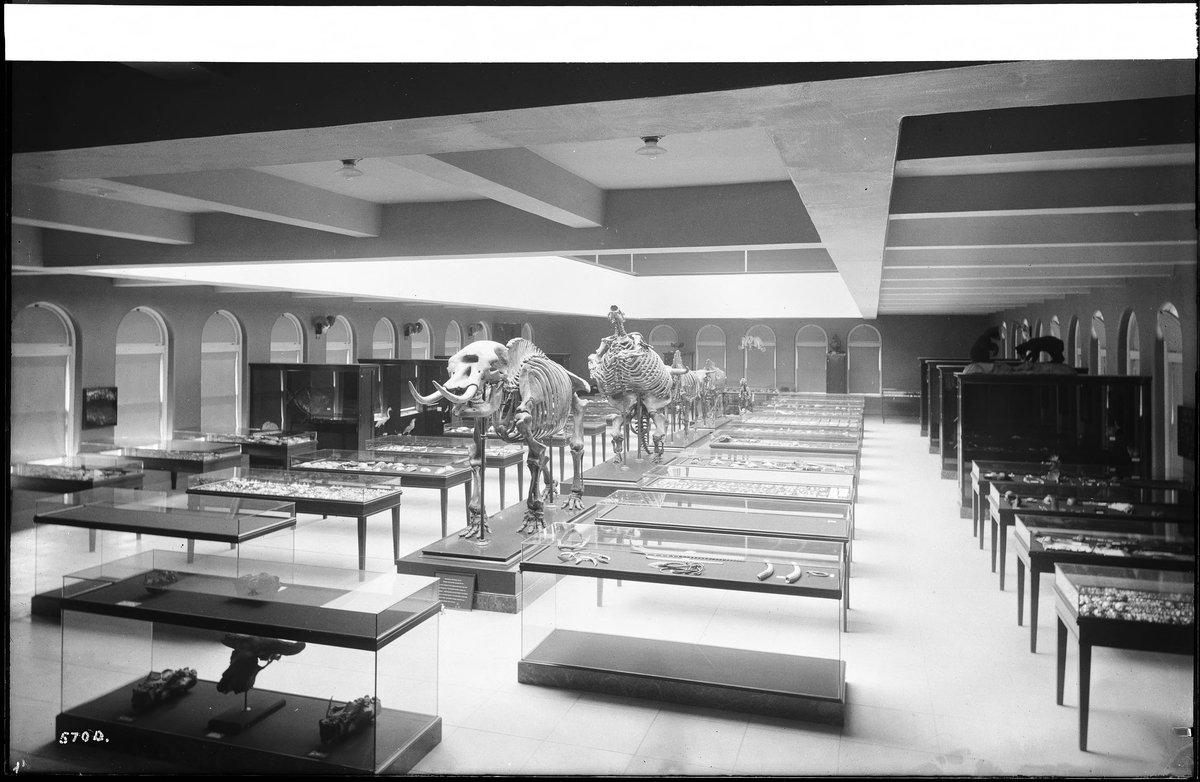
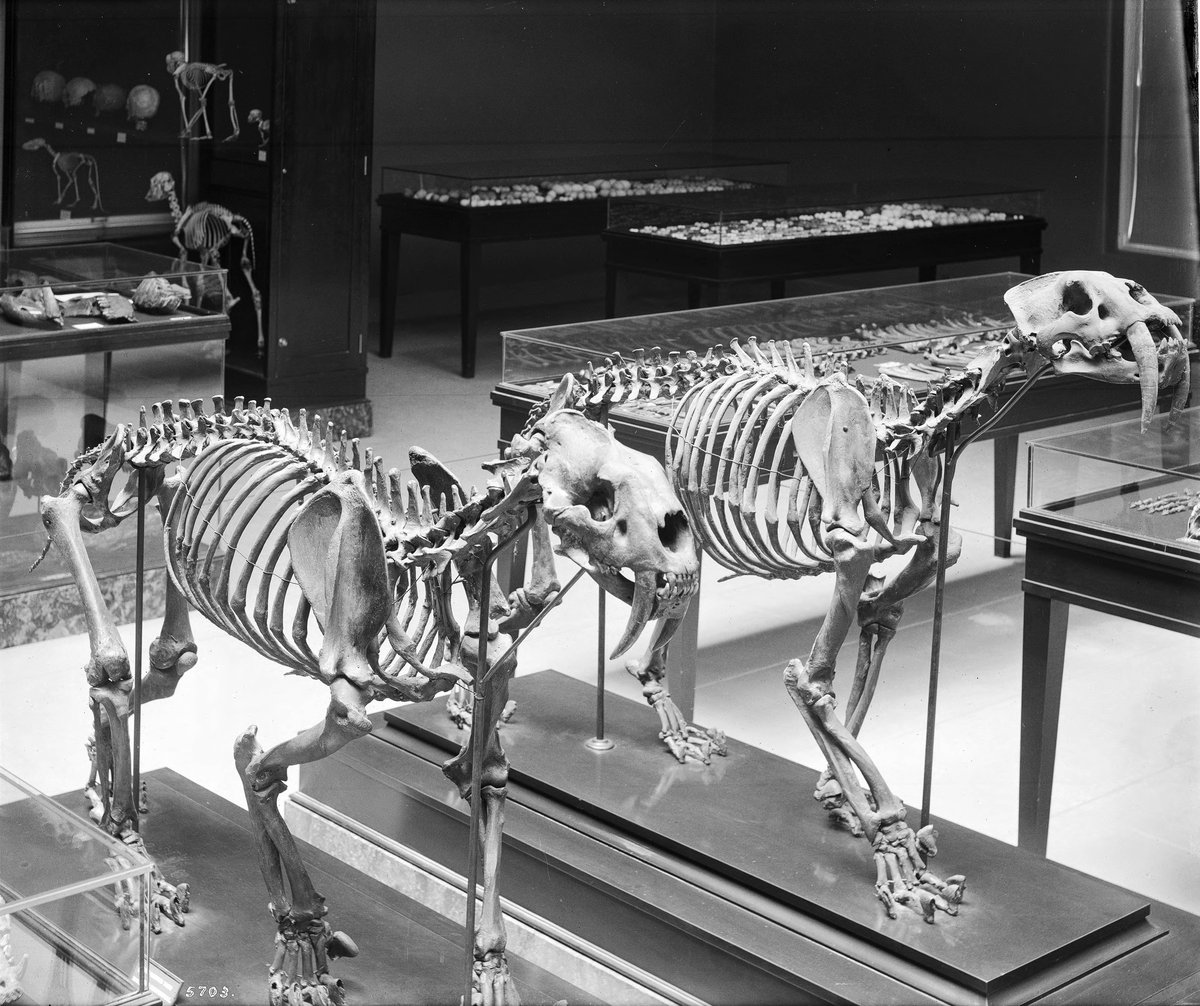
Housing over 35 million specimens, NHMLA’s collections encompass paleontology, mineralogy, anthropology, and natural sciences. Notable highlights include:
- Dinosaur Hall: Home to spectacular fossils, including “Gnatalie”—the world’s first green dinosaur fossil, colored by celadonite (uscannenbergmedia.com).
- Gem and Mineral Hall: Dazzling displays of gems, minerals, and meteorites (los-angeles.name).
- Age of Mammals Hall: Traces mammalian evolution with dramatic suspended skeletons.
- Urban Nature Research Center: Focuses on Los Angeles biodiversity and involves the public in research (nhm.org).
The collections fuel active research, education, and conservation, with scientists and the community collaborating on discoveries such as “Gnatalie” (uscannenbergmedia.com).
Cultural and Community Impact
NHMLA is a vibrant hub for cultural engagement and inclusivity. The NHM Commons, a new wing with a community plaza and amphitheater, underscores the museum’s commitment to accessibility. Barbara Carrasco’s mural, “L.A. History: A Mexican Perspective,” has found a permanent home here, highlighting Los Angeles’ diverse and sometimes challenging history. The museum recognizes its location on ancestral Indigenous land and actively works with local communities to ensure authentic representation (uscannenbergmedia.com).
Education and Public Engagement
Education is central to NHMLA’s mission. The museum offers:
- Interactive Programs: Activities such as Nature Loteria, nature hunts, and birding tours (nhm.org).
- Annual Events: Earth Day Festival, First Fridays (science, art, music), and City Nature Challenge (nbclosangeles.com).
- School and Teacher Initiatives: Virtual and in-person field trips, educator workshops, and curriculum resources (nhm.org/educational-resources).
- Community Science: Urban Nature programs and collaborative research projects (nhm.org/la).
Visiting Information: Hours, Tickets, Location, Accessibility
- Address: 900 Exposition Blvd, Los Angeles, CA 90007 (citypass.com)
- Hours: Daily from 9:30 AM to 5:00 PM; closed Thanksgiving and Christmas. Check the official site for special hours.
- Admission: $15 adults, $12 seniors (62+), $7 youth (3–12), free under 3. Special exhibits (e.g., Butterfly Pavilion, $10 extra) may require separate tickets (nhm.org/tickets).
- Discounts: California residents, EBT cardholders, and on select free days (first Tuesday monthly, every Tuesday in September) (TravelCaffeine).
- Accessibility: Full wheelchair access, elevators, accessible restrooms, service animals welcome, assistive listening devices available (NHM Accessibility).
- Transit & Parking: Accessible by Metro Expo Line (Expo Park/USC Station); paid parking available onsite (NHMLAC Directions).
Architectural Highlights and Exhibitions
- Transparent NHM Commons Gateway: A double-height glass lobby with public access, garden views, and dramatic displays like “Gnatalie” and a fin whale skeleton (Architectural Record).
- North Campus Gardens: Outdoor classrooms, native plants, and public terraces (ArchDaily).
- Diorama Halls: Over 75 life-size dioramas; centennial celebration with special exhibitions in 2024–2025 (Secret Los Angeles).
- Butterfly Pavilion: Seasonal, March–August, requires additional ticket (Secret Los Angeles).
- Becoming Los Angeles: Explores the city’s social and environmental transformation (TravelCaffeine).
- Gem and Mineral Hall, Age of Mammals, Nature Lab and Gardens: Permanent collections that showcase the region’s natural wonders (citybop.com).
Visitor Amenities and Planning Tips
- Dining: Onsite South LA Cafe offers meals and snacks. Designated areas available for outside food (The Tourist Checklist).
- Gift Shop: Science-themed gifts and educational toys.
- Rest Areas: Multiple seating zones, water fountains, and restrooms.
- Virtual Tours & Resources: Online maps, interactive guides, and virtual tours enhance planning (nhm.org/visit/virtual-tours).
- Planning Tips:
- Arrive early to avoid crowds, especially on weekends and free days.
- Allocate at least 2–3 hours for a comprehensive visit.
- Engage with knowledgeable staff and volunteers.
- Combine with other Exposition Park attractions for a full day out (TravelCaffeine).
- Check for special events and rotating exhibitions (NHMLAC Calendar).
Frequently Asked Questions (FAQ)
Q: What are the Natural History Museum of Los Angeles County visiting hours?
A: Open daily from 9:30 AM to 5:00 PM, closed Thanksgiving and Christmas.
Q: How can I buy NHMLA tickets?
A: Purchase online or at the entrance; online purchase is recommended (nhm.org/tickets).
Q: Are there free admission days?
A: Yes, first Tuesday monthly (except July/August) and every Tuesday in September.
Q: Is the museum wheelchair accessible?
A: Yes, including elevators, ramps, accessible restrooms, and assistive devices.
Q: What are the parking and public transit options?
A: Two-level garage onsite; Metro Expo Line (Expo Park/USC Station); more on NHMLAC Directions.
Q: Can I bring outside food?
A: Designated areas are available; check current policies.
Q: Are there programs for families and schools?
A: Yes, including camps, virtual field trips, interactive exhibits, and educator resources (nhm.org/educational-resources).
Summary and Recommendations
The Natural History Museum of Los Angeles County stands as a beacon of education, science, and cultural inclusivity. Its blend of historic architecture, cutting-edge exhibits, and robust community programming offers something for every visitor. Whether you’re marveling at the “Gnatalie” dinosaur, exploring immersive dioramas, or participating in citizen science, NHMLA provides a unique window into the natural world and Los Angeles’ multifaceted history.
For the best experience:
- Check the NHMLA official website for current exhibitions, hours, and ticketing.
- Purchase tickets in advance to streamline your visit.
- Download the Audiala app for personalized guides and updates.
- Combine your visit with other Exposition Park attractions.
- Stay connected via social media for news and event updates.
Tickets & tours.
These are guided options from our partners — same price as booking direct.
Prices are indicative — final pricing and availability are confirmed at checkout. Audiala may earn a commission from bookings made through these links.
Listen to the full story in the app
The whole Natural History Museum Los Angeles County,
told well.
Audio guides for 1,100+ cities across 96 countries. History, stories, and local insight — offline ready.
Verified, and shown.
Researched and written by the Audiala editorial team from historical records, architectural archives, and local expertise.
Researched from Wikidata, Wikipedia & official sources · fact-checked · How we make our guides →