Introduction
The Museum of Death in Los Angeles stands as one of the most distinctive and thought-provoking cultural destinations in the city. Established in 1995 by J.D. Healy and Catherine Shultz, the museum was created to confront and demystify the topic of death—an often-taboo subject in American society (Discovery Museum). Originally located in San Diego’s historic mortuary building, the museum later relocated to 6031 Hollywood Blvd in Hollywood, expanding its reach and enhancing its collections (Backpackerverse).
Visitors to the Museum of Death are offered a deep exploration of the cultural, historical, and psychological dimensions of mortality. Its exhibits feature the world’s largest collection of serial killer artwork, authentic funeral artifacts, mortician tools, graphic crime scene photography, and rare items from cults such as Heaven’s Gate (Museum of Death History). The museum’s mission is not to sensationalize, but to foster education, empathy, and open dialogue about life’s inevitable end.
This comprehensive guide will provide detailed information on the museum’s history, highlights from its collection, practical visitor logistics, cultural and ethical considerations, and travel tips for an enriching, respectful, and memorable visit.
Founding and Early Development
The Museum of Death was founded in June 1995 by J.D. Healy and Catherine Shultz, who sought to address the lack of open discussion about death in American culture (Discovery Museum). The initial location in San Diego’s first mortuary—a property once owned by Wyatt Earp—showcased serial killer correspondence and artwork, which quickly garnered public interest. As the collection expanded, the need for a larger, permanent space became clear (Backpackerverse).
Relocation and Expansion
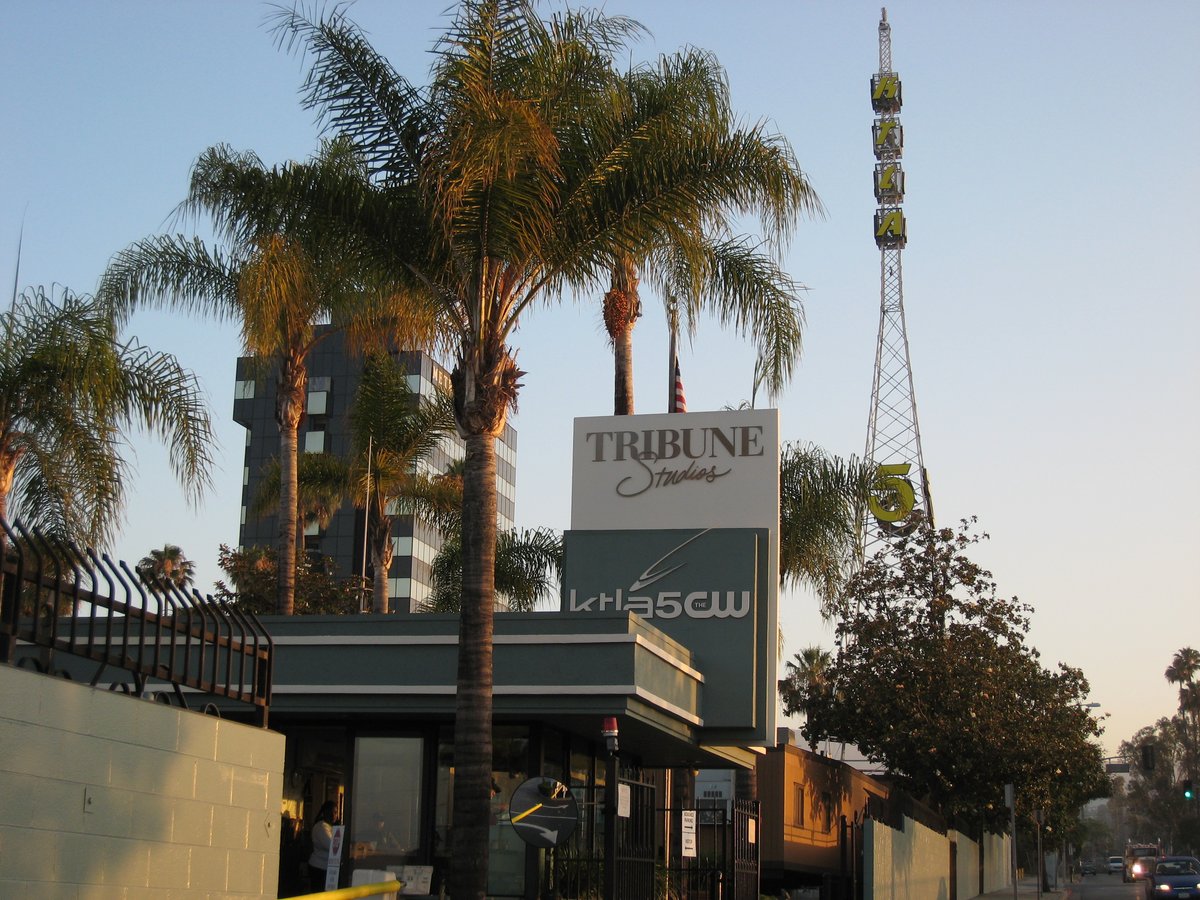
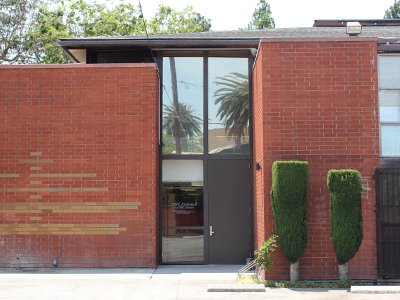
In 1999, after gaining notoriety for acquiring artifacts related to the Heaven’s Gate mass suicide, the museum faced eviction from its San Diego location. It subsequently moved to 6031 Hollywood Blvd in Los Angeles, settling into a building with its own storied past as a recording studio (Discovery Museum). The relocation allowed the museum to broaden its collections and attract an international audience.
Mission and Philosophy
The museum’s core mission is to educate the public about death in its many forms while fostering an appreciation for life. Founders Healy and Shultz emphasize authenticity and diversity in the collection, ensuring that every artifact is genuine and thoughtfully presented (Discovery Museum). The museum aims to challenge taboos, encourage open dialogue, and promote empathy by humanizing both victims and perpetrators (Brilliantio; Sapir Journal).
Collection Highlights
- Serial Killer Artwork and Memorabilia: Featuring the world’s largest collection of artwork, letters, and personal effects from infamous serial killers (Backpackerverse).
- Historical Funeral Artifacts: Antique coffins, embalming tools, and relics from centuries of funerary practices.
- Mortician and Coroner Tools: Instruments used in autopsies and body preparations, tracing the evolution of mortuary science.
- Crime Scene Photography: Graphic images from cases such as the Black Dahlia and Manson Family murders.
- Cult and Mass Suicide Artifacts: Artifacts from Heaven’s Gate and other notorious events.
- Pet Death Taxidermy and Animal Skulls: Exhibits exploring human and animal mortality.
- Execution Devices: Replicas and historical context for execution methods, due to acquisition limitations.
Visiting Information
Location and Hours
- Address: 6031 Hollywood Blvd, Los Angeles, CA 90028
- Hours: Tuesday through Sunday, 10:00 AM – 6:00 PM (Closed Mondays)
- Last Entry: 5:30 PM
Tickets and Admission
- General Admission: $20 for adults
- Discounts: Reduced rates for students, seniors, and military with valid ID
- Age Policy: No children under 15 allowed due to graphic content
- Purchase: Tickets available at the door and online via the official website
Accessibility
- The museum is wheelchair accessible.
- Assistance is available for guests with special needs; contact staff in advance for accommodations.
Travel Tips
- Public Transit: Hollywood/Highland Metro station is a 10-minute walk; multiple bus lines service Hollywood Blvd.
- Driving: Limited street parking and paid lots nearby; rideshare services are convenient.
- Nearby Attractions: Hollywood Walk of Fame, TCL Chinese Theatre, Hollywood Museum, and more.
Special Events and Guided Tours
- Special exhibitions and events are held periodically—check the website for updates.
- Guided tours are occasionally available and should be booked in advance.
Cultural and Social Significance
Challenging Taboos and Fostering Dialogue
Unlike traditional museums, the Museum of Death confronts visitors with the realities of mortality, crime, and grief. The founders’ intent is “to make people happy to be alive” by highlighting the universality and inevitability of death (Brilliantio). The museum’s exhibits encourage open conversations about topics often excluded from public discourse.
Preservation and Presentation of Marginalized Histories
The museum preserves alternative narratives often omitted from mainstream history—stories of victims, perpetrators, forensic professionals, and marginalized communities. It presents artifacts such as Manson Family memorabilia, rare execution devices, and cult relics with historical context and sensitivity (Museum of Death History).
Social Impact: Education, Empathy, and Identity
The museum fills a gap in death education by normalizing discussions of mortality, funerary rites, and the psychological impact of death (Museum of Death History). Through its displays, it fosters empathy and challenges visitors to reflect on their own attitudes toward life and death.
Inclusivity, Accessibility, and Audience Considerations
While the museum welcomes all, its content is recommended for mature audiences only. Children under 15 are not permitted, and all guests are encouraged to assess their comfort with graphic material beforehand (The Tourist Checklist).
Ethical Considerations
Display of Sensitive Content
The museum’s curators strive to balance education with sensitivity, providing context for all artifacts and restricting photography in certain areas to protect the dignity of victims (Klook; The Tourist Checklist). Visitors are expected to approach exhibits with respect and mindfulness.
Psychological Impact on Visitors
Due to the graphic and emotional nature of many exhibits, guests are encouraged to monitor their reactions and take breaks as needed. The museum provides warnings and allows visitors to step out if overwhelmed (The Tourist Checklist). The experience can be both educational and emotionally intense, so self-care is paramount.
Respect for Victims and Communities
The museum aims to honor the stories and memories of those represented, providing educational context and avoiding sensationalism (LA Wire). Visitors are urged to engage with empathy.
Navigating Morbid Curiosity and Sensationalism
While the museum acknowledges the role of morbid curiosity in attracting visitors, it strives to channel this interest into meaningful education and reflection (Dark Tourists; Klook).
Age Restrictions and Informed Consent
Strict age policies are enforced to protect minors, and the museum provides clear warnings about content. Adults are encouraged to review exhibition descriptions before attending (The Tourist Checklist).
Social Responsibility and Community Impact
As a dark tourism site, the museum supports the local economy and offers educational programming to foster informed public discourse (ResearchGate; LA Wire).
Visitor Self-Care and Emotional Preparedness
Visitors are advised to prepare emotionally, take breaks, and seek support if needed. The museum’s intention is to provoke thought, not trauma (Klook).
Guidelines for Respectful Engagement
- Approach exhibits with empathy and mindfulness.
- Observe photography and behavior rules.
- Reflect on educational content and respect other visitors’ sensitivities (The Tourist Checklist).
Practical Tips for a Smooth Visit
- Purchase Tickets in Advance: Especially during peak tourist seasons.
- Plan Your Route: Use public transit or rideshare to avoid parking hassles.
- Dress Comfortably: There is no strict dress code, but comfort is advised.
- Minimize Personal Belongings: Large bags may not be allowed.
- Refreshments: No café on site, but plenty of dining options nearby.
- Gift Shop: Unique souvenirs and books are available.
- Check for Special Events: Visit the official website for updates.
Frequently Asked Questions (FAQ)
Q: What are the Museum of Death visiting hours?
A: Tuesday to Sunday, 10:00 AM to 6:00 PM; closed Mondays.
Q: How much are tickets?
A: $20 for adults, with discounts for students, seniors, and military; no children under 15.
Q: Is photography allowed?
A: Photography is generally restricted, especially in sensitive areas.
Q: Is the museum wheelchair accessible?
A: Yes, most exhibition areas are accessible. Contact staff for specific accommodations.
Q: How can I prepare emotionally for my visit?
A: Assess your comfort with graphic content, take breaks as needed, and seek support if distressed.
Q: Are guided tours or special events available?
A: Occasionally—check the official website for updates.
Discover More
To make the most of your experience, purchase tickets in advance, review visiting guidelines, and consult the official website for the latest information on hours, events, and accessibility. For additional travel tips, related articles, and exclusive museum guides, download the Audiala app and follow us on social media.
Internal Links
- Top Historical Sites to Visit in Los Angeles
- Guide to Dark Tourism Destinations
- Mental Health Tips for Dark Tourism Travelers
Listen to the full story in the app
Your Personal Curator, in Your Pocket.
Audio guides for 1,100+ cities across 96 countries. History, stories, and local insight — offline ready.
Audiala App
Available on iOS & Android
Join 50k+ Curators
Sources
- verified
- verified
- verified
- verified
- verified
- verified
- verified
- verified
- verified
Last reviewed: