Plan and listen to Mount Sinai Memorial Park Cemetery with Audiala.
Audio guide in your pocket, itinerary in your browser. Built for the way you actually visit.
Introduction to Mount Sinai Memorial Park Cemetery
Nestled in the Hollywood Hills of Los Angeles, Mount Sinai Memorial Park Cemetery is a vital symbol of Jewish heritage and tradition in Southern California. Established in 1953 and serving exclusively as a Jewish cemetery since 1959, it is now the largest Jewish cemetery organization in the region. Owned by Sinai Temple since 1967, Mount Sinai honors Jewish burial customs—including tahara (ritual washing) and sh’mira (guarding the deceased)—while also embracing environmental stewardship. In 2024, it became certified by the Green Burial Council, demonstrating a commitment to sustainable practices (Wikipedia; Mount Sinai Parks).
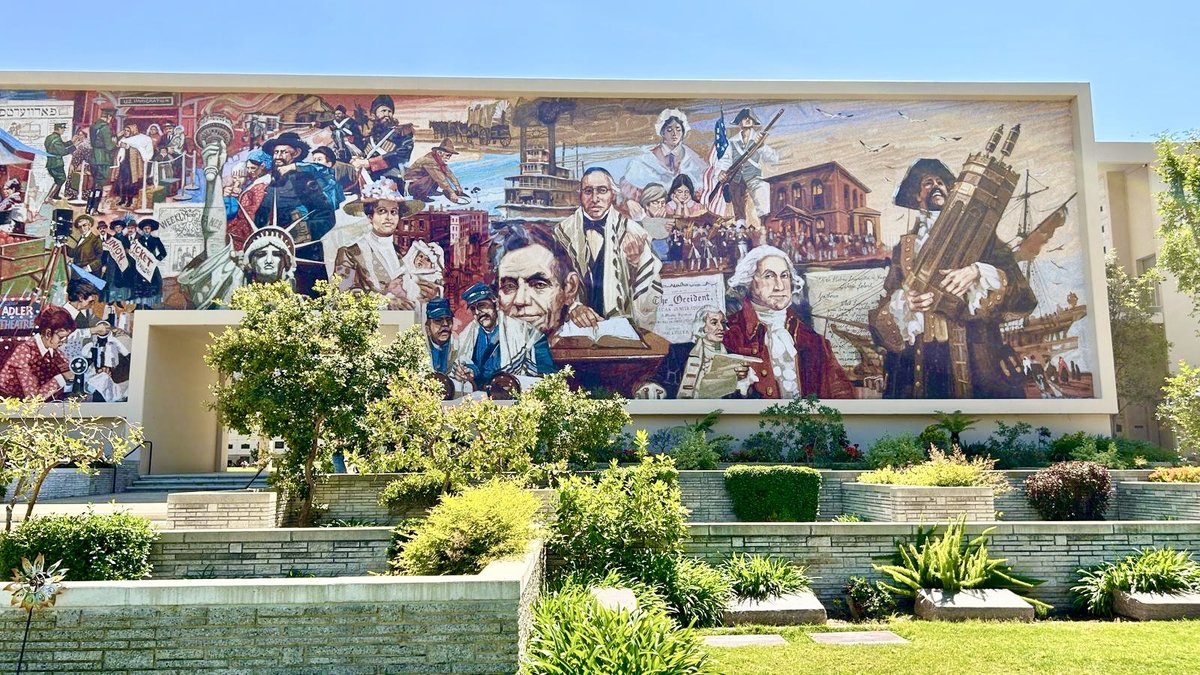
The cemetery is home to significant memorials such as the Heritage Mosaic and the Holocaust Memorial by Bernard Zakheim, offering profound educational and cultural experiences. Its role as the final resting place for many entertainment legends further elevates its status as a unique intersection of Hollywood history and Jewish tradition (Alchetron; Find a Grave; Celebrity Graveland).
This comprehensive guide details the cemetery’s history, cultural significance, visiting hours, accessibility, etiquette, and travel tips. It also highlights nearby attractions, making it an essential resource for those wishing to explore Los Angeles’ diverse cultural landscape. For interactive maps, virtual tours, and guided experiences, visitors are encouraged to use the Audiala app.

Origins and Early Development
Mount Sinai Memorial Park Cemetery was established during the post-World War II era—a period of rapid growth for Los Angeles’ Jewish community. Initially developed by the neighboring Forest Lawn-Hollywood Hills Cemetery in 1953, it did not become an exclusively Jewish burial ground until 1959 (Wikipedia; Alchetron).
The transition to Jewish-only burials addressed the community’s desire for a cemetery that strictly observed Jewish customs such as tahara and sh’mira (Find a Grave).
Acquisition by Sinai Temple and Community Significance
Sinai Temple, the oldest and largest Conservative synagogue in Los Angeles, acquired Mount Sinai in 1967. This acquisition enabled the provision of burial and mortuary services to all within the Jewish community, regardless of synagogue affiliation or level of observance (Wikipedia; Alchetron). The cemetery’s development mirrored the westward and northward migration of Los Angeles’ Jewish population (Los Angeles Times).
Expansion and the Simi Valley Site
By the 1990s, limited space at the Hollywood Hills site prompted Mount Sinai to open a second location at 6150 Mount Sinai Drive in Simi Valley in 1997 (Alchetron; Mount Sinai Parks). The Simi Valley site spans 150 acres and features the Caves of Abraham, hillside graves designed to replicate ancient cave burials and approved by the Chief Rabbinate of Israel (Alchetron; Los Angeles Times).
Artistic and Memorial Features
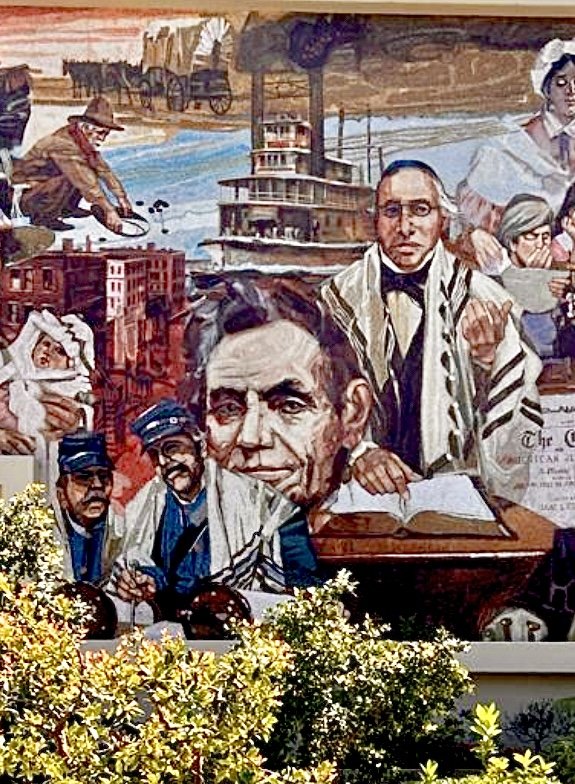
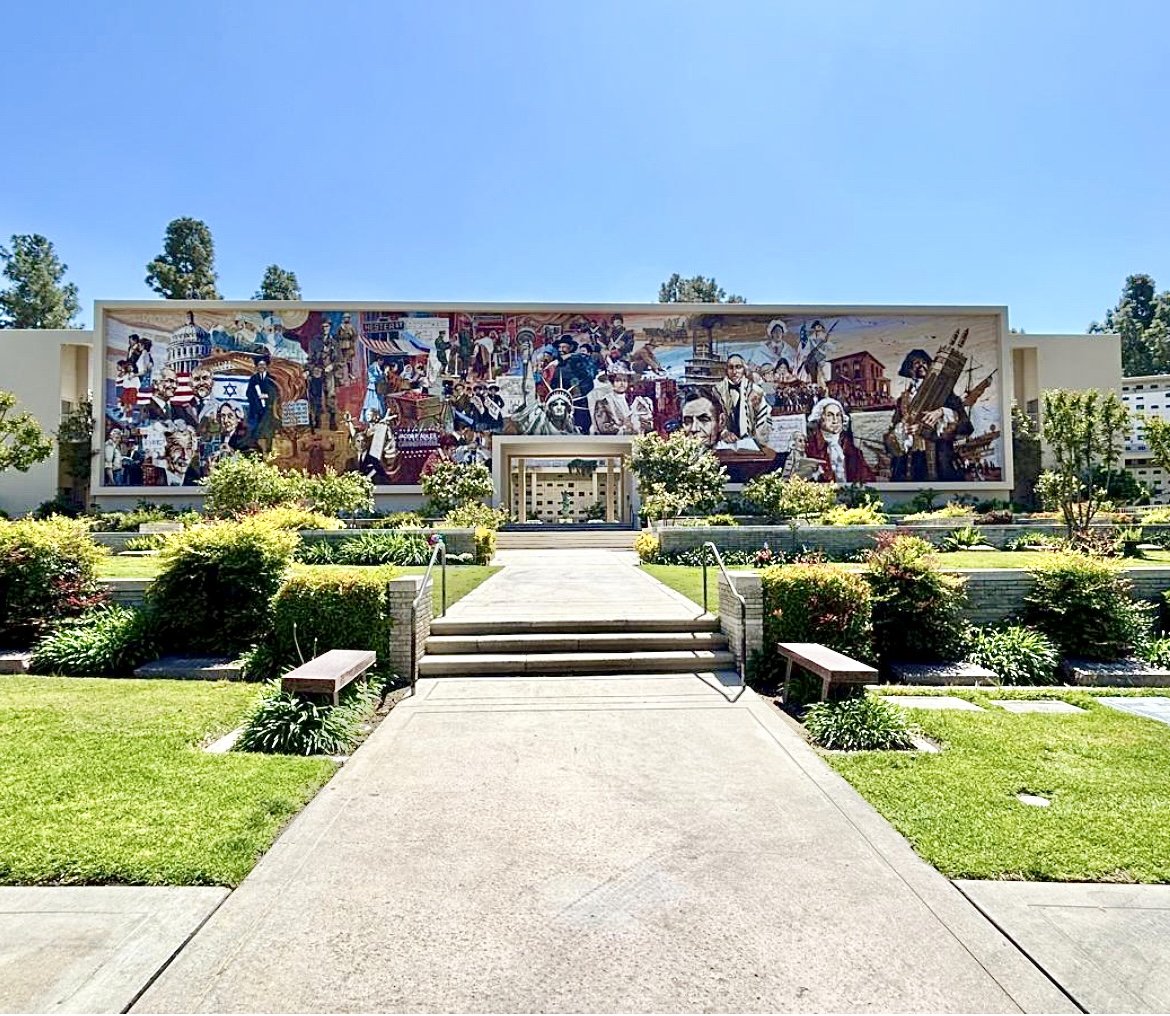
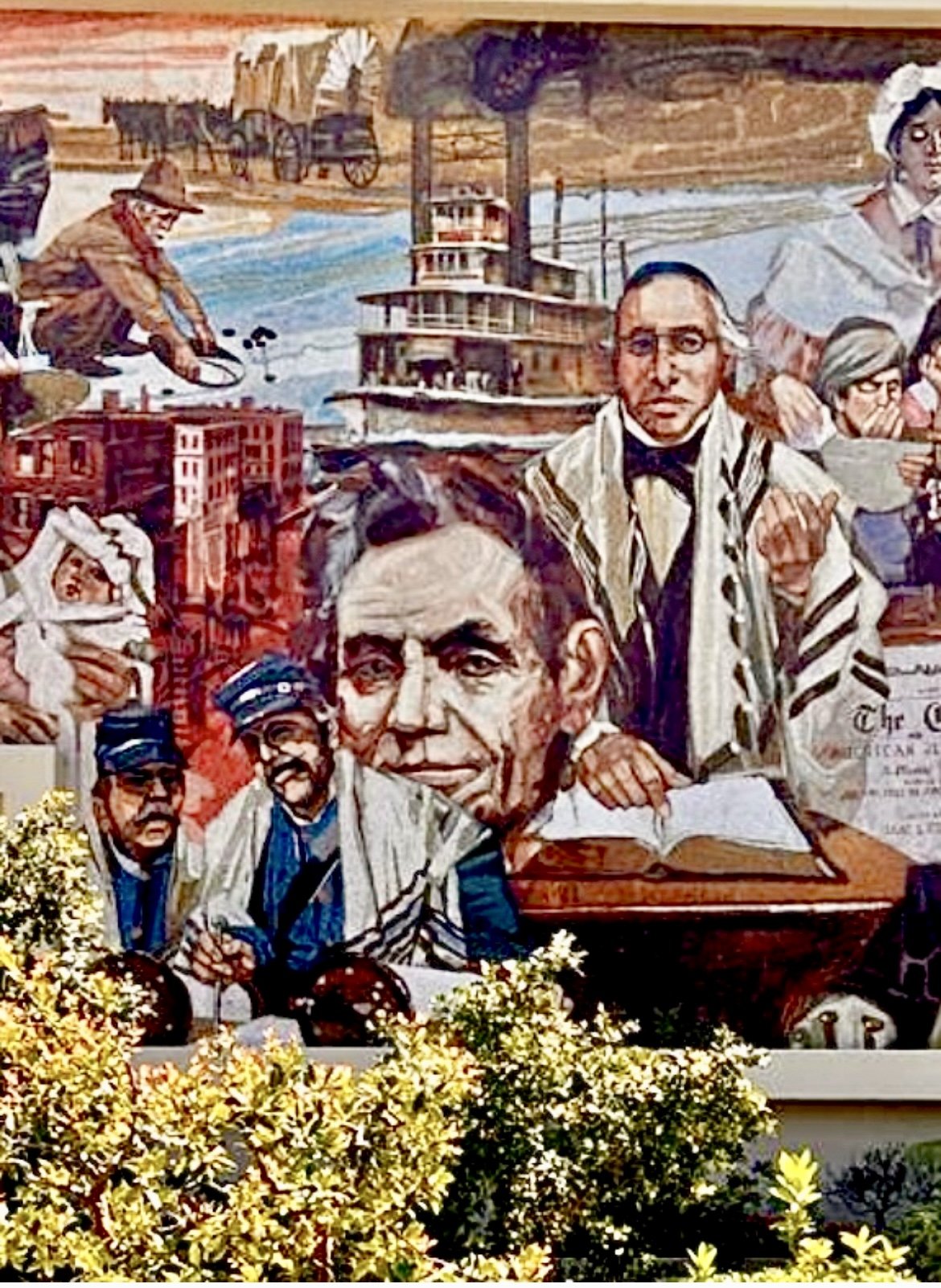
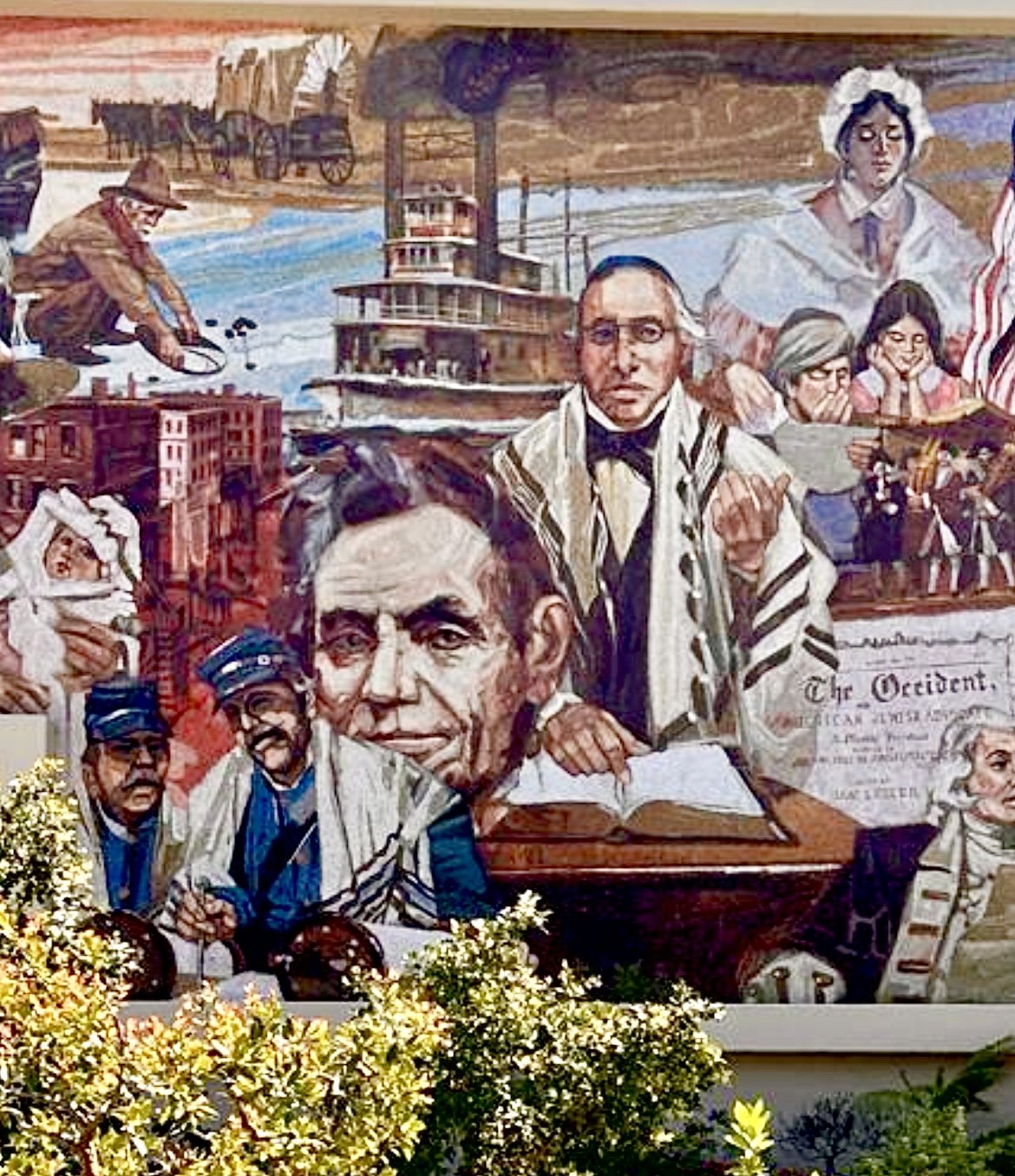
The cemetery’s landscape is adorned with mosaics, sculptures, fountains, and carvings reflecting Jewish history and values (Wikipedia). The Heritage Mosaic is a 45-by-30-foot panorama crafted from 2.5 million pieces of Venetian glass, while the Holocaust Memorial features six carved figures and a central flame in remembrance of the six million Jewish victims and the rebirth of Israel (Alchetron).
Visiting Mount Sinai Memorial Park Cemetery
Visiting Hours
- Sunday–Friday: 8:00 AM to 5:00 PM
- Closed on Saturdays (Shabbat) and Jewish holidays
(Mount Sinai Parks)
Tickets and Entrance Fees
- Admission: Free; no tickets are required for general visitation.
Directions and Accessibility
- Hollywood Hills: 5950 Forest Lawn Drive, Los Angeles, CA 90068
- Simi Valley: 6150 Mount Sinai Drive, Simi Valley, CA 93063
- Parking: Ample free parking at both sites.
- Accessibility: Both locations are wheelchair accessible, with paved paths and accommodations for visitors with mobility needs.
Guided Tours and Special Events
Guided tours are available upon request, focusing on the cemetery’s history, art, and notable interments. Special ceremonies—particularly on Holocaust Remembrance Day and other Jewish observances—are hosted throughout the year.
Travel Tips and Nearby Attractions
- Combine your visit with nearby attractions such as Griffith Park, the Hollywood Bowl, Universal Studios, and the Hollywood Walk of Fame.
- Morning or late afternoon visits are recommended for a quieter experience.
- Bring water and sun protection, especially during summer.
(Klook)
Role in the Entertainment Industry and Notable Interments
Mount Sinai is the final resting place for numerous entertainment icons, including:
- Sid Caesar (comedy pioneer)
- Don Rickles (“Merchant of Venom”)
- Harold Ramis (writer/director/actor)
- June Foray & Paul Frees (voice acting legends)
- Leonard Nimoy (actor, Spock in Star Trek)
- Saul Bass (graphic designer)
- Edith Flagg (philanthropist)
- Milton Berle (“Mr. Television”)
Recent notable interments include Carl Reiner, Norman Lear, and Richard Lewis (Find a Grave; Celebrity Graveland; Ranker).
Jewish Heritage and Religious Traditions
Mount Sinai upholds Jewish burial laws (halacha) and customs, providing options for traditional ground plots, private family estates, wall crypts, and certified green burials. The cemetery closes every Saturday for Shabbat, reinforcing its religious character (Mount Sinai Cemetery Property).
Natural Burial and Environmental Stewardship
The Simi Valley site features Teva, a certified green burial section, where only biodegradable materials are used and natural landscaping is emphasized. This reflects the Jewish principle of returning the body to the earth (Mount Sinai Natural Burial).
Community Significance and Inclusivity
Mount Sinai serves as a communal institution, hosting memorial services and gatherings for all branches of the Jewish community. Inclusive burial options accommodate diverse backgrounds and observance levels (Mount Sinai Interment Options).
Symbolism in Landscape and Memorial Design
The cemetery’s design incorporates olive trees (symbolizing peace), stone walls, and drought-resistant plants. Memorials are intentionally modest, reflecting Jewish values of humility and equality (Mount Sinai Natural Burial Area).
Visitor Etiquette and Cultural Considerations
- Dress modestly and maintain a respectful demeanor.
- Place small stones, not flowers, on graves as a sign of remembrance. Complimentary pebbles from Jerusalem are provided (Mount Sinai Parks – FAQs).
- Non-Jewish visitors are welcome, but non-Jewish symbols may not be displayed.
Services and Amenities
- Knowledgeable on-site staff
- Restrooms and shaded seating areas
- Wheelchair accessibility
- Cemetery maps for locating notable graves
- Advance planning and educational resources (Mount Sinai Parks – FAQs)
Guidelines for Attending Services
Funeral and memorial services are typically brief and simple. Visitors should arrive punctually, dress respectfully, and follow the guidance of family members and officiants.
Photography and Visitor Conduct
Photography is permitted for personal use but should be done discreetly and without disturbing other visitors or ongoing services.
Environmental and Sustainability Initiatives
Mount Sinai’s Simi Valley Teva section is certified by the Green Burial Council, supporting natural burial methods and environmental stewardship (Klook – Green Burial Practices).
Contact Information and Further Assistance
For additional information, directions, or specific inquiries:
- Phone: 800-600-0076
- Online contact form: Mount Sinai Parks – FAQs
Frequently Asked Questions (FAQ)
Q: What are the visiting hours?
A: Sunday–Friday, 8:00 AM to 5:00 PM; closed on Saturdays (Shabbat) and Jewish holidays.
Q: Is there an admission fee or ticket required?
A: No, admission is free.
Q: Is the cemetery wheelchair accessible?
A: Yes, both sites have paved paths and ramps.
Q: How do I find a specific grave?
A: Request a map at the office or use online grave locator tools.
Q: Are guided tours available?
A: Yes, by request; contact the cemetery office for details.
Q: Can non-Jewish visitors attend?
A: Yes, but non-Jewish symbols may not be displayed.
Visual and Interactive Elements
Recommended visuals include:
- Heritage Mosaic (alt: “Heritage Mosaic at Mount Sinai Memorial Park Cemetery”)
- Caves of Abraham (alt: “Caves of Abraham hillside graves”)
- Holocaust Memorial (alt: “Holocaust Memorial by Bernard Zakheim”)
- Green Burial section Teva (alt: “Green Burial section Teva at Mount Sinai”)
Interactive maps and virtual tours are available on the official website.
Summary of Key Visitor Information and Travel Tips
Mount Sinai Memorial Park Cemetery is a model of tradition and innovation—honoring Jewish customs, embracing environmental stewardship, and serving as a significant cultural and historical site in Los Angeles. Free admission, wheelchair accessibility, and thoughtful amenities make it welcoming to all. For the latest information, consult the official website and consider downloading the Audiala app for guided tours.
Listen to the full story in the app
The whole Mount Sinai Memorial Park Cemetery,
told well.
Listen to sourced travel stories with local history and practical context — ready offline.
Verified, and shown.
Researched and written by the Audiala editorial team from historical records, architectural archives, and local expertise.
Built from cited sources · see the method · How we make our guides →