Plan and listen to Mayan Theater with Audiala.
Audio guide in your pocket, itinerary in your browser. Built for the way you actually visit.
Introduction
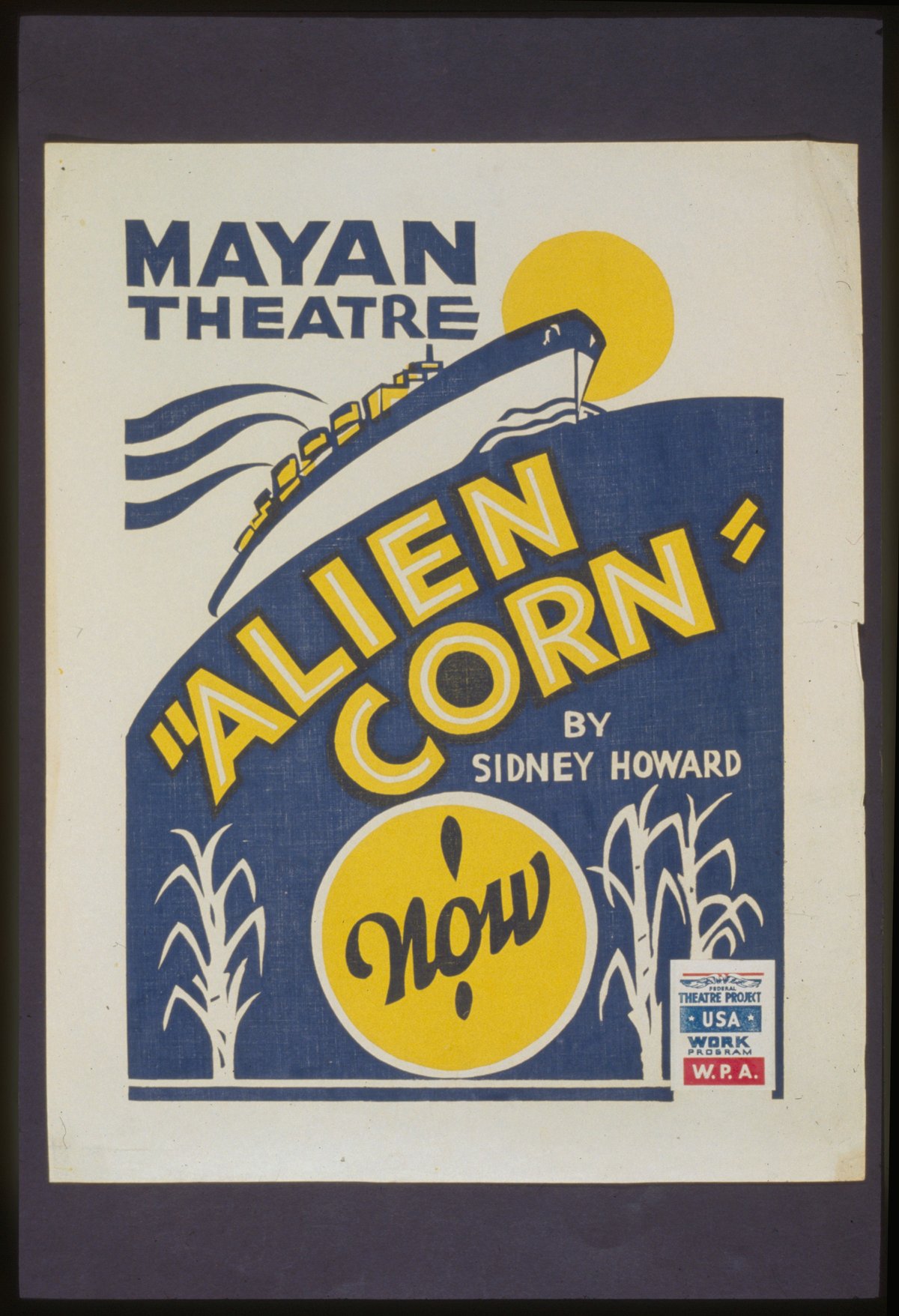
Nestled in the vibrant heart of downtown Los Angeles, the Mayan Theater is a captivating testament to the city’s rich cultural heritage and innovative architectural landscape. Since its grand opening in 1927, the Mayan has evolved alongside Los Angeles, transitioning from a venue for live performances to a cinema, a hub for Latino culture, an adult film theater, and, today, a celebrated nightclub and concert hall. The theater’s Mayan Revival architecture, brought to life by sculptor Francisco Cornejo, features intricate motifs such as hieroglyphics, serpent heads, and an Aztec calendar stone chandelier. These elements immerse visitors in an environment where history and modernity are seamlessly intertwined.
This guide provides comprehensive information for visitors, including practical details on visiting hours, ticket purchasing, accessibility, transportation, and insights into nearby attractions. Whether you are keen to experience a live event or wish to marvel at one of Los Angeles’ most treasured landmarks, the Mayan Theater offers a unique entry point into the city’s artistic and historical fabric. For up-to-date event schedules and ticketing, visit the official Mayan Theater website or trusted ticketing platforms (Cinema Treasures, DTLA Weekly).

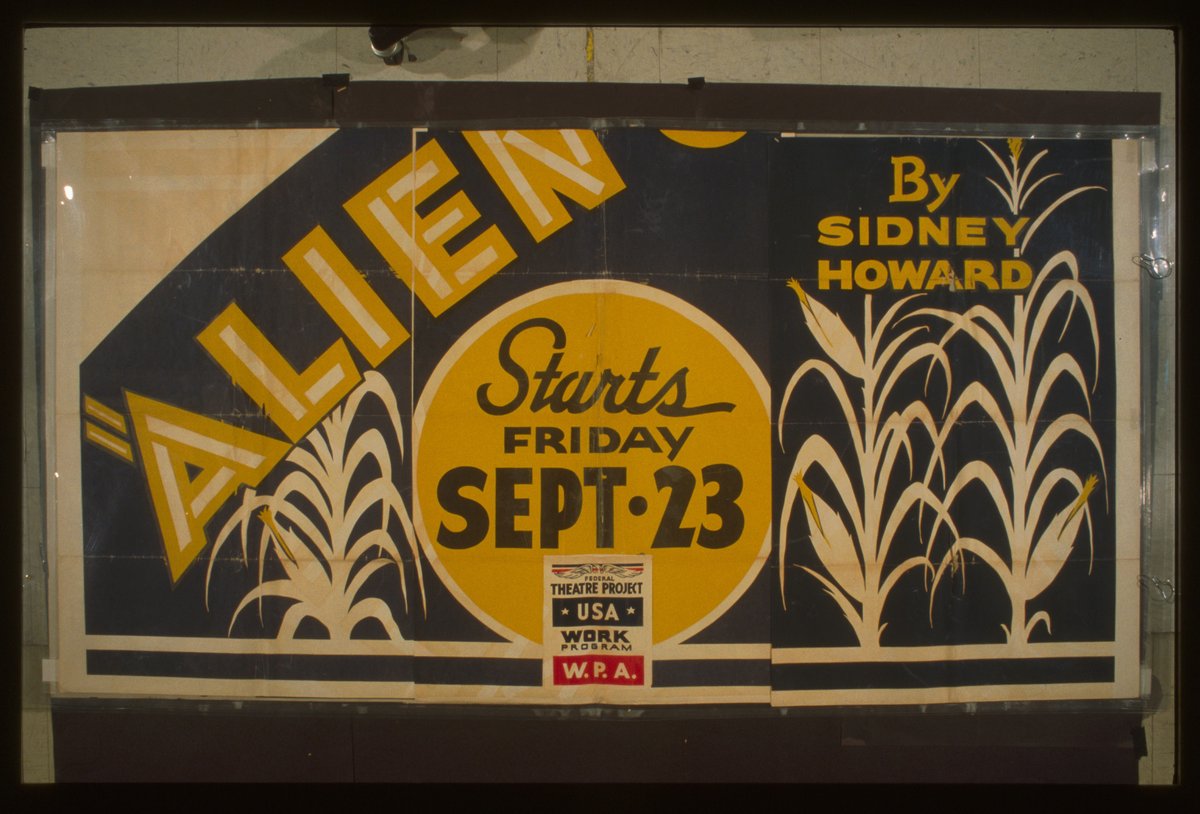
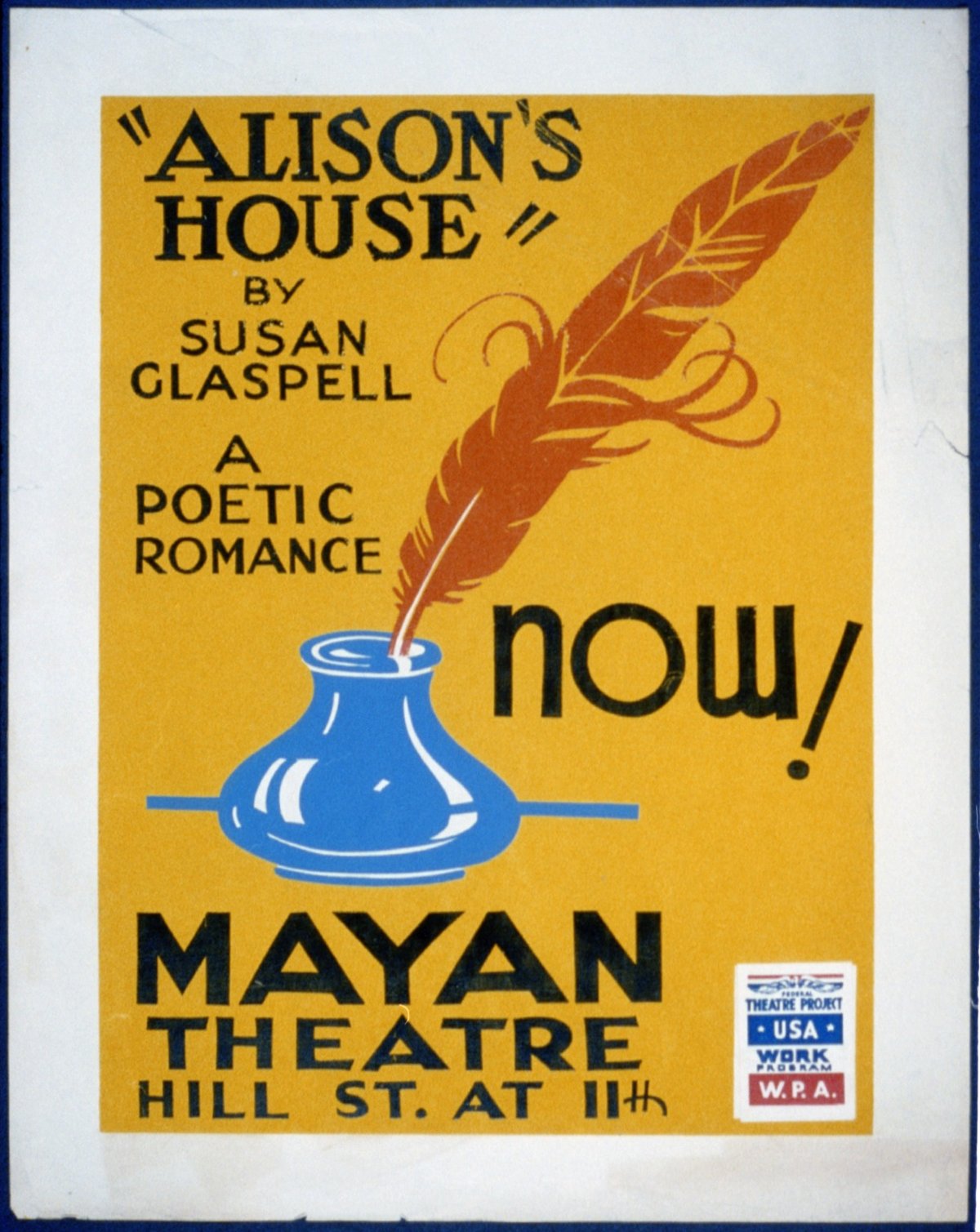
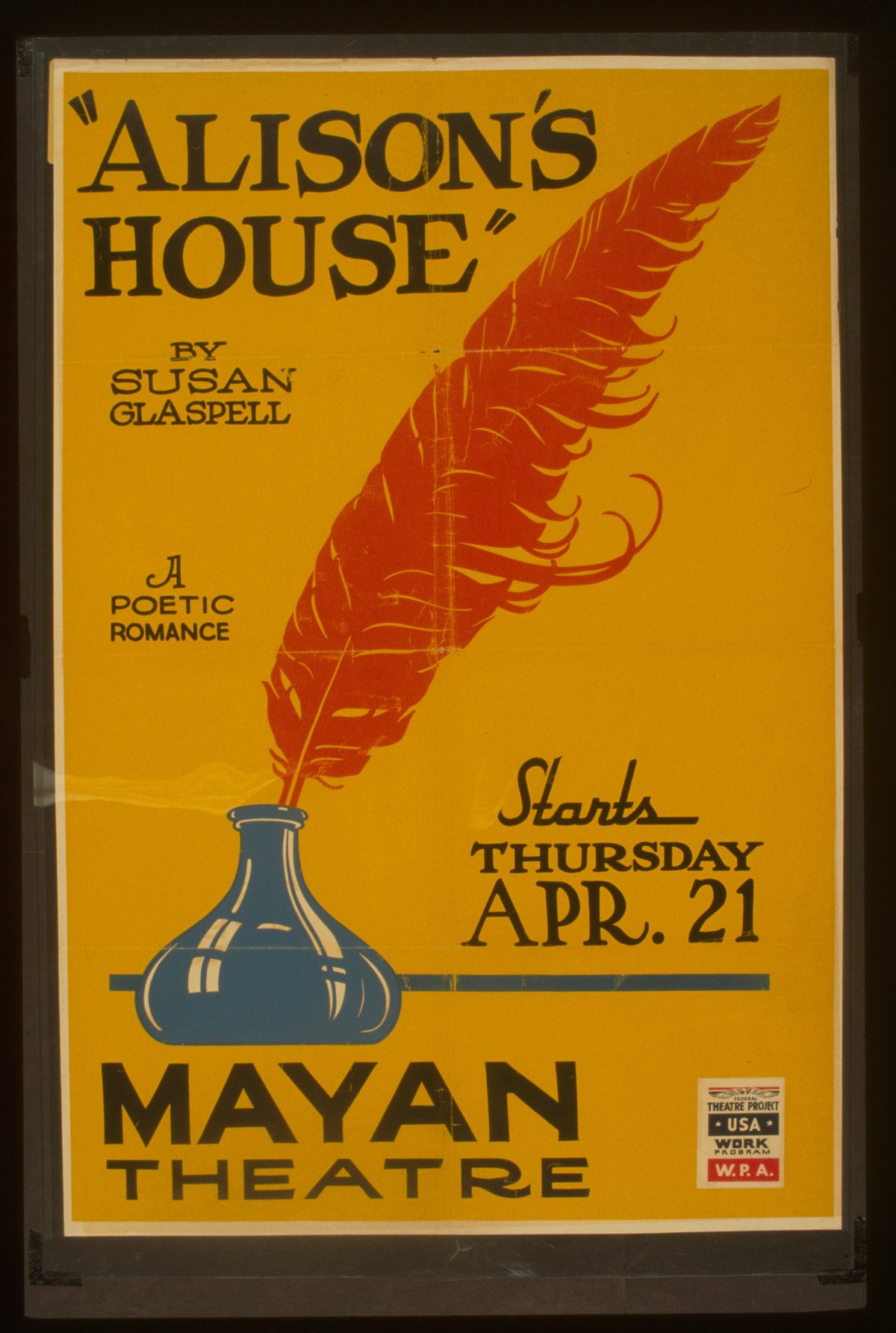
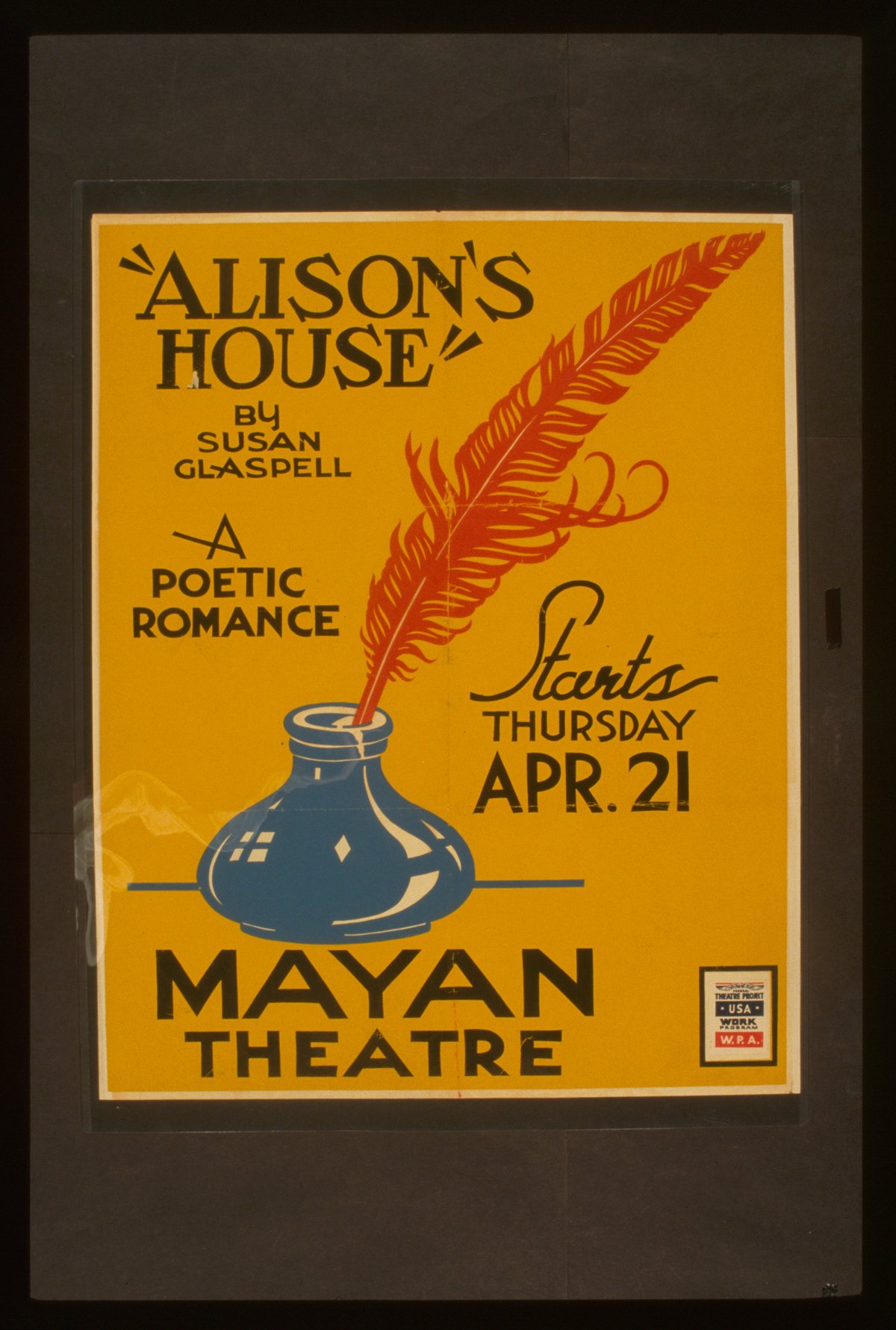
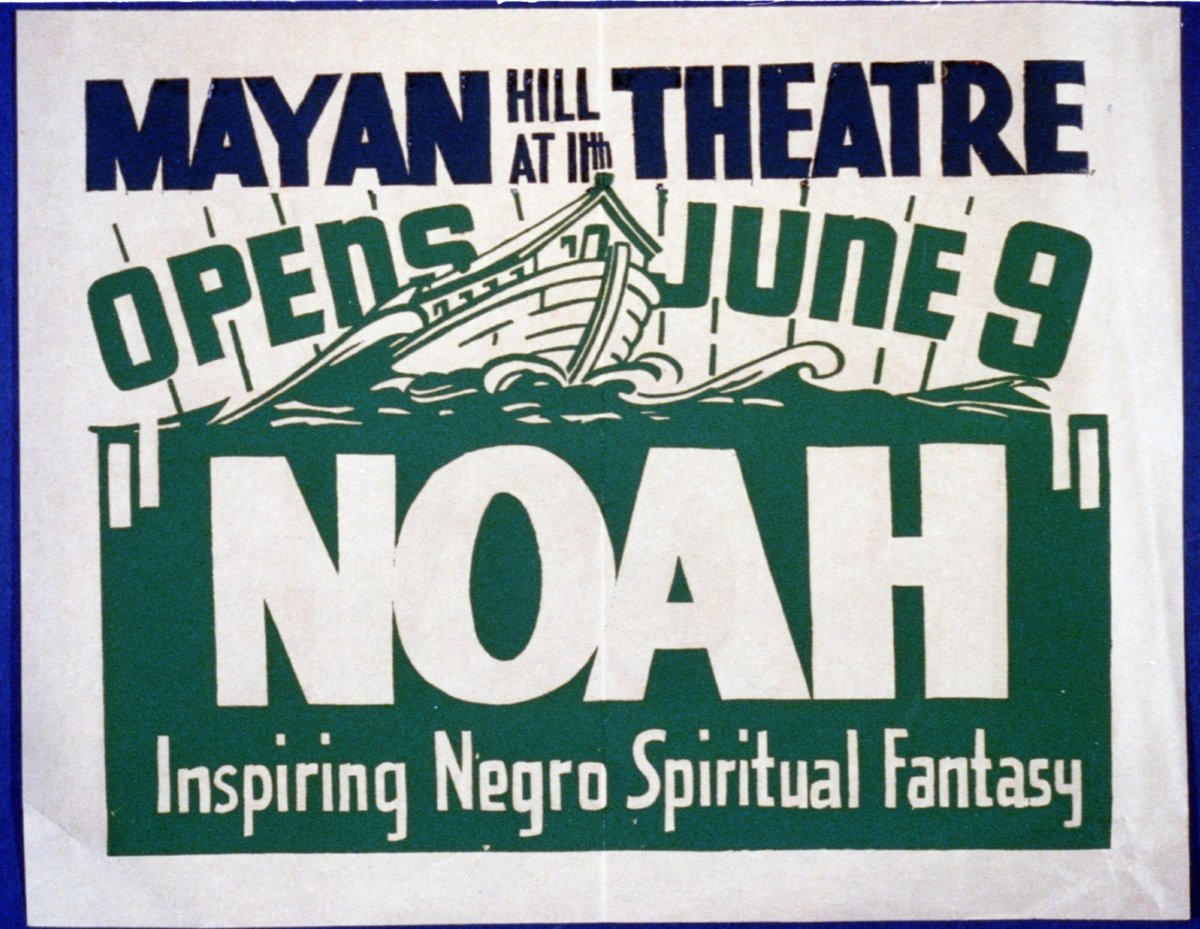
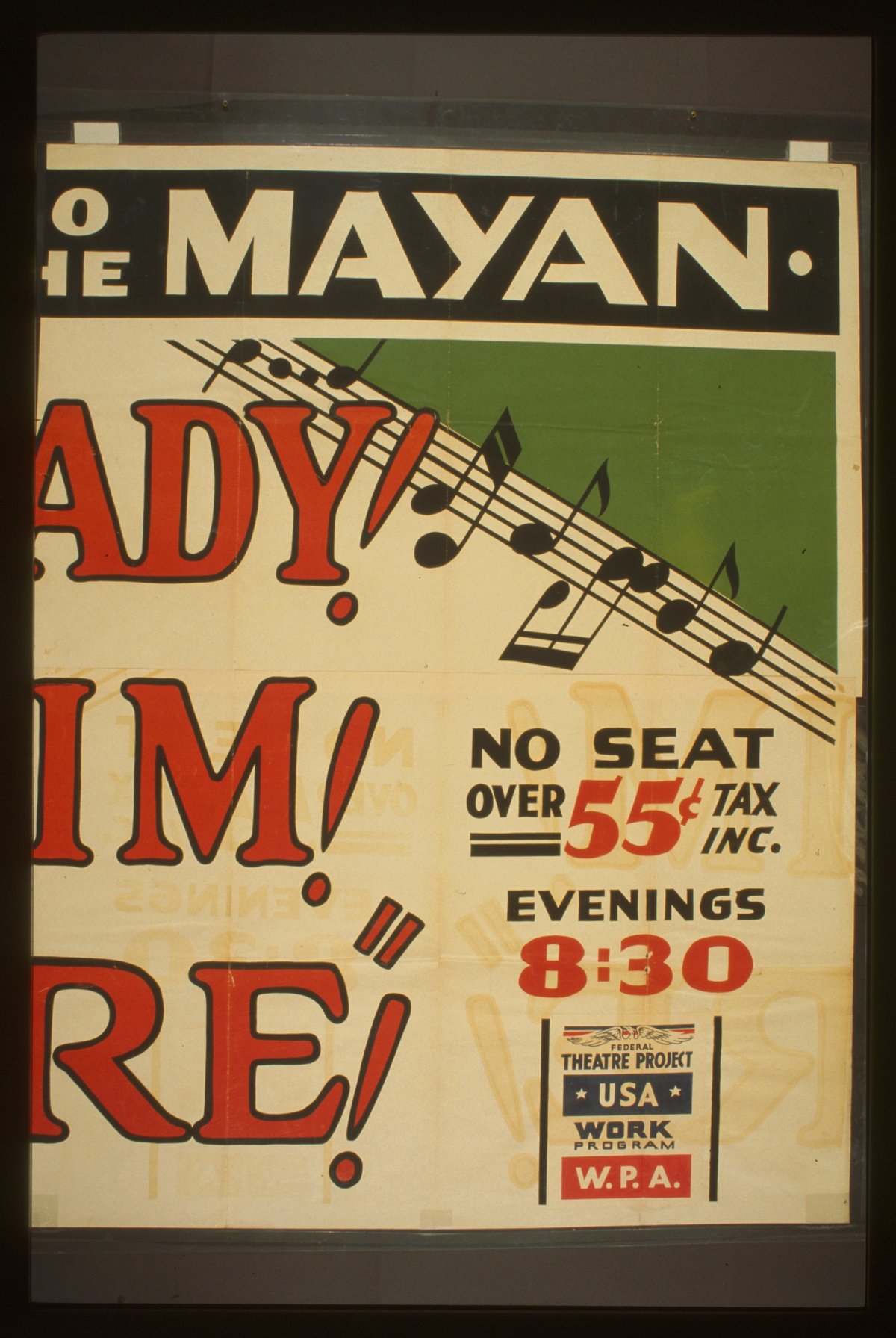
Origins and Architectural Significance
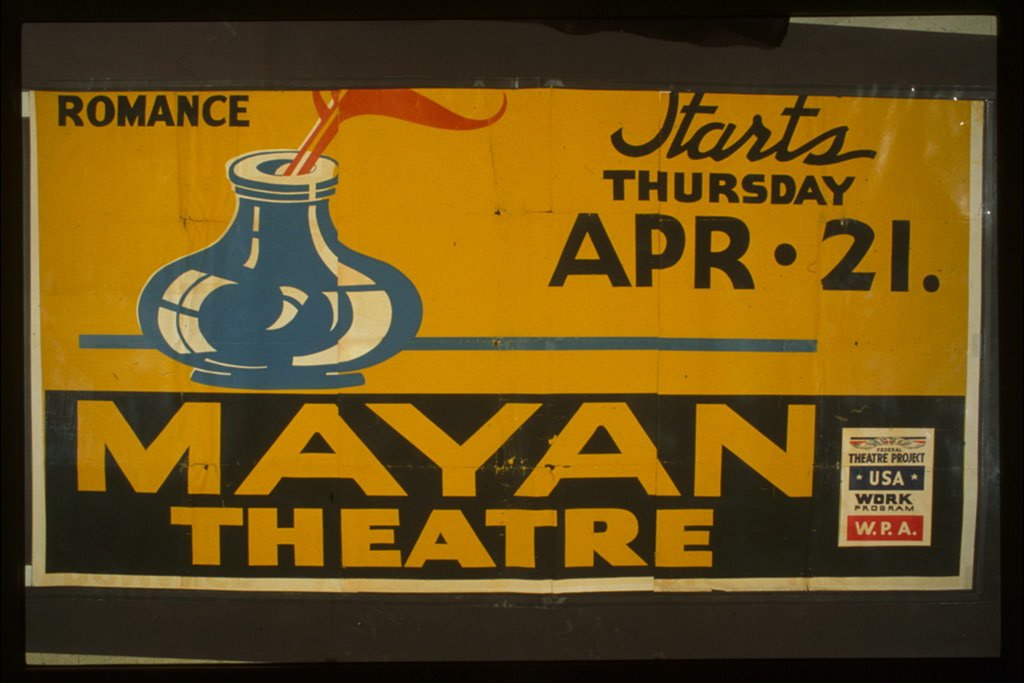
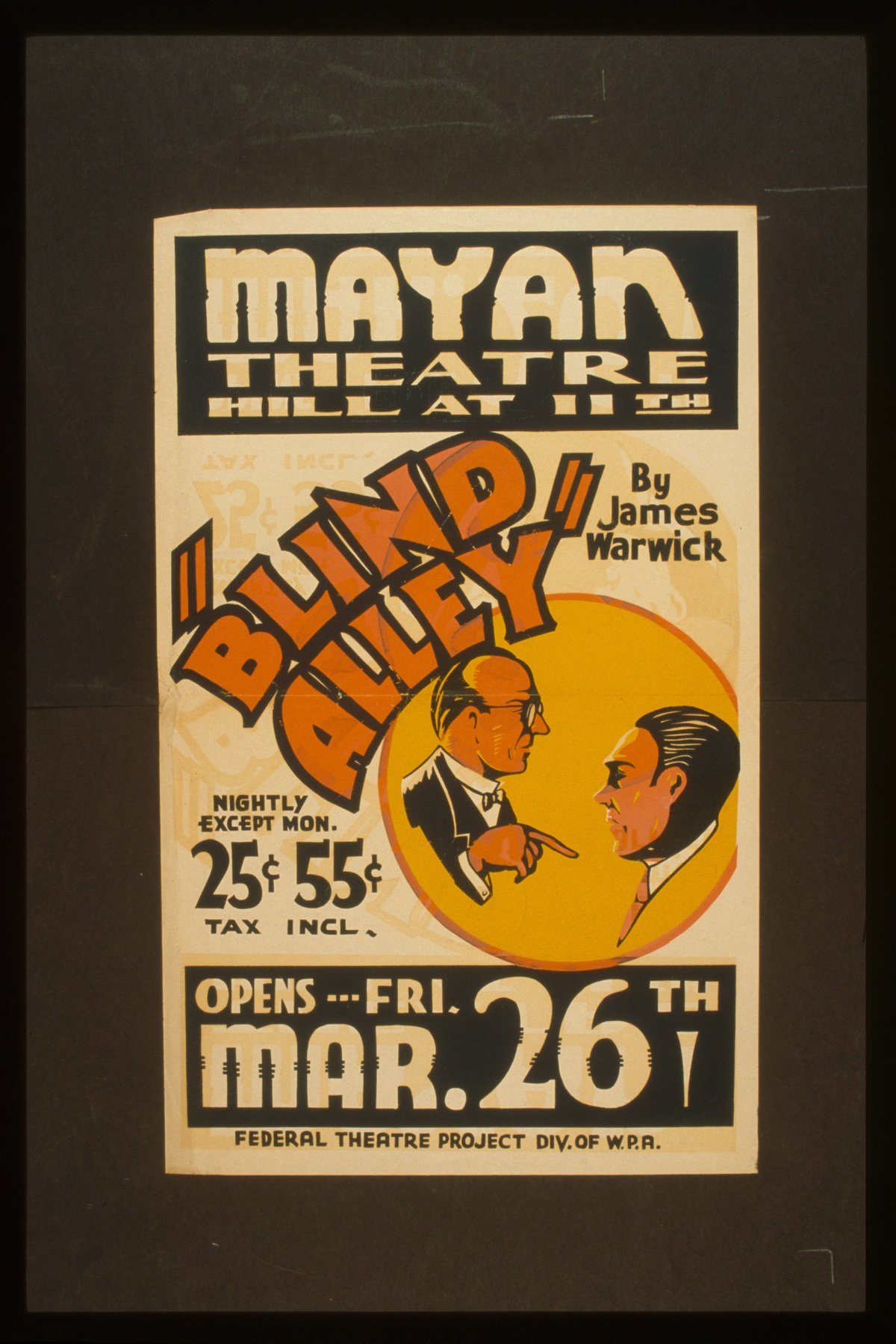
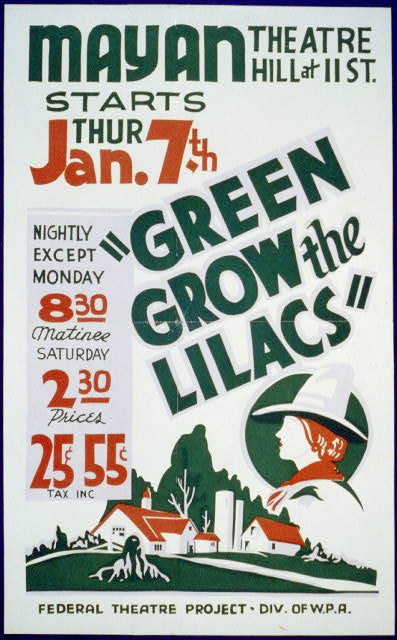
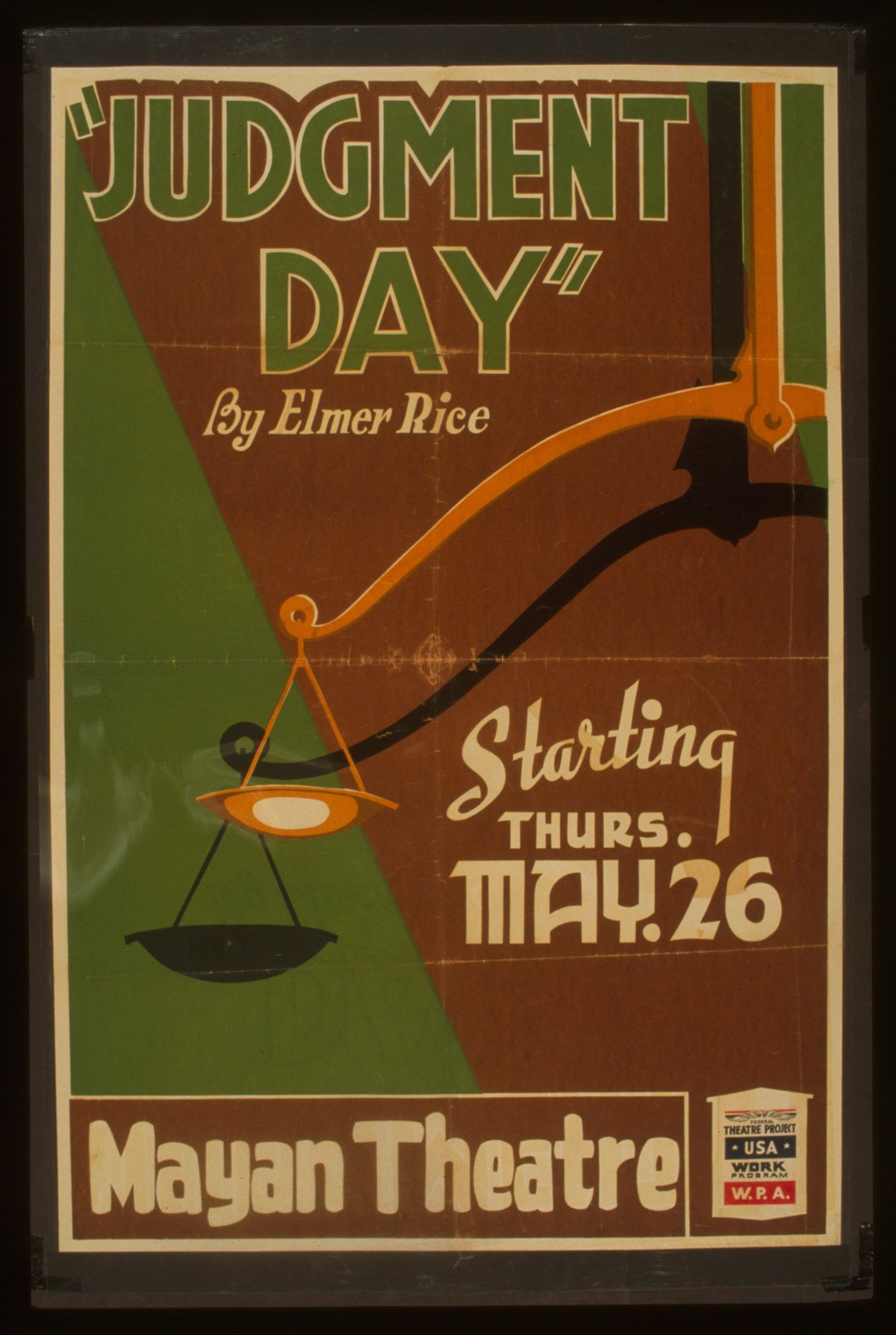
Commissioned by oil magnate Edward Doheny and designed by Morgan, Walls & Clements, the Mayan Theater debuted on August 15, 1927, with the musical comedy “Oh Kay!” (Cinema Treasures). Its design is among the finest examples of Mayan Revival architecture in the United States. Francisco Cornejo, the Mexican-born sculptor behind its distinctive look, infused both the exterior and interior with authentic Mesoamerican motifs, including deities, glyphs, feathered serpents, and imposing warrior statues (DTLA Weekly). The grand chandelier, modeled after an Aztec calendar stone, highlights the theater’s artistic vision (Cinema Treasures).
Evolution Through the Decades
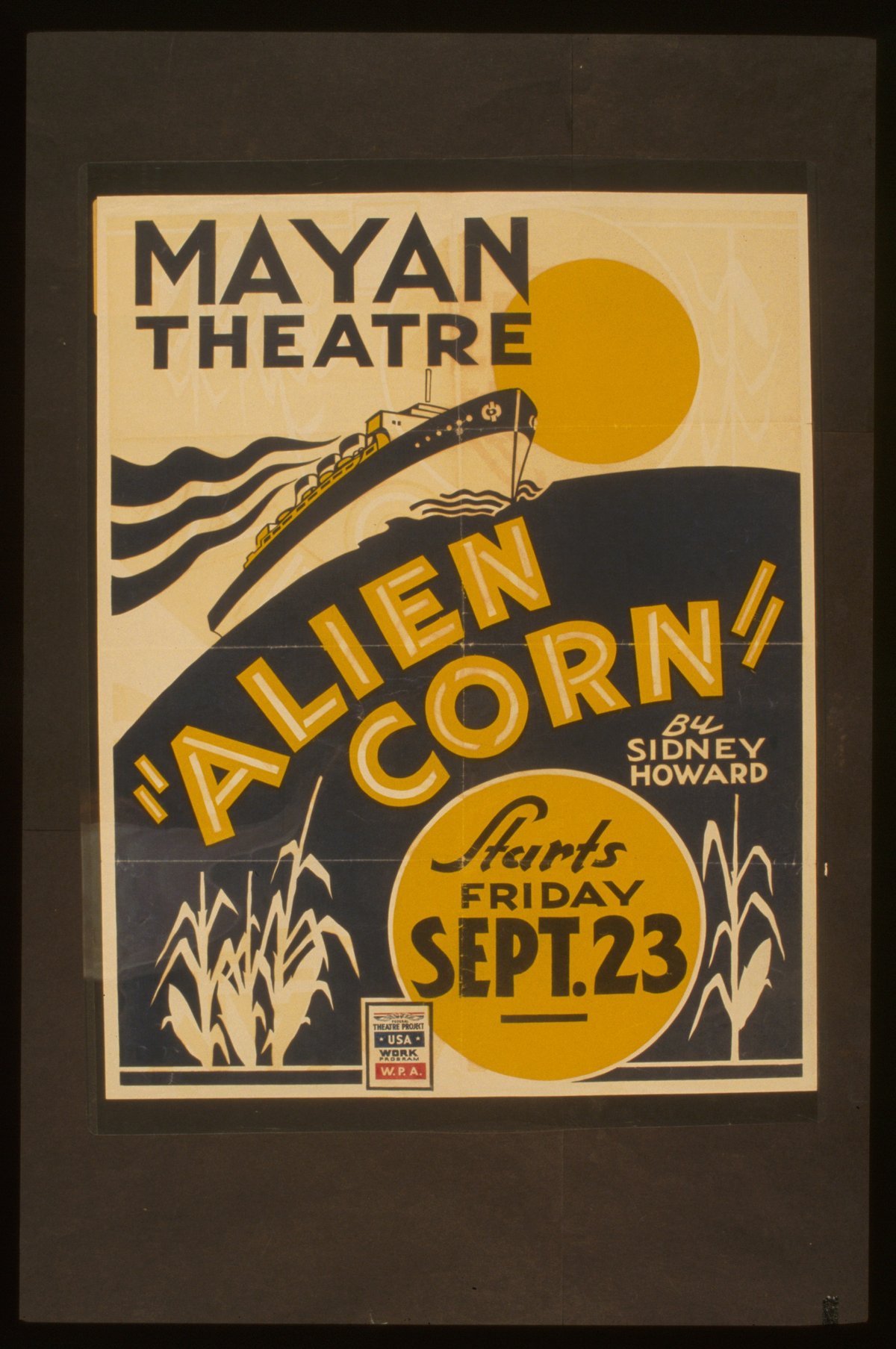
- Transition to Cinema (1930s–1960s): By 1929, the Mayan began showing first-run movies and hosted landmark performances, such as Duke Ellington’s “Jump for Joy” in 1941 (DTLA Weekly).
- Spanish-Language Era (1950s): Francisco Fouce’s 1947 purchase brought Spanish-language films and performances, cementing the Mayan’s place in LA’s Latino entertainment scene (Cinema Treasures).
- Adult Cinema and Decline (1969–1980s): The theater became an adult cinema complex in 1968 but retained its unique architectural beauty (Cinema Treasures).
- Preservation and Nightclub Era (1990–Present): Renovated by Sammy Chao in 1989, the Mayan was reborn as a nightclub and concert venue. Today, it is recognized as a Historic Cultural Monument and continues to host a diverse range of events (DTLA Weekly).
Planning Your Visit
Location and Access
The Mayan Theater is located at 1038–1040 S. Hill Street, Los Angeles, CA 90015 (Official Ticketmaster Mayan Theater), making it accessible from all major city districts.
- Public Transit: The Metro Blue and Expo Lines stop at Pico Station (a 10-minute walk away), and the Red and Purple Lines serve Pershing Square Station nearby.
- Parking: Multiple paid lots and garages are available within several blocks, with rates ranging from $10 to $25. Metered street parking is limited—arrive early to secure parking (The Evolista).
Visiting Hours
The Mayan operates primarily as an event venue. Doors typically open 60–90 minutes before scheduled shows or concerts. There are no fixed public visiting hours outside of events. Always check the official website or ticket platforms for up-to-date schedules.
Tickets
Tickets are available through the official site, Ticketmaster, and authorized sellers. Prices vary by event, with general admission usually ranging from $25 to $40. VIP and reserved seating options are available for select events. Advance purchase is recommended for popular events.
Visitor Experience
Venue Atmosphere and Amenities
Entering the Mayan Theater is a step into another world. The soaring ceilings, ornate columns, vibrant murals, and dramatic lighting showcase Mayan Revival artistry. The layout includes a main floor, mezzanine, VIP lounges, and multiple bars offering a wide selection of beverages. Restrooms are available on both main and mezzanine levels. While food options inside are limited, Downtown LA’s diverse dining scene is just steps away (The Evolista).
Accessibility
The Mayan Theater is wheelchair accessible, with ramps and designated seating. For special accommodations, contact the venue ahead of your visit.
Entry Policies
- Dress Code: Varies by event; club nights may encourage stylish or themed attire; concerts are generally casual.
- ID & Security: Valid photo ID required for 21+ events. Security screenings, bag checks, and metal detectors are standard.
- Prohibited Items: Large bags, outside food/drinks, and professional cameras are not permitted. Smartphone photography is generally allowed unless stated otherwise.
Programming and Events
The Mayan hosts a range of live concerts, DJ nights, themed dance parties, private events, and occasional theatrical performances. Its acoustics and lighting systems are state-of-the-art, creating an intimate yet energetic setting for up to 1,700 guests. The venue is also a favorite for film shoots and corporate events due to its visually striking ambiance.
Architectural Highlights
Mayan Revival Style
The Mayan is one of the most distinguished examples of Mayan Revival architecture, a style that flourished in California during the 1920s (PCAD). Its façade features geometric forms, stepped pyramids, and stylized reliefs crafted in concrete and stucco, all meticulously designed by Francisco Cornejo (ilivewhereiam.com).
Interior Details
Inside, guests encounter a grand lobby with polychrome plasterwork, carved panels, and murals. The proscenium arch is adorned with symbolic bas-reliefs, and the auditorium’s centerpiece chandelier is modeled after an Aztec calendar stone (PCAD). The bold color palette and carefully designed lighting highlight both the architecture and the sculptural details (Discover Los Angeles).
Notable Spaces
The theater originally seated 1,491, but its flexible layout now accommodates standing-room events and private functions. Special events often make use of the basement and balcony levels, showcasing the full range of architectural features (Exotikon).
Cultural Significance
The Mayan has played a pivotal role in Los Angeles’ multicultural scene, supporting Latino arts, African American performers, and contemporary music. Its influence extends into the city’s architectural and social landscape, inspiring the use of indigenous American motifs in modern design (Art in Context). Its adaptive reuse as a nightclub and concert venue illustrates how historic sites can remain relevant and vital.
Nearby Attractions
Downtown Los Angeles offers a wealth of attractions within walking distance of the Mayan Theater, including:
- Bradbury Building
- Los Angeles Theatre
- Pershing Square
- Walt Disney Concert Hall
- The Broad Museum
For dining and nightlife, explore LA Live, the Arts District, and Little Tokyo (The Evolista).
Practical Tips
- Weather: Downtown LA is generally warm; dress appropriately if waiting outside.
- Lost & Found: Contact theater staff promptly for lost items.
- Safety: Security is present during events; exercise standard urban safety precautions.
- Photography: Professional equipment is restricted; smartphone use is usually permitted.
Frequently Asked Questions (FAQs)
Q: What are the Mayan Theater’s visiting hours?
A: The theater opens 60–90 minutes before scheduled events; no general public hours outside of events.
Q: Where can I buy tickets?
A: Tickets are available through the official website or platforms like Ticketmaster.
Q: Is the Mayan Theater ADA accessible?
A: Yes, including ramps and designated seating.
Q: Can I take photos inside?
A: Yes, with a smartphone; professional photography is generally restricted.
Q: Are guided tours available?
A: Tours are occasionally offered during special events; check the website for details.
Q: Are children allowed?
A: Admission policies vary; check event details for age restrictions.
Listen to the full story in the app
The whole Mayan Theater,
told well.
Listen to sourced travel stories with local history and practical context — ready offline.
Verified, and shown.
Researched and written by the Audiala editorial team from historical records, architectural archives, and local expertise.
Built from cited sources · see the method · How we make our guides →