
History and Cultural Significance
Origins and Development
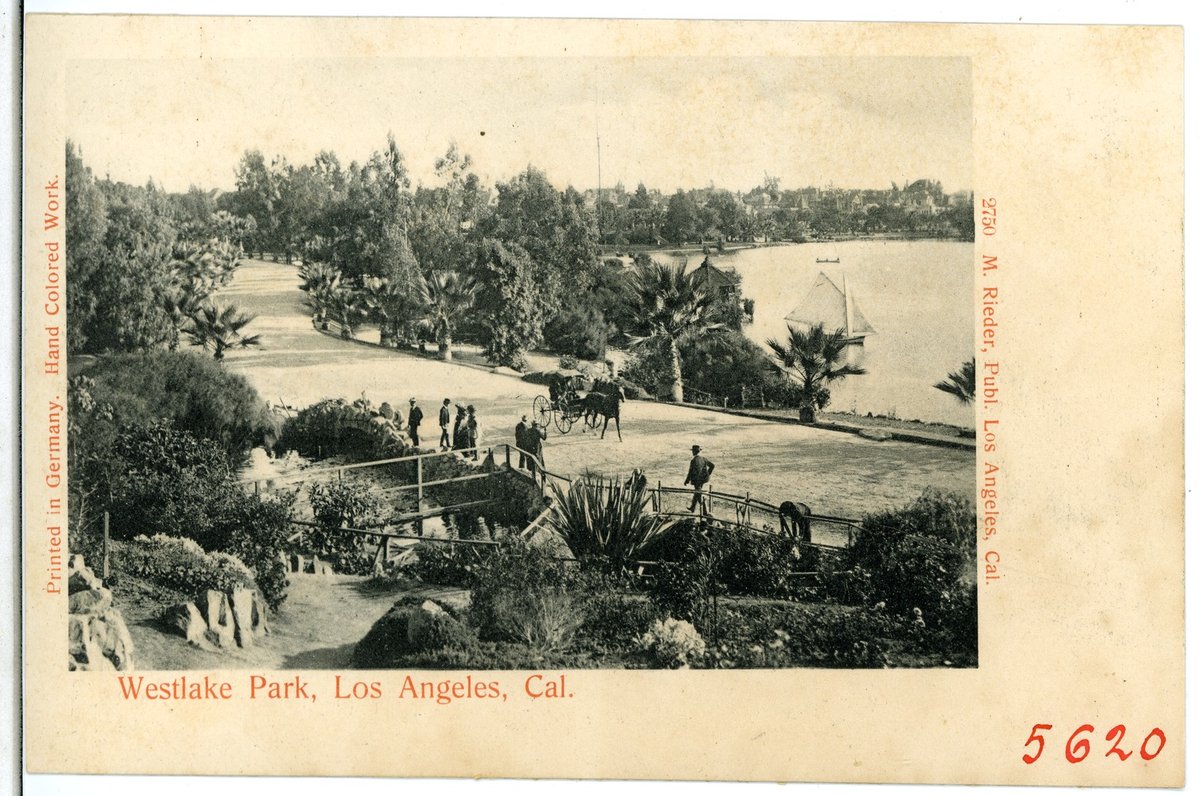
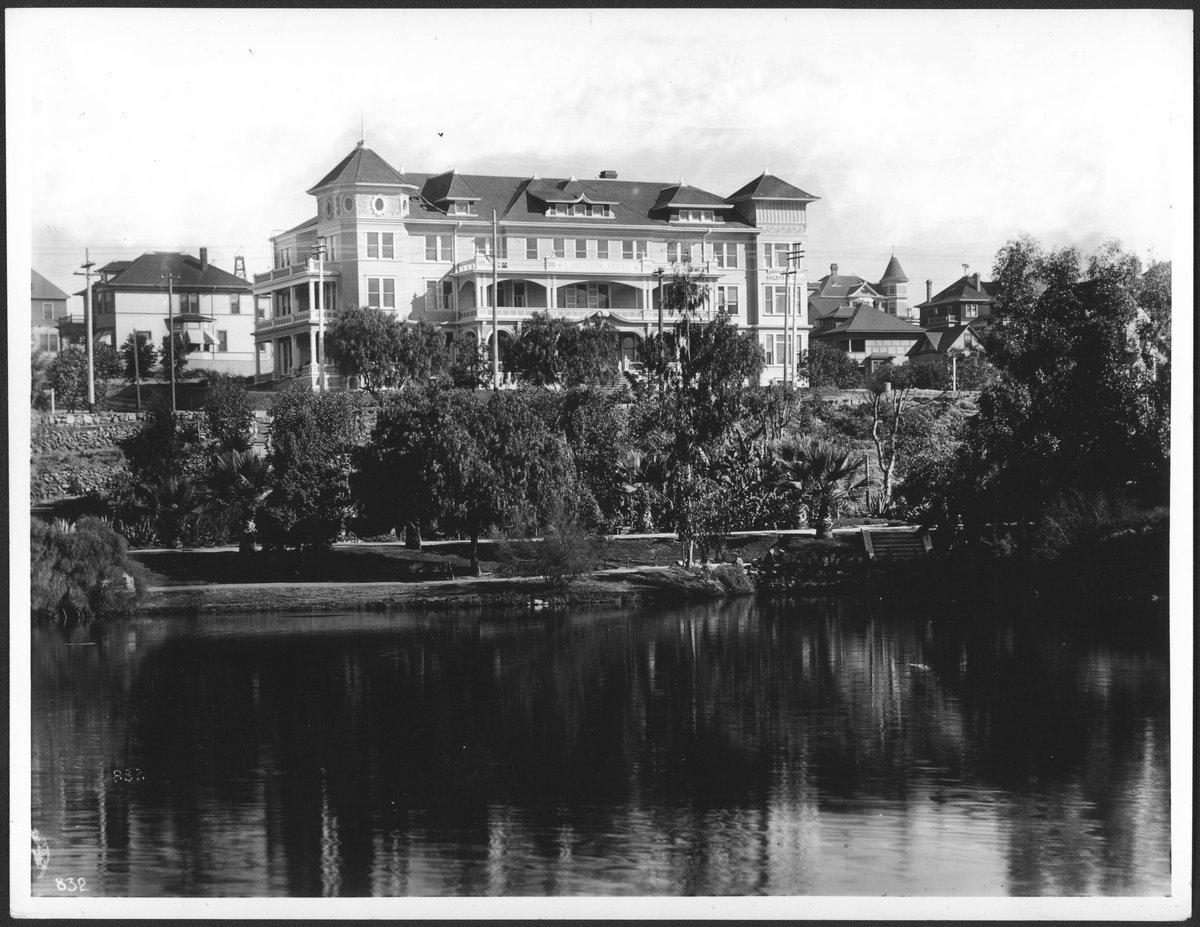
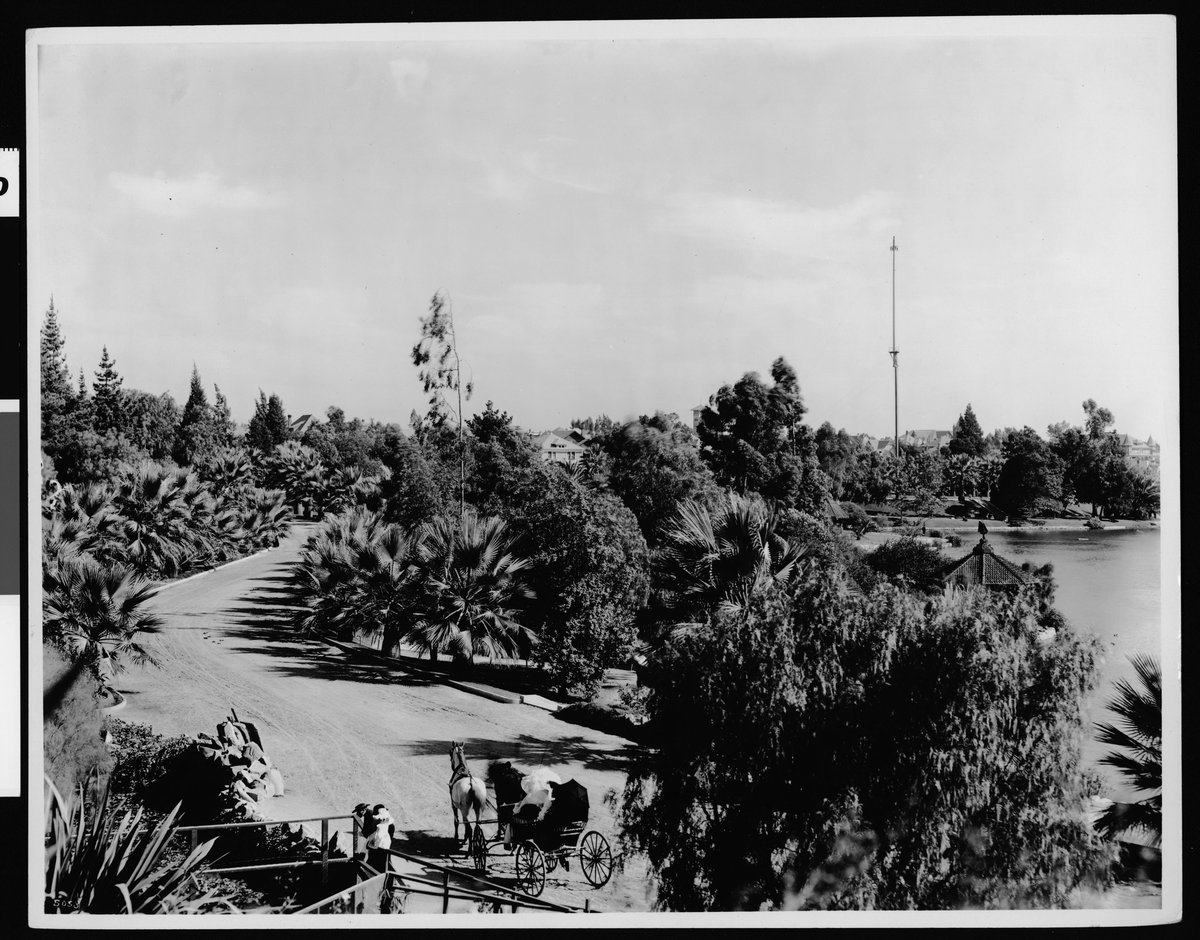
MacArthur Park began as Westlake Park in the late 1800s, quickly becoming a fashionable destination for Los Angeles’ burgeoning population. By 1910, it attracted half a million annual visitors, drawn by its spring-fed lake, lush landscaping, and tranquil setting. The park’s early years were marked by grand mansions, prominent cultural institutions like the Otis Art Institute, and a reputation as the city’s “Central Park.”
(Curbed LA, Wikipedia)
Transformation and Demographic Shifts
The 1934 extension of Wilshire Boulevard split the park and changed its character, making it more accessible but also introducing urban pressures. In 1942, the park was renamed in honor of General Douglas MacArthur, a decision reflecting the impact of World War II on local and national identity.
(LA Conservancy)
Throughout the latter half of the 20th century, the park became a cultural crossroads, shaped by waves of immigration—particularly from Central America—and evolving into a vibrant, densely populated neighborhood. Murals, street food vendors, and community festivals reflect this diversity, while the park’s role as a gathering place for activism and celebration continues today.
(PBS SoCal)
Artistic and Musical Heritage
MacArthur Park has inspired generations of artists and musicians, famously serving as the subject of Jimmy Webb’s 1968 hit “MacArthur Park.” The Levitt Pavilion, established in 2007, reinvigorated the area as a center for free live music and community events, hosting over 50 concerts annually.
(Levitt Pavilion LA)
Landmarks and Monuments
Notable features include the General Douglas MacArthur monument, the Entry Arch, the Hungarian Freedom Fighters Memorial, and the General Harrison Gray Otis statue. Public art installations and murals throughout the park narrate its layered social and artistic history.
(Wikipedia, The MacArthur Building)
Park Layout, Amenities, and Natural Features
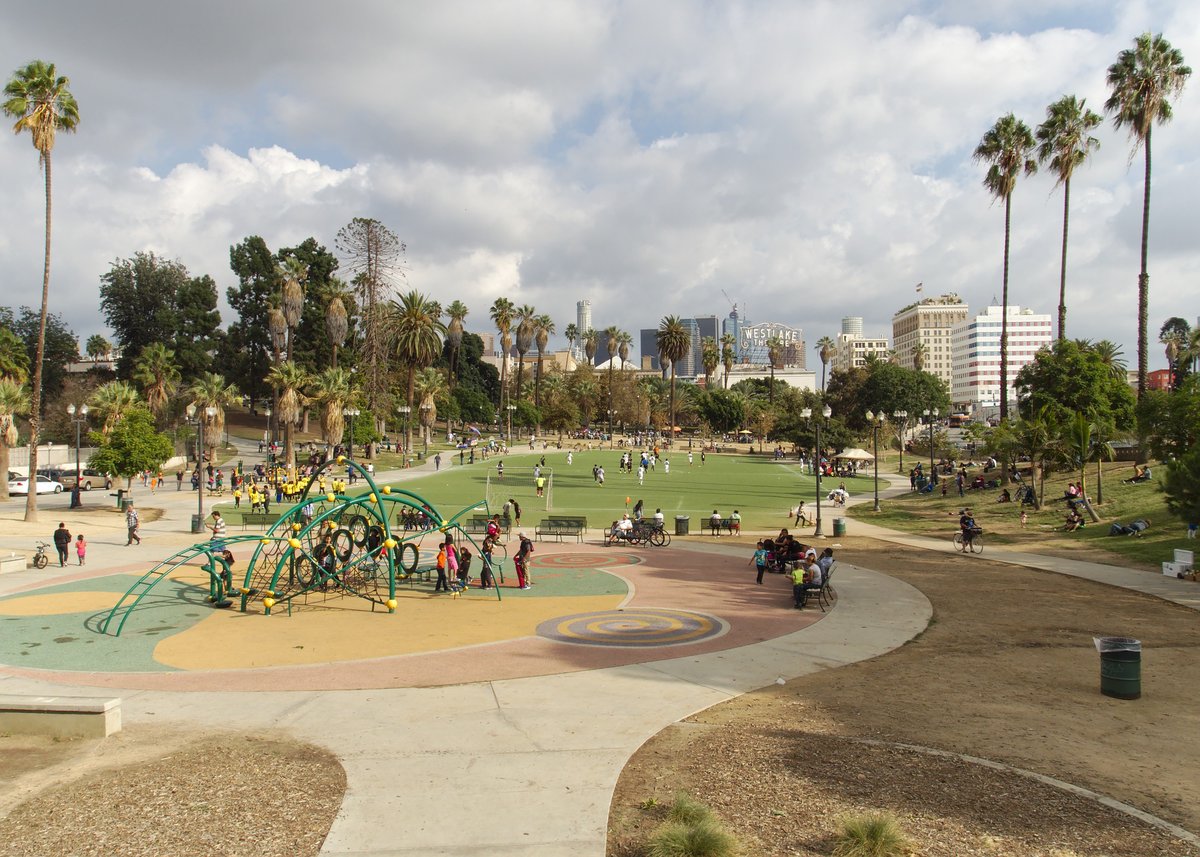
- Divided by Wilshire Boulevard The park has two main sections—the more active and family-friendly southern section and a quieter northern area.
- Central Lake The 8-acre artificial lake is home to ducks, geese, and, in season, paddle boats.
- Walking and Jogging Paths Paved, wheelchair-accessible routes loop around the lake, offering city views and space for exercise.
- Playground & Recreation Children’s playgrounds, open lawns, and informal sports areas are available.
- Picnic Areas Shaded spots and picnic tables are scattered throughout the park.
- Public Art The bandshell murals, statues, and community art projects add visual interest and celebrate local heritage.
Visiting Hours, Admission, and Accessibility
- General Hours Open daily from 6:00 AM to 10:00 PM. Some sources list sunrise to sunset or extended hours during summer; check official notices for updates.
- Admission Free entry. Most events, including Levitt Pavilion concerts, are free; some special events may require tickets (Levitt Pavilion LA).
- Accessibility Wheelchair-friendly paths, ramps, and accessible restrooms. Accessible parking is available along Alvarado Street and near main entrances.
Recreation, Events, and Guided Tours
- Levitt Pavilion Los Angeles Free summer concert series and community events. Check the Levitt Pavilion LA website for schedules.
- Seasonal Festivals & Markets Enjoy food fairs, art markets, and cultural celebrations, especially on weekends and holidays.
- Guided Tours Occasional community-led walking tours highlight the park’s history, art, and architecture. Inquire with local tour providers or check the Goethe-Institut Neighborhood Interpretive Center.
- Photography Prime spots include the lake at sunset, the bandshell murals, and monuments such as the MacArthur statue.
Safety Information and Travel Tips
MacArthur Park has improved in recent years, but visitors should remain attentive to their surroundings. The southern section is generally safer due to increased patrols and community engagement.
(Los Angeles Times)
- Visit during daylight hours. Risks increase after dark due to ongoing concerns about theft, drug activity, and homelessness.
- Stick to main, well-populated areas, particularly near the lake and pavilion.
- Keep valuables secure and avoid displaying expensive items.
- Travel in groups when possible, especially during evening hours.
Municipal Efforts
The City of Los Angeles has implemented:
- Increased police foot patrols and mental health outreach.
- Fencing along Alvarado Street to deter unauthorized vending and illegal activity.
- Urban renewal efforts such as the “Reconnecting MacArthur Park” project to expand green spaces and improve pedestrian safety.
(Streetsblog LA)
Nearby Attractions and Dining
- Levitt Pavilion Free concerts and events inside the park.
- Historic Westlake Theatre A short walk away, offering films and performances.
- Downtown Los Angeles Museums, shopping, and dining just east of the park.
- Olvera Street Vibrant Mexican marketplace with shops and restaurants.
- Koreatown Renowned for its cuisine and nightlife, south of the park.
- Historic Filipinotown, Echo Park, Silver Lake Diverse neighborhoods with unique food, art, and culture.
Dining:
Food vendors around the park serve authentic Mexican, Salvadoran, and Central American street food. Langer’s Delicatessen, famous for pastrami, is located nearby. Numerous cafes and convenience stores offer snacks and refreshments.
Frequently Asked Questions (FAQ)
Q: What are the park’s visiting hours?
A: Daily from 6:00 AM to 10:00 PM (confirm seasonal variations).
Q: Is admission free?
A: Yes, there is no charge to enter the park or attend most events.
Q: Is MacArthur Park safe?
A: Daytime visits are generally safe, especially in the southern section. Exercise caution after dark and stay in well-populated areas.
Q: Are pets allowed?
A: Yes, pets are permitted but must be leashed.
Q: How do I get there by public transit?
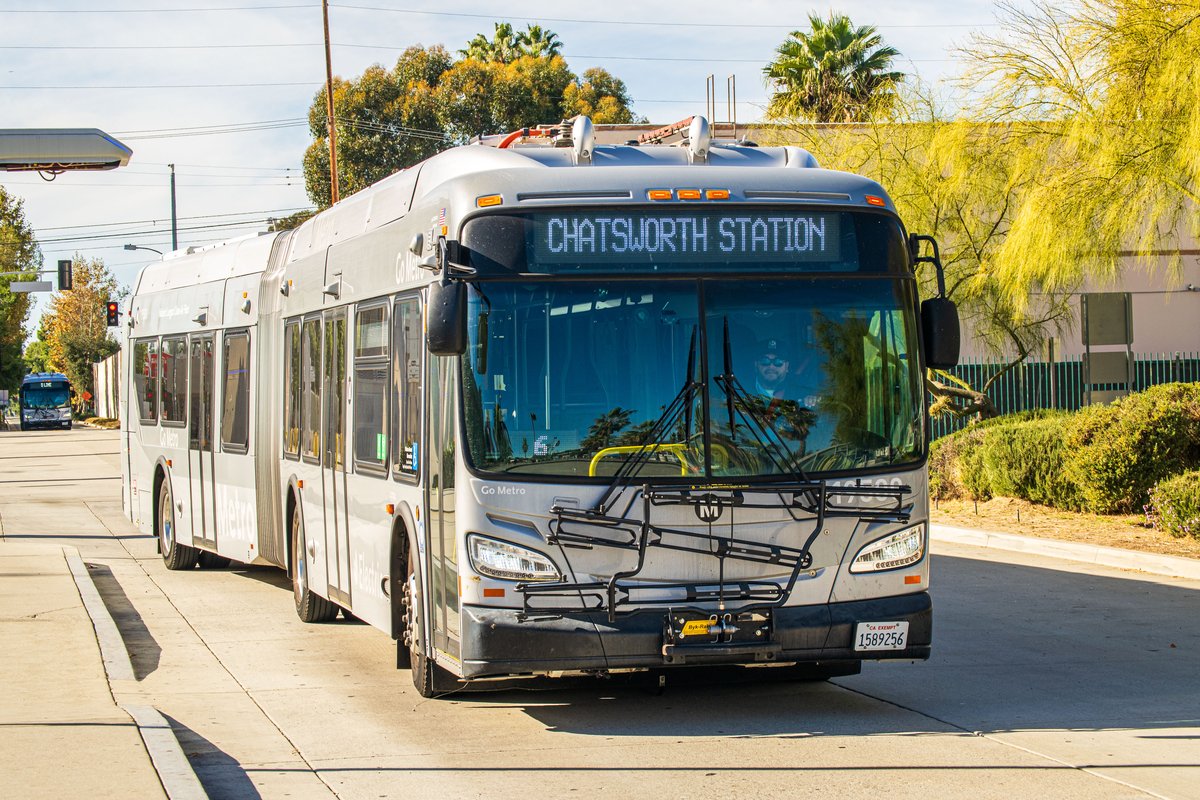
A: The Metro Red and Purple Lines stop at Westlake/MacArthur Park Station, adjacent to the park.
Q: Are guided tours available?
A: Occasionally, through local organizations or community centers.
Q: Is the park wheelchair accessible?
A: Yes, with paved paths and accessible entrances.