Plan and listen to Los Angeles Plaza Historic District with Audiala.
Audio guide in your pocket, itinerary in your browser. Built for the way you actually visit.
Introduction
The Los Angeles Plaza Historic District, often called El Pueblo de Los Angeles Historical Monument, is recognized as the birthplace of Los Angeles. This dynamic district showcases the city’s multicultural roots, blending indigenous, Spanish, Mexican, and American influences. Visitors can explore historic landmarks, vibrant marketplaces, museums, and festivals that collectively tell the story of Los Angeles’ evolution from its 1781 founding to the present day. This guide covers everything you need to plan your visit, including history, key attractions, visiting hours, ticketing, accessibility, travel tips, and frequently asked questions.
(Wikiwand, PBS SoCal, El Pueblo Official Site)


Pre-1781 to Spanish Colonial Era
Before Spanish settlement, the land was home to the Tongva people, whose village of Yaanga stood near the present plaza (Wikiwand). In 1781, Governor Felipe de Neve established El Pueblo de Los Ángeles following Spanish colonial urban planning, with a central plaza as the heart of civic and social life. The original settlers, “Los Pobladores,” reflected a diverse mix, including Afro-Latino, indigenous, and European ancestries (LA South Connections).
Mexican Era and 19th-Century Transformation
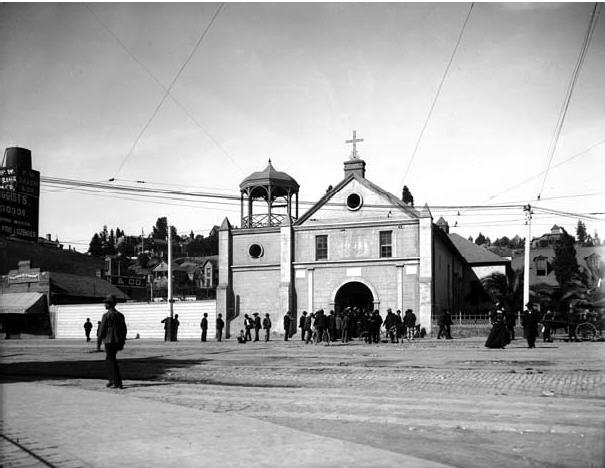
After Mexican independence in 1821, the plaza continued as the city’s nucleus, surrounded by adobe homes, government buildings, and La Iglesia de Nuestra Señora la Reina de Los Ángeles (La Placita), completed in 1822. The American era began following 1847, bringing rapid urban growth, new ethnic enclaves, and social movements. Notable 19th-century structures like the Old Plaza Firehouse (1884) and emergence of communities such as Old Chinatown and Calle de los Negros further enriched the district’s multicultural identity (CalMigration).
Architectural Heritage & Notable Structures
The district is home to some of Los Angeles’ most significant and oldest buildings:
- Ávila Adobe (1818): The city’s oldest residence, illustrating early Californio life (Lonely Planet).
- Sepúlveda House (1887): Reflects the blend of Mexican and American cultures in late 19th-century LA.
- Pelanconi House (1850s): Historic brick building now housing La Golondrina Café.
- Old Plaza Firehouse (1884): LA’s first firehouse, now a museum.
- La Placita Church (1861): Oldest Catholic church in Los Angeles (Wikiwand).
- Garnier Building (1890): Surviving structure of Old Chinatown, now the Chinese American Museum.
Other notable sites include Plaza Substation (1905), Biscailuz Building (1926), Pico House (first luxury hotel, 1869–70), Merced Theatre (1870), and Masonic Hall (1858) (Wikipedia).
Social and Cultural Significance
The Plaza has always been a crossroads of cultures—Tongva, Spanish, Mexican, African American, Chinese, Italian, and more—serving as a venue for religious festivals, political activism, and social gatherings. It hosted civic ceremonies, markets, and was the stage for labor and civil rights movements, reflecting Los Angeles’ multicultural evolution (CalMigration, PBS SoCal).
Key Attractions and Experiences
The Plaza
The Plaza itself is the city's historic heart, surrounded by monuments to founding figures like King Carlos III of Spain and Governor Felipe de Neve. A central gazebo and plaques honor the original settlers (megustalosangeles.com, discoverlosangeles.com).
Olvera Street
A pedestrian-only Mexican marketplace since 1930, Olvera Street is lined with shops, food stalls, and restaurants. It hosts mariachi bands, dancers, and festivals year-round (californiathroughmylens.com).
Museums & Historic Buildings
- Chinese American Museum (Garnier Building): Chronicles the history and contributions of Chinese Americans in LA.
- Italian American Museum: Highlights Italian immigrant heritage.
- LA Plaza de Cultura y Artes: Interactive museum exploring Mexican-American identity (discoverlosangeles.com).
- Old Plaza Firehouse Museum, Merced Theatre, and Sepulveda House: Offer insights into city life, early firefighting, and performing arts (etandoesla.com).
Religious and Festive Life
La Placita Church anchors spiritual life; the Plaza hosts vibrant festivals such as Día de los Muertos, Las Posadas, and Mexican Independence Day (Rough Guides). Religious and cultural celebrations continue traditions dating back two centuries.
Visiting Information
Hours
- Plaza & Olvera Street: Open daily, generally 10:00 AM–6:00 PM. Shops/restaurants may have extended hours on weekends.
- Museums & Historic Sites: Most open Thursday–Saturday, with scheduled tours at 10:00 AM, 11:00 AM, and 12:00 PM (WhichMuseum). Individual sites may vary; check the El Pueblo official website for updates.
Tickets & Admission
- Plaza, Olvera Street, and most museums: Free admission.
- Special exhibitions or guided tours: May require advance registration or a small fee.
Accessibility
- The district is generally wheelchair accessible, with ramps and paved walkways.
- Some historic buildings may have limited access due to preservation status; contact the El Pueblo Visitor Center for details.
- Restrooms are available throughout the district.
Guided Tours & Special Events
- Free Guided Tours: Offered regularly and highly recommended for historical context. Book via the El Pueblo website.
- Festivals: Major events include Día de los Muertos, Cinco de Mayo, Las Posadas, and Chinese New Year (PBS SoCal).
Travel Tips & Frequently Asked Questions (FAQ)
Getting There
- Public Transit: Union Station (Metro Red, Purple, and Gold Lines) is across the street (EasyTravel4U).
- Parking: Nearby paid lots; public transit or rideshare recommended, especially on weekends.
FAQs
Q: What are the visiting hours?
A: Generally 10:00 AM–6:00 PM for Olvera Street and the Plaza; museums may have shorter hours.
Q: Is admission free?
A: Yes, for most attractions. Special tours may require a ticket.
Q: Are guided tours available?
A: Yes, free tours are regularly scheduled.
Q: Is the district accessible for visitors with disabilities?
A: Most areas are accessible; some historic buildings have limitations.
Q: Best times to visit?
A: Weekday mornings are quieter; weekends/festivals are lively but crowded.
Q: Are there special events?
A: Yes, year-round festivals and cultural celebrations.
Nearby Attractions
- Union Station: LA’s transportation hub and a historic landmark.
- Grand Central Market, The Broad Museum, Walt Disney Concert Hall: All within walking distance (Misstourist).
Listen to the full story in the app
The whole Los Angeles Plaza Historic District,
told well.
Listen to sourced travel stories with local history and practical context — ready offline.
Verified, and shown.
Researched and written by the Audiala editorial team from historical records, architectural archives, and local expertise.
Built from cited sources · see the method · How we make our guides →