Plan and listen to Los Angeles Memorial Sports Arena with Audiala.
Audio guide in your pocket, itinerary in your browser. Built for the way you actually visit.
Introduction
Located in the heart of Exposition Park, the former Los Angeles Memorial Sports Arena and its successor, BMO Stadium, alongside the adjacent Los Angeles Memorial Coliseum, represent the evolving legacy of Los Angeles as a hub for history, culture, and sports. Though the original Sports Arena was demolished in 2016, its impact endures through the surrounding venues and the vibrant community activities held in its place. This comprehensive guide provides detailed insights into the historical significance, current visitor options, accessibility, and nearby attractions, making it a valuable resource for anyone wishing to experience the rich tapestry of Los Angeles’ storied past and dynamic present.

Origins and Early Development
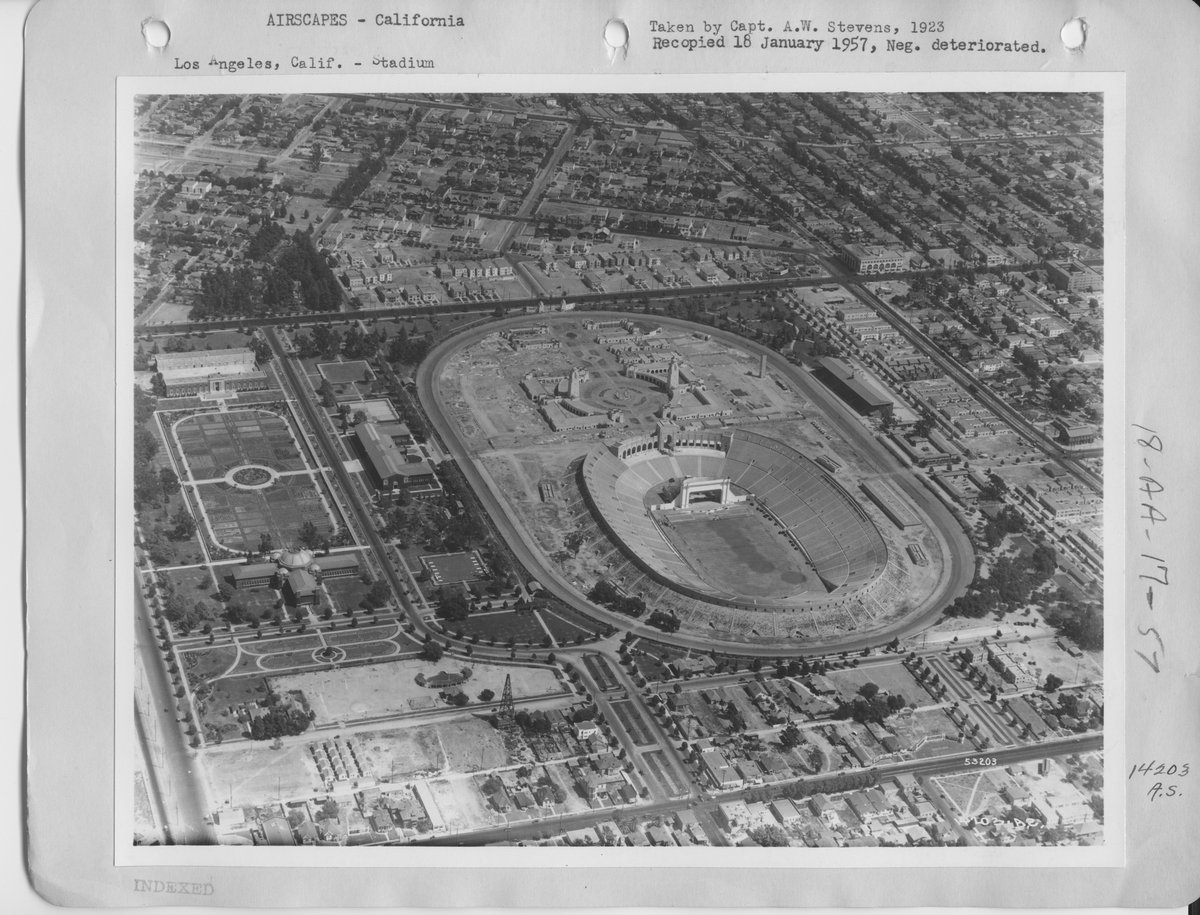
The Los Angeles Memorial Coliseum, often confused with the now-demolished Sports Arena, is a monumental symbol of the city’s ambition and heritage. Built between 1921 and 1923 to honor World War I veterans, the project was spearheaded by architects John and Donald Parkinson. Their vision produced a grand structure combining Egyptian, Spanish, and Mediterranean Revival styles, with an elliptical concrete bowl capable of seating up to 100,000 spectators. The iconic peristyle at the east end serves as the “Court of Honor,” commemorating many of the stadium’s most significant events and personalities (LA Conservancy).
Civic Pride and Urban Transformation
The Coliseum’s creation was part of a broader plan to redevelop Exposition Park into a civic and cultural center. This move, which followed the earlier establishment of the Los Angeles Natural History Museum in 1913, marked Los Angeles’ emergence as a major American metropolis (LA Conservancy).
Olympic Legacy
The Coliseum gained international prestige by hosting the 1932 Summer Olympics, a milestone that spurred expansion and innovation—including the first Olympic Village and the introduction of medal ceremonies featuring anthems and flags. The stadium repeated this historic achievement by serving as the main venue for the 1984 Olympics, making it the first stadium to host the Summer Games twice (LA Conservancy).
Sporting and Cultural Milestones
The Coliseum’s legacy is intertwined with American sports history. It was the first Los Angeles home for the Dodgers, hosted the inaugural Super Bowl in 1967, and remains home to the USC Trojans football team. It has also accommodated NFL teams such as the Rams, Raiders, and Chargers, and was the site of record-setting events, including Billy Graham’s 134,254-strong evangelistic campaign (LA Conservancy; HotelsCombined).
Visiting Hours and Ticket Information
Coliseum visiting hours vary with the event schedule. For tours and events, tickets are best purchased in advance via the official website or authorized partners. High-demand events may sell out quickly.
Guided Tours and Visitor Experience
Guided tours provide access to the peristyle, Court of Honor, and behind-the-scenes areas, delving into Olympic history and the stadium’s architectural features. Group tours and educational programs are also available.
Accessibility and Travel Tips
The Coliseum is fully accessible, offering wheelchair-friendly entrances, restrooms, seating, and parking. It is reachable via the Metro Expo Line (Expo Park/USC Station). Visitors should check event times, arrive early for security screening, and wear comfortable shoes.
Nearby Attractions
Exposition Park offers a suite of attractions:
- California Science Center
- Natural History Museum of Los Angeles County
- The Rose Garden
- Lucas Museum of Narrative Art (opening soon)
Memorial Purpose and Dedication
Opened on July 4, 1959, and dedicated by Vice President Richard Nixon, the Sports Arena served as a living tribute to U.S. Armed Forces veterans, its proximity to the Coliseum reinforcing its civic symbolism (lacoliseum.com).
Civic Gathering Place and Accessibility
For nearly sixty years, the arena was known for its affordability and accessibility, hosting sports, concerts, graduations, and civic events, thereby fostering community spirit in South Los Angeles (ussporthistory.com).
Political and Historical Milestones
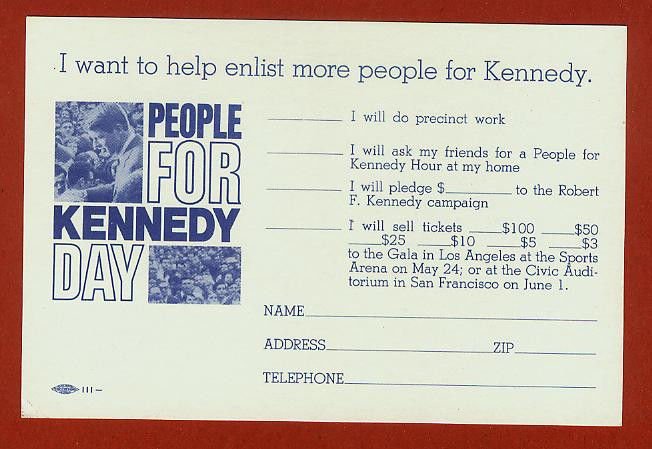
Key moments included the 1960 Democratic National Convention (where John F. Kennedy was nominated), two NCAA Final Fours, and the boxing events of the 1984 Olympics (basketball.fandom.com; ussporthistory.com).
Cultural Impact and Pop Culture Legacy
Nicknamed “The Dump That Jumps” by Bruce Springsteen, the arena was a favorite venue for artists such as The Rolling Stones, U2, Madonna, and Prince, and often appeared in film and television, symbolizing the city’s diverse culture (concertarchives.org).
Sports Heritage and Community Identity
Serving as home to the Lakers, Clippers, USC, and UCLA basketball, the arena was integral to L.A.’s identity as a sports city, also supporting boxing, hockey, wrestling, and more (basketball.fandom.com).
Social Change and Urban Transformation
The arena stood at the crossroads of social change, from the civil rights era through urban renewal, before being replaced by BMO Stadium in 2018 (ussporthistory.com). Its legacy endures through the new developments on its site (basketball.fandom.com).
Visiting Today: Legacy and Nearby Attractions
Though the Sports Arena has been demolished, visitors can engage with its legacy by exploring:
- BMO Stadium: Home to LAFC, built on the former arena site (BMO Stadium official site).
- Los Angeles Memorial Coliseum: Historic stadium next door (lacoliseum.com).
- Exposition Park: Features museums and public gardens.
There are no direct tours or tickets for the Sports Arena, but its history is preserved through local museums and archives.
Transformation from Sports Arena to BMO Stadium
BMO Stadium, opened in April 2018, stands as a modern, soccer-specific venue on the former Sports Arena site. The $250 million project significantly boosted local employment and city tax revenue (Wikipedia). The stadium is the first open-air facility built in Los Angeles since Dodger Stadium.
Architectural Features and Event Programming
Designed for adaptability and fan engagement, BMO Stadium boasts 22,000 seats (24,000 for concerts), premium suites, rooftop lounges, and clubs on every level (Gensler). Its open-air design provides an immersive experience for both sports and entertainment.
Sporting and Cultural Significance
Home to LAFC (MLS) and Angel City FC (NWSL), BMO Stadium has hosted major events like the CONCACAF Champions League Final and concerts by BLACKPINK, Queen + Adam Lambert, and more. Its innovative programming makes it a top-five global stadium for touring (Sports Venue Business).
Community Engagement and Accessibility
The LAFC Foundation and stadium management offer youth clinics, community events, and local employment opportunities, cementing BMO Stadium’s role as a community anchor (Gensler). The stadium is fully accessible, with ramps, designated seating, and accessible restrooms.
Visiting Hours, Tickets, and Parking
- Visiting Hours: Primarily open during scheduled matches and concerts. For non-event days, interior access is limited, but Exposition Park is open year-round.
- Tickets: Purchase via Ticketmaster or the BMO Stadium website.
- Parking: Event parking averages $50; pre-purchase is advised (Reddit). The Metro Expo Line provides a convenient alternative.
Guided Tours and Photography
Currently, BMO Stadium does not offer regular public tours, but special behind-the-scenes events may be announced on the official website. The stadium’s architecture and event atmosphere offer excellent photo opportunities.
Nearby Attractions
- Los Angeles Memorial Coliseum
- California Science Center
- Natural History Museum of Los Angeles County
- California African American Museum
- Lucas Museum of Narrative Art (opening soon)
- University of Southern California
Q: Can I visit the Los Angeles Memorial Sports Arena today?
A: The arena was demolished in 2016. Visitors can tour Exposition Park, BMO Stadium, and the Coliseum.
Q: Are there tours related to the Sports Arena’s history?
A: No dedicated tours exist, but Coliseum and Exposition Park tours offer historical context.
Q: Where can I see memorabilia or learn more about the arena?
A: Local museums and online archives, such as ussporthistory.com, provide extensive information.
Q: What are BMO Stadium’s visiting hours?
A: Open during scheduled events; Exposition Park is accessible daily.
Q: How do I buy tickets for BMO Stadium or the Coliseum?
A: Tickets are available via Ticketmaster, BMO Stadium, and Coliseum websites.
Q: Is public transportation available?
A: Yes. The Metro Expo Line (Expo Park/USC Station) serves Exposition Park and its venues.
Q: Are these venues accessible for visitors with disabilities?
A: Yes, all major attractions in Exposition Park offer accessible facilities, seating, and services.
From the grandeur of the Los Angeles Memorial Coliseum to the legacy of the Los Angeles Memorial Sports Arena and the vibrant energy of BMO Stadium, Exposition Park remains a nucleus of athletic, cultural, and civic life in Los Angeles. While the Sports Arena no longer stands, its spirit is alive in the thriving venues and community events that continue to define the area. For the most up-to-date information on events, tickets, and guided tours, visit the official venue websites or download the Audiala app. Don’t miss the chance to immerse yourself in Los Angeles’ living history and vibrant culture.
Listen to the full story in the app
The whole Los Angeles Memorial Sports Arena,
told well.
Listen to sourced travel stories with local history and practical context — ready offline.
Verified, and shown.
Researched and written by the Audiala editorial team from historical records, architectural archives, and local expertise.
Built from cited sources · see the method · How we make our guides →