Plan and listen to La Brea Tar Pits with Audiala.
Audio guide in your pocket, itinerary in your browser. Built for the way you actually visit.
Introduction
The La Brea Tar Pits and Museum, situated in the heart of Los Angeles, offer a unique glimpse into the prehistoric past, making it one of the most fascinating historical sites in the city. The tar pits have been seeping natural asphalt for tens of thousands of years, preserving the remains of prehistoric flora and fauna in exceptional detail. This natural phenomenon has turned the site into a treasure trove of Ice Age fossils, attracting scientists, historians, and curious visitors from around the world. The La Brea Tar Pits provide an invaluable window into the Pleistocene epoch, with over 3.5 million fossils discovered to date, representing more than 600 species of plants and animals (La Brea Tar Pits).
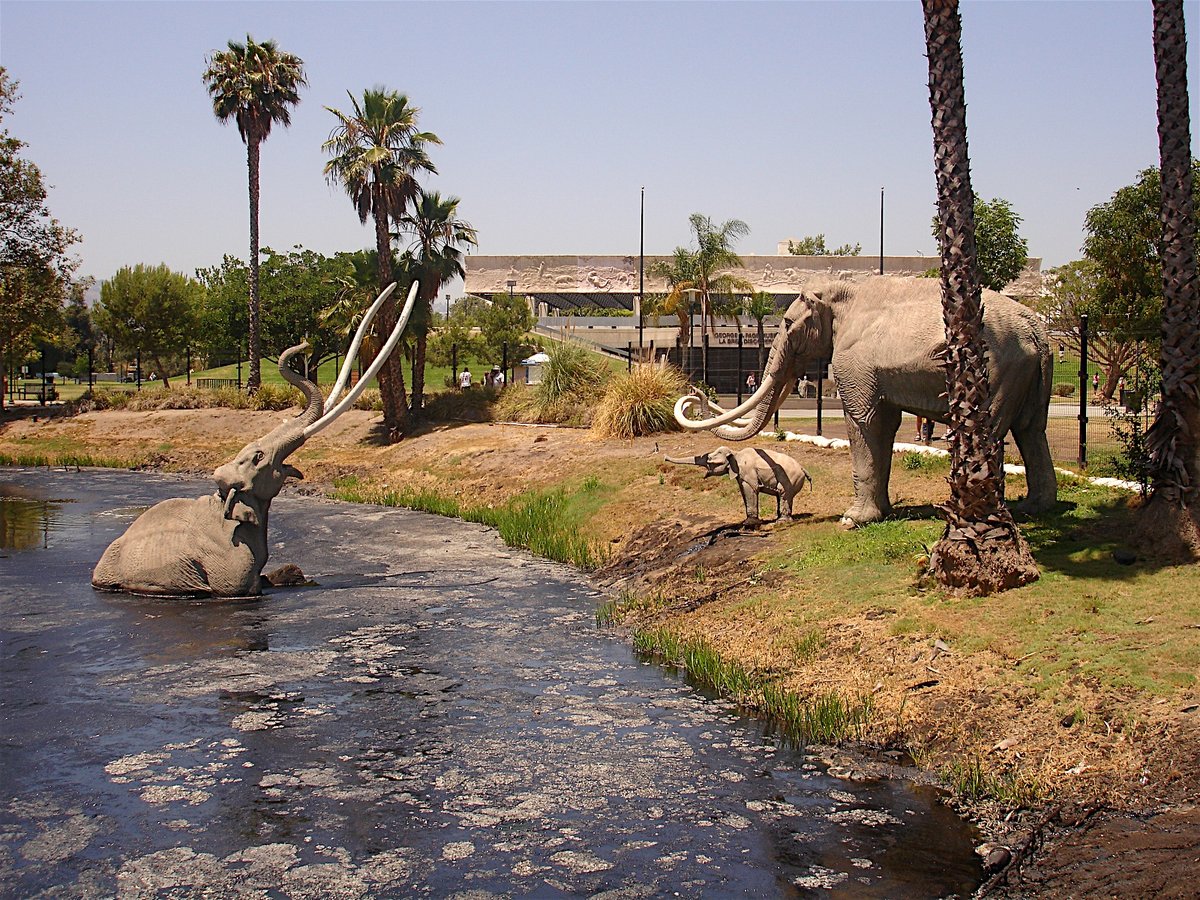
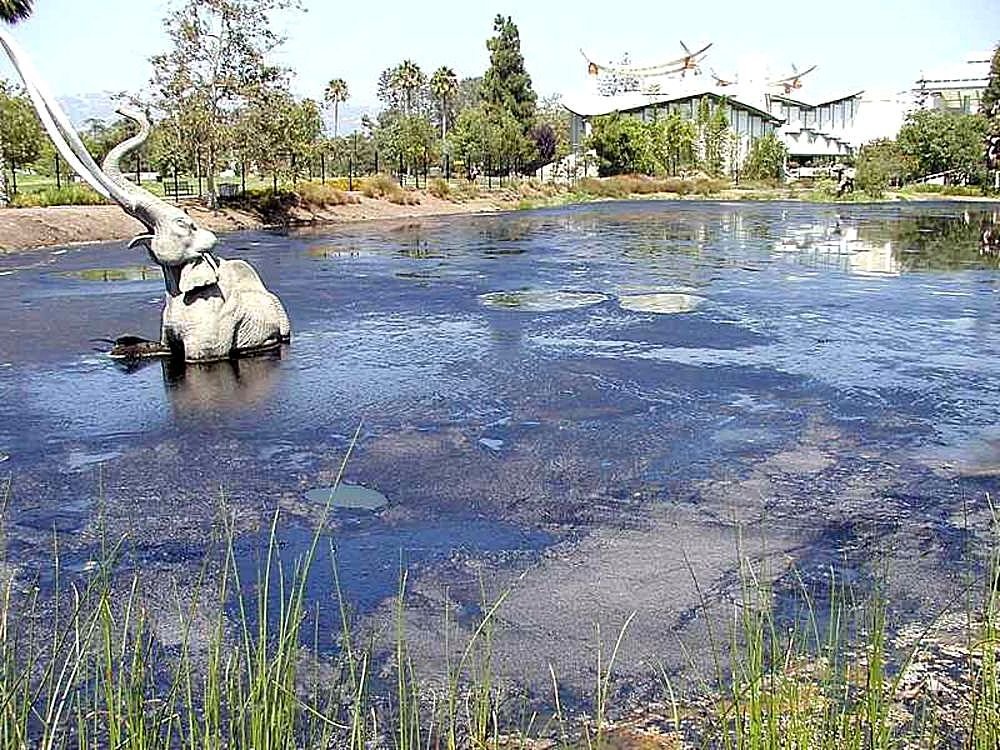
The museum, part of the Natural History Museums of Los Angeles County, plays a pivotal role in public education and scientific research. It showcases a wide range of exhibits, from life-sized replicas of mammoths and saber-toothed cats to interactive fossil labs where visitors can watch paleontologists at work. The museum's commitment to education is evident through its various programs, guided tours, and workshops designed to engage visitors of all ages. Additionally, the ongoing excavations and research projects, such as Project 23, continue to yield new discoveries, providing a dynamic and evolving understanding of ancient ecosystems (Natural History Museum of Los Angeles County).
Planning a visit to the La Brea Tar Pits and Museum offers a rich and educational experience, whether you're a history enthusiast, a family seeking an informative outing, or a traveler eager to explore one of Los Angeles' most iconic landmarks. This comprehensive guide will cover everything you need to know, from visiting hours and ticket information to must-see exhibits and nearby attractions, ensuring you make the most of your trip.




History of La Brea Tar Pits and Museum
Formation and Natural History
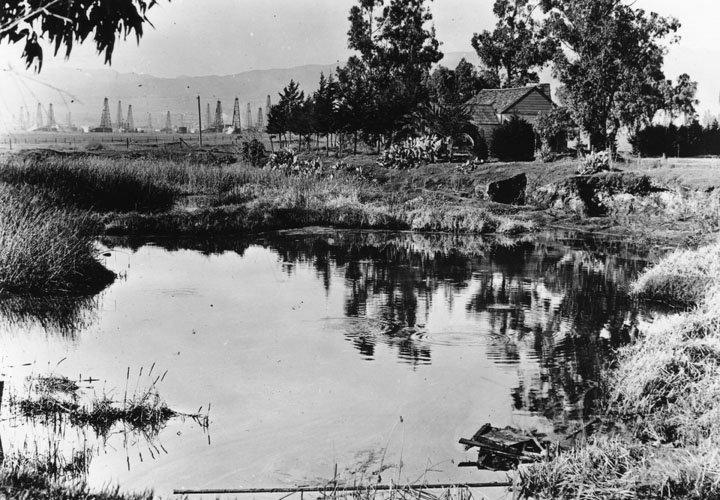
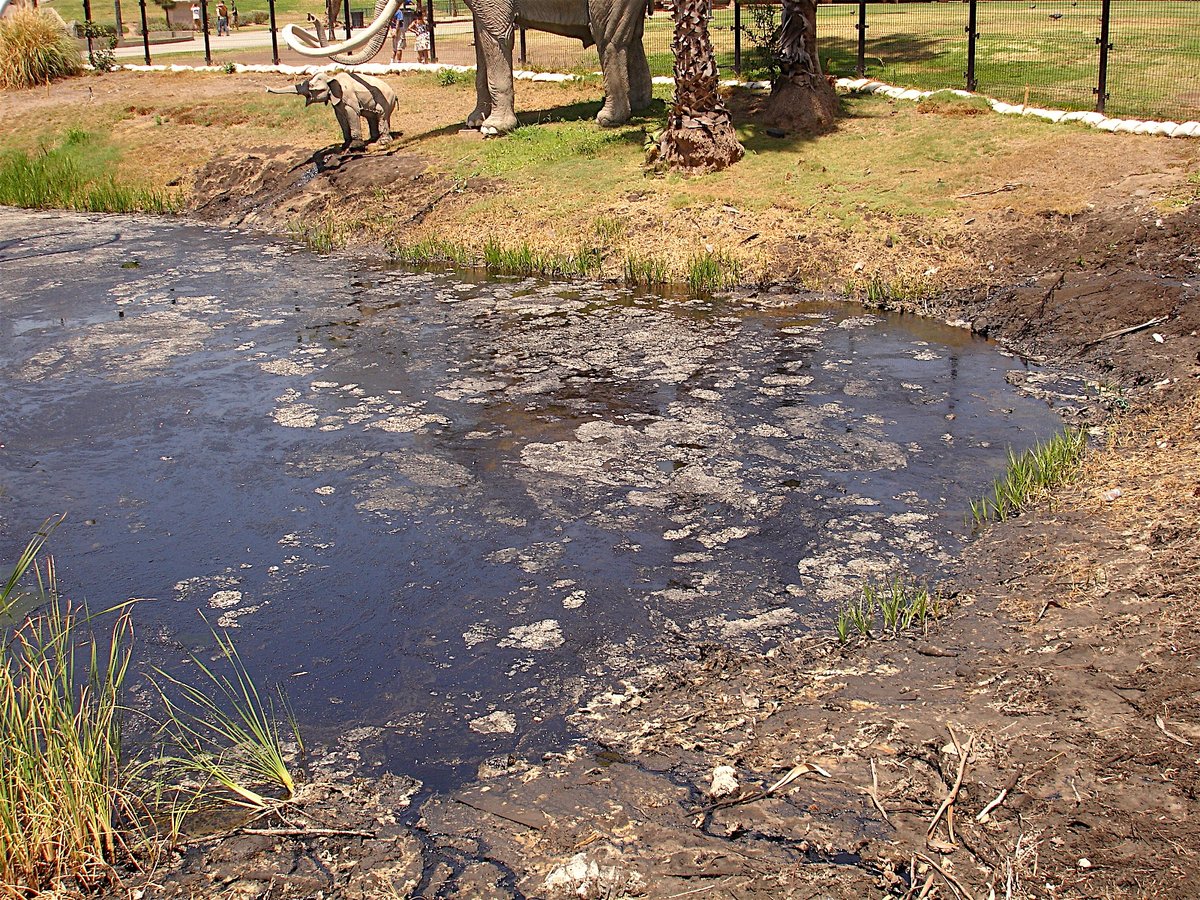
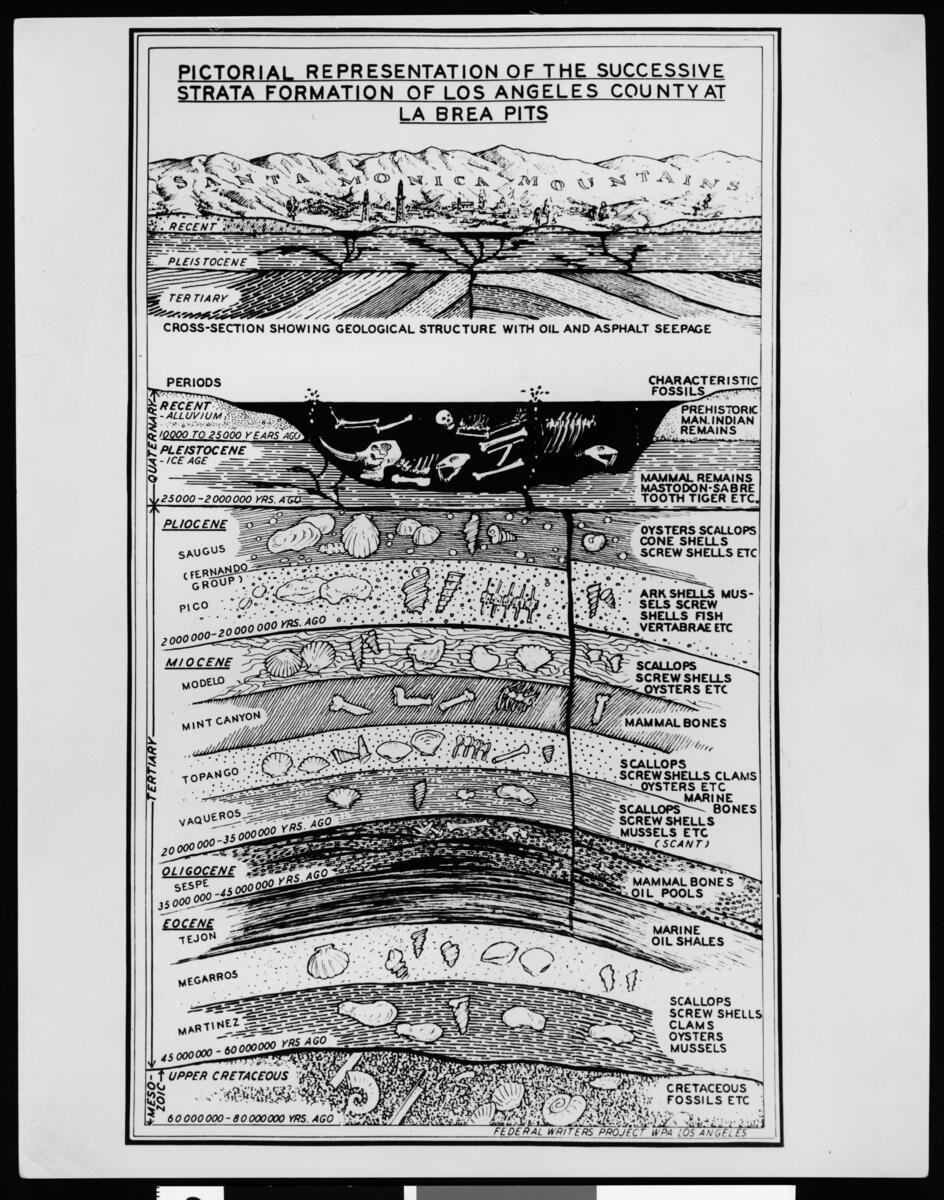
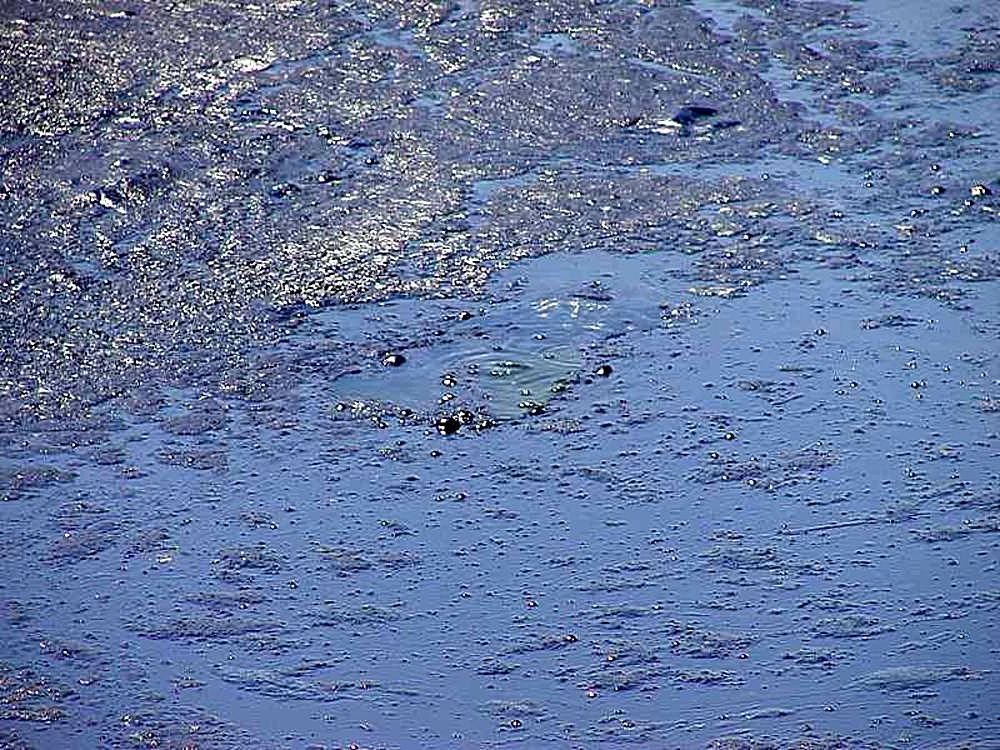
The La Brea Tar Pits, located in the heart of Los Angeles, are a group of tar pits around which Hancock Park was formed. The tar pits have been seeping natural asphalt (also known as bitumen) for tens of thousands of years. This natural phenomenon occurs when crude oil from deep underground seeps up through fissures in the Earth's crust. Over time, the lighter elements of the oil evaporate, leaving behind the heavier tar. The tar pits are particularly notable for their role in preserving the remains of prehistoric animals.
Discovery and Early Excavations
The first recorded mention of the La Brea Tar Pits dates back to 1769 when Spanish explorer Gaspar de Portolá's expedition encountered the site. However, it wasn't until the early 20th century that the scientific significance of the tar pits was recognized. In 1901, geologist William Warren Orcutt identified the fossilized remains of prehistoric animals within the tar. This discovery led to the first systematic excavations in 1913, conducted by the Los Angeles County Museum of Natural History.
Significant Finds
The La Brea Tar Pits have yielded one of the richest collections of Ice Age fossils in the world. Over 3.5 million fossils have been recovered, representing more than 600 species of plants and animals. Some of the most notable finds include:
- Mammoths and Mastodons: These large proboscideans roamed North America during the Pleistocene epoch. The tar pits have provided exceptionally well-preserved specimens, including the nearly complete skeleton of a Columbian mammoth named "Zed" (Natural History Museum of Los Angeles County).
- Saber-toothed Cats: The Smilodon fatalis, California's state fossil, is one of the most iconic animals found at the tar pits. Thousands of Smilodon bones have been unearthed, providing valuable insights into their anatomy and behavior (La Brea Tar Pits).
- Dire Wolves: Over 4,000 dire wolf specimens have been discovered, making them the most common large mammal found at the site. These fossils have helped scientists understand the social structure and hunting strategies of these extinct predators (La Brea Tar Pits).
Visiting the La Brea Tar Pits and Museum
Visiting Hours and Tickets
The La Brea Tar Pits and Museum are open daily from 9:30 AM to 5:00 PM, but it’s always a good idea to check their official website for any changes in hours, especially during holidays. Tickets can be purchased online or at the museum entrance. General admission is $15 for adults, $12 for seniors (62+), and $7 for children (3-12). Admission is free for museum members and children under 3.
Travel Tips and Accessibility
Located in Hancock Park at 5801 Wilshire Blvd, Los Angeles, CA 90036, the museum is easily accessible by car, public transit, and bike. Parking is available on-site for a fee. The museum and grounds are wheelchair accessible, and there are accommodations for visitors with disabilities, including accessible restrooms and free wheelchairs available on a first-come, first-served basis.
Nearby Attractions
While visiting the La Brea Tar Pits, you can also explore other nearby attractions such as the Los Angeles County Museum of Art (LACMA), the Petersen Automotive Museum, and the Craft & Folk Art Museum. These sites offer a wide range of exhibits and activities, making the area a rich cultural hub.
Ongoing Research and Excavations
Excavations at the La Brea Tar Pits are ongoing, with new discoveries being made regularly. The site is unique in that it allows for continuous excavation and research, providing a dynamic and evolving understanding of the Pleistocene epoch. One of the most significant ongoing projects is Project 23, initiated in 2006 when 23 large blocks of fossil-rich sediment were removed to make way for the construction of an underground parking garage. These blocks are being meticulously excavated and have already yielded thousands of new fossils (La Brea Tar Pits).
Cultural and Educational Significance
The La Brea Tar Pits and Museum play a crucial role in public education and outreach. The museum offers a range of educational programs, including guided tours, workshops, and interactive exhibits. These programs aim to engage visitors of all ages and backgrounds, fostering a deeper appreciation for natural history and paleontology.
The tar pits have also become a cultural icon, featured in numerous films, television shows, and literature. Their unique combination of natural history and urban setting makes them a fascinating subject for both scientific study and popular culture.
Preservation and Conservation Efforts
Preserving the La Brea Tar Pits and their fossil treasures is a top priority. The museum employs a team of conservators and scientists dedicated to the careful excavation, preservation, and study of the fossils. Advanced techniques, such as 3D scanning and digital modeling, are used to document and analyze the specimens, ensuring that they are preserved for future generations (La Brea Tar Pits).
In addition to fossil preservation, efforts are also made to maintain the natural environment of the tar pits. This includes managing the surrounding parkland and ensuring that the tar pits themselves remain accessible and safe for both researchers and the public.
FAQ
Q: What are the La Brea Tar Pits visiting hours?
A: The La Brea Tar Pits are open daily from 9:30 AM to 5:00 PM.
Q: How much are tickets for the La Brea Tar Pits?
A: General admission is $15 for adults, $12 for seniors (62+), and $7 for children (3-12). Admission is free for museum members and children under 3.
Q: What is the best time to visit the La Brea Tar Pits?
A: Weekdays and early mornings are generally less crowded, making for a more pleasant visit.
Q: Are there guided tours available?
A: Yes, the museum offers guided tours that provide in-depth information about the exhibits and ongoing research.
Q: Is the museum accessible for visitors with disabilities?
A: Yes, the museum is wheelchair accessible and offers accommodations such as accessible restrooms and free wheelchairs on a first-come, first-served basis.
Listen to the full story in the app
The whole La Brea Tar Pits,
told well.
Listen to sourced travel stories with local history and practical context — ready offline.
Verified, and shown.
Researched and written by the Audiala editorial team from historical records, architectural archives, and local expertise.
Built from cited sources · see the method · How we make our guides →