Plan and listen to Hollywood Pacific Theatre with Audiala.
Audio guide in your pocket, itinerary in your browser. Built for the way you actually visit.
Introduction
The Hollywood Pacific Theatre is a historic landmark situated in the heart of Hollywood, Los Angeles. Since opening its doors in 1928, this iconic venue has witnessed the evolution of American cinema, serving as a monument to the golden age of film and architectural innovation. Designed by G. Albert Lansburgh, the theatre showcases a unique blend of Spanish Baroque, Art Deco, and atmospheric styles, making it a captivating destination for architecture enthusiasts and film lovers alike (LA Conservancy; Historic Theatre Photos).
Although the Hollywood Pacific Theatre is currently closed to the public, its ornate façade and storied legacy continue to draw visitors eager to experience Hollywood’s rich cultural tapestry. This comprehensive guide covers the theatre’s origins, architectural highlights, key milestones, current status, and practical visitor information, including accessibility, nearby attractions, and travel tips.




Origins and Early Development
The Hollywood Pacific Theatre, originally opened as the Warner Bros. Hollywood Theatre on April 26, 1928, was conceived as Warner Bros.' West Coast flagship for the new era of sound films, or "talkies" (LA Conservancy). Its inaugural purpose was to showcase technological advancements in cinema, notably the Vitaphone sound system. The building’s multi-use design included retail, office suites, and the KFWB radio station, making it a central hub for entertainment and business in Hollywood.
Architectural Significance
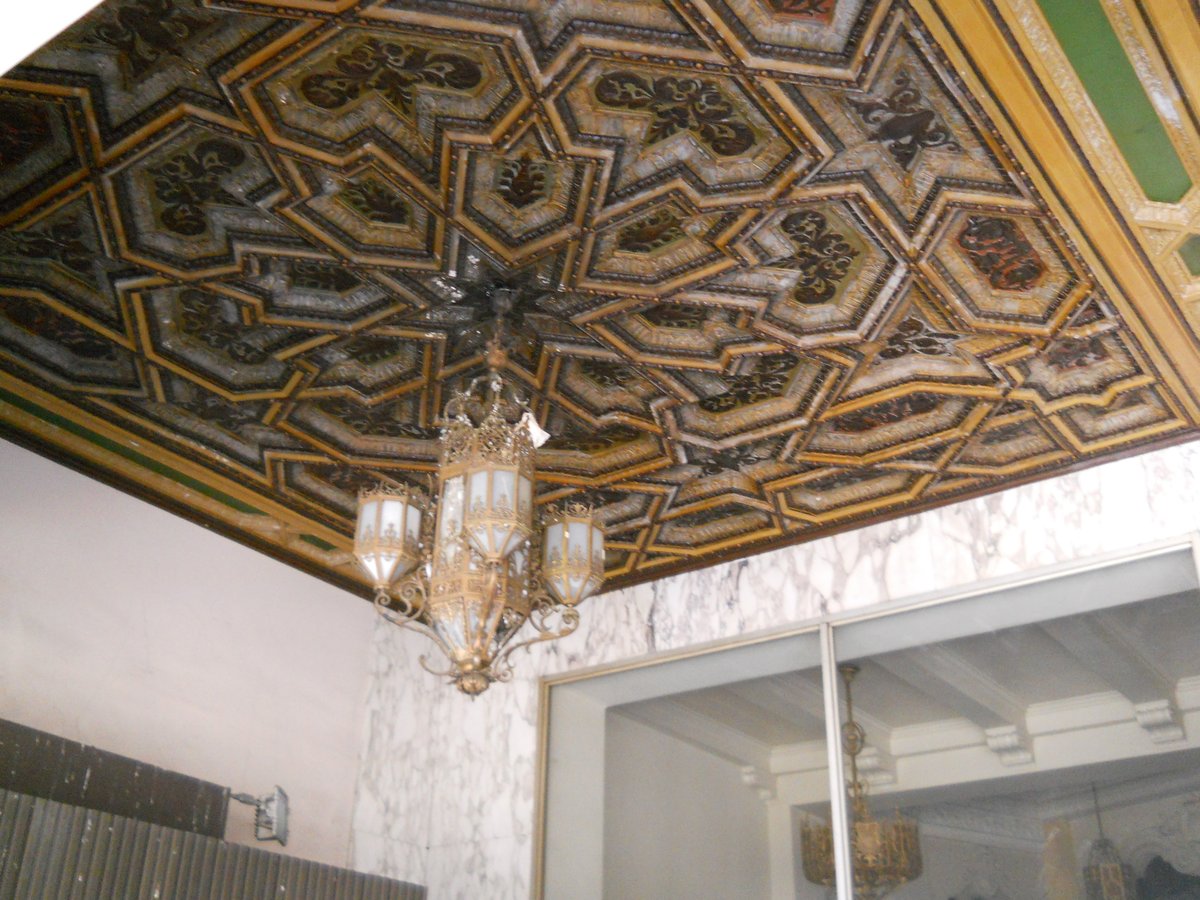
The theatre is a masterpiece of late-1920s movie palace architecture. Lansburgh’s design skillfully combined Spanish Baroque, Art Deco, and atmospheric elements. The building’s exterior, constructed of reinforced concrete and lavishly adorned with Churrigueresque detailing, presents an impressive façade on Hollywood Boulevard (Historic Theatre Photos). Inside, the auditorium originally seated nearly 2,800 patrons, featuring a domed ceiling, starburst motifs, and an “atmospheric” design that simulated an open Mediterranean sky (Wikipedia). The grand, double-height horseshoe-shaped lobby was specifically engineered to facilitate crowd movement and enhance the visitor experience.
Cultural Legacy and Notable Events
As the first theatre in Hollywood purpose-built for sound films, the Hollywood Pacific Theatre played a pivotal role in shaping the city’s cinematic landscape. It hosted numerous significant premieres, including the West Coast debut of Stanley Kubrick’s "2001: A Space Odyssey," which ran for an unprecedented 80 weeks (Hollywood Partnership). The theatre underwent several renovations, such as the 1953 Cinerama conversion and 1961 installation of 70mm projection, reflecting the industry’s technological shifts (LA Conservancy). Over the decades, it adapted to changes by subdividing the auditorium into three screens in 1978, following the trend toward multiplex cinemas.
Beyond film, the theatre has become the subject of local legend, with ghost stories—particularly the tale of Sam Warner’s spirit—adding to its mystique (LA Ghost Tour).
Decline, Closure, and Preservation
The latter part of the 20th century brought challenges for the Hollywood Pacific Theatre. Structural damage from subway construction and the 1994 Northridge earthquake led to its closure in 1994 (After the Final Curtain). Brief periods of adaptive reuse followed, including use as a digital cinema laboratory and a church, but as of July 2025, the building remains unused (AP News).
Despite closure, the theatre is recognized as a Los Angeles Historic-Cultural Monument and is listed on the National Register of Historic Places. Preservationists continue to advocate for its restoration and adaptive reuse, emphasizing its architectural and cultural value (Cinema Treasures; Classic Experiences).
Visiting Information: Hours, Tickets & Accessibility
Current Status
- Operating Status: Closed to the public; no regular screenings, tours, or events as of 2025.
- Location: 6433 Hollywood Boulevard, Los Angeles, CA.
Visiting Hours and Tickets
- Hours: Not applicable due to closure.
- Tickets: Not available. Special events or tours may be offered by preservation organizations, so monitor the LA Conservancy website for announcements.
Accessibility
- Building Access: No interior access; exterior can be viewed from the sidewalk.
- Mobility: The surrounding area is pedestrian-friendly with ADA-compliant detours during events.
Travel Tips
- Getting There: Use the Metro Red Line (Hollywood/Highland station) for easy access; parking can be limited and expensive.
- Street Closures: Hollywood Boulevard frequently closes for premieres and events. Check Hollywood Partnership Alerts before visiting.
- Safety: The theatre’s exterior is monitored by security; do not attempt to enter the building.
Nearby Attractions and Tours
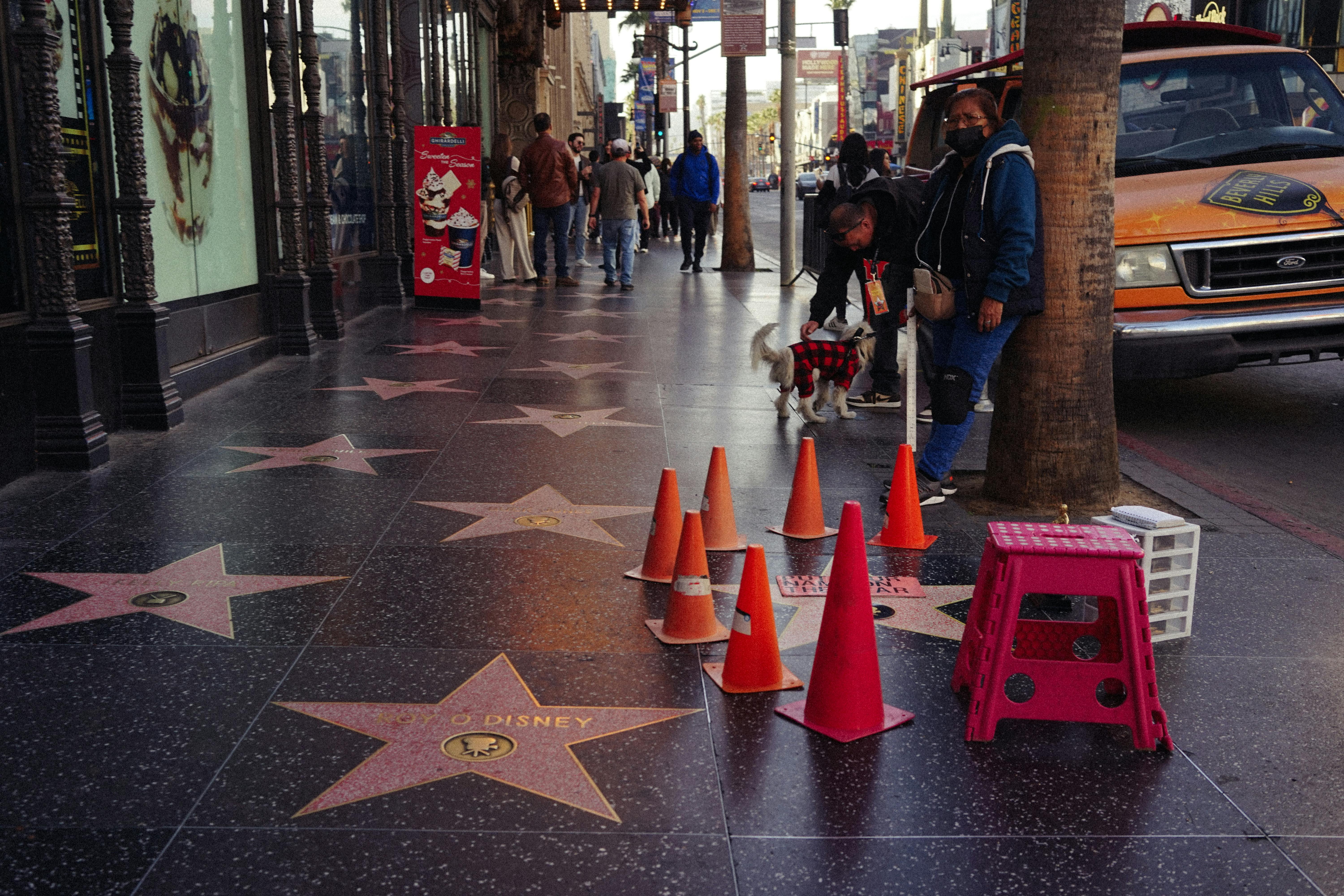
- Hollywood Walk of Fame: World-famous sidewalk celebrating entertainment icons.
- TCL Chinese Theatre: Renowned for celebrity handprints and historic premieres.
- El Capitan Theatre & Dolby Theatre: Nearby historic venues offering tours and events.
- Amoeba Music: A popular destination for music lovers in Hollywood.
- Guided Tours: Several walking tours highlight Theatre Row and include the Hollywood Pacific Theatre’s exterior (Classic Experiences).
Frequently Asked Questions (FAQ)
Q: Can I visit the Hollywood Pacific Theatre’s interior or attend screenings?
A: No, the theatre is currently closed and not open for public access or events.
Q: Are guided tours available?
A: Occasionally, special tours or cultural events are offered by preservation groups. Check official sites for updates.
Q: Is the theatre accessible for those with disabilities?
A: The building is not accessible, but the surrounding sidewalks are ADA-compliant during non-event periods.
Q: What are the best nearby attractions to visit?
A: TCL Chinese Theatre, Hollywood Walk of Fame, Dolby Theatre, and Amoeba Music are all within walking distance.
Q: How can I stay informed about future events or restoration efforts?
A: Follow the LA Conservancy, check Hollywood Partnership Alerts, and download the Audiala app for updates.
Listen to the full story in the app
The whole Hollywood Pacific Theatre,
told well.
Listen to sourced travel stories with local history and practical context — ready offline.
Verified, and shown.
Researched and written by the Audiala editorial team from historical records, architectural archives, and local expertise.
Built from cited sources · see the method · How we make our guides →