Plan and listen to Hollywood Masonic Temple with Audiala.
Audio guide in your pocket, itinerary in your browser. Built for the way you actually visit.
Introduction
The Hollywood Masonic Temple, located on the world-famous Hollywood Boulevard, stands as a monumental emblem of Los Angeles’ architectural, cultural, and social heritage. Established in the early 20th century, this iconic Neo-Classical structure has played a pivotal role in Hollywood’s evolution—from a modest entertainment district to a global cultural hub. Designed by renowned architect John C. Austin and intertwined with the legacy of Hollywood’s elite, the Temple bridges the city’s secretive fraternal traditions and its vibrant entertainment present.
This detailed guide explores the Temple’s origins, architectural grandeur, cultural impact, and provides essential information on visiting hours, ticketing, accessibility, and nearby attractions. Whether you’re a history enthusiast, architecture lover, or a curious traveler, the Hollywood Masonic Temple is a must-see landmark within Los Angeles’ storied landscape (lodge355.freemason.org; Los Angeles Times).

Origins and Early Development
Formation and Early Leadership
The Hollywood Masonic Temple traces its beginnings to the formation of Hollywood Lodge No. 355 F. & A.M. in 1903. Thirteen founding Master Masons, including Gilbert F. Stevenson and developer Charles E. Toberman, established the lodge, which initially met near the present-day Dolby Theatre (lodge355.freemason.org; Los Angeles Times). Toberman’s contributions to Hollywood’s built environment—overseeing the construction of the Egyptian, Chinese, and El Capitan theaters, among others—embed the lodge’s story into the city’s very foundations.
Construction and Architectural Significance
Neo-Classical Design by John C. Austin
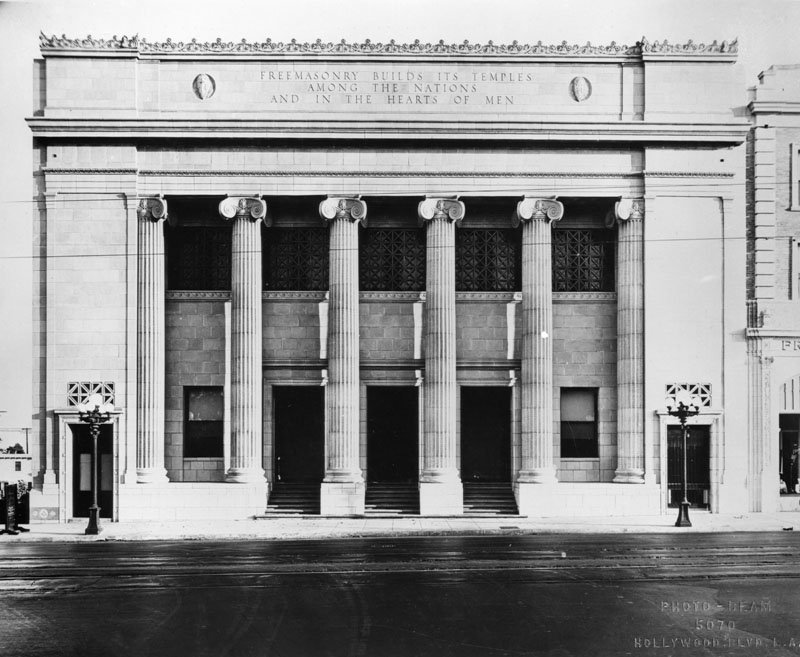
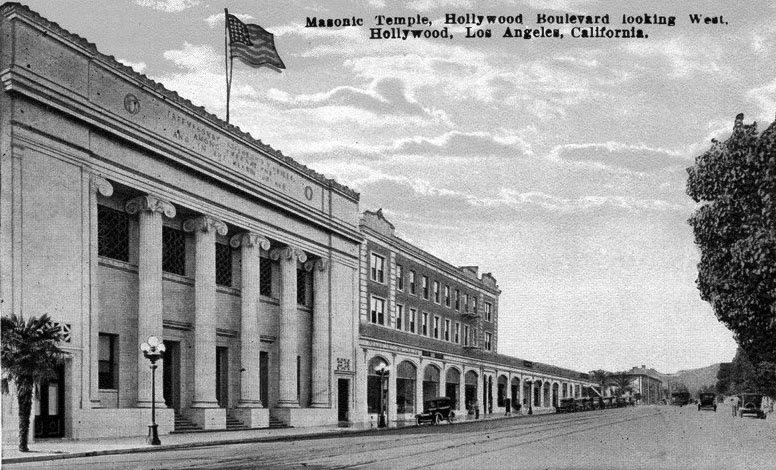
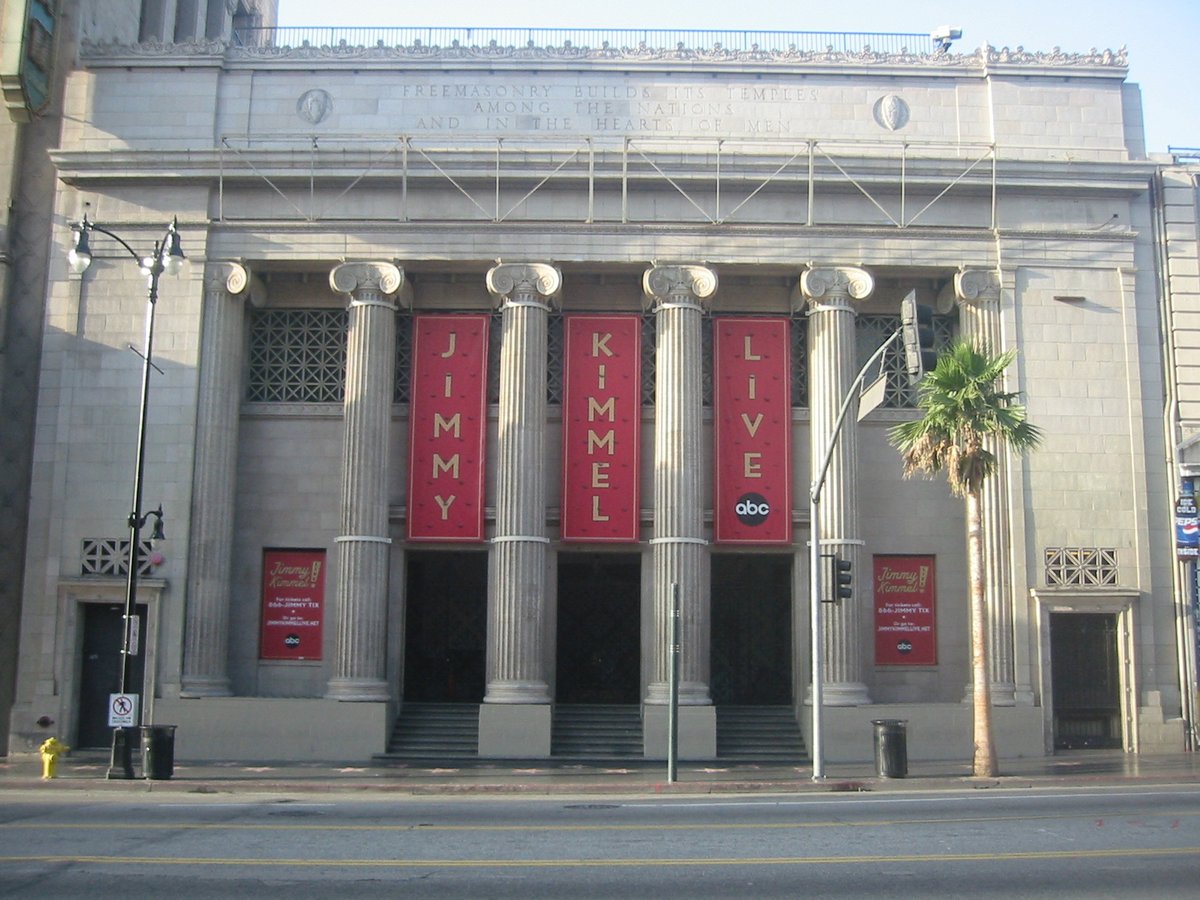
Completed in 1921, the Hollywood Masonic Temple is a striking example of Neo-Classical architecture, featuring grand fluted Corinthian columns, an imposing symmetrical façade, and classical detailing (Curbed LA). Austin, also known for the Griffith Observatory and Los Angeles City Hall, imbued the Temple with Masonic symbolism throughout its design. The building’s original spaces included a grand ballroom, lodge rooms, a ladies’ parlor, and a billiard room, reflecting both social and ceremonial functions (MasonicFind).
The Temple’s Role in Hollywood’s Golden Age
Social and Professional Hub
Throughout the early and mid-20th century, the Temple was more than a fraternal meeting place; it became a nexus for Hollywood’s elite. Notable members included Harold Lloyd, Cecil B. DeMille, Walt Disney, and other luminaries who shaped the entertainment industry (MasonicFind; Hollywood Partnership). The Temple’s proximity to burgeoning film studios made it a gathering place for networking, ceremonies, and social events. It even found its way into Hollywood lore, with its rooftop featured in early film productions (Los Angeles Times).
Challenges and Transformations
Economic Shifts and Adaptive Reuse
The Great Depression forced the lodge to rent out parts of the building to nightclubs and social clubs. Over time, declining membership led to further changes, including relocation of the lodge and leasing of the property to restaurants, nightclubs, and later, conversion attempts for opera and theater (MasonicFind; Nos Colonnes).
Preservation and Modern Use
From Lodge to Entertainment Center
In 1998, Disney’s Buena Vista Pictures acquired the building, and since 2003 it has served as the home of “Jimmy Kimmel Live!” as the El Capitan Entertainment Centre (Spectra Company). The Temple is listed on the National Register of Historic Places and remains a focal point on Hollywood Boulevard, its façade admired by thousands daily (Hollywood Partnership).
Visitor Information: Hours, Tickets, and Tips
Visiting Hours
- Exterior Viewing: Open daily for public admiration and photography.
- Interior Access: Limited due to the building’s use as a television studio. Interior access generally occurs during special events or live tapings.
- Special Events/Tapings: Attend “Jimmy Kimmel Live!” by reserving free tickets in advance (ABC Tickets).
Tickets and Admission
- Live Tapings: Free tickets via the ABC website.
- Special Events: Occasionally offered; check official resources for availability.
- Guided Tours: Occasionally available via third-party Hollywood walking tours.
Accessibility
- The building and surrounding area are wheelchair accessible; check with event organizers for specific accommodations.
Travel Tips
- Arrive early to enjoy nearby attractions.
- Use Metro Red Line (Hollywood/Highland Station) for convenient public transit.
- Comfortable footwear is recommended for exploring the area.
Notable Members and Cultural Impact
The Temple’s roster of members reads like a who’s-who of Hollywood’s golden era, including Harold Lloyd, Walt Disney, Louis B. Mayer, Cecil B. DeMille, and Richard Pryor (MasonicFind). Its status as a social and professional nexus has inspired both admiration and myths about Freemasonry’s role in Hollywood, adding to the building’s mystique.
Architectural Features and Symbolism
- Grand Columns and Symmetrical Façade: Hallmarks of Neo-Classical design (Curbed LA).
- Masonic Symbols: The square and compass, the letter “G,” and other emblems are subtly integrated.
- Rich Interiors: Original ceremonial halls and stained glass, partially preserved during renovations.
- Heritage Status: Listed on the National Register of Historic Places, ensuring its preservation (Spectra Company).
Nearby Attractions
- El Capitan Theatre
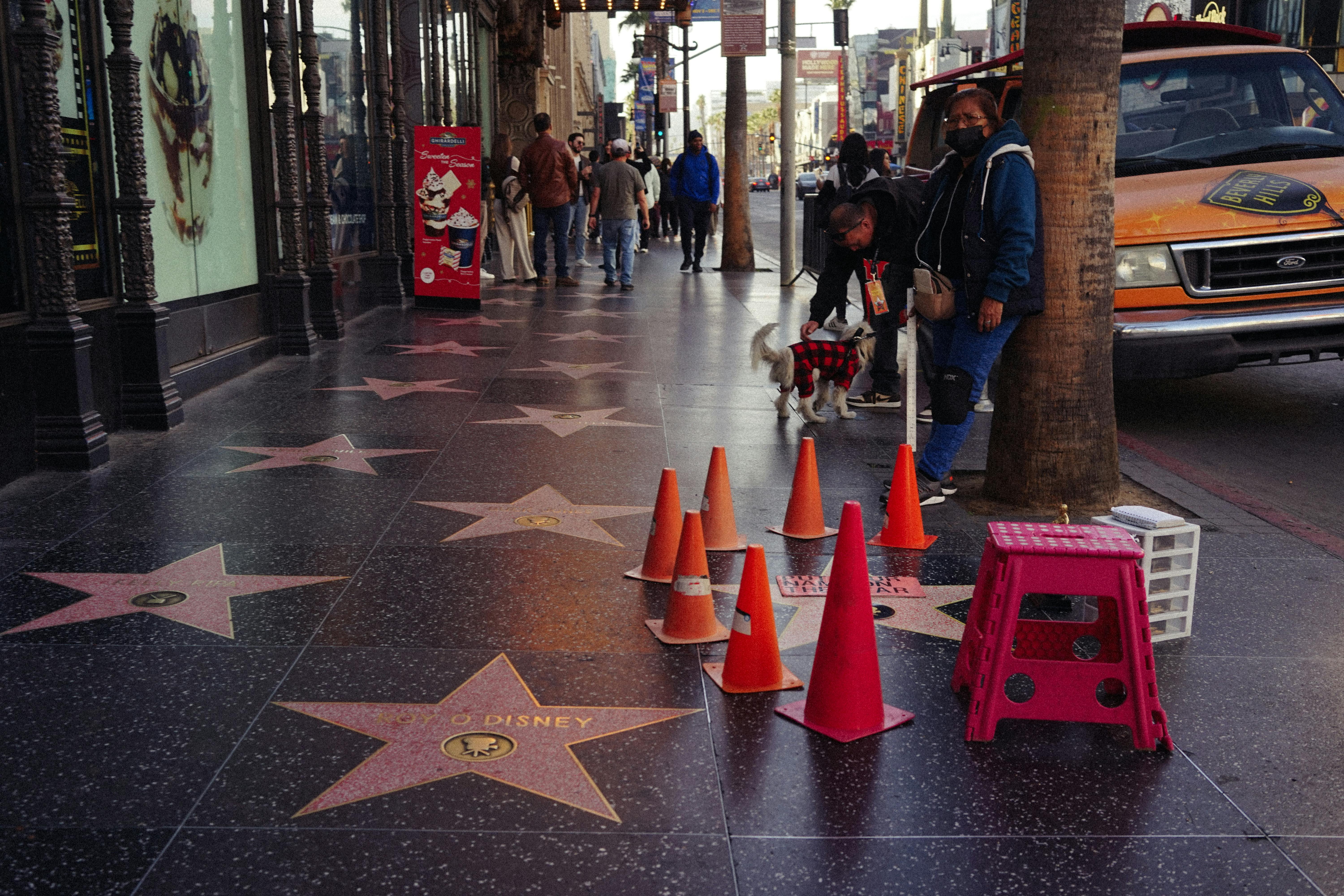
- Hollywood Walk of Fame
- TCL Chinese Theatre
- Dolby Theatre
These sites, within walking distance, provide a full Hollywood historic experience (Time Out Los Angeles).
Frequently Asked Questions (FAQ)
Q: Can I visit the interior of the Hollywood Masonic Temple?
A: Interior access is typically reserved for live tapings or special events.
Q: How do I reserve tickets for “Jimmy Kimmel Live!”?
A: Tickets are free and available via ABC’s website.
Q: Is the site wheelchair accessible?
A: Yes, the building and area offer accessibility accommodations.
Q: Are guided tours available?
A: Occasionally, via third-party tours or during special events.
Q: What are the best nearby attractions?
A: El Capitan Theatre, Hollywood Walk of Fame, TCL Chinese Theatre, Dolby Theatre.
Summary and Key Takeaways
The Hollywood Masonic Temple exemplifies the fusion of architecture, history, and culture, standing as a testament to Hollywood’s golden age and ongoing entertainment legacy. From its role as Hollywood Lodge No. 355’s home to its present function as a television studio, the Temple remains a vital piece of Los Angeles’ urban identity. While interior access is limited, the building’s grand Neo-Classical façade, central location among Hollywood’s landmarks, and the opportunity to attend live events ensure a memorable visit (lodge355.freemason.org; Curbed LA; MasonicFind; Hollywood Partnership; Spectra Company; ABC Tickets; Hollywood Forever).
Tickets & tours.
These are guided options from our partners — same price as booking direct.
Prices are indicative — final pricing and availability are confirmed at checkout. Audiala may earn a commission from bookings made through these links.
Listen to the full story in the app
The whole Hollywood Masonic Temple,
told well.
Listen to sourced travel stories with local history and practical context — ready offline.
Verified, and shown.
Researched and written by the Audiala editorial team from historical records, architectural archives, and local expertise.
Built from cited sources · see the method · How we make our guides →