Plan and listen to Hollywood Bowl with Audiala.
Audio guide in your pocket, itinerary in your browser. Built for the way you actually visit.
Introduction
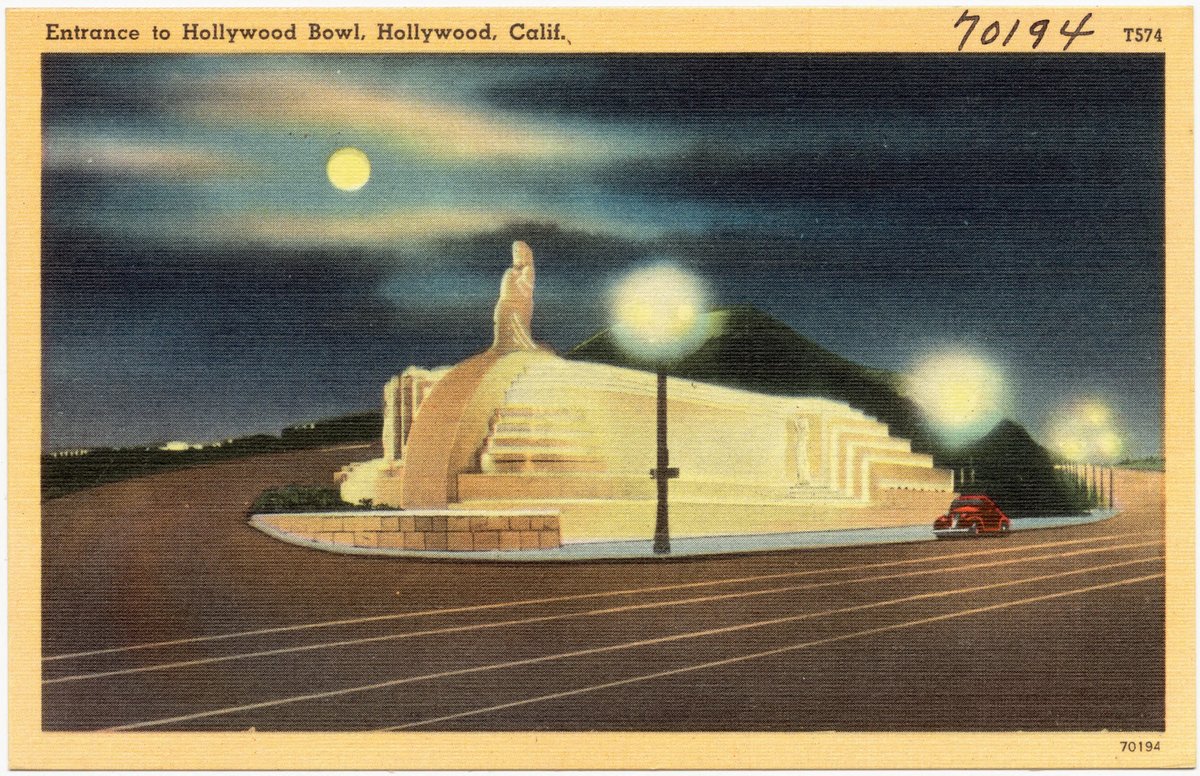
Nestled in the heart of Los Angeles, the Hollywood Bowl stands as one of the most iconic venues in the world. It is not just a place where music is performed; it is a historical landmark that mirrors the cultural evolution of the city itself. From its inception in 1918 as the "Hollywood Community Park and Art Center" to its current status as a premier performance venue, the Hollywood Bowl has a rich history that is deeply intertwined with Los Angeles' cultural fabric (source). This guide aims to provide a comprehensive overview of visiting the Hollywood Bowl, covering essential information such as visiting hours, ticket purchasing options, travel tips, and nearby attractions. Whether you are a first-time visitor or a long-time Angeleno, this guide will help you make the most of your visit to this remarkable venue.

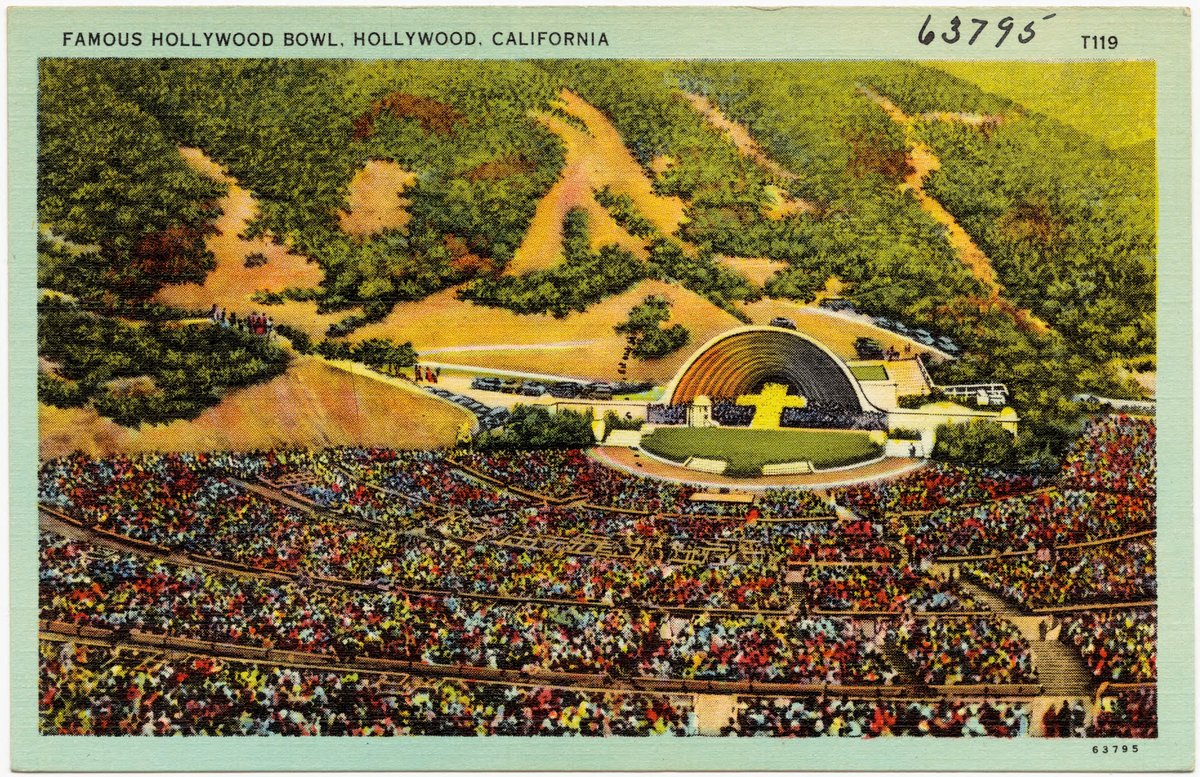
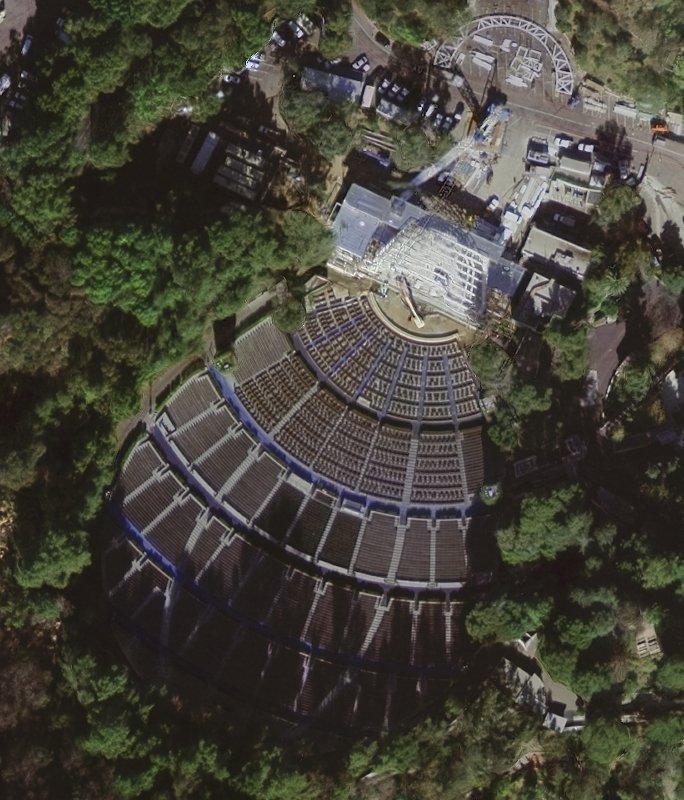
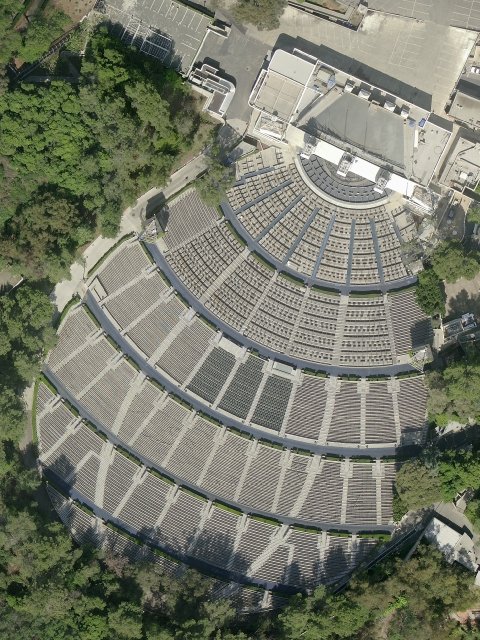
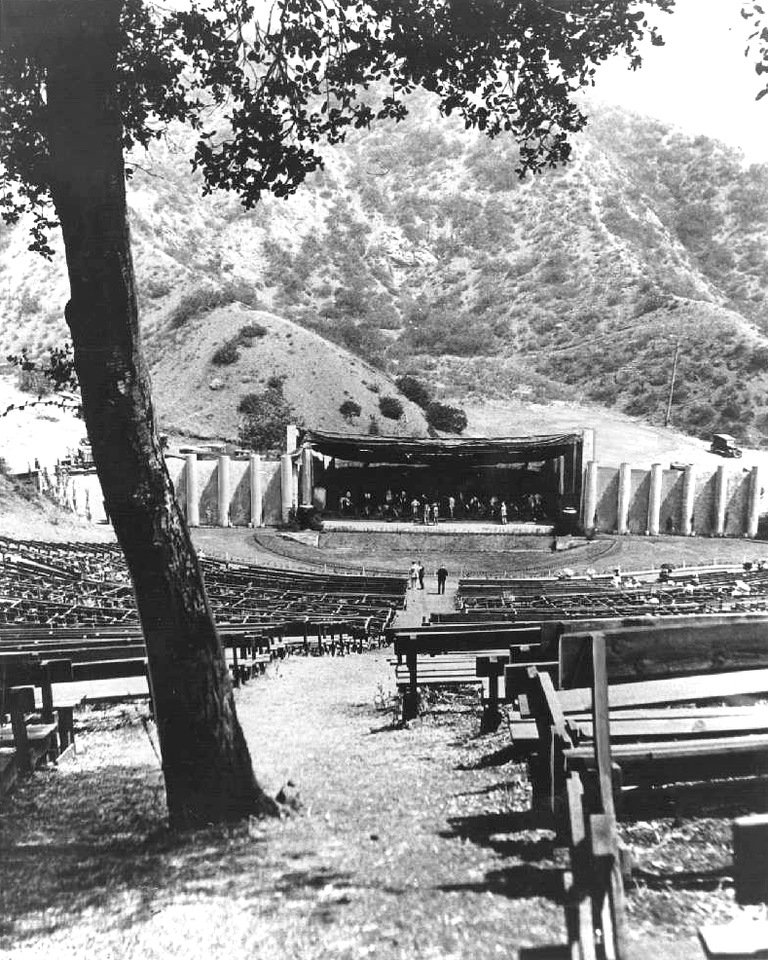


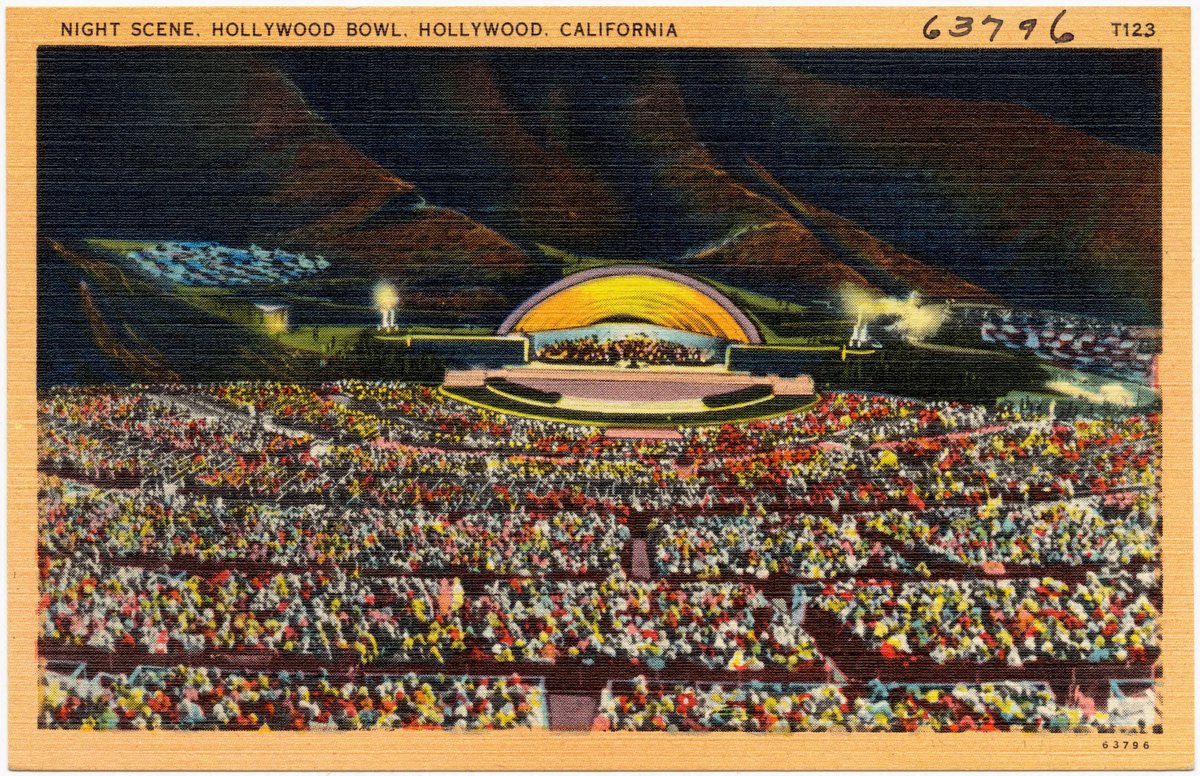
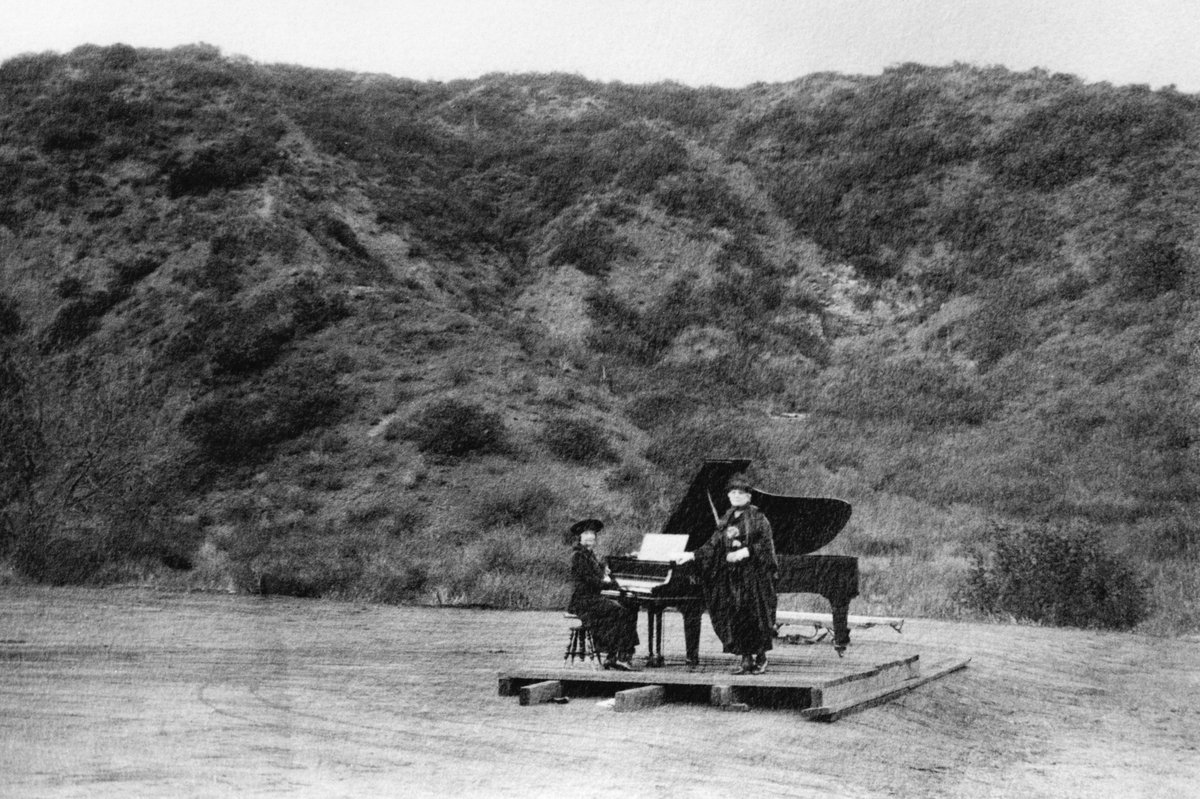
A Historical Serenade - The Hollywood Bowl's Journey Through Time
Nestled in the heart of Los Angeles, the Hollywood Bowl is more than just a music venue—it's a historical landmark that reflects the city's vibrant cultural evolution. From its humble beginnings to its iconic status today, the Hollywood Bowl has captivated audiences with its unique blend of natural beauty and artistic excellence. In this article, we'll explore the Bowl's fascinating history and its cultural significance.
A Natural Amphitheater Takes Center Stage (1918-1922)
The story begins in 1918, nestled in the Cahuenga Pass, where a natural amphitheater caught the eye of visionary Christine Wetherill Stevenson. Recognizing its acoustic potential, she envisioned an open-air venue for theatrical performances. This marked the birth of the "Hollywood Bowl," initially dubbed the "Hollywood Community Park and Art Center."
The inaugural performance in 1922, a modest affair featuring a production of Shakespeare's "Julius Caesar," set the stage for what was to come. The natural acoustics of the site, combined with the allure of performing under the stars, proved to be an instant hit.
From Wooden Benches to Architectural Marvels (1923-1929)
As the Bowl's popularity soared, so did the need for a more permanent and accommodating structure. In 1923, a simple wooden platform with canvas covering was erected, replaced a year later by a more substantial wooden structure designed by Lloyd Wright, son of the renowned architect Frank Lloyd Wright.
However, it was the arrival of the renowned architect Frank Lloyd Wright himself in 1928 that marked a turning point. His vision, a shell-shaped structure intended to blend seamlessly with the natural surroundings, aimed to enhance the Bowl's acoustics. Though his design proved impractical and was later dismantled, it laid the groundwork for the iconic shells to come.
The Sound of Progress - A Symphony of Shells (1929-2003)
The quest for acoustic perfection continued, leading to a series of iconic shells that would grace the Bowl's stage. Each iteration, from the spherical structure of 1929 to the striking asymmetrical design by Lloyd Wright in 1949, brought its own unique character and acoustic improvements.
The year 1951 saw the Bowl embrace a more modern aesthetic with a shell designed by the Allied Architects Association. This shell, with its distinctive white arches, became synonymous with the Hollywood Bowl experience for over two decades.
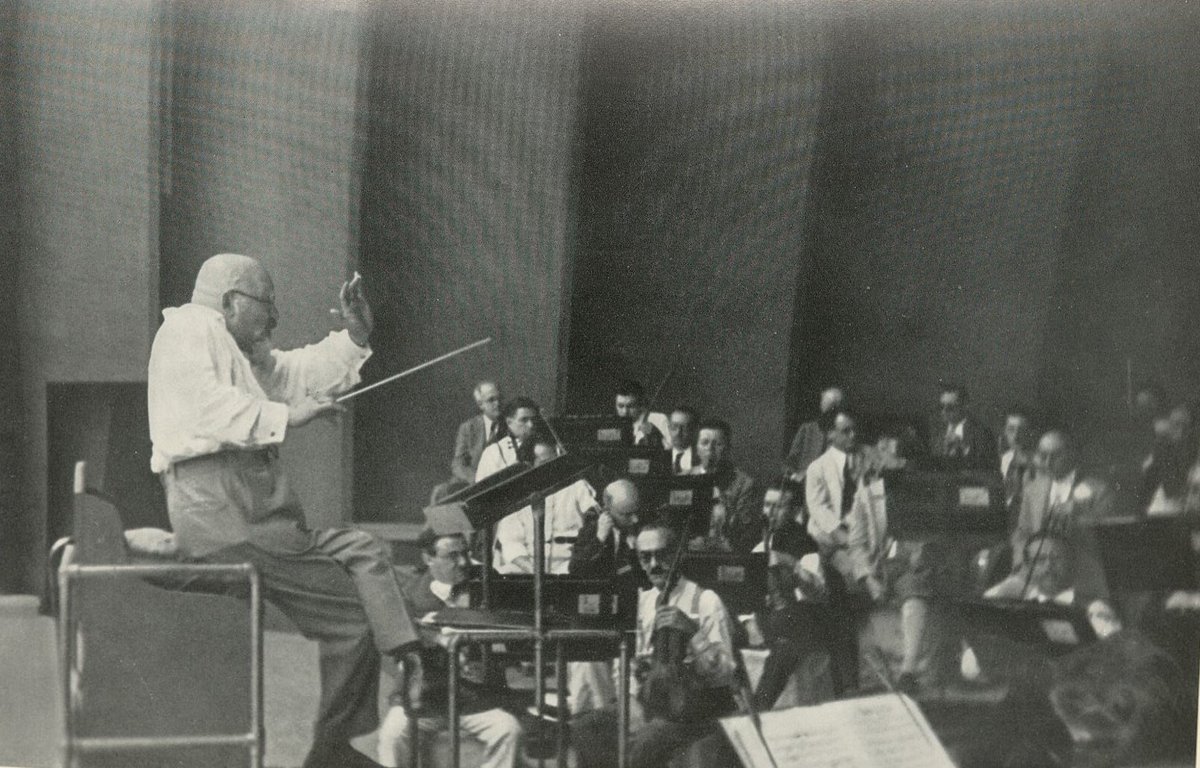
In 1961, the Los Angeles Philharmonic Orchestra, under the esteemed leadership of Zubin Mehta, found its summer home at the Bowl. This partnership marked a new era of musical excellence, attracting world-renowned artists and solidifying the Bowl's reputation as a premier performance venue.
A Legacy Renewed - The Bowl Enters the 21st Century (2004-Present)
The dawn of the new millennium brought with it a commitment to preserving the Bowl's legacy while enhancing its facilities for a new generation. In 2004, a major renovation project culminated in the unveiling of the current shell, designed by Hodgetts + Fung. This state-of-the-art structure, with its superior acoustics and modern amenities, seamlessly blended the Bowl's rich history with cutting-edge technology.
Visitor Information - Tickets, Visiting Hours, and Travel Tips
To fully enjoy a visit to the Hollywood Bowl, here are some essential details:
- Hollywood Bowl Tickets: Tickets can be purchased online through the official Hollywood Bowl website or at the box office. Prices vary depending on the event and seating location.
- Visiting Hours: The Hollywood Bowl is open to the public during scheduled events. It's advisable to check the official website for specific dates and times.
- Travel Tips: The Bowl is located at 2301 N Highland Ave, Los Angeles, CA 90068. Parking is available on-site, but it's recommended to use public transportation or rideshare services due to limited parking space.
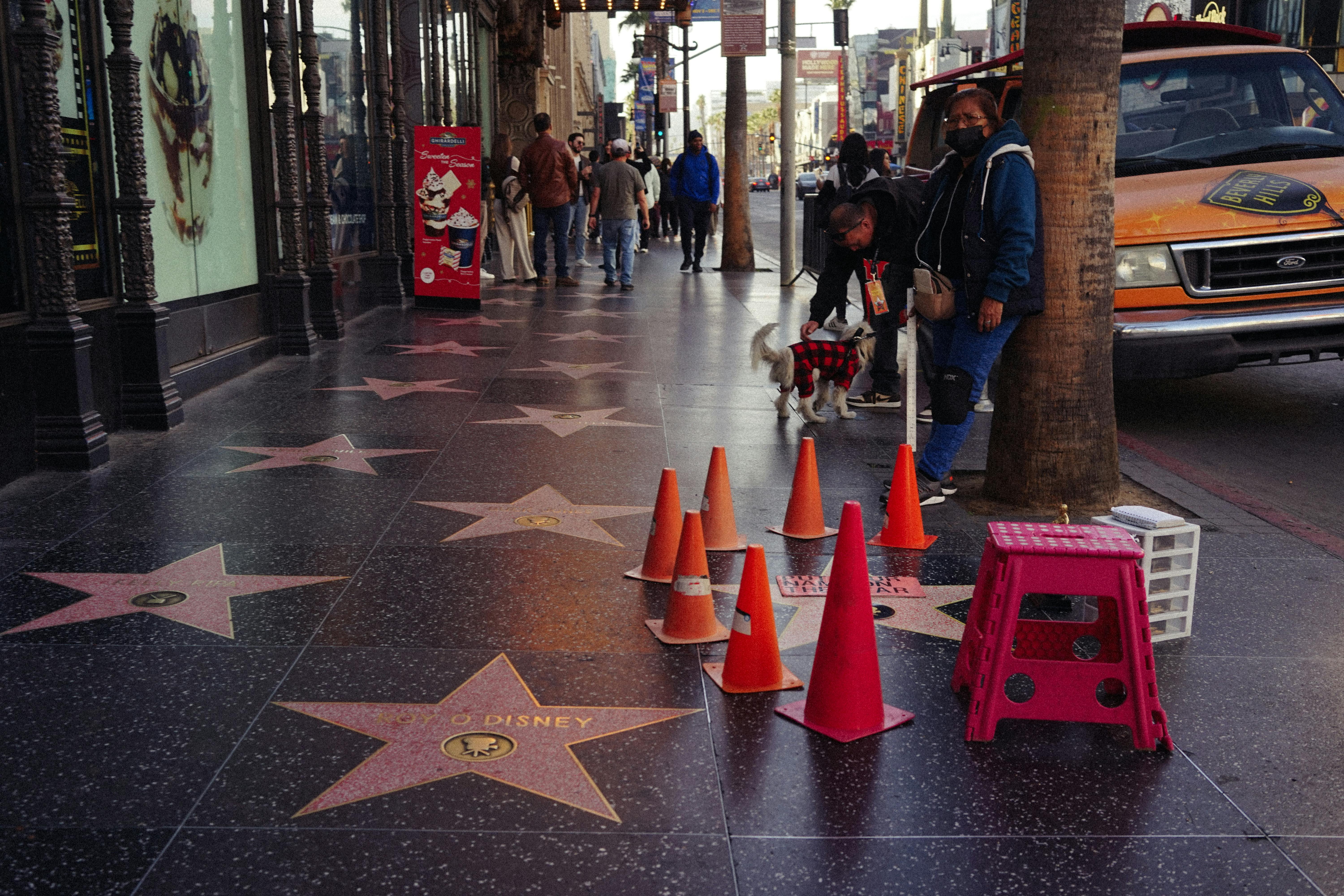
- Nearby Attractions: Visitors can explore nearby attractions such as the Hollywood Walk of Fame, Griffith Observatory, and the Los Angeles County Museum of Art (LACMA).
- Accessibility: The Hollywood Bowl offers accessible seating and services for guests with disabilities. Detailed information can be found on the official website.
Special Events and Guided Tours
The Hollywood Bowl hosts a variety of special events throughout the year, including the annual 4th of July Fireworks Spectacular and the Hollywood Bowl Jazz Festival. Guided tours are also available, providing a behind-the-scenes look at the venue's rich history and operations.
FAQ
Q: What are the Hollywood Bowl's visiting hours?
A: The Hollywood Bowl is open during scheduled events. Check the official website for specific dates and times.
Q: How can I buy tickets for Hollywood Bowl events?
A: Tickets can be purchased online through the official Hollywood Bowl website or at the box office.
Q: Is parking available at the Hollywood Bowl?
A: Yes, parking is available, but it's recommended to use public transportation or rideshare services due to limited parking space.
Q: Are there guided tours of the Hollywood Bowl?
A: Yes, guided tours are available and provide a behind-the-scenes look at the venue's history and operations.
Tickets & tours.
These are guided options from our partners — same price as booking direct.
Prices are indicative — final pricing and availability are confirmed at checkout. Audiala may earn a commission from bookings made through these links.
Listen to the full story in the app
The whole Hollywood Bowl,
told well.
Listen to sourced travel stories with local history and practical context — ready offline.
Verified, and shown.
Researched and written by the Audiala editorial team from historical records, architectural archives, and local expertise.
Built from cited sources · see the method · How we make our guides →