Plan and listen to Grauman'S Egyptian Theatre with Audiala.
Audio guide in your pocket, itinerary in your browser. Built for the way you actually visit.
Introduction
Grauman’s Egyptian Theatre stands as a monumental testament to Hollywood’s cinematic heritage. Since its opening in 1922, this iconic venue has not only set the stage for the world’s first movie premiere but also introduced the red carpet tradition, becoming a symbol of glamour, innovation, and cultural legacy in Los Angeles. Its striking Egyptian Revival architecture—born out of the Egyptomania movement—continues to captivate visitors, offering a blend of historic grandeur and modern cinematic experiences (American Cinematheque; Surf City Tours; LAist).
After nearly a century, the Egyptian Theatre has undergone extensive restorations, most recently through a partnership between the American Cinematheque and Netflix. Today, it remains a vibrant destination for cinephiles and tourists alike, hosting a diverse range of screenings, festivals, and special events. This guide provides detailed insights into the theatre’s history, architectural significance, visiting hours, ticketing, accessibility, nearby attractions, and practical travel tips, ensuring you make the most out of your visit to one of Los Angeles’ most treasured landmarks (Netflix Tudum; Time Out LA).

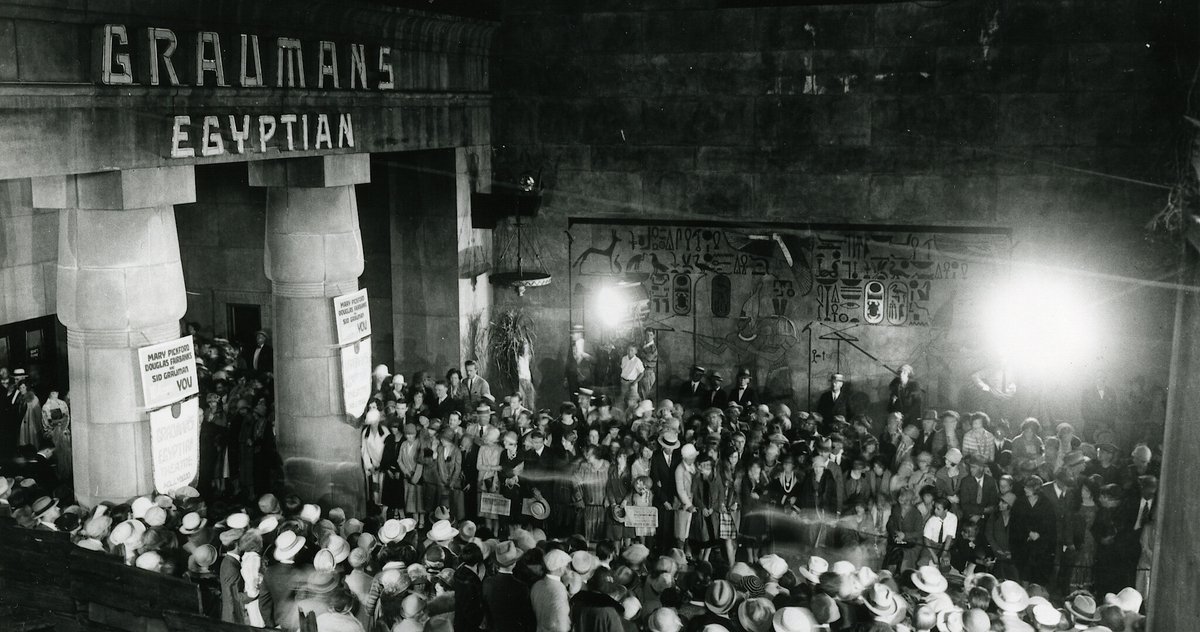
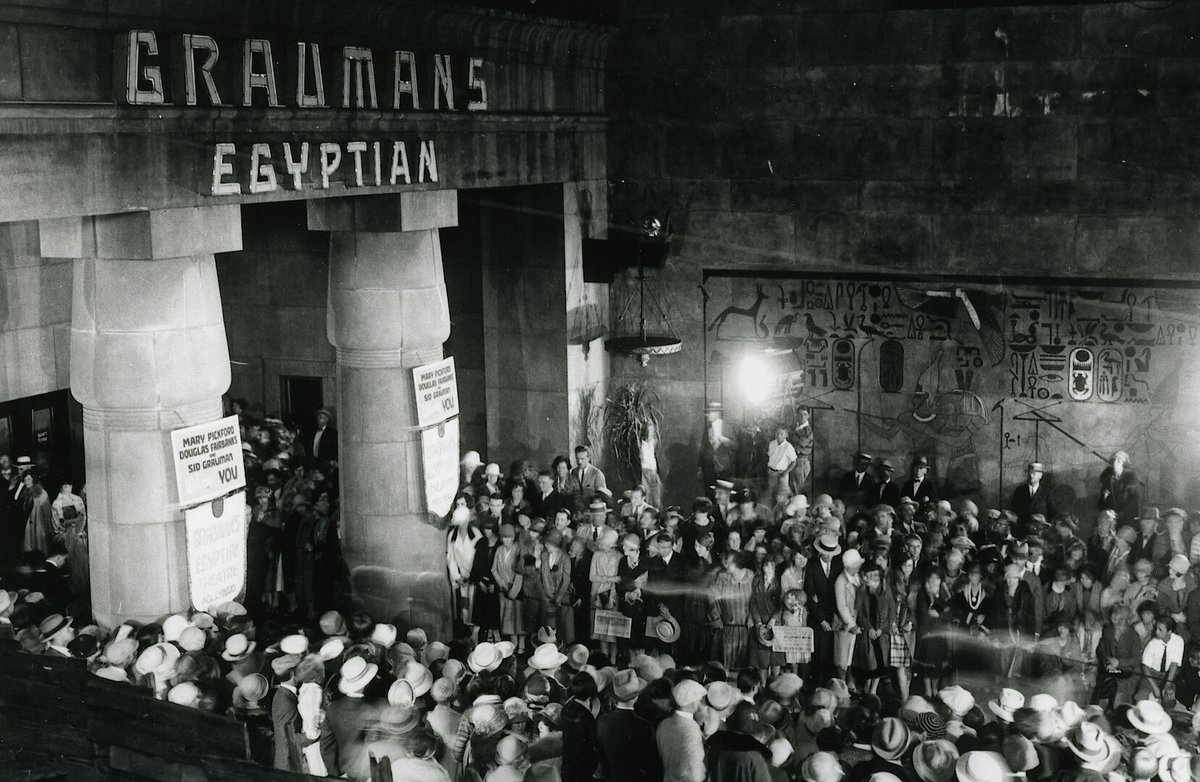
Origins and Early Development
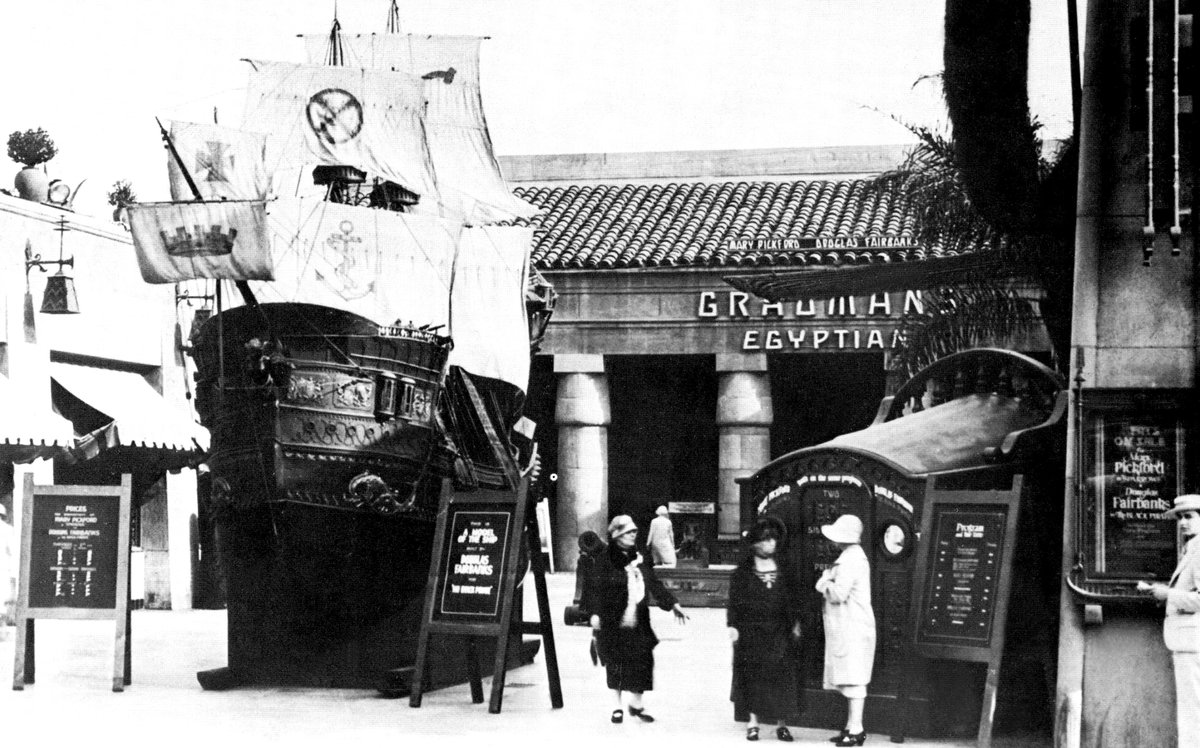
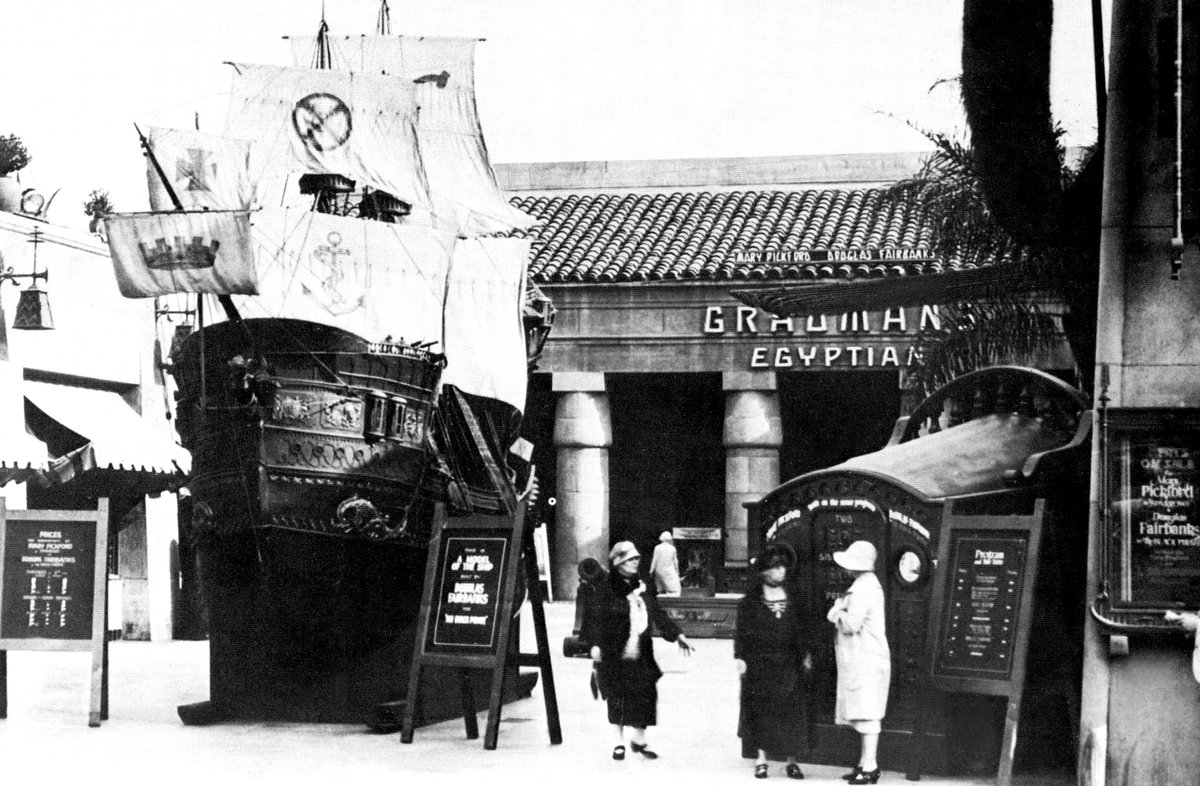
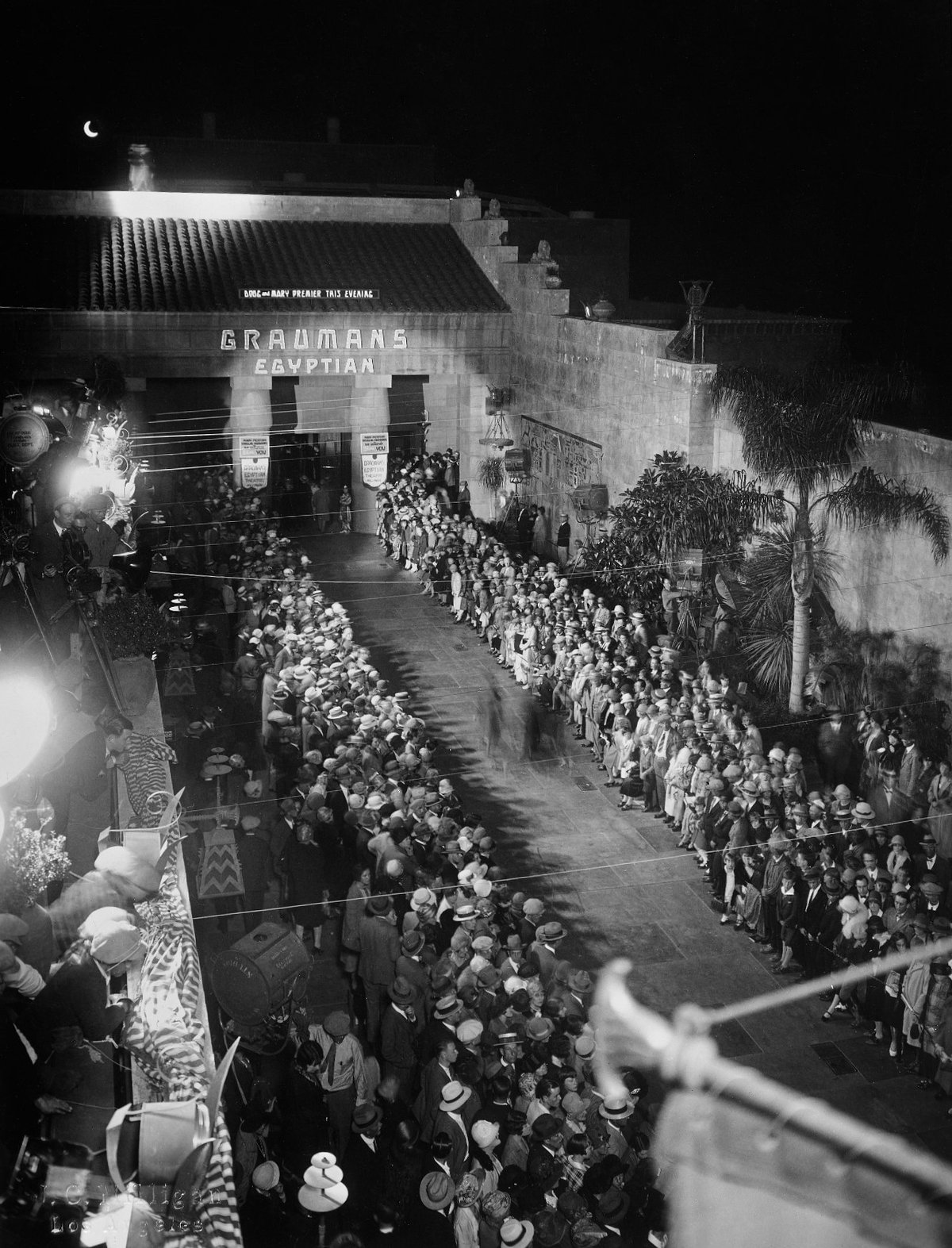
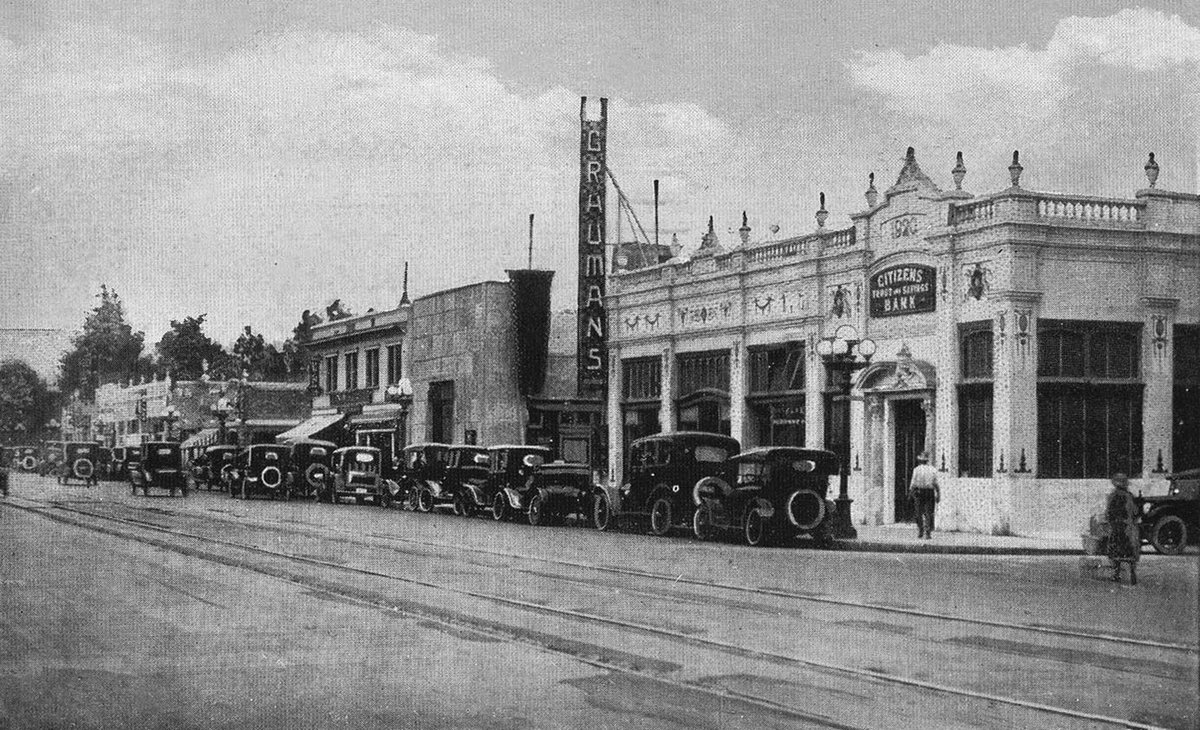
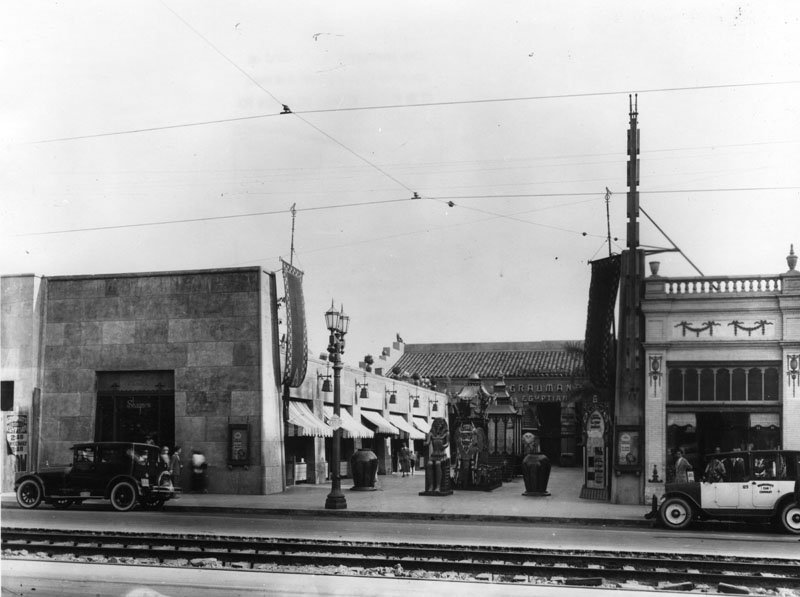
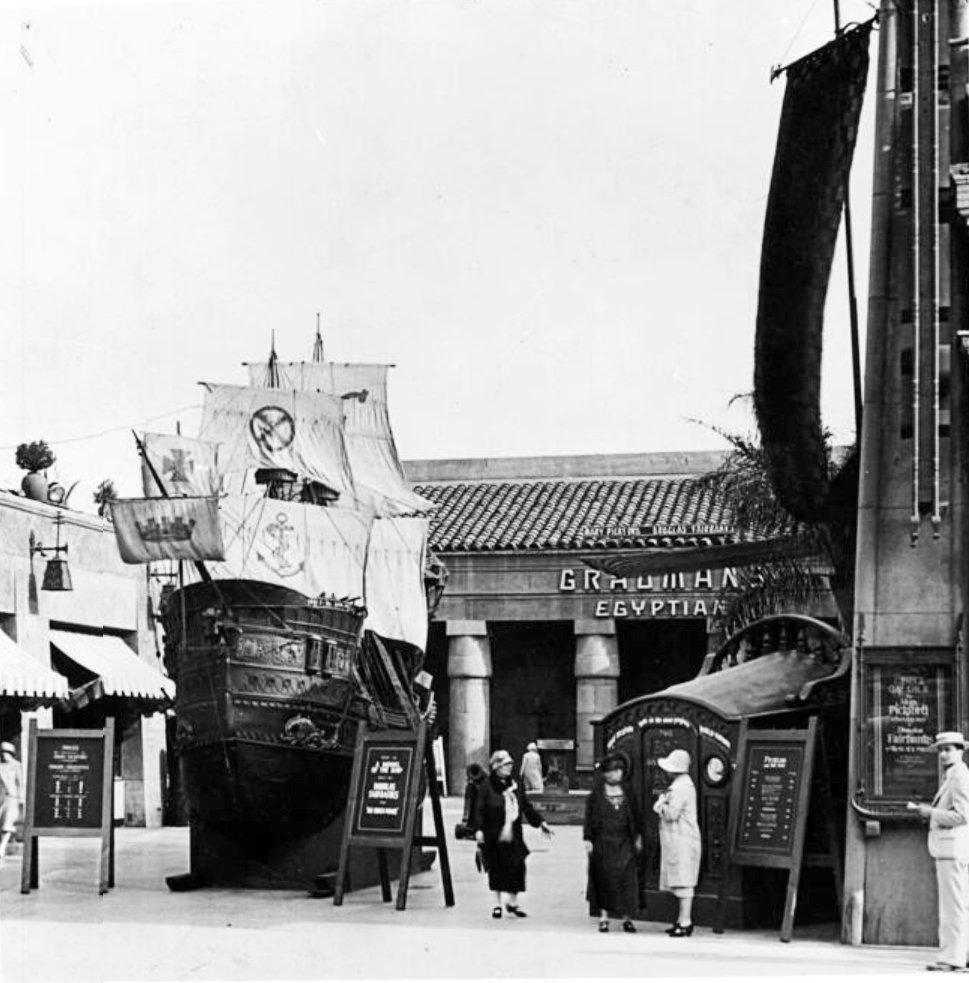
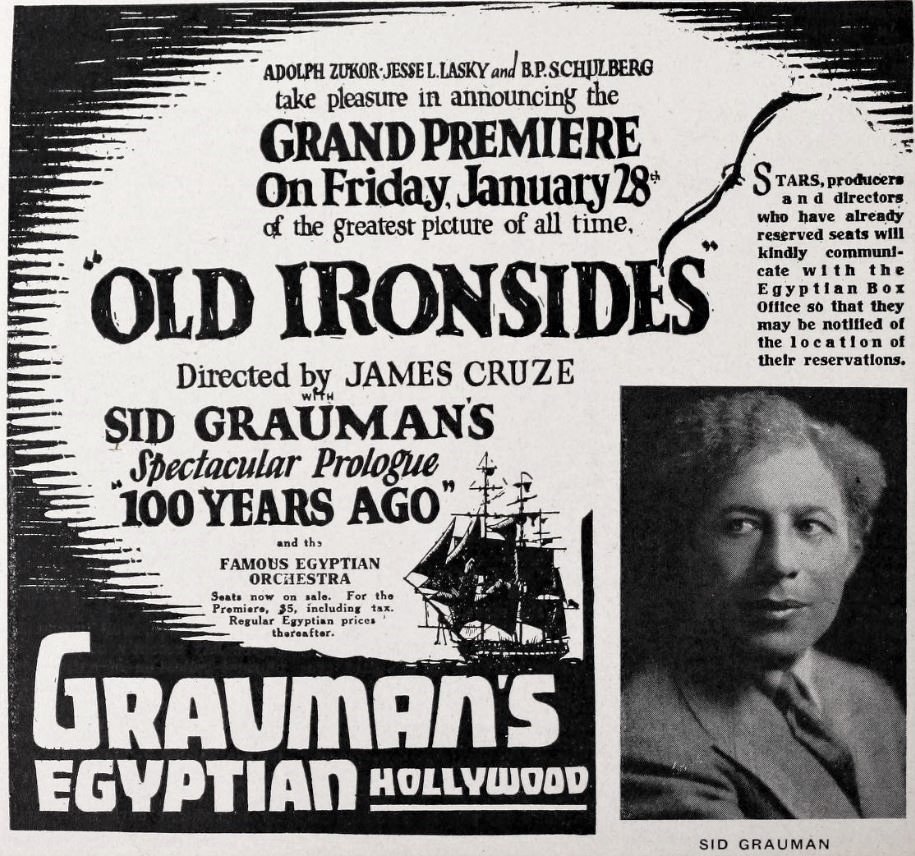
The vision for Grauman’s Egyptian Theatre began with Sid Grauman and Charles E. Toberman, who sought to create a movie palace that embodied the fantasy and spectacle of early 20th-century cinema. Construction commenced in 1921, culminating in a grand opening on October 18, 1922. The theatre’s debut was marked by the premiere of Douglas Fairbanks’ “Robin Hood,” an event that set the standard for Hollywood premieres and established the theatre as a hub for film royalty (Surf City Tours).
Architectural Significance and Egyptomania
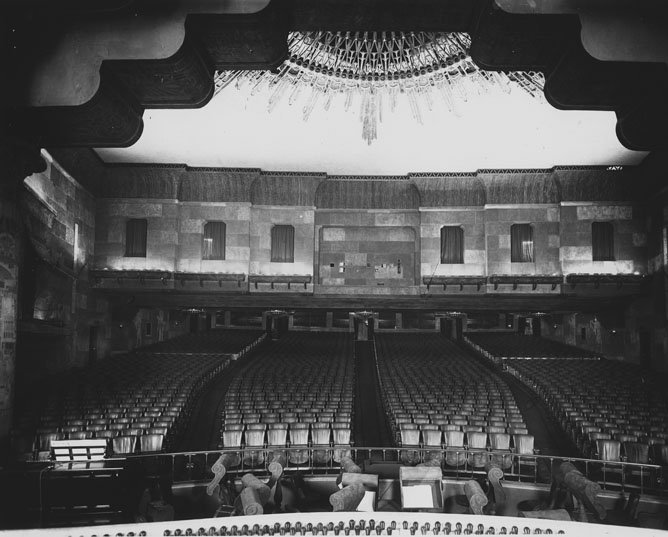
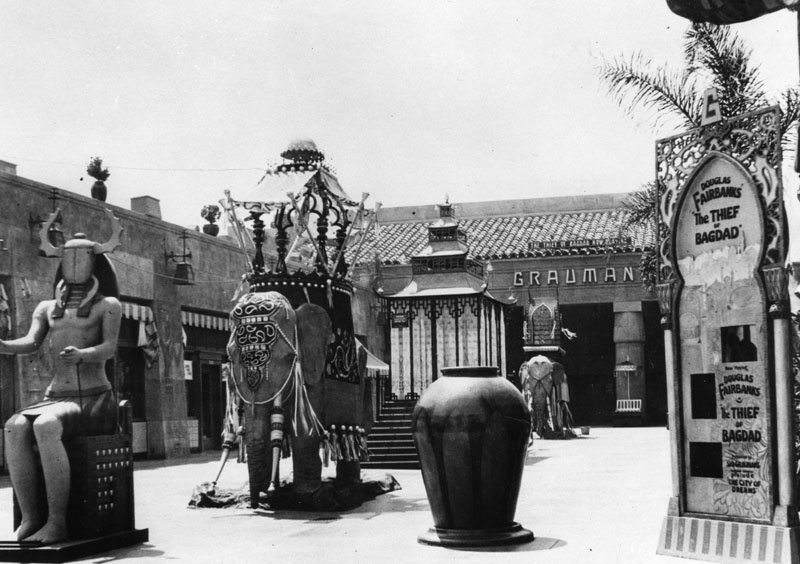
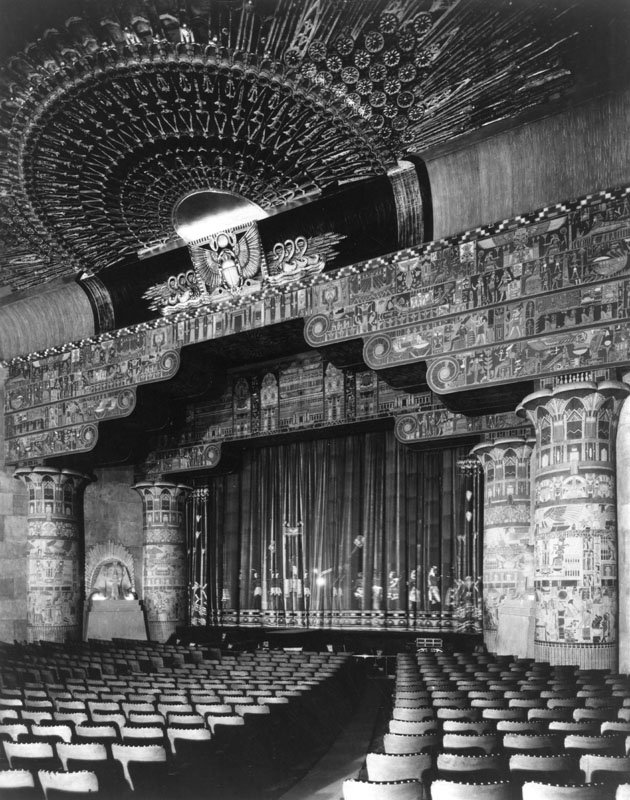
The Egyptian Theatre’s design is a masterwork of the Egyptian Revival style, reflecting the nationwide fascination with ancient Egypt that swept America after the discovery of King Tutankhamun’s tomb. The façade boasts massive columns, hieroglyphic murals, and a dramatic forecourt, all meticulously restored to their original splendor. Inside, visitors are greeted by ornate details such as a winged scarab proscenium and a sunburst ceiling, creating an immersive environment that transports audiences into a world of fantasy (Wikipedia; LAist).
The open-air forecourt—measuring 45 by 150 feet—was designed to leverage California’s climate and served as an early red carpet venue for premieres. The building’s scale and thematic ornamentation inspired the development of other iconic theatres, including Grauman’s Chinese Theatre and venues nationwide (Wikipedia).
Cultural Impact and Hollywood’s Rise
Grauman’s Egyptian Theatre played a pivotal role in Hollywood’s transformation into the global film capital. Its celebrated premieres drew celebrities, locals, and tourists, while its architectural opulence helped position Hollywood Boulevard as the heart of the entertainment industry. The success of the Egyptian inspired a wave of themed movie palaces across North America and set the template for immersive, atmospheric venues (LAist; Surf City Tours).
Evolution, Decline, and Restoration
Despite its early success, the Egyptian Theatre faced competition from newer venues, notably Grauman’s Chinese Theatre. By the late 20th century, the theatre entered a period of decline and was ultimately closed in 1992. The building suffered further damage during the 1994 Northridge earthquake (Surf City Tours).
A turning point came in 1996, when the American Cinematheque acquired the property for $1, with the promise of restoring it as a cultural landmark. A comprehensive $12.8 million restoration revived the theatre’s architectural elements and modernized its facilities, reducing seating for comfort and adding a second screening space. In 1998, the theatre reopened, reclaiming its status as a premier venue for classic and independent film (Wikipedia; American Cinematheque).
21st Century Transformation
In 2020, Netflix acquired the Egyptian Theatre, embarking on a meticulous restoration that emphasized historical accuracy while incorporating state-of-the-art projection and sound. The American Cinematheque continues to program the theatre on weekends, hosting film festivals and retrospectives, while Netflix utilizes the space for premieres and special events during the week. The theatre’s reopening in November 2023 marked a new era, with a seating capacity of 516 and enhanced accessibility and comfort (LAist; Time Out LA).
Notably, the Egyptian Theatre is one of only a handful of venues in the United States equipped to project rare nitrate film, as well as 35mm, 70mm, and digital formats—making it a destination for cinephiles seeking authentic film experiences (American Cinematheque).
Visiting Information
Visiting Hours
- American Cinematheque programming: Fridays–Sundays, generally with evening screenings.
- Netflix events: Mondays–Thursdays, often reserved for private events and premieres.
- General hours: The theatre commonly opens one hour before showtimes. Always check the official website for the latest schedule.
Tickets and Admission
- Pricing: Standard screenings typically range from $12 to $20. Prices may vary for special events or festivals.
- How to buy: Purchase online via the American Cinematheque ticket portal or at the box office, subject to availability. Early booking is recommended due to limited seating.
Guided Tours and Events
- While regular guided tours are limited, special events and film festivals often include behind-the-scenes access or talks about the theatre’s history. Check the theatre’s event calendar for unique experiences.
Accessibility
- The theatre is fully ADA-compliant, with accessible seating, ramps, restrooms, and assistive listening devices. For additional accommodations, contact the theatre in advance.
Getting There and Parking
- Address: 6712 Hollywood Blvd, Los Angeles, CA 90028.
- Public Transit: A short walk from the Hollywood/Highland Metro Red Line station.
- Parking: Multiple parking lots and garages are available nearby; rates and availability may vary.
Nearby Attractions
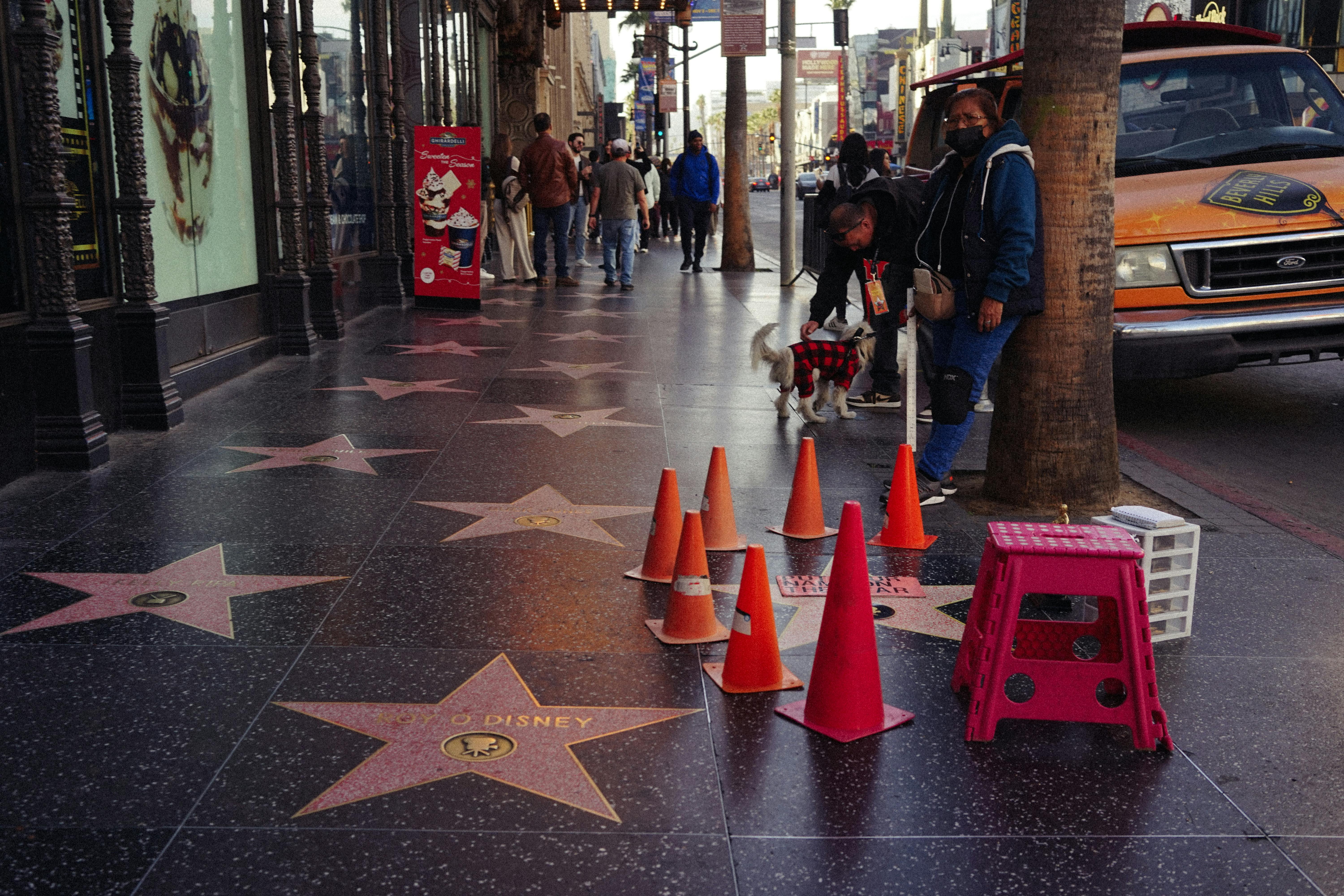
- Hollywood Walk of Fame
- TCL Chinese Theatre
- Hollywood & Highland Center
- El Capitan Theatre
Hollywood Boulevard also offers numerous dining and shopping options within walking distance.
Visuals and Media
Explore high-resolution images, virtual tours, and historical exhibits on the American Cinematheque website. Photography is encouraged in the forecourt and lobby; however, it is prohibited inside the auditorium during screenings.
Frequently Asked Questions (FAQ)
What are the Egyptian Theatre’s visiting hours?
Visiting hours depend on programming, but the theatre is generally open Fridays–Sundays for public screenings and events. Check the official website for the latest information.
How do I buy tickets?
Tickets are available online or at the box office. Early booking is recommended due to limited capacity.
Is the theatre wheelchair accessible?
Yes, the venue offers comprehensive accessibility features, including ramps, seating, and restrooms.
Are guided tours available?
Public tours are rare, but special events may offer behind-the-scenes access. Refer to the events calendar for opportunities.
What attractions are nearby?
The Egyptian Theatre is close to major Hollywood landmarks including the Walk of Fame, TCL Chinese Theatre, and Hollywood & Highland Center.
Listen to the full story in the app
The whole Grauman'S Egyptian Theatre,
told well.
Listen to sourced travel stories with local history and practical context — ready offline.
Verified, and shown.
Researched and written by the Audiala editorial team from historical records, architectural archives, and local expertise.
Built from cited sources · see the method · How we make our guides →