Plan and listen to Getty Center with Audiala.
Audio guide in your pocket, itinerary in your browser. Built for the way you actually visit.
Introduction
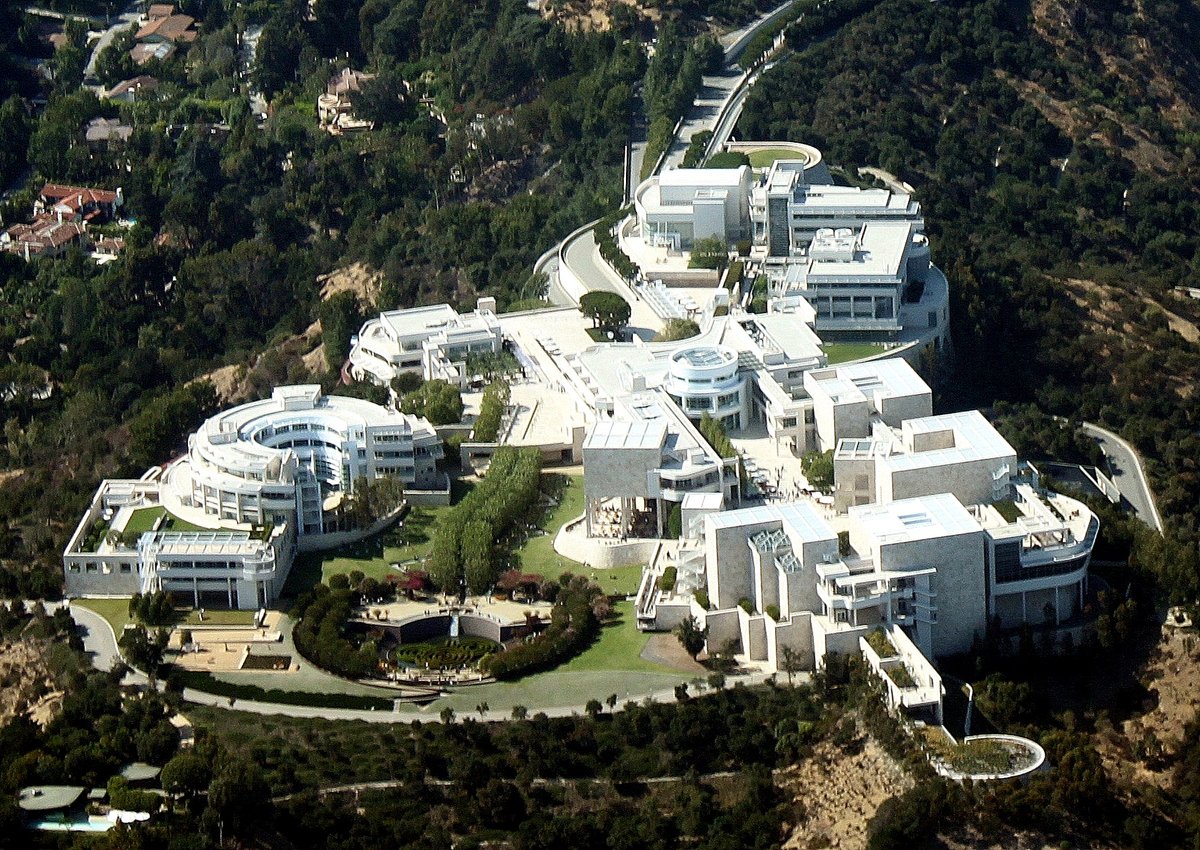
Perched atop a scenic hill in Brentwood, Los Angeles, the Getty Center is a beacon of art, architecture, and cultural preservation. Since opening in 1997, the Center has become one of the city’s premier historical sites—offering visitors world-class art collections, innovative conservation research, and a striking architectural campus designed by Richard Meier. The Getty Center stands as a testament to the vision of industrialist Jean Paul Getty, whose legacy is reflected in the breadth of the museum’s holdings and its commitment to accessibility, sustainability, and community engagement (Getty Museum Mission & History; Getty History and Timeline PDF).
This comprehensive guide covers everything you need to plan your visit, from hours and ticketing to must-see collections, visitor amenities, safety protocols, and practical tips for making the most of your experience at this iconic Los Angeles landmark.

Origins and Development
The Getty Center’s roots go back to Jean Paul Getty (1892–1976), an oil magnate whose passion for art led to the creation of the J. Paul Getty Museum Trust in 1953. Initially, his collection was displayed in his Pacific Palisades ranch house and later expanded with the opening of the Getty Villa in 1974, modeled after a Roman villa (Getty Museum Mission & History; Getty History and Timeline PDF).
Upon Getty’s death, his estate endowed the museum trust with unprecedented resources—paving the way for the development of a unified campus in Brentwood. The Getty Center was conceived in the early 1980s to house not only the museum but also the Getty Research Institute, Getty Conservation Institute, and Getty Foundation (We Like LA; Getty Center Information). Construction began in 1989, culminating in the Center's 1997 public opening—at a cost exceeding $1 billion (ArchDaily; ThoughtCo).
Architecture and Campus Features
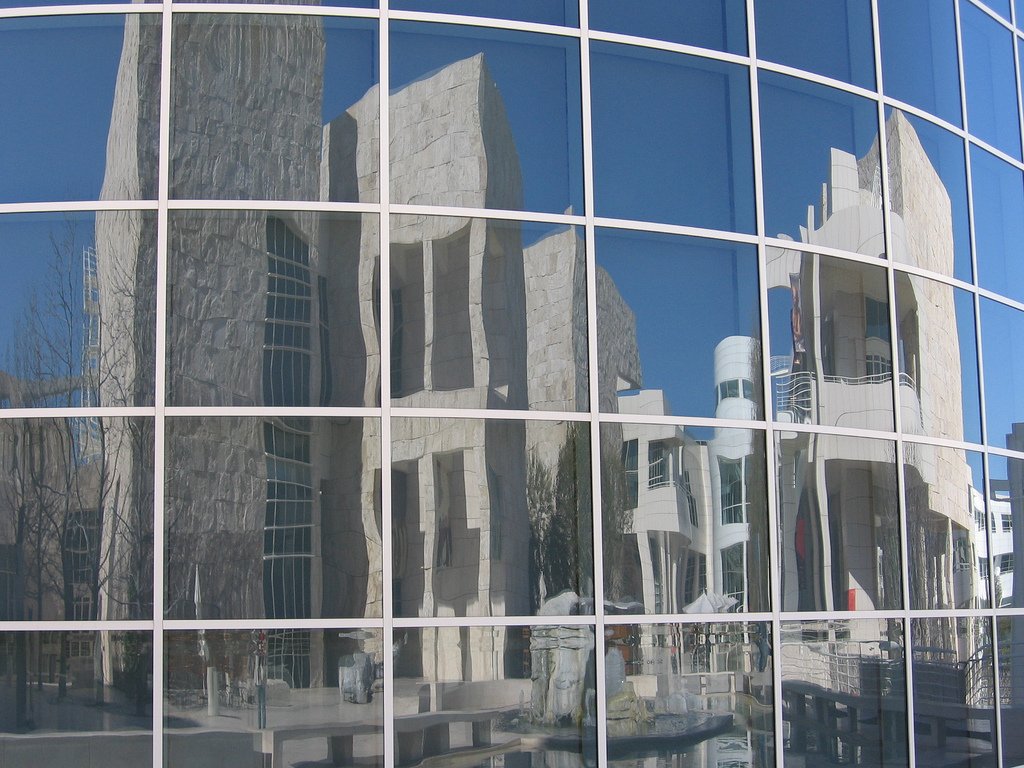
Richard Meier’s design masterfully integrates modernist aesthetics with practical considerations such as fire resilience and environmental sustainability. The campus sits along two ridges, with travertine-clad buildings arranged around a central plaza. Meier’s signature style—clean lines, abundant glass, and geometric forms—harmonizes with the Santa Monica Mountains (ArchDaily).
Significant architectural features:
- Three stories above and three below ground, complying with local height restrictions.
- Central garden designed by artist Robert Irwin, providing a living artwork and a tranquil retreat (Getty Center Visitor Info).
- LEED certification for sustainable design, incorporating natural light and energy-saving technologies.
Collections and Exhibitions
European Paintings
The Getty Center’s European paintings collection is among its highlights, featuring masterpieces by Rembrandt, Van Gogh, Titian, and Monet. Works such as Rembrandt’s “The Abduction of Europa” and Van Gogh’s “Irises” are major visitor draws (Getty Center Exhibitions).
Manuscripts and Sacred Art
The illuminated manuscripts collection includes rare Christian texts and sacred objects, some dating to the 9th century. Rotating displays allow for preservation while showcasing the evolution of sacred art (Aleteia: Getty Center Sacred Art).
Decorative Arts and Sculpture
The decorative arts galleries offer ornate French furniture, tapestries, ceramics, and glassware from the Renaissance through the 19th century. The sculpture collection features works by Jean-Antoine Houdon, François Rude, and contemporary outdoor installations (Getty Center Explore Art).
Photography
The Getty’s photography holdings are among the most comprehensive in the U.S., spanning from the medium’s beginnings to contemporary works. Summer 2025 features the “Queer Lens: A History of Photography” exhibition, highlighting LGBTQ+ perspectives through works by Andy Warhol, Catherine Opie, and others (Artsy: Queer Lens Exhibition).
Special Exhibitions
Special exhibitions draw on both the Getty’s collections and international loans, exploring topics from art movements to social histories. Public programs, artist talks, and educational workshops often accompany these shows (Getty Center What's On).
Gardens and Outdoor Art
The Central Garden, with its meandering stream and azalea maze, is a highlight for visitors. Terraces and plazas display contemporary sculptures, while panoramic views of Los Angeles enhance the outdoor experience (Getty Center Visitor Info).
Visiting Information: Hours, Tickets, and Getting There
Visiting Hours
- Tuesday–Sunday: 10:00 AM to 5:30 PM (last admission at 5:00 PM)
- Closed: Mondays and major holidays
- Note: Hours may vary during special events—always check the official website (Getty Center Visit).
Tickets and Admission
- Admission: Free
- Timed-entry reservations: Required and available online (Getty Center Official Site)
- Parking: $20 per car (free after 5:00 PM); discounts for motorcycles/bikes; advance reservations recommended during peak times
Getting There
- Address: 1200 Getty Center Drive, Los Angeles, CA 90049
- By car: Accessible via I-405; parking garage at base of hill with complimentary tram service to the museum
- Public transport: Metro bus lines service nearby stops (Getty Center Visit)
- Rideshare: Drop-off and pick-up zones available
Accessibility and Amenities
- Fully wheelchair accessible: Elevators, ramps, accessible restrooms, and wheelchair rentals
- Assistive listening devices and large-print materials available
- Multilingual audio guides and family activity guides
- Information desks, complimentary Wi-Fi, and orientation maps provided
- The GettyGuide® app offers interactive maps and audio tours
Safety, Conservation, and Sustainability
Fire Safety and Emergency Preparedness
The Getty Center’s architecture and landscaping make it one of the most fire-resilient museums globally:
- Travertine stone and reinforced concrete act as flame barriers
- Minimal flammable landscaping and defensible open spaces (EAA Architecture)
- Advanced automated fire suppression systems and on-site emergency response teams
- Proactive closure policies during wildfire threats (LA Times)
- Regular safety drills and clear evacuation routes
Collection Protection and Conservation
- Climate-controlled galleries with independent temperature/humidity systems (Getty Conservation Institute)
- Emergency relocation protocols and protective encasements for vulnerable works
- On-site Getty Conservation Institute leads research and training in preservation
Sustainability
- LEED-certified design, water-efficient landscaping, and energy-saving building systems (Sway Features)
- Waste reduction and recycling initiatives
- Emphasis on environmental stewardship and methane mitigation
Dining, Shopping, and Outdoor Spaces
- The Restaurant: Full-service dining with panoramic city views (reservations recommended)
- The Café: Casual fare with indoor and terrace seating
- Coffee carts/kiosks: Snacks and beverages throughout campus
- Museum Store: Art books, prints, gifts, jewelry, and educational items
- Picnic areas: Available in the Central Garden and lawns
Frequently Asked Questions (FAQs)
Q: What are the Getty Center’s visiting hours?
A: Tuesday–Sunday, 10:00 AM to 5:30 PM; closed Mondays.
Q: Is admission free?
A: Yes, but timed-entry reservations are required.
Q: Is parking available?
A: Yes, for a $20 fee per car (complimentary after 5:00 PM); discounts for motorcycles and bikes.
Q: Are guided tours and audio guides available?
A: Yes, both are available—check the website for current schedules.
Q: Is the Getty Center accessible for visitors with disabilities?
A: Yes, the campus is fully accessible with accommodations and evacuation plans.
Q: Can I bring food?
A: Picnicking is allowed in designated outdoor areas.
Q: Are pets allowed?
A: Only service animals may enter.
Q: When is the best time to visit?
A: Weekday mornings and off-peak seasons offer lighter crowds.
Tickets & tours.
These are guided options from our partners — same price as booking direct.
Prices are indicative — final pricing and availability are confirmed at checkout. Audiala may earn a commission from bookings made through these links.
Listen to the full story in the app
The whole Getty Center,
told well.
Listen to sourced travel stories with local history and practical context — ready offline.
Verified, and shown.
Researched and written by the Audiala editorial team from historical records, architectural archives, and local expertise.
Built from cited sources · see the method · How we make our guides →