Plan and listen to El Cabrillo with Audiala.
Audio guide in your pocket, itinerary in your browser. Built for the way you actually visit.
Introduction: The Enduring Allure of El Cabrillo
Nestled in the heart of Hollywood, El Cabrillo stands as a testament to Los Angeles’ Golden Age of cinema and architectural innovation. Designed in 1927–1928 by the acclaimed architectural duo Arthur and Nina Zwebell for legendary film producer Cecil B. DeMille, this historic courtyard apartment complex epitomizes the Spanish Colonial Revival and Mediterranean styles that defined Southern California residential elegance during the early 20th century. El Cabrillo’s brick construction, handcrafted details, and lush courtyard—brought to life by set craftsmen from DeMille’s film productions—have made it a cherished site for architecture enthusiasts and film buffs alike. Today, El Cabrillo is celebrated as a Los Angeles Historic-Cultural Monument and is listed on the National Register of Historic Places. Its unmistakable presence in television and film, including HBO’s "Perry Mason" and NBC’s "Chuck," cements its status as an icon of Hollywood’s storied past. While it remains a private residence, visitors can admire its exterior and courtyard from public vantage points or enjoy its inclusion in select guided walking tours of Hollywood’s architectural and cinematic landmarks. This guide details the history, cultural significance, visitor information, and preservation efforts that make El Cabrillo a must-see for anyone exploring Hollywood’s historic sites (The Hollywood Home; Hooked on Houses; Roadtrippers).
Historical Background
Origins and Architectural Vision
El Cabrillo emerged during a period of rapid expansion and creativity in Los Angeles. Arthur and Nina Zwebell, renowned for their innovative courtyard apartment designs, blended Spanish Colonial Revival and Mediterranean influences to create a luxurious yet intimate space. Commissioned by Cecil B. DeMille, the complex became an exclusive haven for Hollywood’s creative elite, thoughtfully integrating set design artistry into its architectural details (The Hollywood Home).
Construction and Distinctive Features
Unlike the Zwebells’ typical stucco and wood projects, El Cabrillo is distinguished by its brick construction, ensuring both durability and visual distinction. Its central courtyard, adorned with a Moorish-inspired fountain, hand-painted Catalina tiles, and intricate wrought-iron work, serves as a tranquil oasis. Each of the ten units features unique elements such as timbered ceilings and carved fireplaces reminiscent of cinematic grandeur (The Hollywood Home).
Cultural and Historical Significance
El Cabrillo’s recognition as Los Angeles Historic-Cultural Monument #773 and its listing on the National Register of Historic Places underscore its importance. The building fostered a close-knit community of entertainment professionals and remains one of Hollywood’s most fashionable and storied addresses.
Hollywood Connections and Pop Culture Legacy
From its origin as a DeMille commission to its continued influence in film and television, El Cabrillo’s cinematic legacy is robust. Its atmospheric design has been featured in series such as HBO’s "Perry Mason," NBC’s "Chuck," and Fox’s "911," reinforcing its place in Hollywood’s visual narrative (Hooked on Houses).
Visiting El Cabrillo: Practical Information
Visiting Hours & Access
El Cabrillo is a private residential complex and is not open for regular public tours. However, its remarkable exterior and landscaped courtyard can be viewed from the sidewalk along Grace Avenue. Select guided walking tours of Hollywood may include El Cabrillo as a featured site.
Tickets & Tours
Public tours and tickets are not typically available for El Cabrillo, but organizations such as the Los Angeles Conservancy and Hollywood Heritage occasionally offer special events or open house opportunities. Check their websites for the latest updates on events and tour schedules.
Accessibility
The building is located on Grace Avenue, with limited street parking available. While the sidewalks are maintained, accessibility inside the complex is restricted due to its residential status and period construction. Those with mobility needs should consult event organizers for accommodations during special tours.
Travel Tips & Nearby Attractions
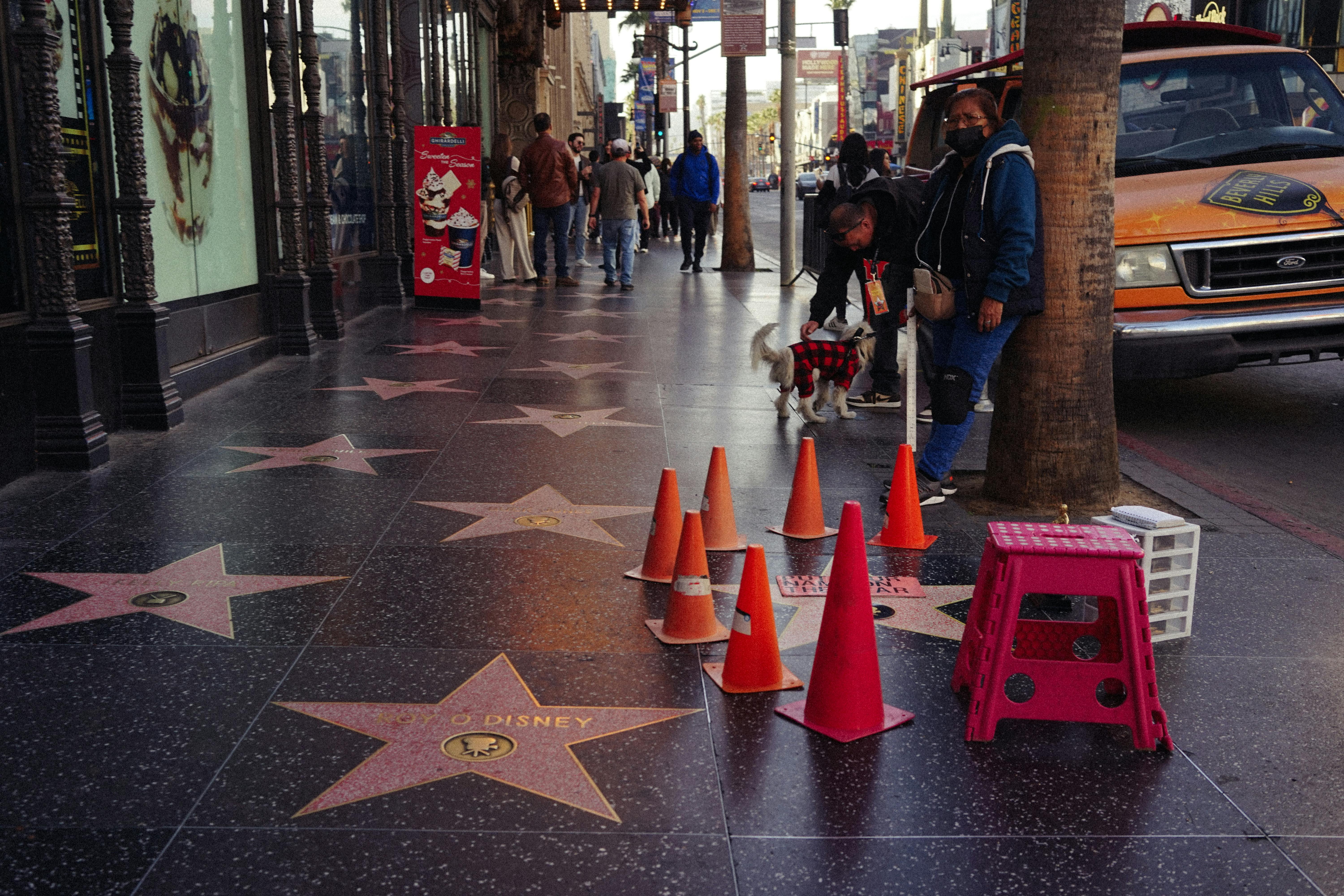
El Cabrillo’s prime Hollywood location puts it within walking distance of major attractions such as the Hollywood Walk of Fame, TCL Chinese Theatre, Hollywood Bowl, and the Hollywood Museum. Early mornings or late afternoons offer optimal lighting for photography. After visiting, enjoy nearby dining and shopping along Hollywood Boulevard.
Preservation and Recognition
El Cabrillo’s status as a Los Angeles Historic-Cultural Monument and inclusion on the National Register of Historic Places ensures its preservation and architectural integrity. Residents benefit from programs like the Mills Act, which incentivizes historic preservation (The Hollywood Home). Ongoing restoration efforts and community advocacy maintain El Cabrillo’s legacy for future generations.
Frequently Asked Questions (FAQ)
Q: Can I tour the interior of El Cabrillo?
A: No. El Cabrillo is a private residence; only the exterior and courtyard can be viewed from public sidewalks.
Q: Are public tours or open houses available?
A: Occasionally, preservation organizations offer special events. Check the Los Angeles Conservancy and Hollywood Heritage for announcements.
Q: Is parking available?
A: Street parking is available but limited. Public transportation or ride-share services are recommended.
Q: What nearby attractions should I visit?
A: The Hollywood Walk of Fame, TCL Chinese Theatre, Hollywood Bowl, and the Hollywood Museum are all close by.
Q: How can I learn more about historic architecture in Hollywood?
A: Consider joining a guided walking tour or visiting local museums. Trusted resources include the Los Angeles Conservancy and Hollywood Heritage.
Summary of Key Points and Visitor Tips
- El Cabrillo is a private residential complex; interior access is not permitted, but the exterior and courtyard are visible from public sidewalks.
- Recognized as a Los Angeles Historic-Cultural Monument and listed on the National Register of Historic Places.
- Notable for its Spanish Colonial Revival architecture, brick construction, lush courtyard, and film industry connections.
- Combine your visit with nearby Hollywood landmarks for a comprehensive experience.
- Check with the Los Angeles Conservancy and Hollywood Heritage for special events or tours.
Listen to the full story in the app
The whole El Cabrillo,
told well.
Listen to sourced travel stories with local history and practical context — ready offline.

Verified, and shown.
Researched and written by the Audiala editorial team from historical records, architectural archives, and local expertise.
Built from cited sources · see the method · How we make our guides →