Historical Development
Early Years of Cal State LA and Surroundings
Cal State LA traces its roots to the post-World War II expansion of higher education in Los Angeles. Established to meet the educational needs of returning veterans, Los Angeles State College (now Cal State LA) opened in 1947. The campus officially moved to its current Ramona Boulevard location in El Sereno in 1958, marking the beginning of its transformation into a major urban university (Cal State LA 75th Anniversary; Cal State LA History; Campus Breaks Ground).
Transit Evolution in Los Angeles
The area around Cal State LA is historically significant for transportation. Early 20th-century Los Angeles featured extensive streetcar systems—the Pacific Electric “Red Cars” and Los Angeles Railway “Yellow Cars”—which helped shape the city’s growth. The rise of car culture in the mid-1900s led to the decline of these systems, but increasing congestion and environmental concerns in the 1970s renewed interest in transit solutions (History of LA Metro Rail).
Establishment of Cal State LA Station
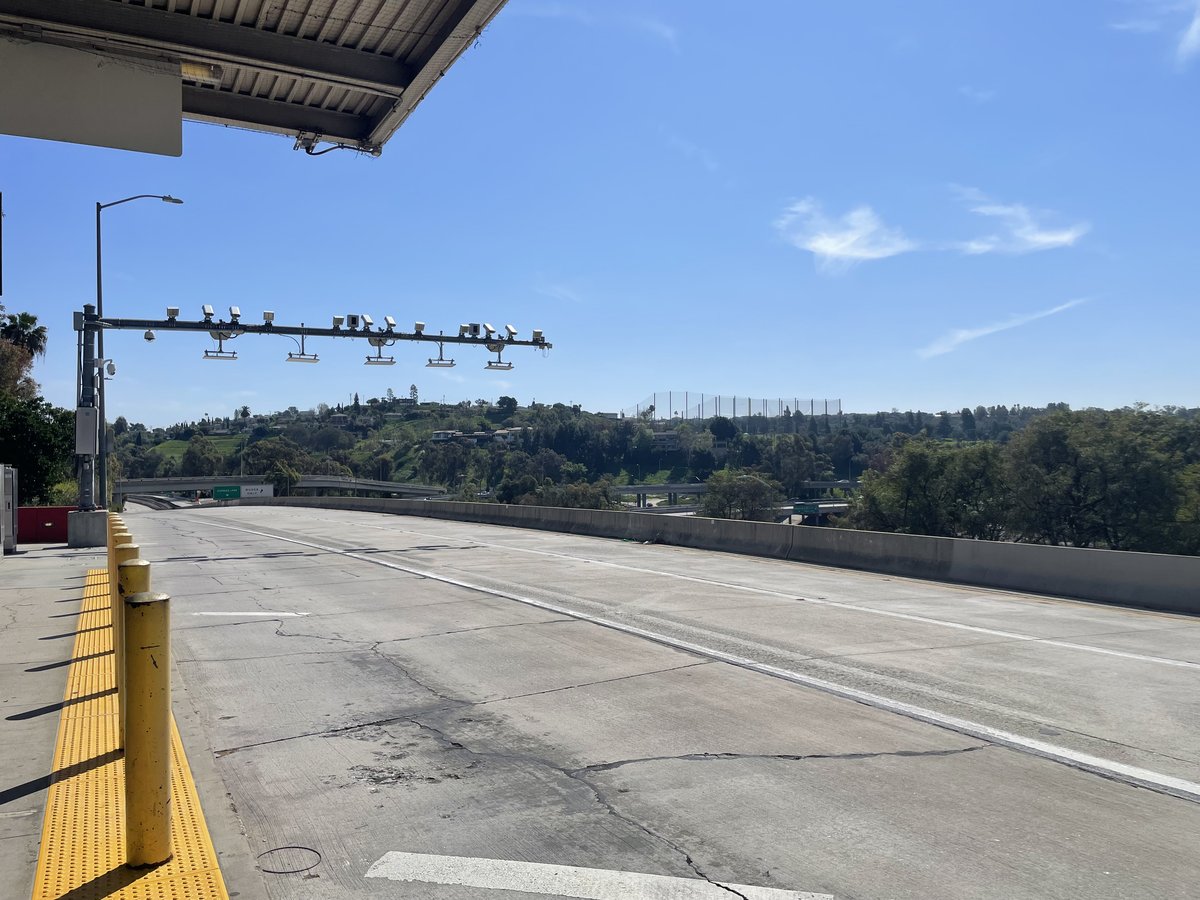
Cal State LA Station emerged from the El Monte Busway project, with the busway portion opening in 1975 to provide rapid transit along the I-10 corridor. In 1994, a Metrolink platform was added, making the station a model of multimodal integration. Its multi-level design supports easy transfers between bus and rail services, serving both campus users and the broader community (Cal State LA Station Wikiwand; Station Layout).
Station Features and Transit Integration
Multimodal Design and Metrolink Expansion
The station’s unique three-level structure consists of:
- Street Level Ticket vending machines, bus plaza, and campus access.
- Intermediate Level Westbound busway platform.
- Lowest Level Metrolink train platform (San Bernardino Line).
The Metrolink addition in 1994 connected the San Gabriel Valley and Inland Empire with downtown Los Angeles, enhancing regional connectivity. While the Metrolink platform is shorter than most, it accommodates 44 trains on weekdays and 16 on weekends, with regular service intervals (Metrolink Service; Metrolink Schedules).
Busway and J Line Service
Cal State LA Station sits on the El Monte Busway, one of the nation’s earliest dedicated busways. Today, it is a crucial stop on the Metro J Line (formerly Silver Line), offering 24-hour service between El Monte and the South Bay, with high-frequency buses during peak periods (J Line Service).
The station also serves Metro Express routes (487, 489), Foothill Transit peak express lines, and various local buses, allowing for seamless transfers to neighborhoods throughout Los Angeles County (Metro Trip Planner).
Visitor Information
Visiting Hours
- Operational Hours Approximately 4:00 AM to 1:00 AM daily, aligned with Metro J Line and Metrolink schedules. J Line operates 24 hours; Metrolink trains run weekdays and select weekends (Metro Schedule; Metrolink Schedules).
Ticketing and Fare Details
- Metro TAP cards can be purchased and reloaded at station vending machines, online, or via the mobile app. Fares start at $1.75 (Metro Fare Information).
- Metrolink Tickets available at machines, online, and via the Metrolink Mobile App. Prices are distance-based; discounts apply for students, seniors, and people with disabilities (Metrolink Tickets).
- Free Transfers Metrolink tickets include the EZ Transit Pass, allowing transfers to most local buses and Metro Rail within LA County (EZ Transit Pass Program).
- Onboard Purchase Available on Metrolink (with surcharge).
Accessibility
Cal State LA Station is fully ADA-compliant:
- Facilities Elevators, ramps, tactile paving, audible announcements, and accessible parking (Cal State LA Accessibility Services; Cal State LA Parking & Transportation).
- Bikes Bike racks and lockers available.
Travel Tips
- Use online trip planners for real-time schedules (Metro Trip Planner; Metrolink trip planner).
- Arrive early during university peak hours for parking and smooth transfers.
- Consider off-peak travel for less crowded rides.
- Download the Audiala app for real-time updates and trip planning.
Connectivity and Nearby Attractions
Cal State LA Station offers direct pedestrian access to the Cal State LA campus, including the University Student Union, John F. Kennedy Memorial Library, Luckman Fine Arts Complex, and student housing (Cal State LA Campus Map; Student Housing East, South Village).
Nearby attractions include:
- Los Angeles State Historic Park
- Downtown Los Angeles landmarks
- El Sereno neighborhood parks and eateries
- Annual events and festivals (Los Angeles July Events)
Cal State LA Station’s Impact on University and Community
The station significantly enhances accessibility for Cal State LA’s diverse student body, faculty, and staff, supporting the university’s mission of inclusion and sustainability. By providing efficient transit options, it reduces car dependency and contributes to local economic vitality. The station also plays an important role in community development, connecting El Sereno residents with educational and employment opportunities (Cal State LA History).
Sustainability and Future Developments
Sustainability is central to the station’s design, with features like energy-efficient lighting, drought-tolerant landscaping, bike facilities, and proximity to the Hydrogen Station for clean transportation (Cal State LA Hydrogen Station).
Future upgrades under Metrolink’s SCORE initiative will expand service frequency, enhance amenities, and support the city’s preparations for the 2028 Olympics (Metrolink).
Frequently Asked Questions (FAQ)
Q: What are the visiting hours for Cal State LA Station?
A: Approximately 4:00 AM to 1:00 AM, with 24-hour Metro J Line service. Check specific schedules for Metrolink.
Q: Where can I buy tickets?
A: At station vending machines, online, via mobile apps, or onboard Metrolink trains (with surcharge).
Q: Is the station wheelchair accessible?
A: Yes, with elevators, ramps, tactile paving, and ADA-compliant parking.
Q: Are there parking and bike facilities?
A: Yes, parking structures and lots are nearby, along with bike racks and lockers.
Q: Can I transfer to other lines with my Metrolink ticket?
A: Yes, using the EZ Transit Pass feature for most local agencies.
Q: Are there guided tours?
A: The station itself does not provide tours, but campus tours are available through Cal State LA.