History and Development
Origins & Vision
BMO Stadium was envisioned as a response to the surging popularity of soccer and the demand for a dedicated, state-of-the-art facility. It was constructed on the site of the Los Angeles Sports Arena, which for decades hosted pivotal sports and entertainment events. The project marked LA’s first open-air stadium development since the 1960s, symbolizing a new era for both the city’s sporting infrastructure and urban landscape (Hollywood Gazette).
Construction & Architectural Features
Construction broke ground in 2016 and was completed by April 2018, at a cost of approximately $350 million. Designed by Gensler and Studio-MLA, the stadium is celebrated for its contemporary aesthetic, steep seating bowl, and open-air concept that maximizes natural light and ventilation. Sustainable practices, such as energy-efficient lighting, water conservation, and local materials, are central to its design (Studio-MLA).
Naming & Sponsorship
Initially named Banc of California Stadium, the venue was rebranded as BMO Stadium in 2023 after a new naming rights agreement with the Bank of Montreal. This evolution reflects the growing influence of corporate partnerships in major sports venues.
Home Teams & Sporting Significance
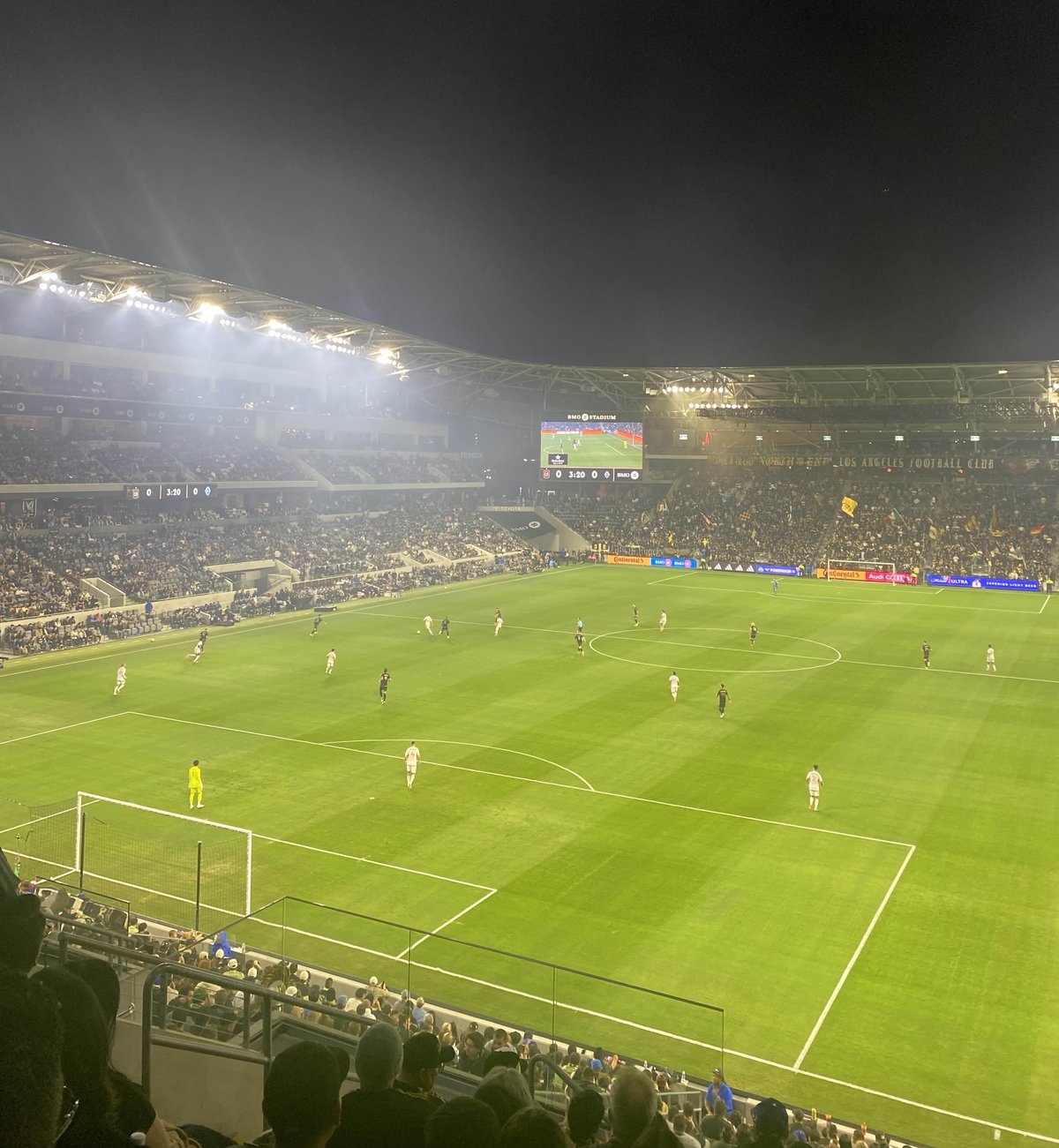
BMO Stadium is home to LAFC, which debuted in 2018, and Angel City FC, which began play in 2022. The stadium is renowned for its electric atmosphere, especially in “The 3252” supporters’ section. It has hosted high-profile matches, including the 2019 CONCACAF Gold Cup and the MLS All-Star Game, solidifying its reputation as a key soccer destination (Hollywood Gazette).
Expansion Into Entertainment
The stadium’s flexible design accommodates major concerts, festivals, and international events. Acts such as BTS, Twenty One Pilots, and ATEEZ have graced its stage, while festivals like GREYDAY and SM TOWN LIVE draw diverse crowds (Concert Archives).
Community Impact & Urban Integration
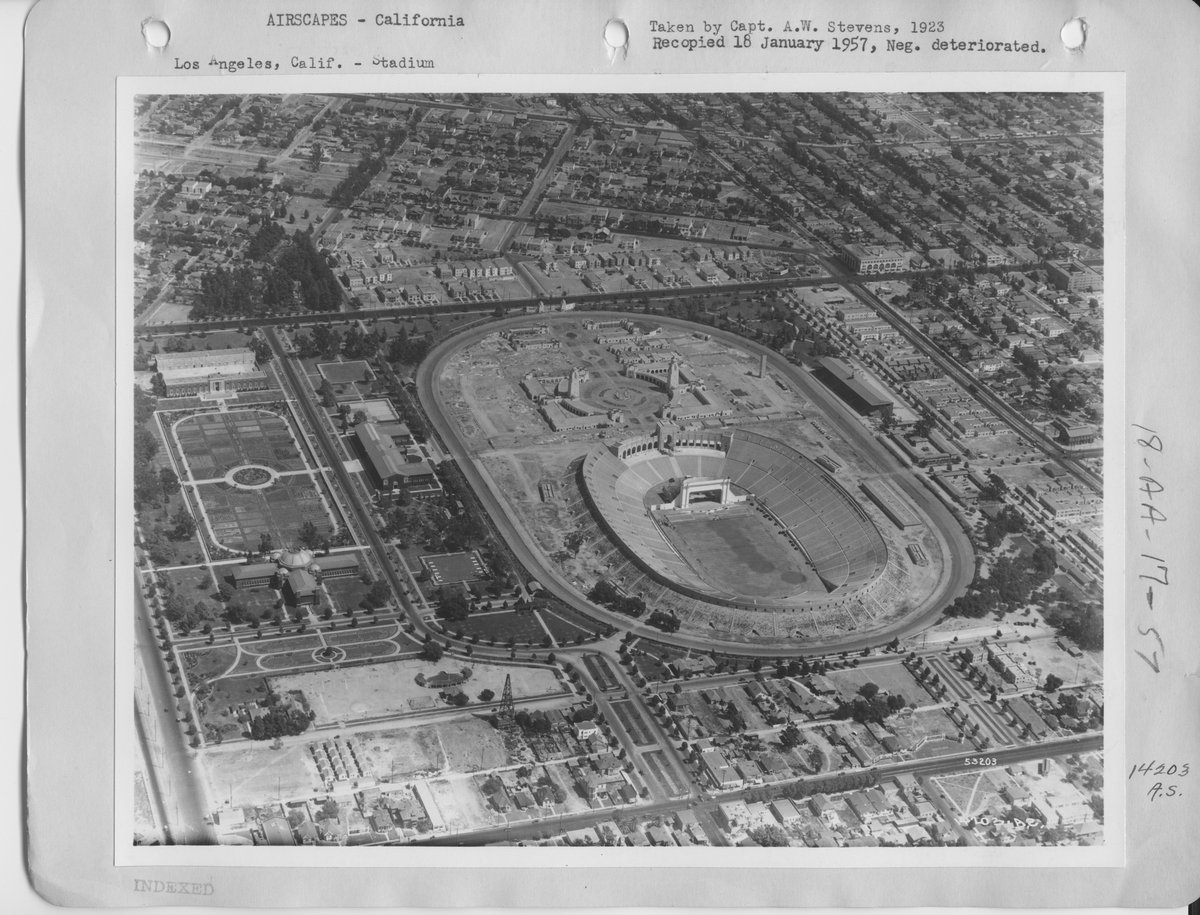
BMO Stadium has played a pivotal role in revitalizing Exposition Park, integrating with cultural institutions and providing accessible public spaces. Its plazas and promenades foster community gatherings and enhance the park’s pedestrian-friendly environment (LA Times).
Technological Innovations & Fan Experience
The stadium features high-speed Wi-Fi, premium seating, diverse culinary options, and one of the steepest seating bowls in North America, ensuring fans are close to the action. Hospitality suites, club lounges, and event spaces offer upscale experiences (Sports Venue Business; Gensler).
Role in Major Events & Future Prospects
BMO Stadium is set to be a key venue for the 2028 Summer Olympics and continues to attract major sporting and cultural events, reinforcing its status as a cornerstone of LA’s entertainment landscape.
Visitor Information
Visiting Hours
- Event Days Gates open 1.5 to 2 hours before kickoff or showtime.
- Non-Event Days Interior access is limited; Exposition Park and the stadium’s exterior areas remain accessible for visitors.
Tickets & Box Office
- Online Purchase tickets for matches, concerts, and festivals via the official website, Ticketmaster, or team sites.
- Box Office Located at the northwest corner, open Tuesdays and on event days.
- Pricing Varies by event and seating tier; early purchase is highly recommended for high-demand events.
Accessibility
BMO Stadium is fully ADA-compliant, providing accessible seating, restrooms, parking, and services for guests with disabilities. Companion seating, wheelchair escorts, assisted listening devices, and family restrooms are available (LAFC A-Z Guide).
Getting There & Parking
- Public Transit Take the Metro Expo Line to Expo Park/USC Station; several bus lines also serve the area.
- Parking Limited and often requires advance purchase. Public transit is recommended. Over 100 bicycle racks are available.
- Ride Share Designated drop-off and pick-up zones are provided for services like Uber and Lyft.
Guided Tours & Photo Spots
While regular public tours are not always available, special event tours may be offered. The stadium’s exterior, plazas, and Exposition Park gardens provide excellent photo opportunities.
Frequently Asked Questions (FAQ)
Q: What are BMO Stadium’s visiting hours?
A: Typically, gates open 1.5 to 2 hours before events. For non-event days, access is limited to exterior areas.
Q: How can I buy tickets?
A: Tickets are available online or at the box office. Early purchase is advised.
Q: Is BMO Stadium accessible?
A: Yes, the venue offers ADA-compliant amenities, including seating, restrooms, parking, and guest assistance.
Q: What is the best way to get to BMO Stadium?
A: The Metro Expo Line is the most convenient option. Parking is limited, so public transit or ride-share is recommended.
Q: Are guided tours offered?
A: Regular tours are not always available, but special event tours may be offered.
Key Milestones & Timeline
- 2016 Demolition of Los Angeles Sports Arena; stadium construction begins.
- 2018 Official opening as Banc of California Stadium; LAFC debuts.
- 2019 Hosts CONCACAF Gold Cup and MLS All-Star Game.
- 2022 Angel City FC begins play.
- 2023 Renamed BMO Stadium.
- 2025 and beyond Hosts international tournaments, concerts, and is slated for Olympic use (Hollywood Gazette).
Nearby Attractions
BMO Stadium’s Exposition Park location puts visitors steps away from:
- California Science Center
- Natural History Museum of Los Angeles County
- California African American Museum
- Los Angeles Memorial Coliseum
These institutions make it easy to combine a stadium visit with exploration of LA’s cultural heritage.