Early Foundations
Nathaniel Blackstone established Blackstone’s Dry Goods in 1895, making a significant mark on the city’s burgeoning retail scene. The company’s growth paralleled Los Angeles’ transformation into a major metropolis, with successive relocations to larger spaces reflecting the city’s commercial expansion. By 1917, Blackstone’s flagship department store opened at 9th and Broadway—a testament to Downtown LA’s status as the “Fifth Avenue of the West” (Wikiwand).
Construction and Architectural Evolution
Commissioned by Blackstone and developed by Arthur H. Fleming, the new building was designed by John B. Parkinson, whose work shaped much of Los Angeles’ early 20th-century identity (PCAD). The Beaux-Arts building featured a steel frame clad in grey terra cotta, ornate cornices, and a grand entrance—hallmarks of the style. In 1939, a major renovation by Morgan, Walls & Clements introduced Streamline Moderne elements to the ground-floor façade, reflecting the design trends of the late 1930s (LA Conservancy).
Cultural and Cinematic Legacy
The Blackstone Building has played a vital role in the city’s commercial and cultural history. Its appearance in Harold Lloyd’s 1923 silent film “Safety Last!” brought additional fame, and the building remains a fixture in the narrative of Los Angeles’ retail and cinematic boom (Kiddle).
Preservation and Adaptive Reuse
Today, the building stands as a symbol of successful adaptive reuse. After its conversion to residential apartments and ground-floor retail in 2008, the Blackstone Building was designated a Los Angeles Historic-Cultural Monument and contributes to the National Register-listed Broadway Theater and Commercial District (theclio.com; wikipedia.org).
Architectural Highlights
- Beaux-Arts Features Symmetrical façade, classical detailing, and ornate terra cotta cladding.
- Streamline Moderne Update (1939) Sleek, curvilinear ground-floor façade designed by Stiles O. Clements.
- Structural Innovation Six stories over two basements, steel frame for durability, and large display windows.
The Blackstone Building’s architectural evolution mirrors Los Angeles’ growth, blending historic grandeur with modern sensibilities (theclio.com).
Visiting Hours, Tickets, and Accessibility
Hours & Entry
- Exterior Viewing Available any time; best seen during daylight for photography.
- Retail Spaces Generally open Monday–Saturday, 9:00 AM to 6:00 PM (hours vary by tenant).
- Residential Areas Access is restricted to residents and authorized personnel.
Ticketing
- Exterior and Retail Areas No ticket required.
- Guided Tours Occasional walking tours by organizations such as the Los Angeles Conservancy; check their website for current offerings.
Accessibility
- Wheelchair-accessible sidewalks and retail entrances.
- Nearby Metro Red and Purple Line stops and bus routes provide step-free access.
- Rideshare drop-offs and public parking available nearby (Downtown LA Blackstone).
Photography and Visitor Tips
- Best Angles The intersection of 9th Street and Broadway provides the most striking façade views.
- Lighting Visit early morning or late afternoon for optimal natural light and minimal crowds.
- Rules Photography is allowed in public and retail spaces, but not in residential or private areas.
- Safety Downtown LA is generally busy, but remain alert—especially at night. Use well-lit areas and secure valuables.
Nearby Attractions and Experiences
Make the most of your visit by exploring these nearby landmarks:
- Bradbury Building Renowned for its light-filled atrium and ironwork (Time Out LA).
- Grand Central Market A bustling food hall since 1917, offering diverse culinary options (Time Out LA).
- Angels Flight Railway Historic funicular dating to 1901 (Secret Los Angeles).
- The Broad Museum Contemporary art museum with free admission (Secret Los Angeles).
- Walt Disney Concert Hall Frank Gehry-designed music venue (Time Out LA).
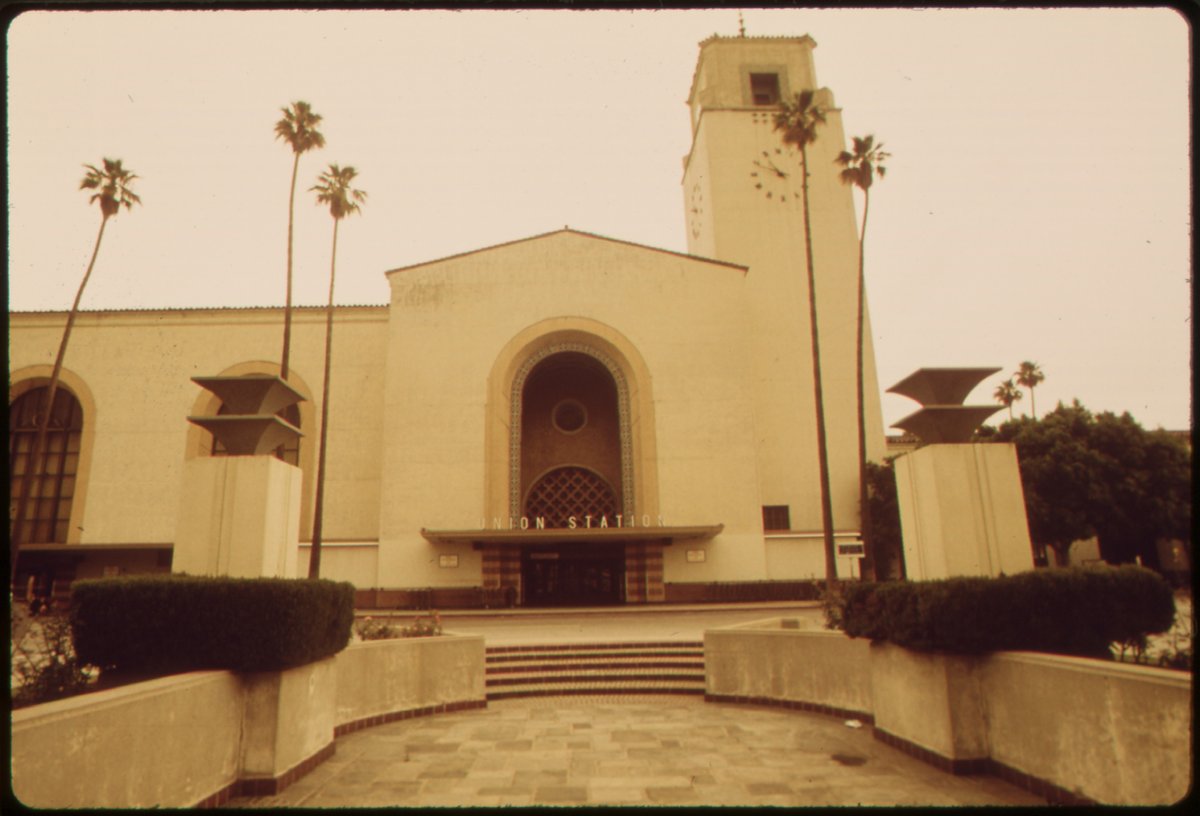
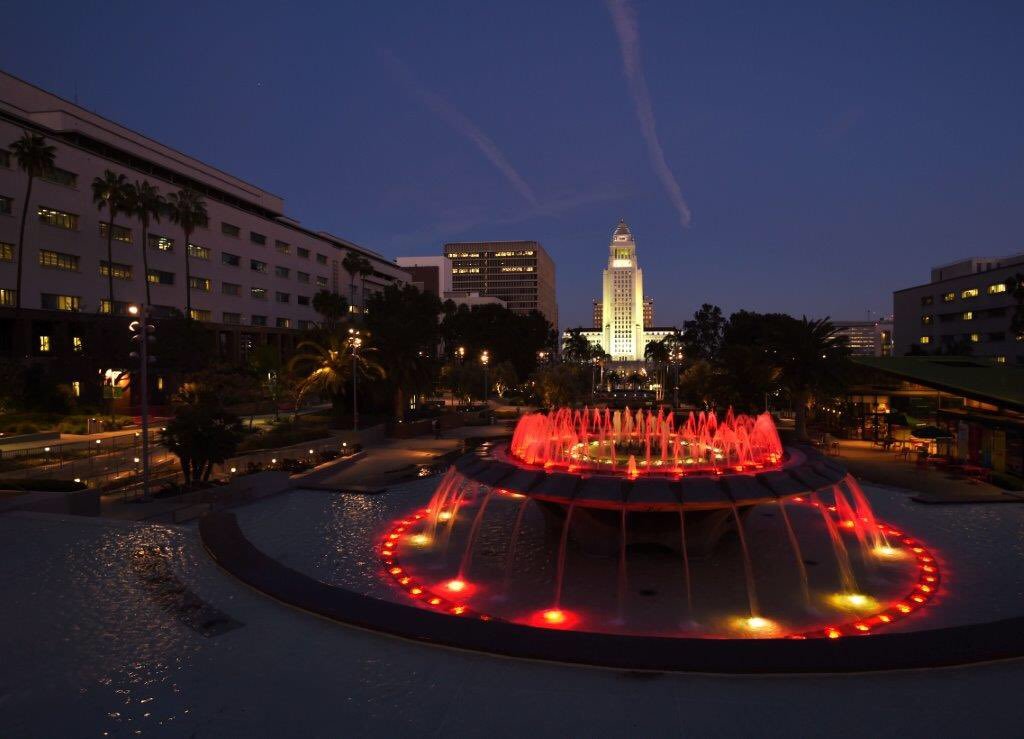
- The Last Bookstore, Olvera Street, Union Station, Little Tokyo, Chinatown, Grand Park, Pershing Square All within walking distance or a short Metro ride (Adventures of a Carry On).
For a deeper exploration, consider joining a guided walking tour or checking local event calendars for festivals and art walks (Wanderlust Chloe LA Itinerary).
Frequently Asked Questions (FAQ)
Q: Are tickets required to visit the Blackstone Building?
A: No tickets are needed for exterior or retail areas. Guided tours may require advance booking.
Q: What are the Blackstone Building’s visiting hours?
A: Retail spaces are generally open from 9:00 AM to 6:00 PM, Monday–Saturday; exterior viewing is possible at any time.
Q: Is interior access available?
A: Interior access is limited to residents and authorized personnel. Occasional special events or guided tours may offer limited access.
Q: Is the building accessible for visitors with mobility needs?
A: Yes, retail entrances and sidewalks are wheelchair accessible. Nearby public transit offers step-free access.
Q: What are some must-see attractions nearby?
A: The Bradbury Building, Grand Central Market, Angels Flight, The Broad, Walt Disney Concert Hall, and historic Broadway theaters.