Aviation Century Los Angeles: Visiting Hours, Tickets, and Historical Sites Guide
What Aviation/Century is
At the crossroads of Aviation and Century Boulevards, Aviation/Century is a district shaped by Los Angeles’ aviation heritage, urban growth, and transit development. Its location near Los Angeles International Airport (LAX) connects it to the history of local and international air travel. LAX opened in 1928 as Mines Field (Wikipedia: History of LAX).
The Aviation/Century Metro Station opened in November 2024, linking travelers to Metro’s C and K Lines. The station is part of a broader transit connection to LAX, including the $900 million LAX/Metro Transit Center and a planned Automated People Mover. The area combines historical sites and cultural landmarks with modern transit options, including Metro travel using TAP cards.
History
Early aviation and the growth of the district
In the early 1900s, Southern California’s climate, open land, and aviation innovators helped establish the region as a center of flight. Aviation figures associated with the area include Amelia Earhart, Howard Hughes, and William Jenifer Powell, who mentored future Tuskegee Airmen (Curbed LA).
The 1910 Los Angeles Air Meet at Dominguez Field drew more than 200,000 attendees and was the world’s second public powered-flight demonstration. It helped spur the region’s aviation growth and the arrival of manufacturers such as Lockheed and Northrop. By the 1920s, there were more than 50 airfields within 30 miles of downtown Los Angeles.
LAX and the Aviation/Century corridor
LAX opened as Mines Field on October 1, 1928. Its first structure, Hangar No. 1, is a Spanish Colonial Revival landmark listed on the National Register of Historic Places (Wikipedia: History of LAX). Post-World War II expansion, the Airport Tunnel, and the rerouting of Sepulveda Boulevard in the 1950s helped shape the modern airport and its surroundings.
As LAX expanded, Aviation/Century developed as an airport-access and commercial corridor. Mid-century motels, hotels, and office complexes served travelers and airline employees. The I-405 and I-105 freeways connected the district to greater Los Angeles and helped establish it as a logistics and employment area.
Metro rail and ongoing development
The Aviation/Century Metro Station opened on November 3, 2024 (NBC Los Angeles). It is described as the western terminus of the C Line and a key transfer point for the K Line. The station anchors the $900 million LAX/Metro Transit Center, whose launch is given as June 6, 2025; the center is also described as opening in June 2025.
An Automated People Mover is planned to connect the transit center directly to all LAX terminals. It is scheduled for early 2026, will operate 24/7, and is expected to run every 2 minutes during peak periods (LA Times).
Ongoing projects include a $30 billion LAX modernization involving new terminals, parking, and direct rail-to-airport connections. These developments are reshaping the area ahead of the 2026 World Cup and 2028 Olympics. Transit investment is also intended to improve access for airport workers and support regional sustainability by encouraging transit and cycling.
What to see
Station and transit-center art
The station features “Rise” by Sherin Guirguis, an installation celebrating the area’s diversity and migration stories. At the LAX/Metro Transit Center, Glenn Kaino’s sculpture “The Distance of the Sun” greets passengers.
The LAX/Metro Transit Center includes a 16-bay bus plaza and a multilevel bike hub. The planned Automated People Mover (APM) will provide access between Metro and all LAX terminals.
Aviation and aerospace museums
- Flight Path Learning Center and Museum At LAX Imperial Terminal, with airline memorabilia and a restored DC-3. Admission is free.
- Museum of Flying At Santa Monica Airport, with a focus on regional aerospace history.
- Western Museum of Flight In Torrance, with military aircraft displays and lectures.
- Burbank Aviation Museum Includes the Portal of the Folded Wings and is open Sundays.
- Hangar No. 1 The historic Spanish Colonial Revival structure at LAX is listed on the National Register of Historic Places.
Neighborhoods, culture, and events
Westchester has a suburban-urban mix and family-friendly character, as well as global dining options, retail centers, farmers markets, and community events. Nearby Inglewood is home to SoFi Stadium and has arts, music, and food scenes. South Los Angeles is known for historic civil rights sites and cultural resilience.
The neighborhood’s reported demographics are 47% Hispanic/Latino, 29% non-Hispanic White, 12% Asian, and 8% Black/African American; more than 200 languages are spoken. Residents are described as valuing active lifestyles, sustainable transit, and community engagement through events and outdoor activities. Local organizations support public art, gardens, and storytelling festivals.
The annual LA County Air Show takes place in Lancaster. Inglewood and Westchester also host music, food, and art festivals.
Practical visiting information
Hours and train frequency
Station hours are given as daily, 4:00 AM to 1:00 AM. The Metro C Line schedule is also described as operating approximately 3:49 AM to 12:08 AM. Train schedules may vary on holidays; trains are listed as arriving every 10 minutes during peak periods and every 12–15 minutes off-peak.
Tickets and fares
TAP cards are required and can be purchased at station kiosks or ground-level vending machines, as well as online. A standard ride costs $1.75. The daily fare cap is $5 and the weekly cap is $18. Discounts are available for seniors, students, and disabled riders.
Station layout, accessibility, and amenities
Elevated center platforms are accessible by stairs, escalators, and elevators and offer panoramic city views. The station has open, light-filled spaces, glass walls, and public art.
ADA-compliant features include elevators, ramps, wide gates, tactile paving, Braille signage, accessible restrooms, and bike lockers. Covered waiting areas have seating and wind screens. Safety features include surveillance cameras, emergency call boxes, and Metro security. Bike racks and lockers are available. Public restrooms are limited; airport facilities are an alternative.
Connections and trip planning
A free LAX Shuttle G connects the station to all LAX terminals every 15–20 minutes. Multiple Metro and municipal bus connections provide access to the wider Los Angeles area. The Automated People Mover is planned to provide direct terminal access starting in early 2026.
High-resolution images and interactive maps of the station and LAX modernization are available on the official Metro site and the Transit.Wiki page. For project updates, visit the Gateway LA project page and follow Metro’s social media. The Audiala app offers real-time updates, trip planning, and exclusive tours.
Tips for visitors
- Buy TAP cards in advance, check shuttle schedules, pack light for transfers, and use Metro’s real-time apps.
- Avoid rush hours, listed as 7–9 AM and 4–6 PM.
- Seasonal guided tours about aviation history and LAX modernization are available; check Metro or local listings for details. Check museum websites for special programs.
- The intersection offers photo vantage points for airport and city views.
- Platforms are described as well lit and secure. Elevators and bike lockers are available.
Nearby places
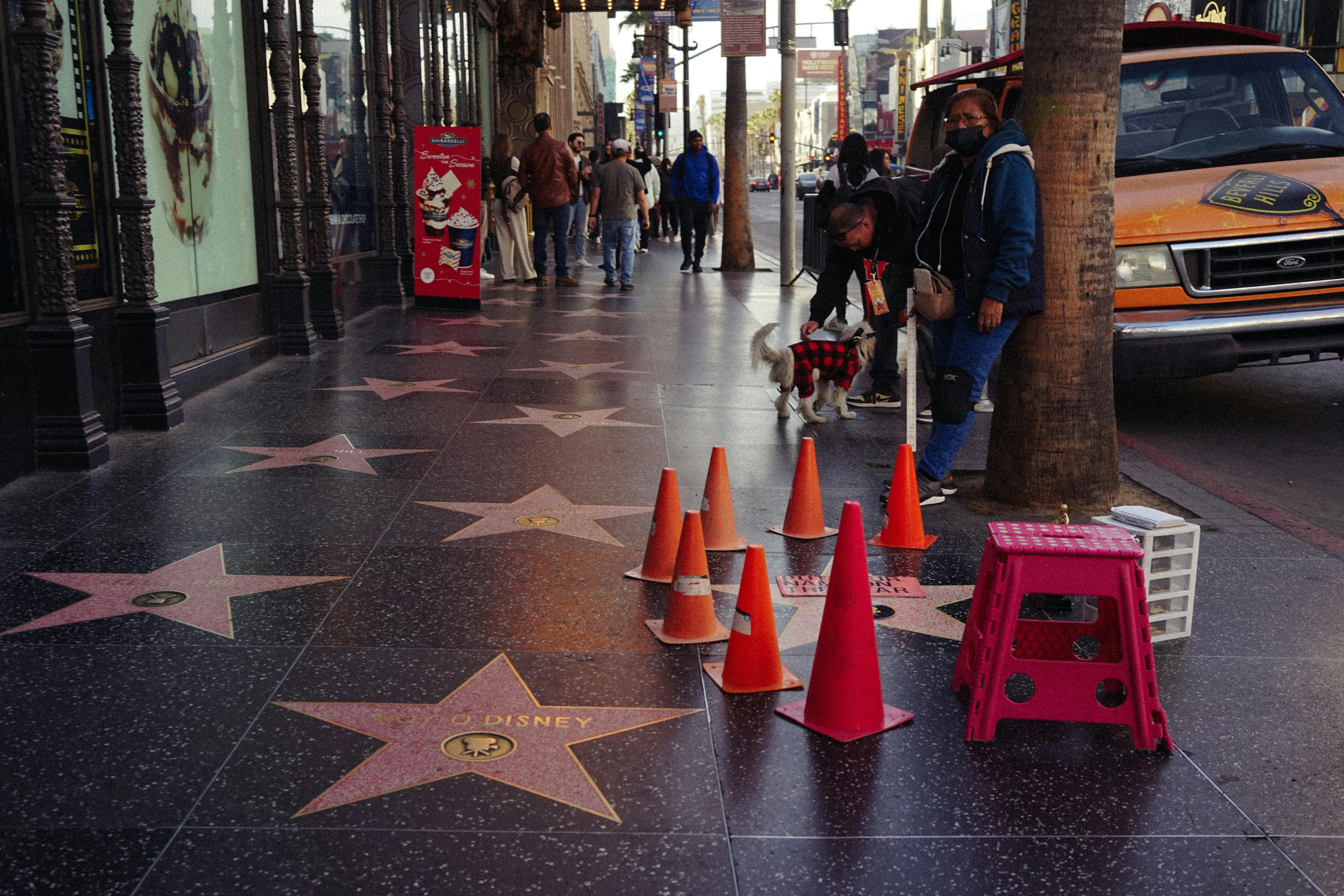
- Major Los Angeles attractions The Hollywood Sign and Walk of Fame are reachable by Metro. The Getty Center has free admission and art and city views. The Grove, Griffith Observatory, and Santa Monica Pier are accessible by Metro with transfers.
- Shopping and dining Westchester and neighboring districts offer varied global cuisines and shopping, including Westfield Culver City, as well as farmers markets and community events.
- SoFi Stadium A short Metro ride away for sports and concerts.
- Culver City and Playa Vista Tech and entertainment hubs.
- Venice Beach and Marina del Rey Destinations for beach and water activities.
- Aviation museums Flight Path Learning Center and Museum, Museum of Flying, Western Museum of Flight, and Burbank Aviation Museum are nearby regional options.
Frequently asked questions
What are Aviation/Century Station’s hours?
The station is listed as open daily from approximately 4:00 AM to 1:00 AM. The Metro C Line schedule is also given as approximately 3:49 AM to 12:08 AM.
How do I buy Metro tickets?
Purchase TAP cards at station vending machines or online.
Is the station wheelchair accessible?
Yes. Accessibility features include elevators, ramps, and tactile paving.
Are there parking facilities?
There is no dedicated parking. Street parking and park-and-ride options are nearby.
When will the Automated People Mover be operational?
It is scheduled to begin service in early 2026 and is planned to operate 24/7.
Are nearby museums free?
The Flight Path Learning Center and Museum offers free admission. Other museums may charge a small fee.