
History and Early Development
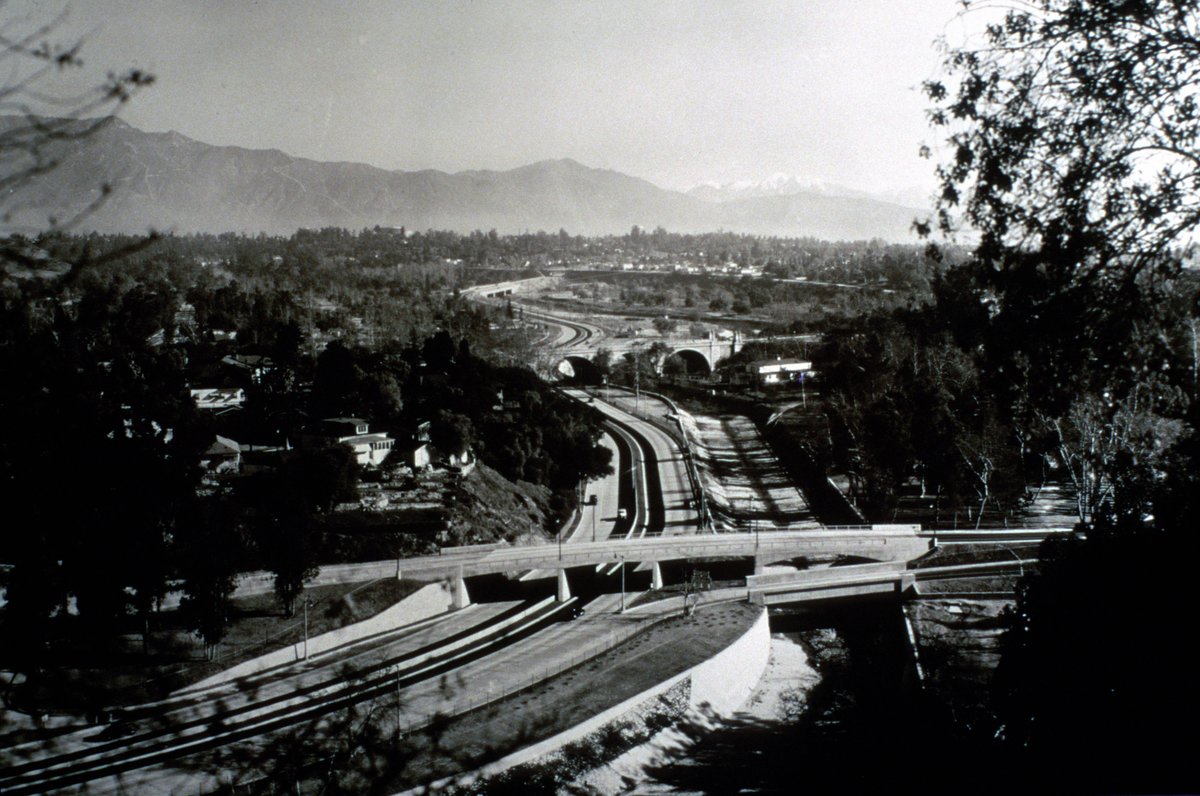
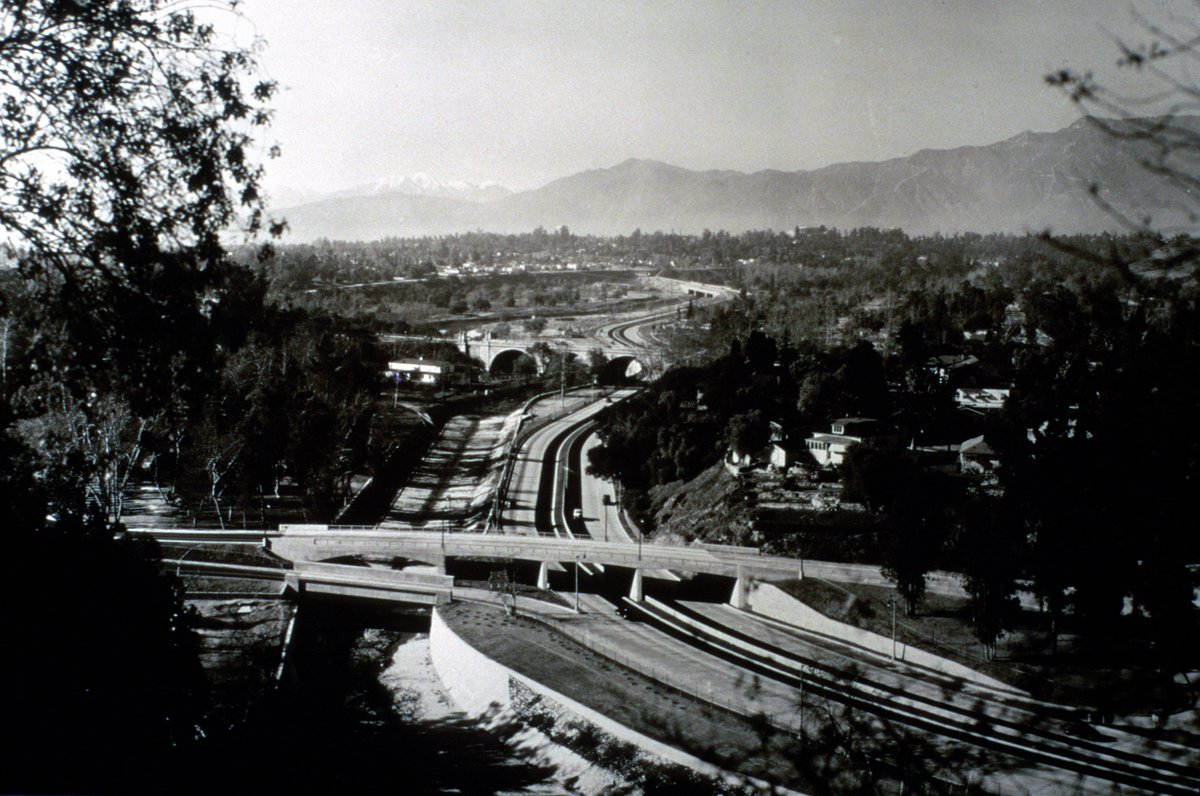
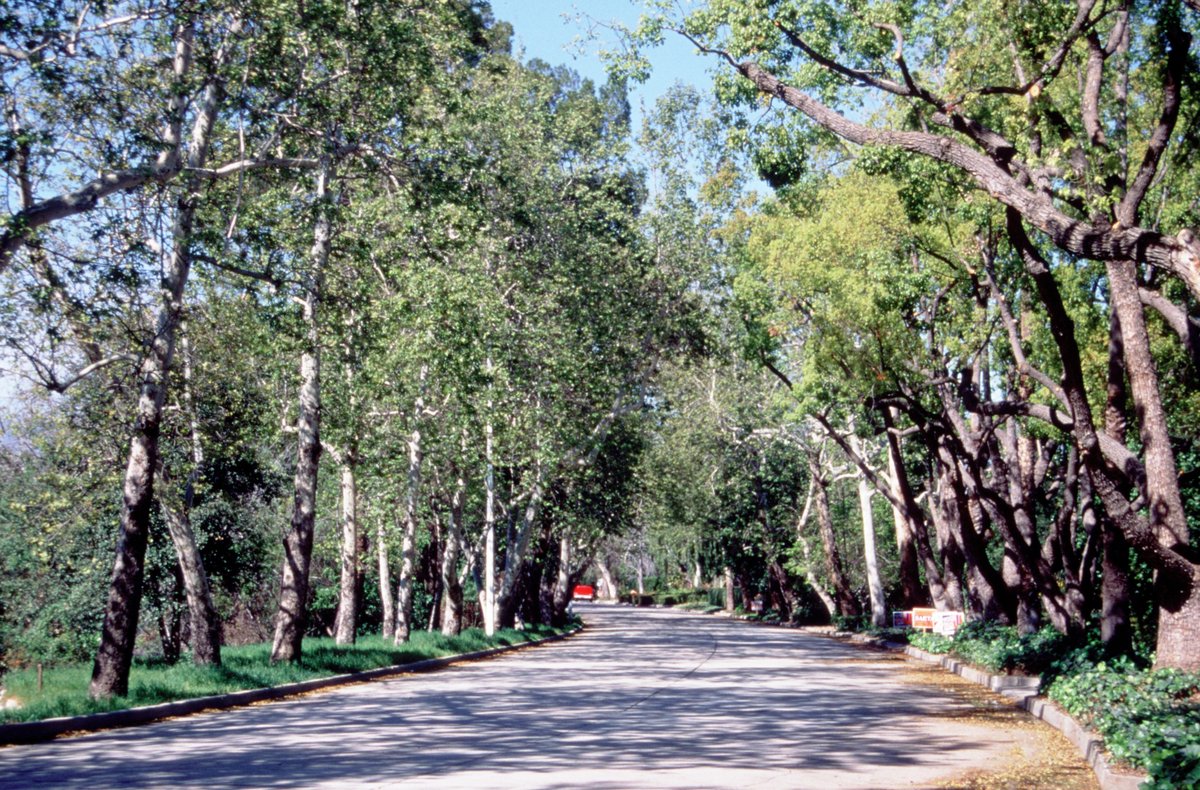
Conceived in the early 20th century, the Arroyo Seco Parkway was envisioned as a scenic, efficient corridor connecting downtown Los Angeles with Pasadena along the natural Arroyo Seco riverbed. Influenced by the parkway movement of the 1920s and 1930s, its design emphasized gentle curves, landscaped medians, and integration with the surrounding environment (i5exitguide.com). The route was a response to rising automobile use and a desire to harmonize transportation with Southern California’s unique landscapes.
Parkway Design and Construction
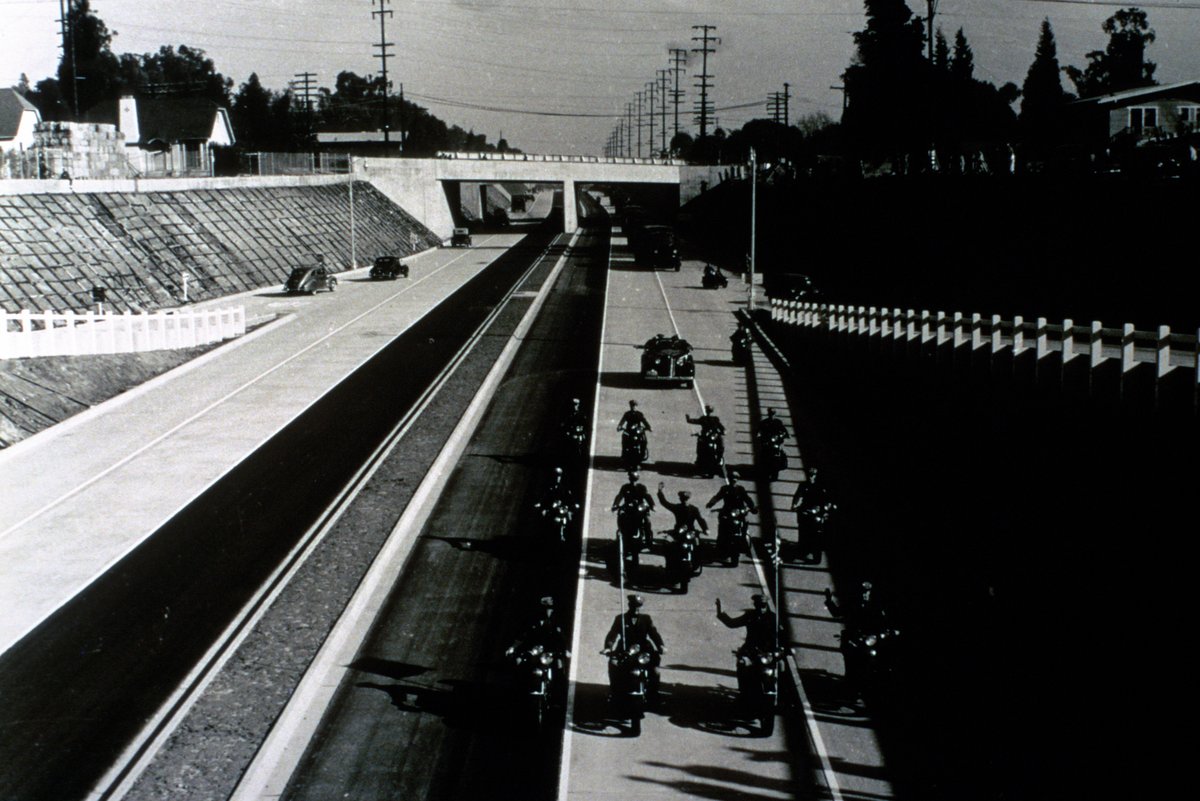
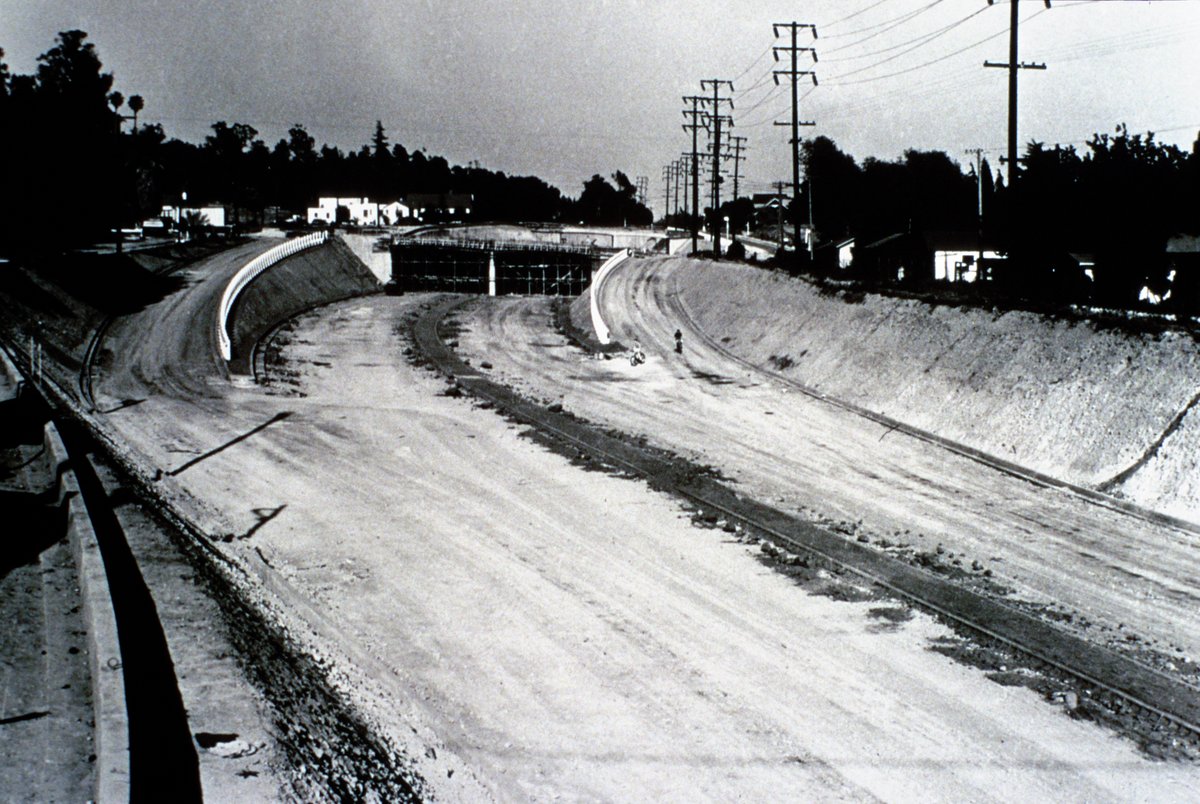
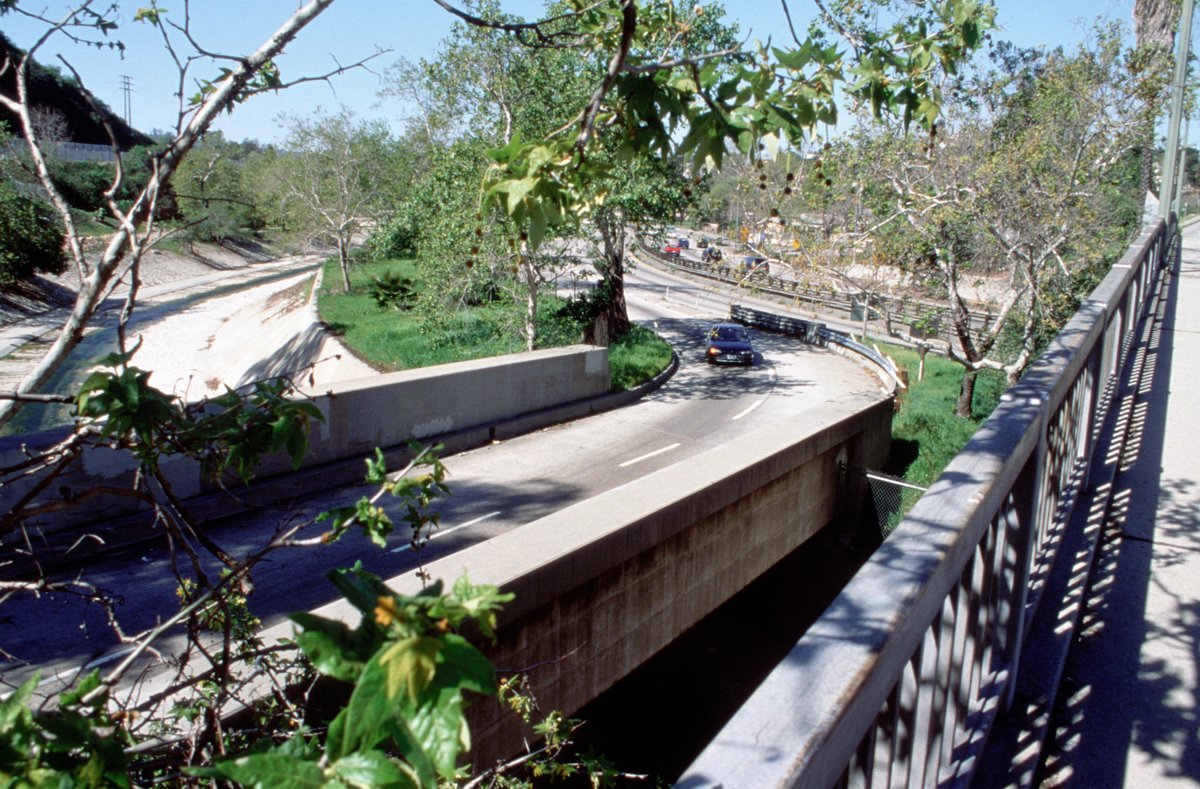
Construction began in the late 1930s, and the parkway officially opened in 1940 as the first freeway in the Western United States. Spanning approximately 8.2 miles, it incorporated modern engineering advances such as grade separations, limited access points, and preserved historic bridges. Notable architectural features include Art Deco tunnels and Arts and Crafts–style masonry walls. The original landscaping featured thousands of native plants, enhancing the park-like character of the corridor (sah-archipedia.org; i5exitguide.com).
Role in Regional Transportation
The Arroyo Seco Parkway immediately became a vital artery between Los Angeles and Pasadena, supporting postwar suburban growth and influencing freeway design across the nation (discoverlosangeles.com). It was extended in the 1950s to integrate with the broader Southern California freeway network and was designated as part of U.S. Route 66, linking it to the legendary cross-country highway system (gribblenation.org).
Visiting Hours and Access
The Arroyo Seco Parkway is a public freeway with 24-hour, seven-day-a-week access and no entrance fees or tickets required. You may drive the corridor at any time, although traffic is typically lighter during weekends and off-peak hours. The parkway is designed for vehicular use; pedestrian and bicycle access is not permitted for safety reasons. Standard freeway amenities, such as well-marked exits and clear signage, are present, but drivers should be attentive due to the vintage design’s narrow lanes and sharp curves.
Travel Tips and Safety
- Best Times to Visit Early mornings, weekends, and non-peak hours provide a more relaxed and scenic driving experience.
- Parking No dedicated parking is available on the parkway itself. Utilize parking in adjacent neighborhoods such as Old Town Pasadena, Highland Park, and near Dodger Stadium.
- Guided Tours Some local organizations offer heritage or bicycle tours focusing on the parkway’s history and landmarks.
- Driving Caution Adhere to posted speed limits (typically 45 mph) and be mindful of abrupt on/off ramps and tight curves, especially near Avenue 43 and the sidehill viaduct (laist.com).
- Public Transit The Metro Gold Line offers accessible stations near the parkway, connecting Highland Park, South Pasadena, and Pasadena.
Key Landmarks and Sections
Four Level Interchange
The parkway begins at the legendary Four Level Interchange, a marvel of engineering connecting with the Hollywood Freeway (US 101) and the Harbor Freeway (I-110). This interchange is not only a transportation hub but also a symbol of mid-century innovation (theroute-66.com).
Figueroa Street Tunnels
A defining feature of the parkway, these Art Deco tunnels were constructed in the 1930s and offer an atmospheric passage through Elysian Park. Their historic facades are popular with photographers and architecture enthusiasts.
Elysian Park and Riverside Drive
This section offers views of one of LA’s oldest parks and the parallel Los Angeles River, with notable engineering elements as the parkway navigates hilly terrain.
Highland Park and Avenue 43
Highland Park is celebrated for its historic homes and vibrant arts scene. Safety improvements are ongoing in this area due to challenging curves and minimal shoulders (laist.com).
Arroyo Seco Channel Bridge
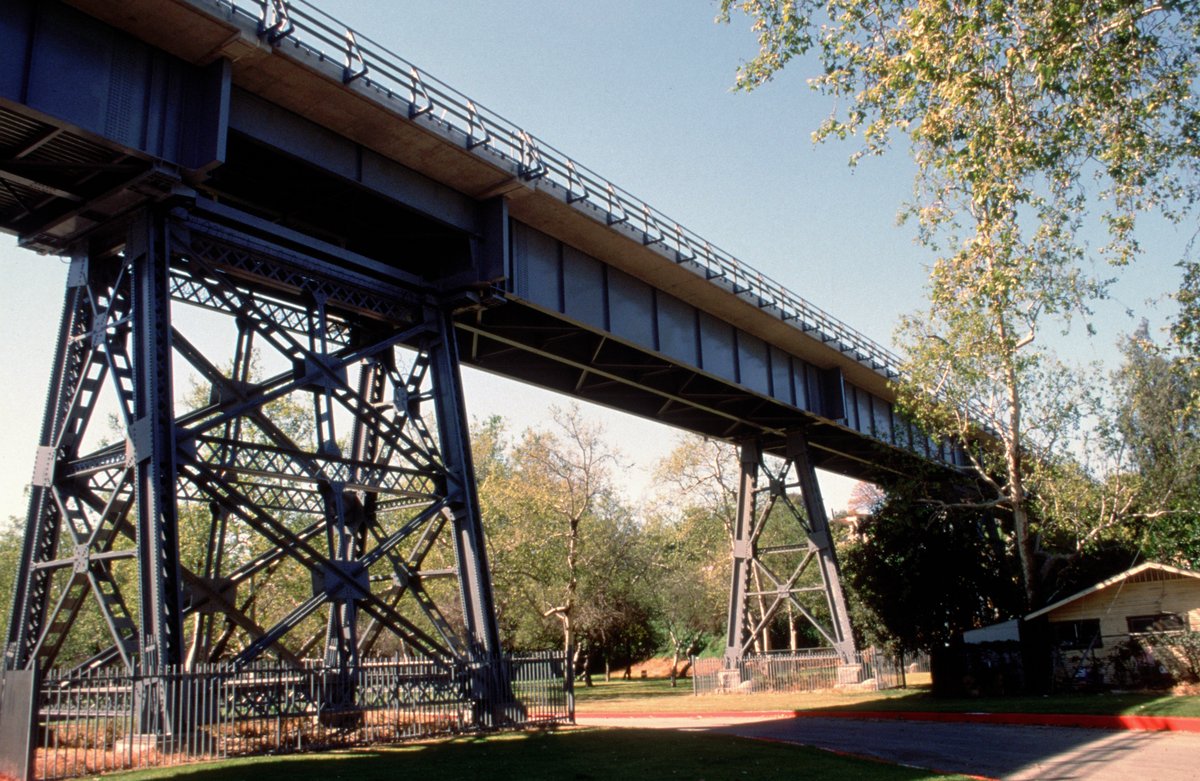
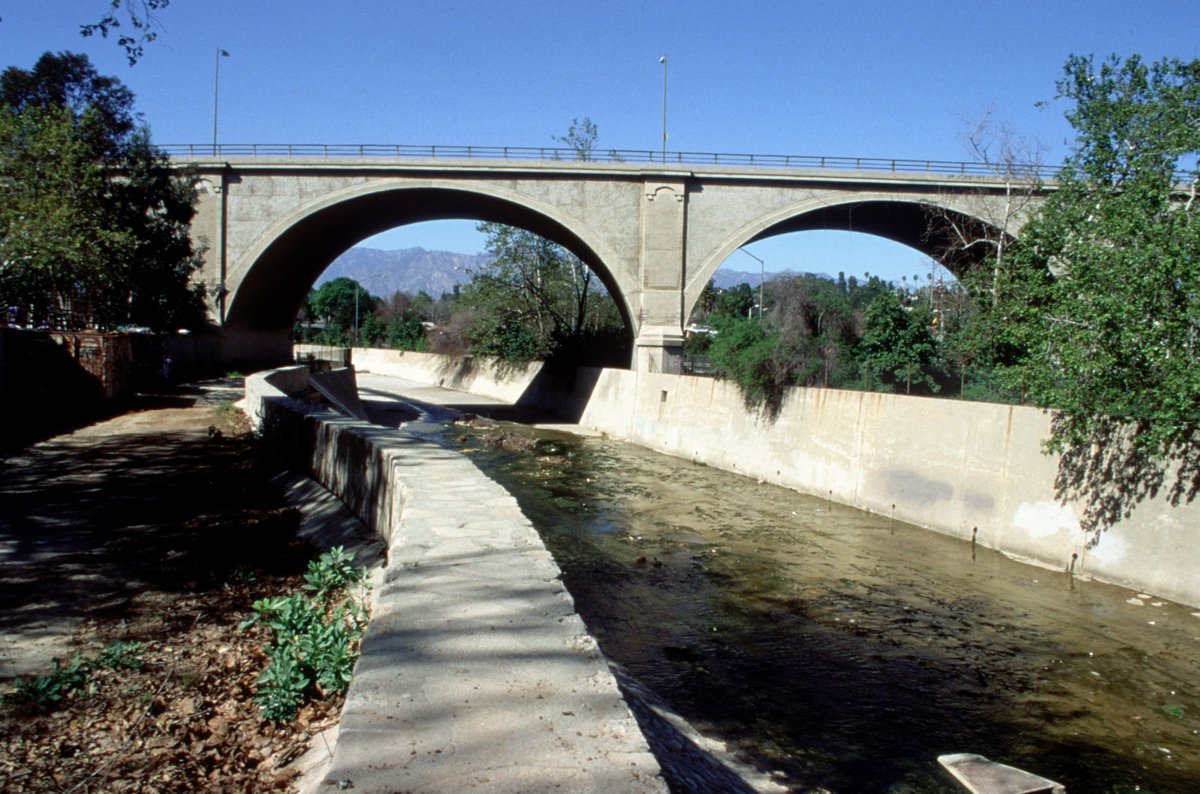
This elegant bridge carries the freeway over the Arroyo Seco stream and is renowned for its period detailing and graceful arches.
South Pasadena and Pasadena Terminus
The route concludes at Glenarm Street in Pasadena, close to the city’s historic downtown and the famous Colorado Street Bridge, another early 20th-century engineering gem.
Outdoor Recreation and Nature
Hiking, Biking, and Walking Trails
While the parkway itself is reserved for vehicles, the Arroyo Seco corridor offers an array of recreational trails and parks. Highlights include:
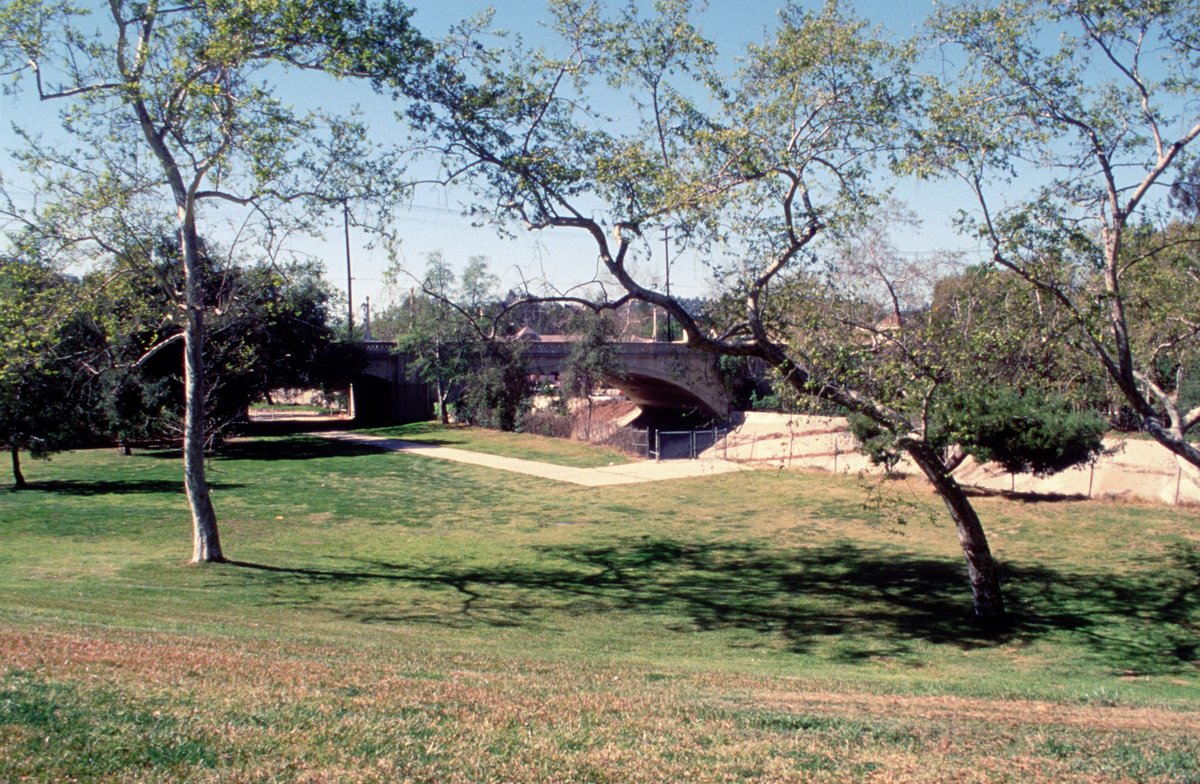
- Lower Arroyo Seco Loop A gentle 1.5-mile walking trail beneath historic bridges, popular for birdwatching and shaded strolls.
- Arroyo Seco Bike Path A 2-mile path for cyclists and runners between South Pasadena and Northeast Los Angeles, with skyline and mountain views.
- Brown Mountain Dam Trail For more experienced hikers, this moderate trail ventures into the San Gabriel Mountains (Visit Pasadena).
Parks, Nature, and Wildlife
- Hahamongna Watershed Park 1,300 acres of picnic spots, hiking and biking trails, and the world’s first disc golf course.
- Arroyo Seco Woodland and Wildlife Park A 3-acre park with interpretive signage and heritage trees.
- Bird Sanctuary Found in the Lower Arroyo, this sanctuary supports native birds and riparian habitats.
Sports and Family-Friendly Activities
- Golf Play at Arroyo Seco Golf Course or Brookside Golf Course near the Rose Bowl.
- Archery and Fly Fishing Facilities like the Lower Arroyo archery range and Casting Pond offer unique recreation.
- Rose Bowl Loop A stroller-friendly 3.3-mile path for walking, jogging, and biking.
Arts, Culture, and Passive Recreation
- Painting & Photography The parkway’s historic bridges, tunnels, and landscaped sections are favorites for artists and photographers.
- Stargazing Open spaces in the upper Arroyo invite night sky observation away from city lights.
Events and Community Activities
- ArroyoFest Occasionally, the parkway is closed to vehicles for pedestrian and bike events, offering a rare chance to experience its full length on foot or wheels.
- Sports Tournaments & Festivals The Rose Bowl and nearby parks host frequent community events, charity runs, and cultural festivals.
Connectivity to Urban Attractions
The parkway’s central location offers easy access to:
- Old Town Pasadena Shopping, dining, and historic architecture.
- Dodger Stadium Catch a baseball game or take a tour.
- Heritage Square Museum Explore restored Victorian-era homes (heritagesquare.org).
- El Pueblo de Los Angeles Historic Monument Learn about LA’s origins in this vibrant district.
- Downtown Museums and Venues The Museum of Contemporary Art, Staples Center, and more are a short drive away.
Frequently Asked Questions (FAQ)
Q: Are there entrance fees or tickets required for the Arroyo Seco Parkway?
A: No, it is a public freeway open 24/7 and free to all.
Q: When are the best times to visit for sightseeing?
A: Daylight hours—especially early mornings or late afternoons—offer the best lighting for scenic views and photography.
Q: Can I walk or bike along the parkway?
A: No, it is for motor vehicles only. However, adjacent parks and trails provide excellent walking and biking options.
Q: Are there guided tours?
A: Heritage and walking tours are available in neighborhoods like Highland Park and Pasadena; check local visitor centers for details.
Q: Is public transportation available?
A: Yes, several Metro Gold Line stations serve the corridor, with accessible options for visitors without cars.
Discover More
The Arroyo Seco Parkway is a testament to Los Angeles’ transportation innovation, offering a scenic and historic link between downtown and Pasadena. With its open access, preserved architectural features, and proximity to parks and neighborhoods, the parkway is ideal for history lovers, outdoor adventurers, and cultural explorers. For the best experience, visit during off-peak hours, plan stops at key landmarks, and explore the adjacent green spaces and attractions.
Download the Audiala app for real-time updates, route maps, and exclusive tours. Stay tuned to our social channels for event announcements, safety alerts, and travel tips. Discover more about Los Angeles’ historic sites through our related guides and enrich your visit to Southern California’s storied corridors.