Plan and listen to Arlington Garden with Audiala.
Audio guide in your pocket, itinerary in your browser. Built for the way you actually visit.
Introduction
Arlington Garden, located in Pasadena, Los Angeles, is a hidden gem that serves as a testament to community effort, environmental stewardship, and sustainable gardening practices. Established in 2005 by Betty and Charles McKenney in collaboration with the City of Pasadena, this once-vacant three-acre lot has been transformed into a thriving public garden. Initially intended for a freeway extension that never materialized, the land found new purpose through the McKenneys' vision and dedication to creating a space that emphasizes sustainable practices and native plant species (Arlington Garden).
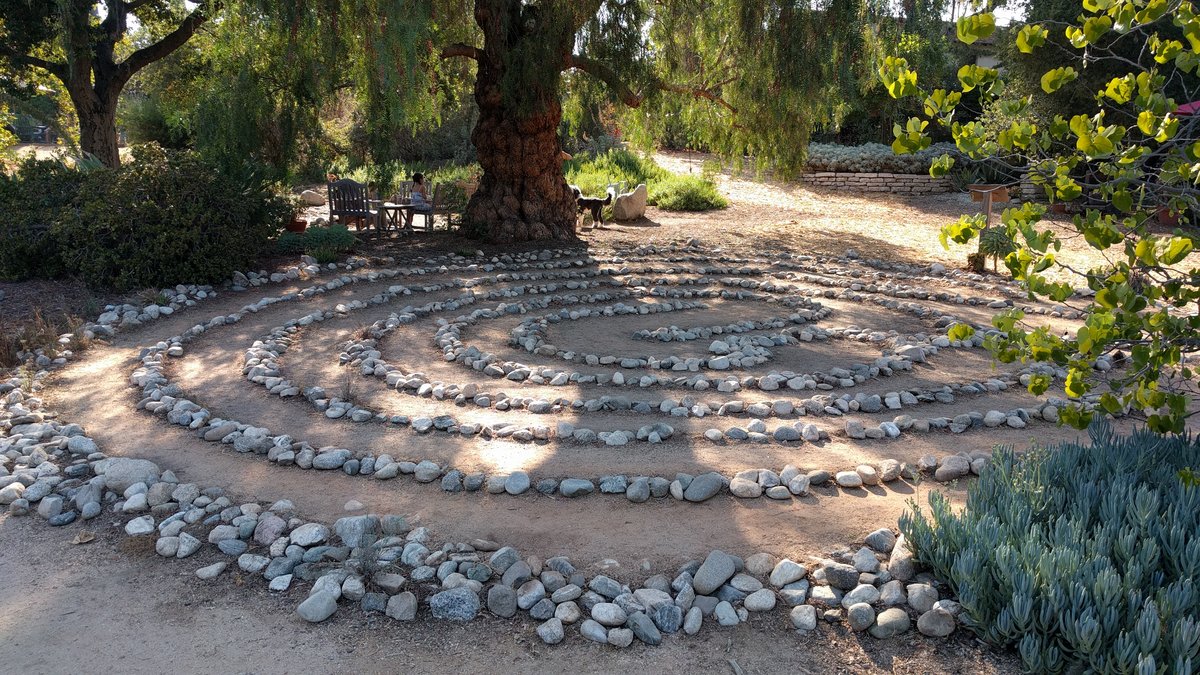
The garden's design draws inspiration from the Mediterranean climate of Southern California, incorporating principles of xeriscaping to promote water conservation. This approach not only aligns with Pasadena's climate but also serves as an educational model for sustainable gardening. Visitors can explore various themed areas, including a labyrinth, an olive grove, and a wildflower meadow, each contributing to the garden's ecological diversity (Pasadena Now).
Arlington Garden plays a crucial role in promoting biodiversity and supporting local wildlife. Home to over 350 species of plants, many of which are native to California, the garden provides habitat and food sources for a variety of pollinators, including bees, butterflies, and birds. Its commitment to organic gardening practices ensures a safe and healthy environment for these species, contributing to the overall health of the local ecosystem (California Native Plant Society).
Beyond its ecological significance, Arlington Garden is a vital community resource, offering a range of educational programs and workshops aimed at promoting sustainable gardening practices and environmental awareness. The garden also hosts various community events, fostering a sense of community and encouraging public participation in environmental stewardship (Arlington Garden Events).

History and Significance of Arlington Garden
Origins and Development
Arlington Garden's history dates back to 2005 when Betty and Charles McKenney, along with the City of Pasadena, transformed a vacant, three-acre lot into a thriving public garden. The land, previously owned by Caltrans, was initially intended for a freeway extension that never materialized. Recognizing the potential for a community space, the McKenneys spearheaded the project, emphasizing sustainable practices and native plant species (Arlington Garden).
Design and Inspiration
The design of Arlington Garden draws inspiration from the Mediterranean climate of Southern California. The garden's layout is influenced by the principles of xeriscaping, which focuses on water conservation through the use of drought-tolerant plants. This approach not only aligns with Pasadena's climate but also serves as an educational model for sustainable gardening practices. The garden features a variety of themed areas, including a labyrinth, an olive grove, and a wildflower meadow, each contributing to the garden's ecological diversity (Pasadena Now).
Ecological Significance
Arlington Garden plays a crucial role in promoting biodiversity and supporting local wildlife. The garden is home to over 350 species of plants, many of which are native to California. These plants provide habitat and food sources for a variety of pollinators, including bees, butterflies, and birds. The garden's commitment to organic gardening practices ensures a safe and healthy environment for these species, contributing to the overall health of the local ecosystem (California Native Plant Society).
Community Engagement and Education
One of the most significant aspects of Arlington Garden is its role as a community resource. The garden offers a range of educational programs and workshops aimed at promoting sustainable gardening practices and environmental awareness. These programs are designed for all age groups, from school children to adults, and cover topics such as native plant gardening, composting, and water conservation. The garden also hosts various community events, including plant sales, art exhibitions, and volunteer days, fostering a sense of community and encouraging public participation in environmental stewardship (Arlington Garden Events).
Cultural and Historical Context
Arlington Garden is situated on land with a rich historical context. The area was once part of the Rancho San Pasqual, a Mexican land grant given to Juan Marine in 1834. Over the years, the land changed hands several times before becoming part of the City of Pasadena. The garden's design pays homage to this history through the incorporation of elements such as the olive grove, which reflects the agricultural heritage of the region. Additionally, the garden's Mediterranean theme is a nod to the early settlers who brought with them plants and gardening traditions from their homelands (Pasadena Heritage).
Visitor Information
Visiting Hours and Admission
Arlington Garden is open daily from dawn to dusk, and admission is free, making it accessible to everyone. Visitors can explore the various themed areas, participate in educational programs, or simply enjoy the tranquility and beauty of the garden. The garden's layout is designed to encourage exploration and discovery, with winding paths, hidden nooks, and a variety of seating areas where visitors can relax and take in the surroundings (Visit Pasadena).
Travel Tips
- Best Time to Visit: Spring and fall are ideal times to visit Arlington Garden when the weather is mild, and the plants are in full bloom.
- Accessibility: The garden is wheelchair accessible, with paved paths and seating areas designed for visitors with mobility challenges.
- Parking: Free parking is available on the surrounding streets, but it can be limited on weekends and during special events.
- What to Bring: Comfortable walking shoes, a hat, sunscreen, and water are recommended for a pleasant visit.
Nearby Attractions
- Norton Simon Museum: Located just a short drive away, this museum features an extensive collection of European and Asian art (Norton Simon Museum).
- Old Pasadena: A historic district with a variety of shops, restaurants, and entertainment options (Old Pasadena).
- Huntington Library, Art Museum, and Botanical Gardens: Another beautiful garden and cultural institution worth visiting in Pasadena (Huntington Library).
Environmental Impact and Sustainability
Arlington Garden serves as a model for sustainable urban gardening. The garden's use of drought-tolerant plants and efficient irrigation systems significantly reduces water consumption, an important consideration in the arid climate of Southern California. The garden also employs organic gardening practices, avoiding the use of synthetic pesticides and fertilizers, which helps to protect soil health and water quality. These practices not only benefit the environment but also serve as an educational tool for visitors, demonstrating the feasibility and benefits of sustainable gardening (Sustainable Sites Initiative).
Recognition and Awards
Arlington Garden has received numerous accolades for its contributions to the community and the environment. In 2012, the garden was awarded the Green City Award by the City of Pasadena, recognizing its efforts in promoting sustainability and environmental education. The garden has also been featured in various publications and media outlets, highlighting its role as a model for urban green spaces and community engagement (Pasadena Weekly).
Future Plans and Developments
Looking ahead, Arlington Garden continues to evolve and expand its offerings. Plans for the future include the introduction of new plant species, the expansion of educational programs, and the development of additional themed areas within the garden. These initiatives aim to enhance the garden's ecological diversity, provide more learning opportunities for visitors, and further solidify Arlington Garden's role as a vital community resource and environmental steward (Arlington Garden Future Plans).
FAQ
- What are the visiting hours for Arlington Garden? Arlington Garden is open daily from dawn to dusk.
- Is Arlington Garden accessible for disabled visitors? Yes, the garden is wheelchair accessible with paved paths and seating areas.
- Are there any admission fees for Arlington Garden? No, admission to Arlington Garden is free for all visitors.
Listen to the full story in the app
The whole Arlington Garden,
told well.
Listen to sourced travel stories with local history and practical context — ready offline.
Verified, and shown.
Researched and written by the Audiala editorial team from historical records, architectural archives, and local expertise.
Built from cited sources · see the method · How we make our guides →