Downtown Los Angeles (DTLA)
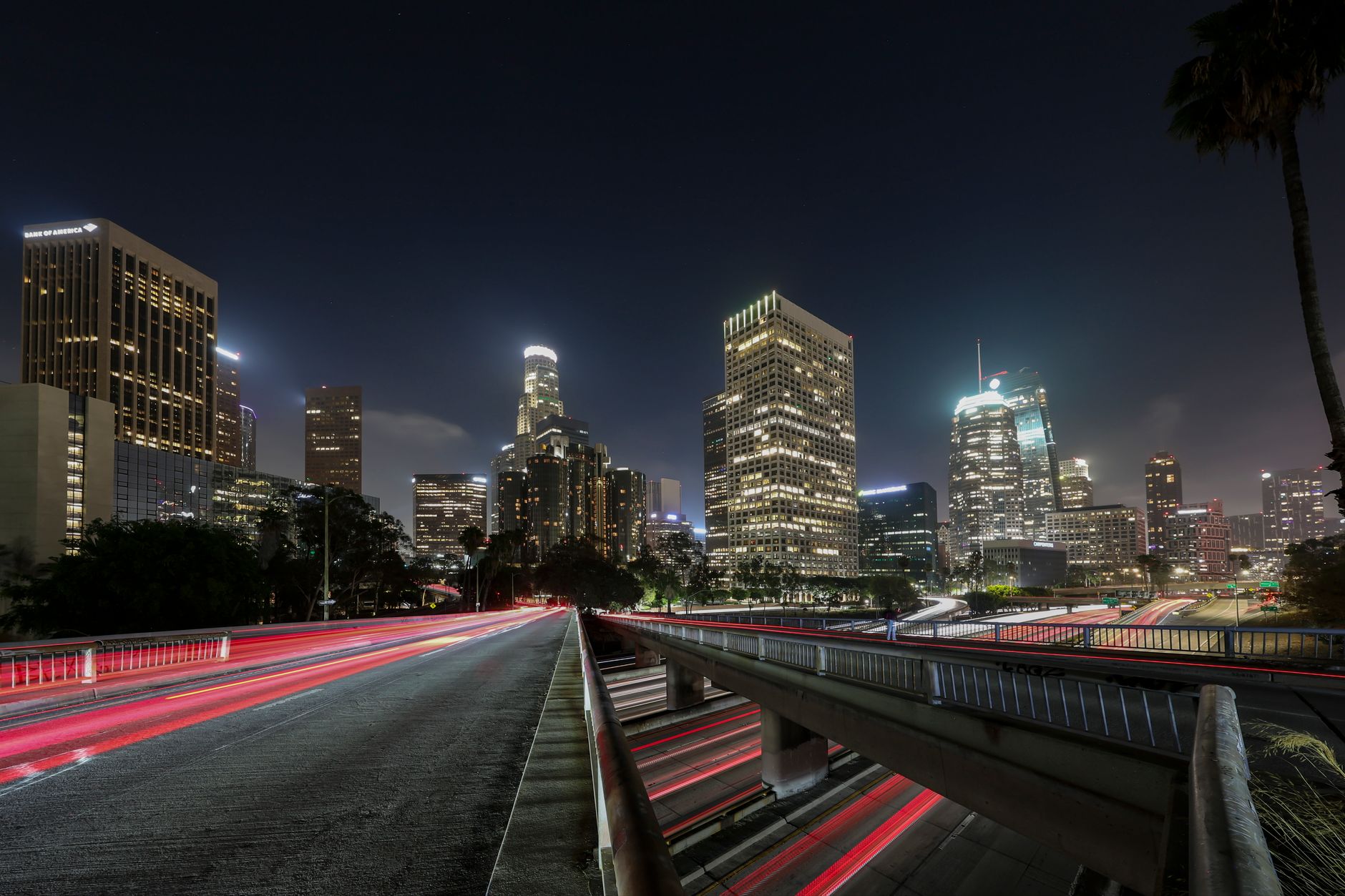
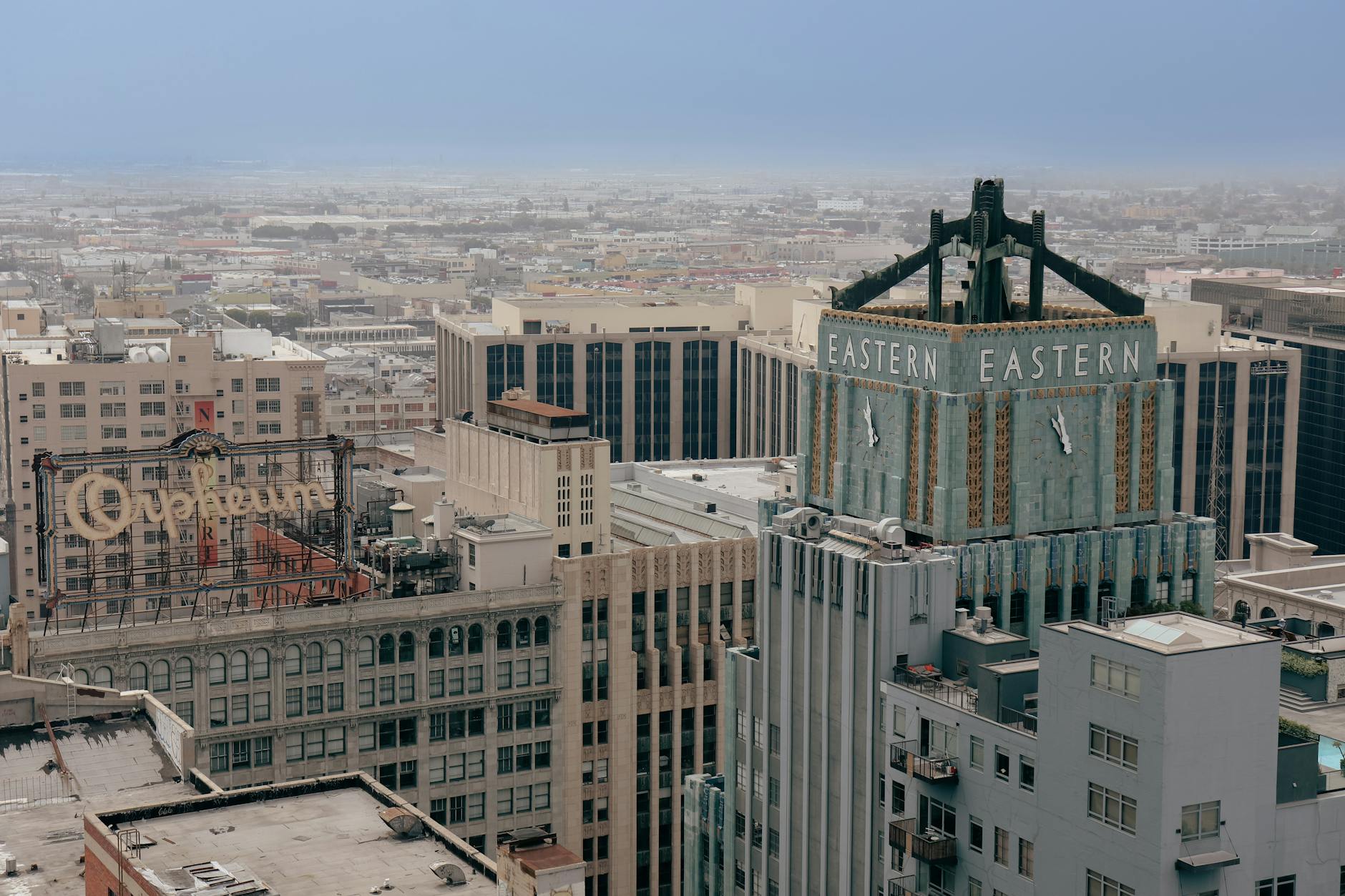
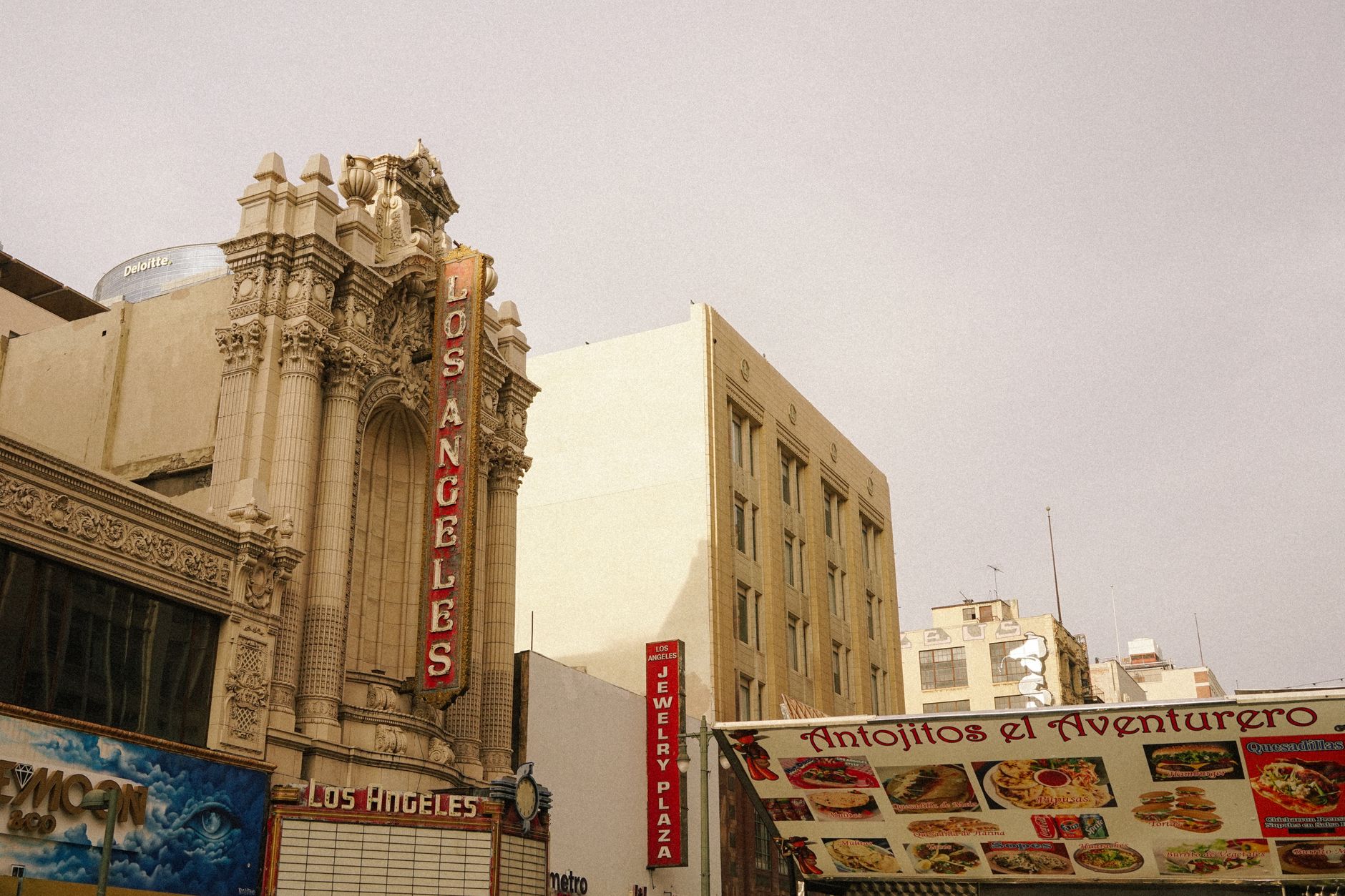
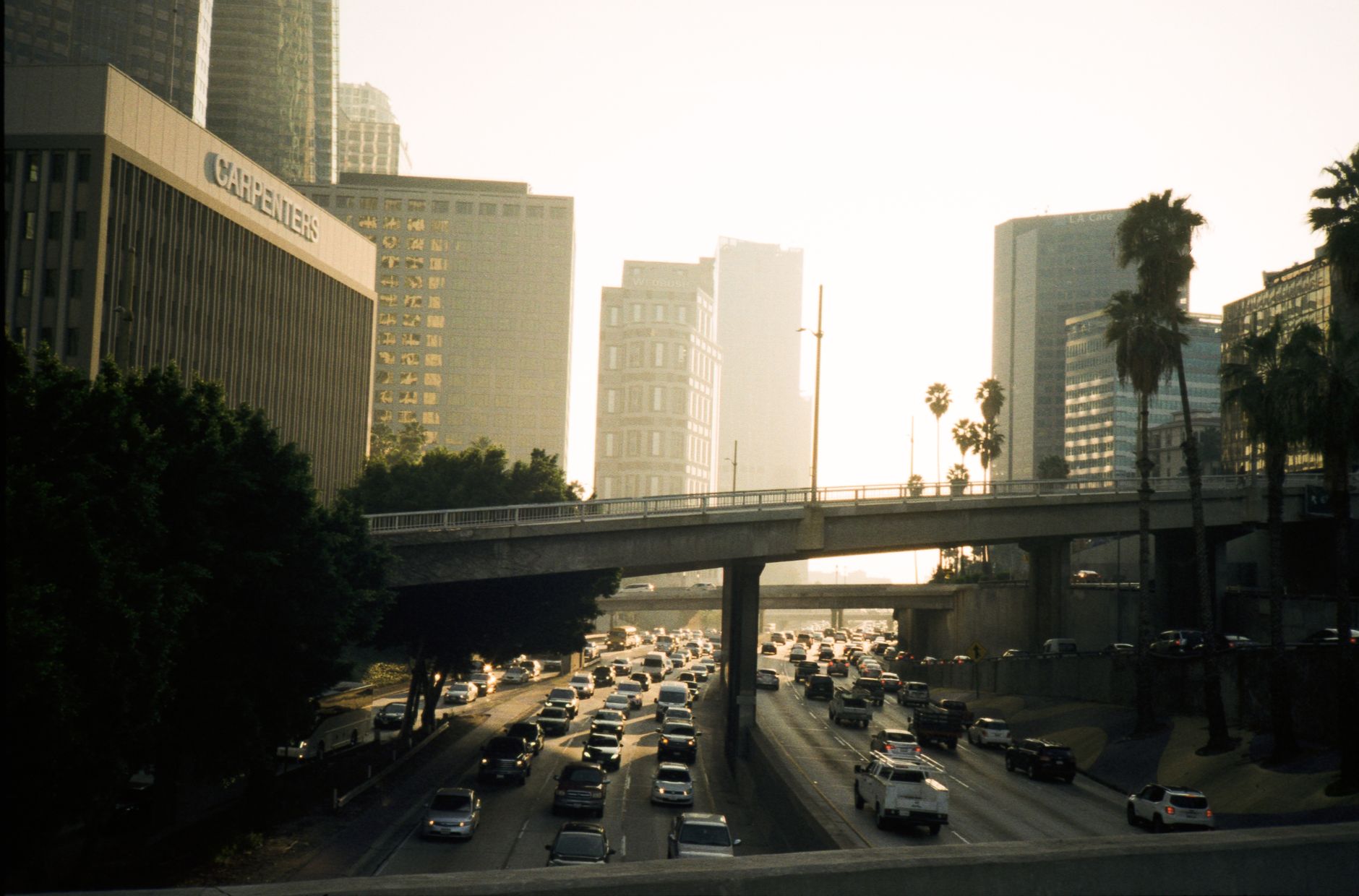
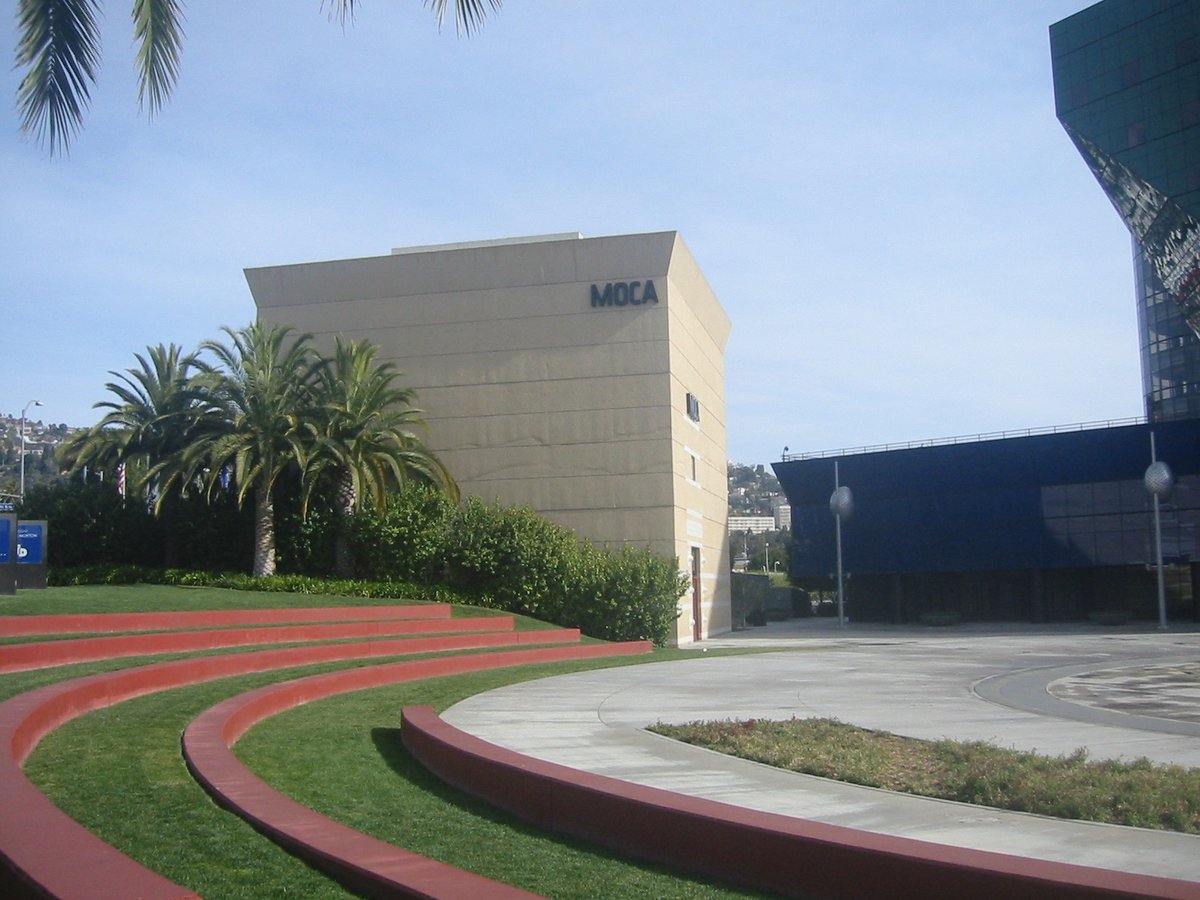
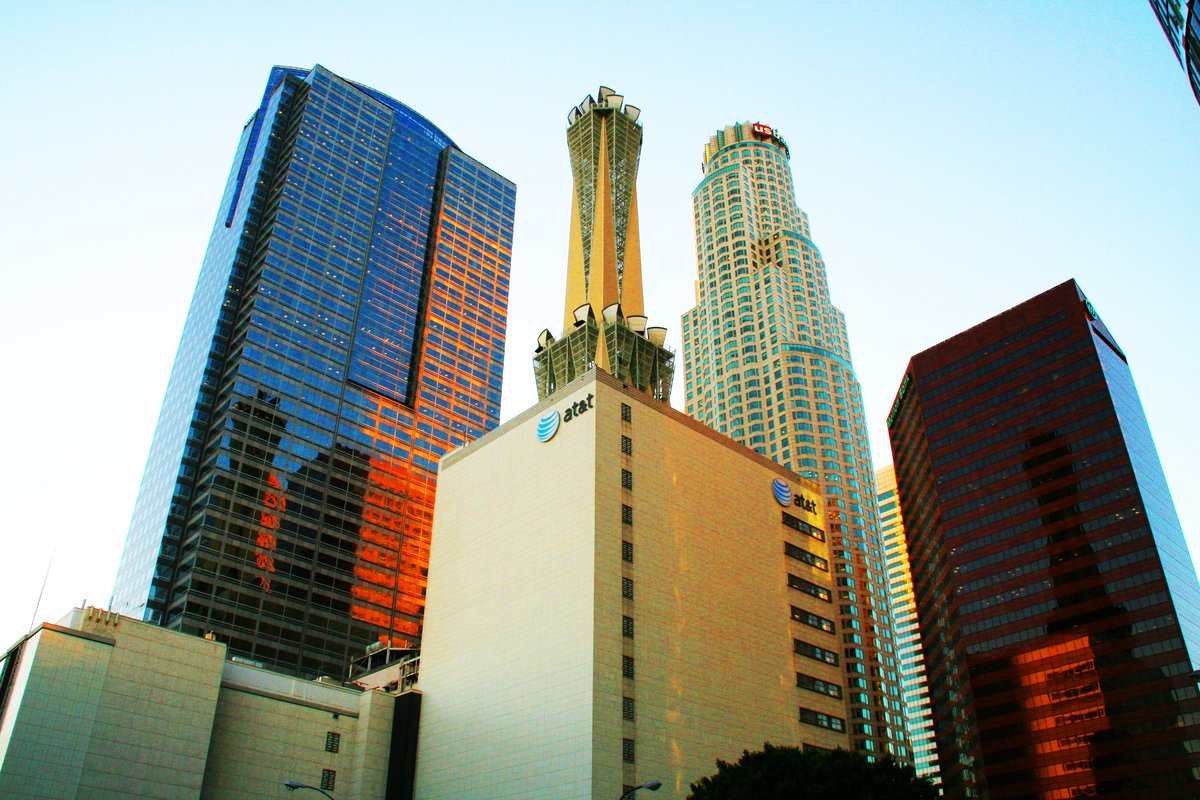
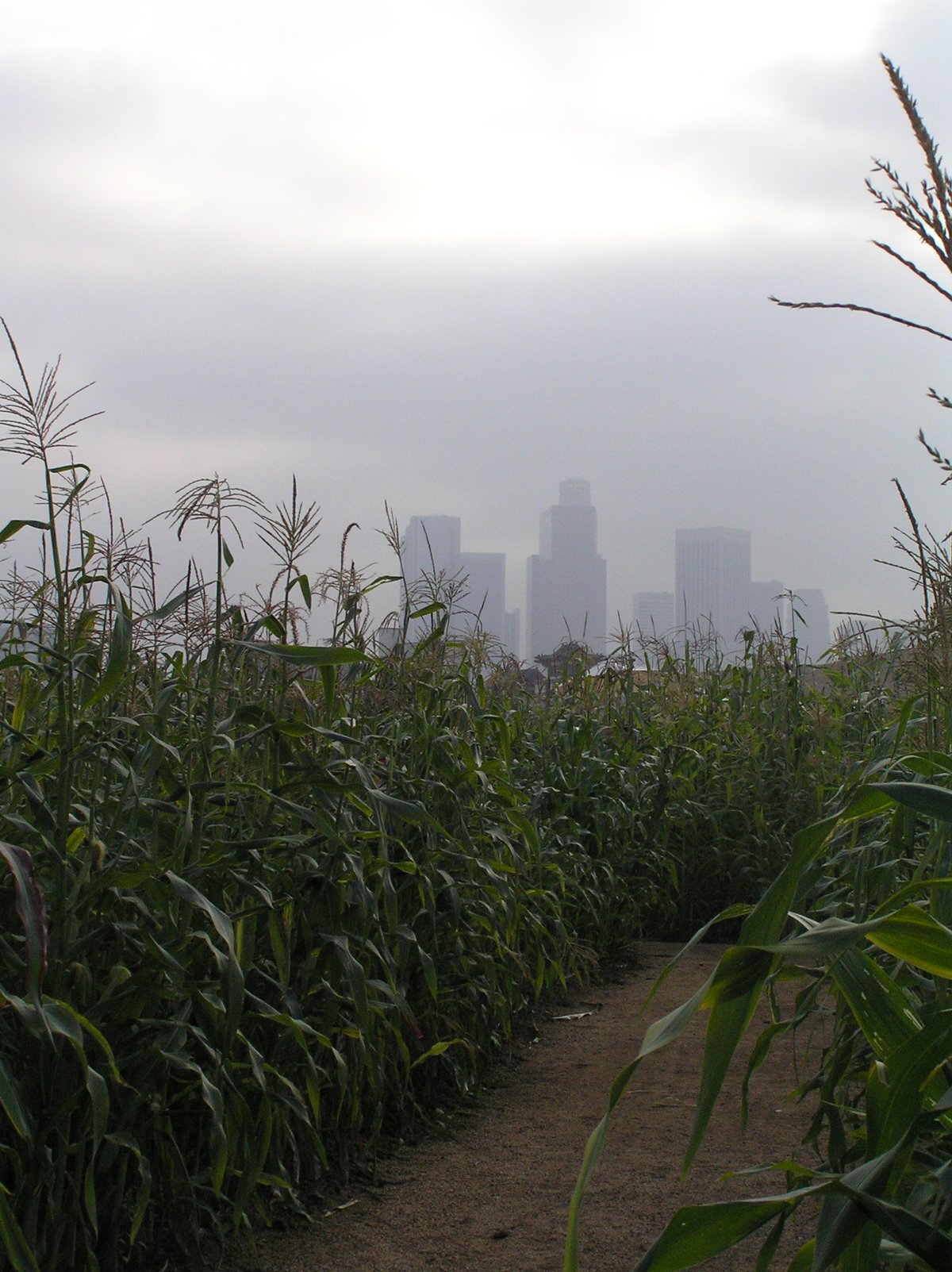
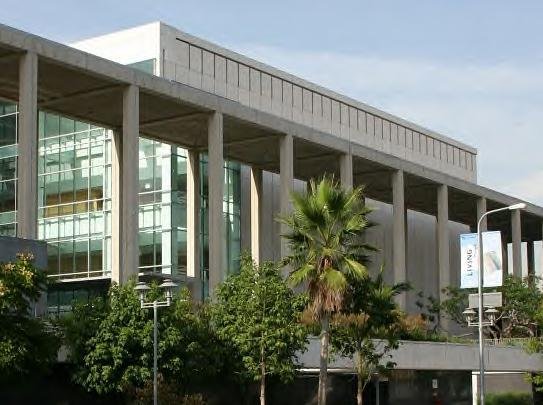
DTLA is LA’s most dramatic contrast zone: Beaux-Arts facades, food counters, and glass high-rises sharing a few dense blocks. Visit Grand Central Market (open since 1917), step into the Bradbury Building’s iron-lace atrium, ride Angels Flight, and walk Grand Avenue for The Broad and Disney Hall. Go by day for architecture and galleries; return at night for cocktail bars and concert crowds.
Hollywood
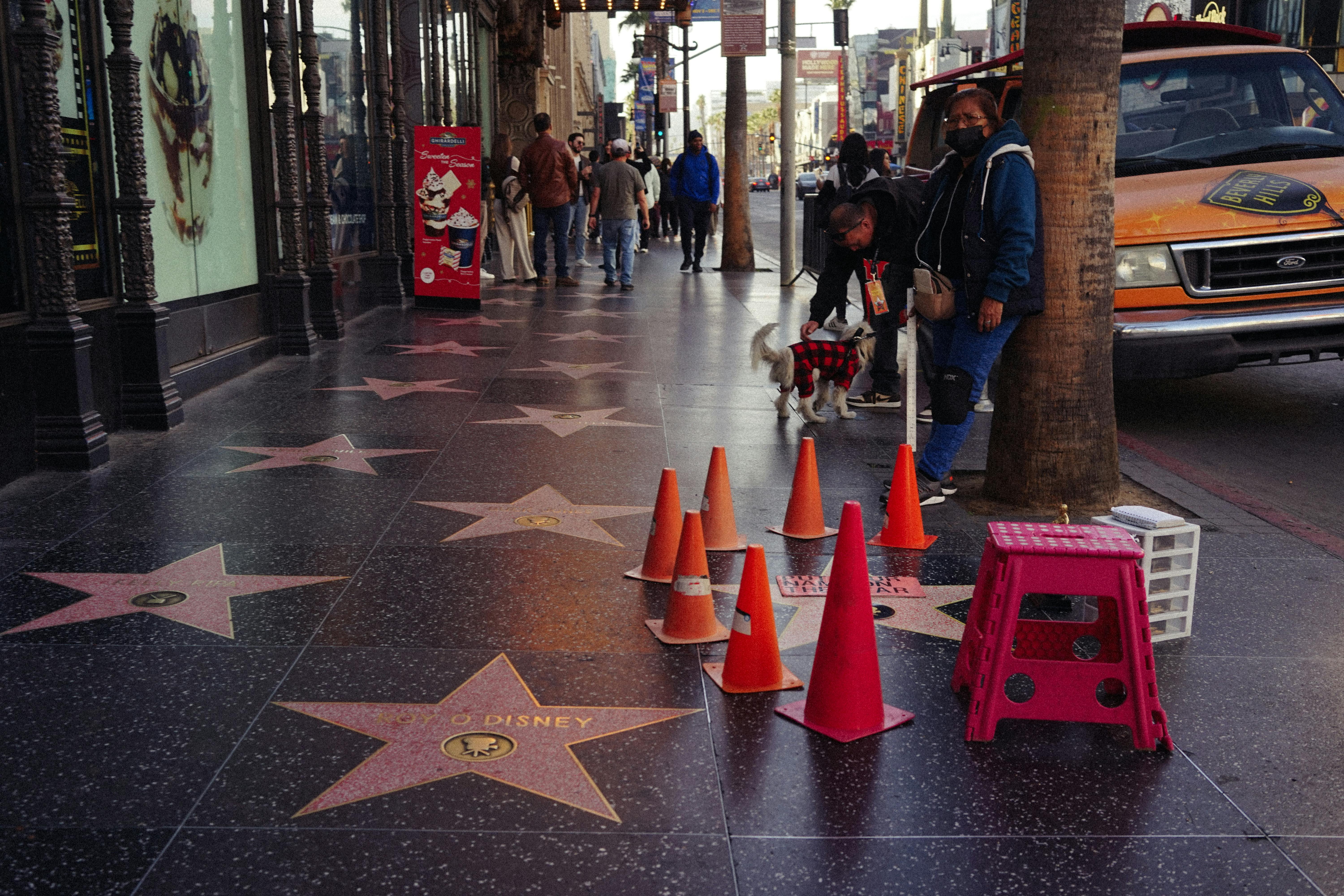
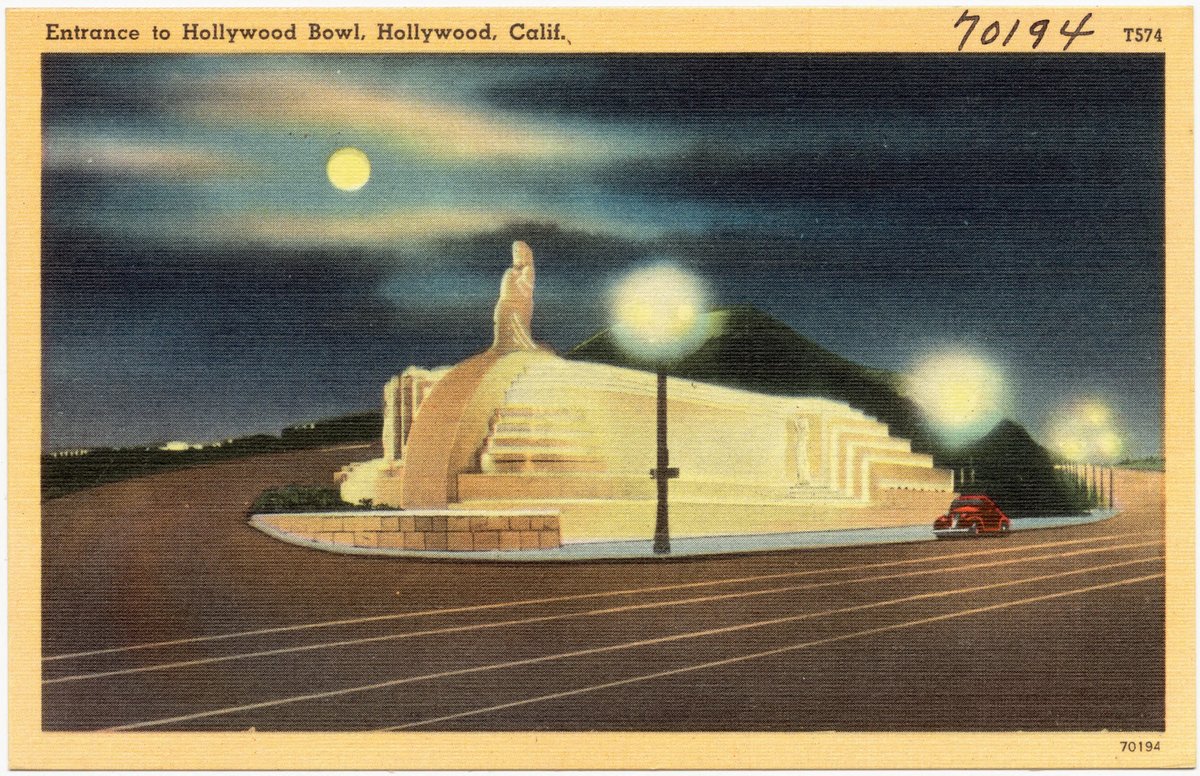
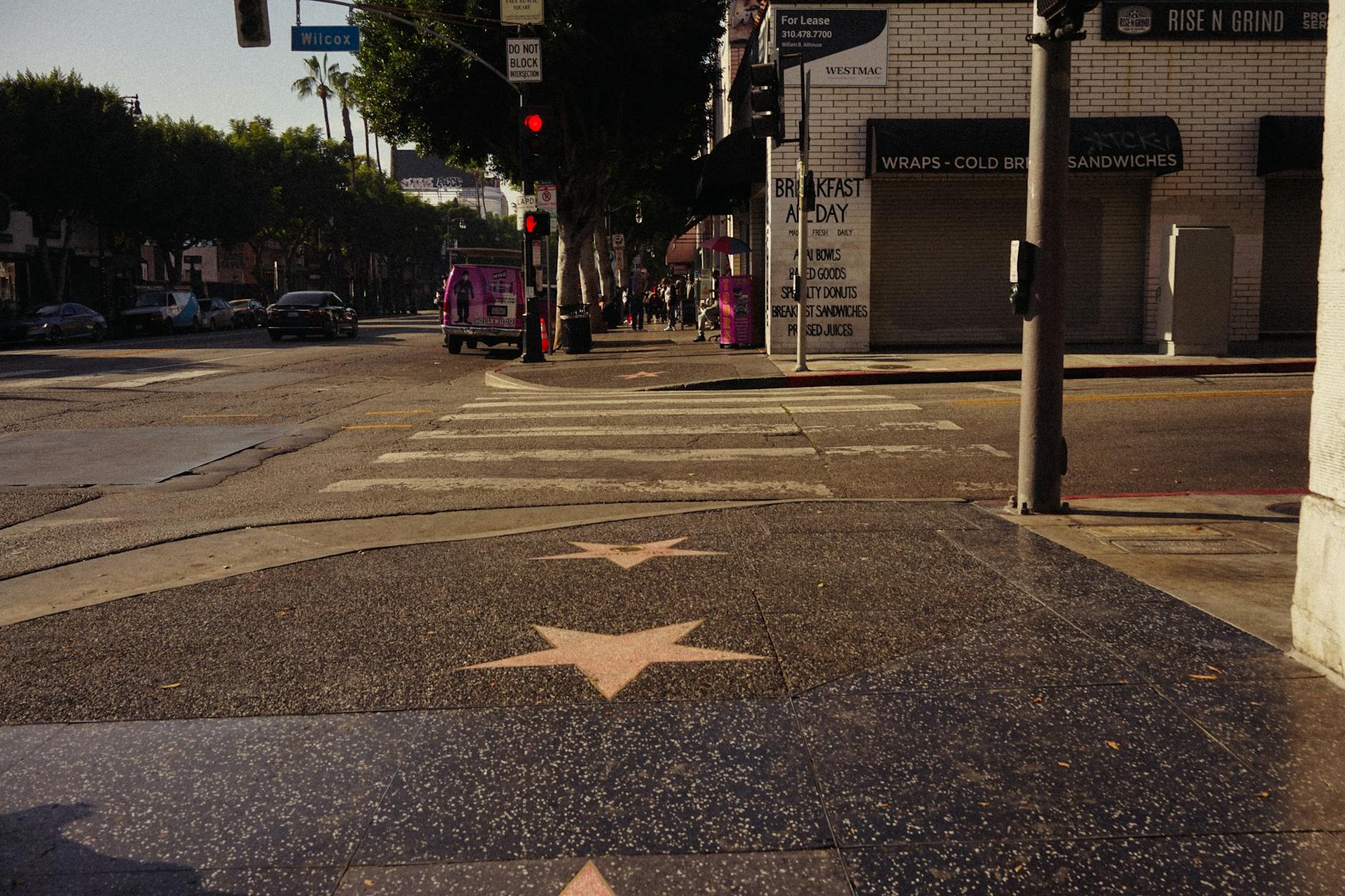
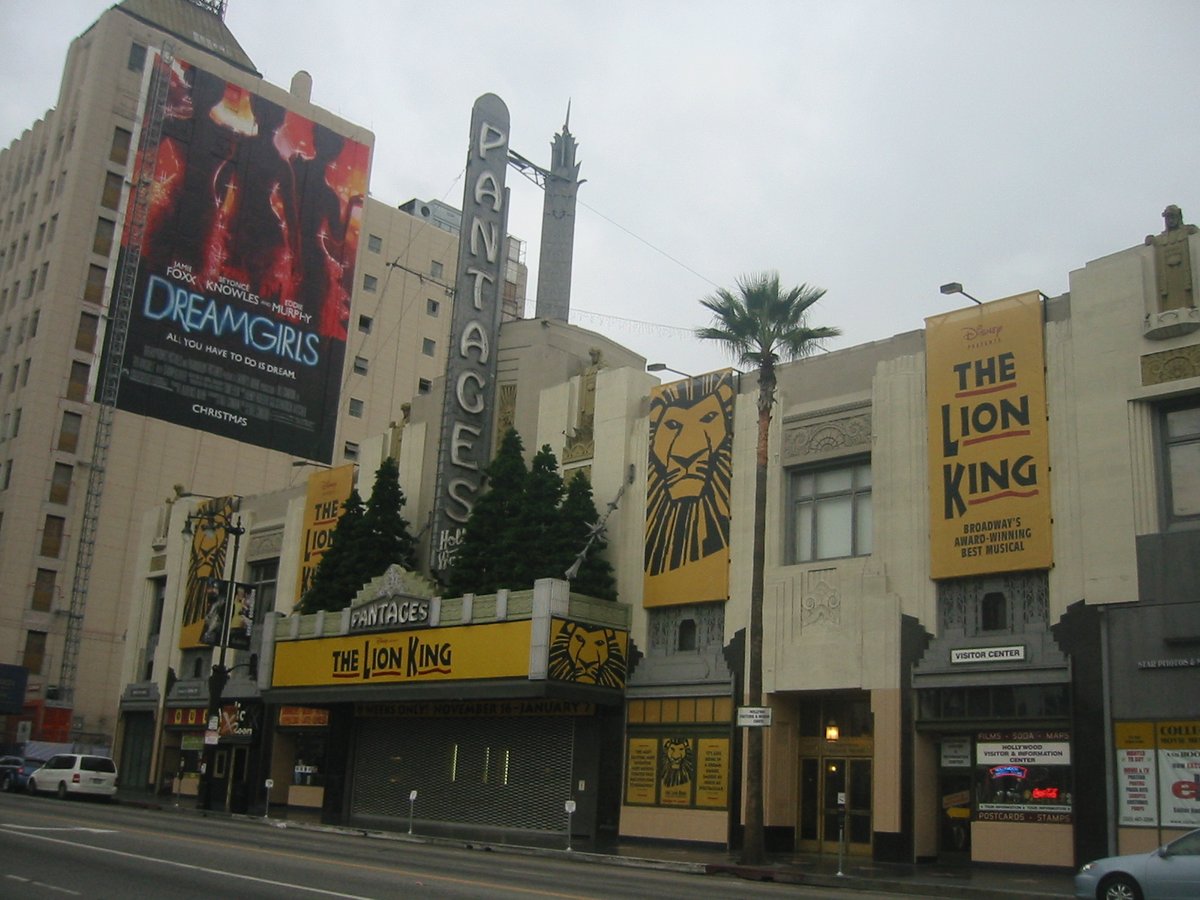
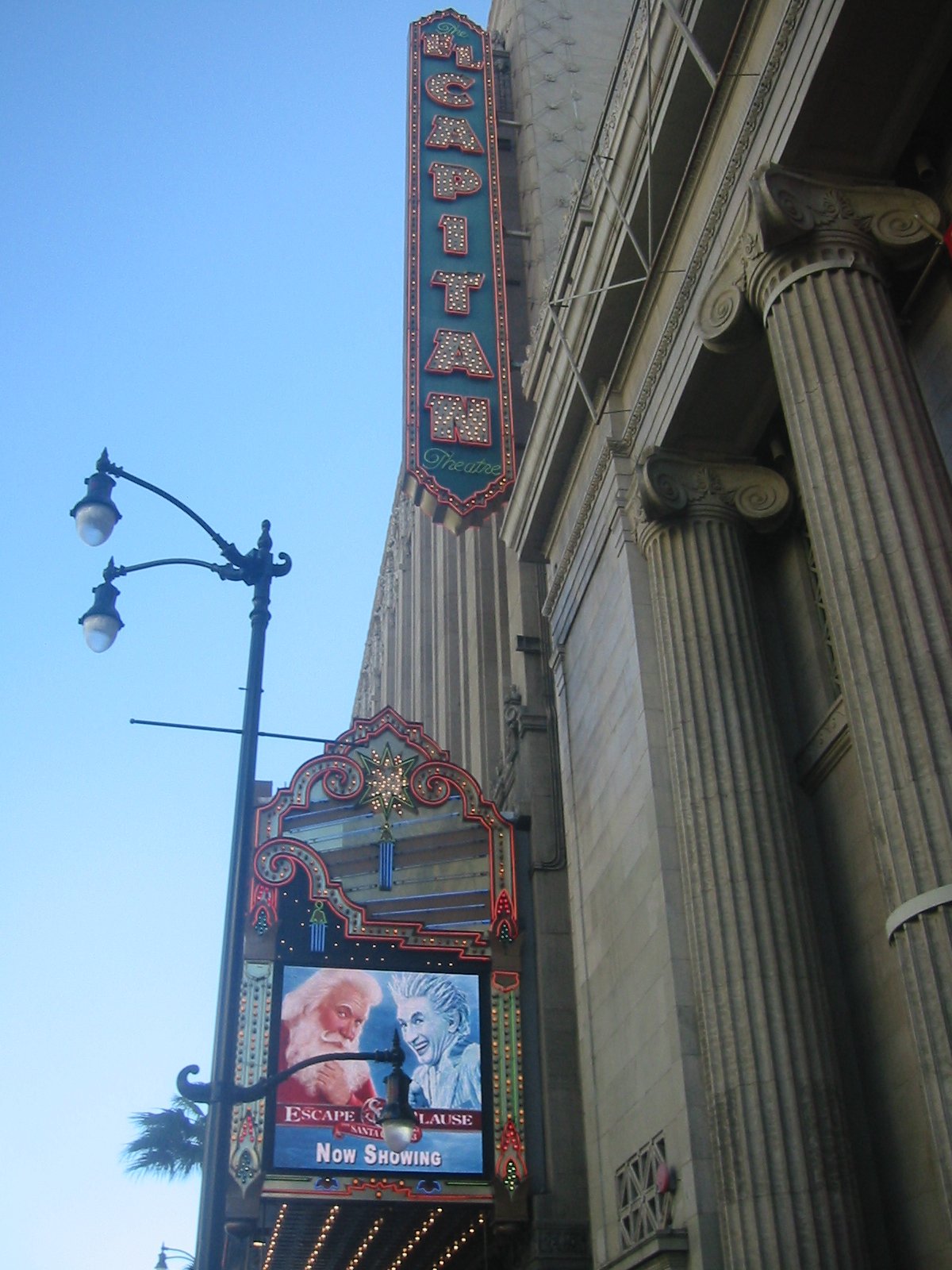
Yes, Hollywood Boulevard can feel like a circus, but there’s serious cultural depth nearby if you sidestep the souvenir shops. The Pantages and the Hollywood Bowl anchor live performance, Thai Town serves some of the city’s boldest food, and old-school bars still carry film-industry ghosts. Treat the Walk of Fame as a quick pass-through, then spend your real time in theaters and side streets.
Los Feliz & Griffith Park
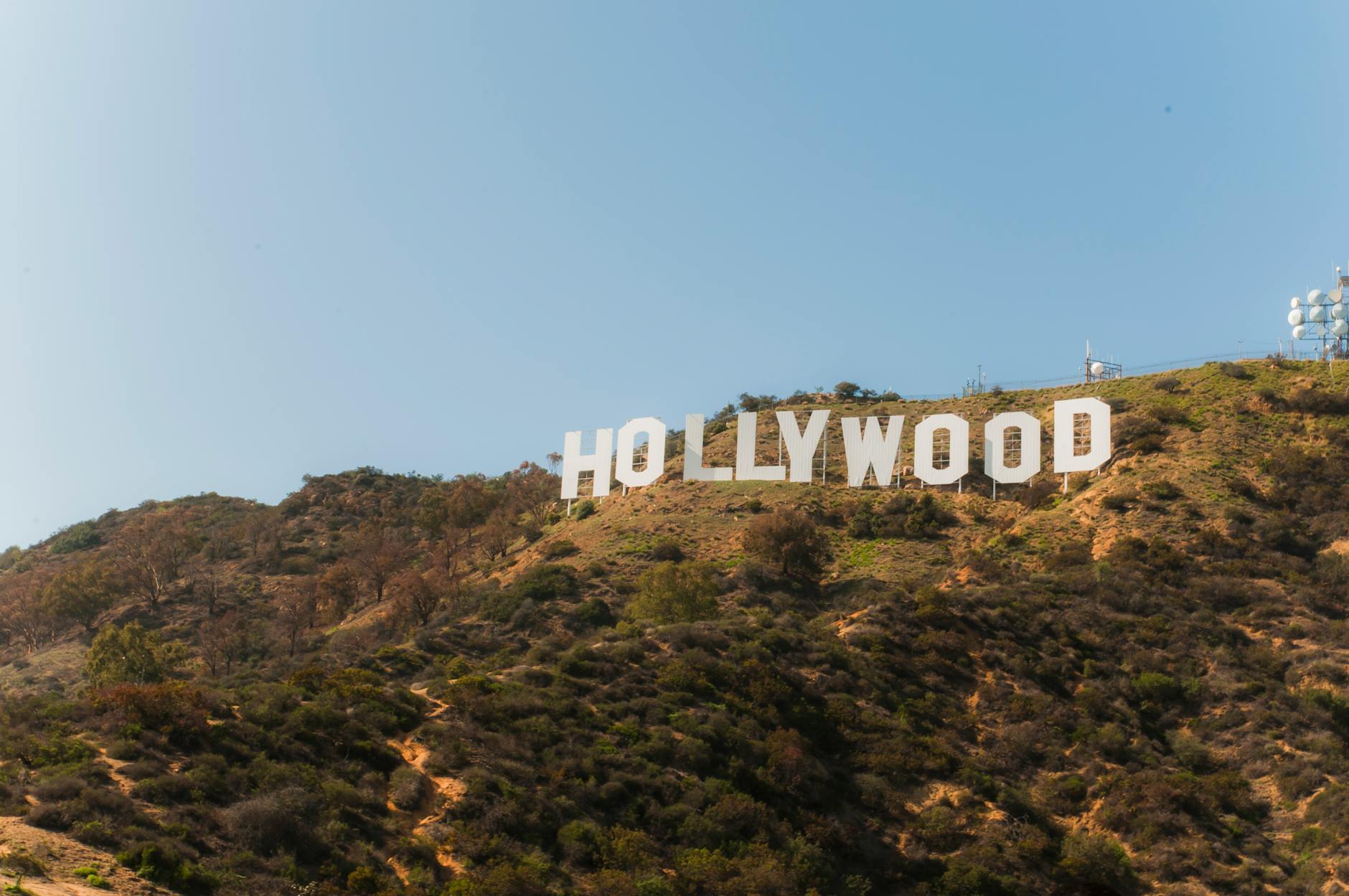
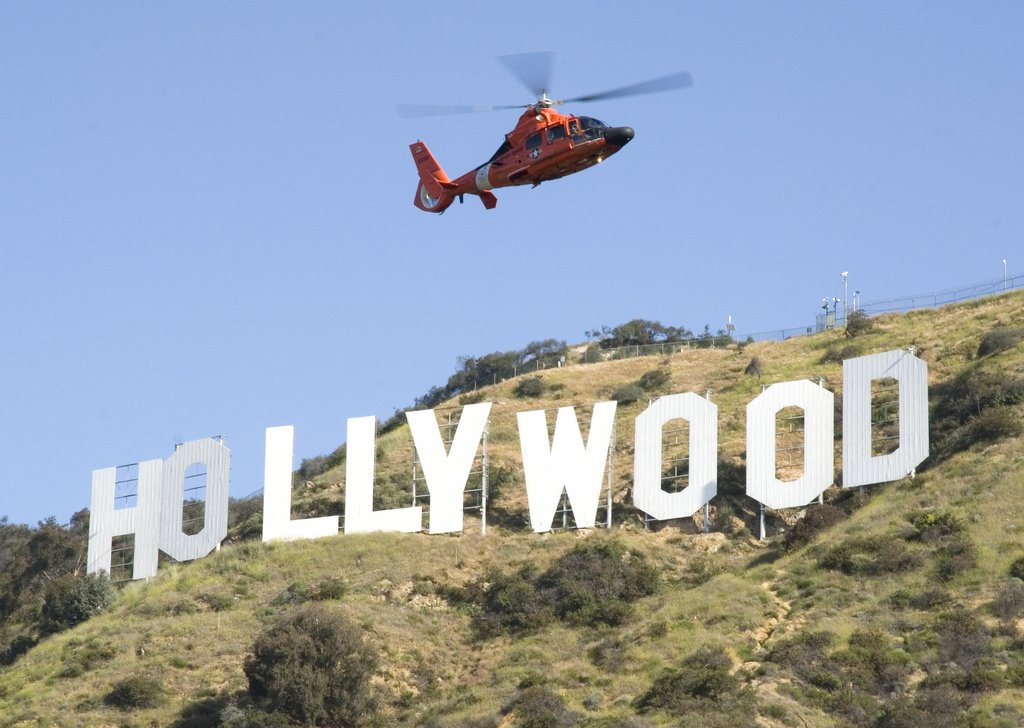
Los Feliz is where neighborhood life meets big-city landmarks. Mornings are for coffee on Vermont or Hillhurst; afternoons for the Griffith Observatory, Fern Dell shade, or trails with Hollywood Sign views. Architecturally, it’s rich—Spanish Revival homes, nearby Ennis House—and at night, repertory cinemas like the Vista keep LA’s movie culture alive in 35mm and 70mm.
Silver Lake & Echo Park
This is creative LA at street level: hillside staircases from the 1910s, record shops, natural wine bars, and small music rooms. Walk the Silver Lake stairs and reservoir loop for skyline views, then drift toward Echo Park for indie venues and late dinners. The mood is less polished than the Westside and more interesting because of it.
Koreatown
Koreatown is dense, vertical, and alive long after other districts go quiet. By day you get Art Deco landmarks like the Wiltern; by night, smoky KBBQ rooms, soju bars, and norebang karaoke. It’s one of the best neighborhoods in the city for late-night eating, and one of the clearest examples of LA’s immigrant energy shaping the city in real time.
Arts District & Little Tokyo
Former industrial blocks east of Downtown now hold galleries, breweries, design shops, and some of LA’s most talked-about dining rooms. Hauser & Wirth’s converted mill is a major anchor, while Little Tokyo next door keeps a deeper historical rhythm with ramen counters, mochi shops, and community institutions. Come for contemporary art, stay for the mix of old and new street by street.
Venice
Venice swings between spectacle and calm depending on the hour. The boardwalk delivers street performers, skate culture, and Muscle Beach theatrics; a few blocks inland, Abbot Kinney and the canals feel almost residential. Early weekday mornings are best, when the ocean light is soft and the neighborhood feels less like a stage set.
Santa Monica
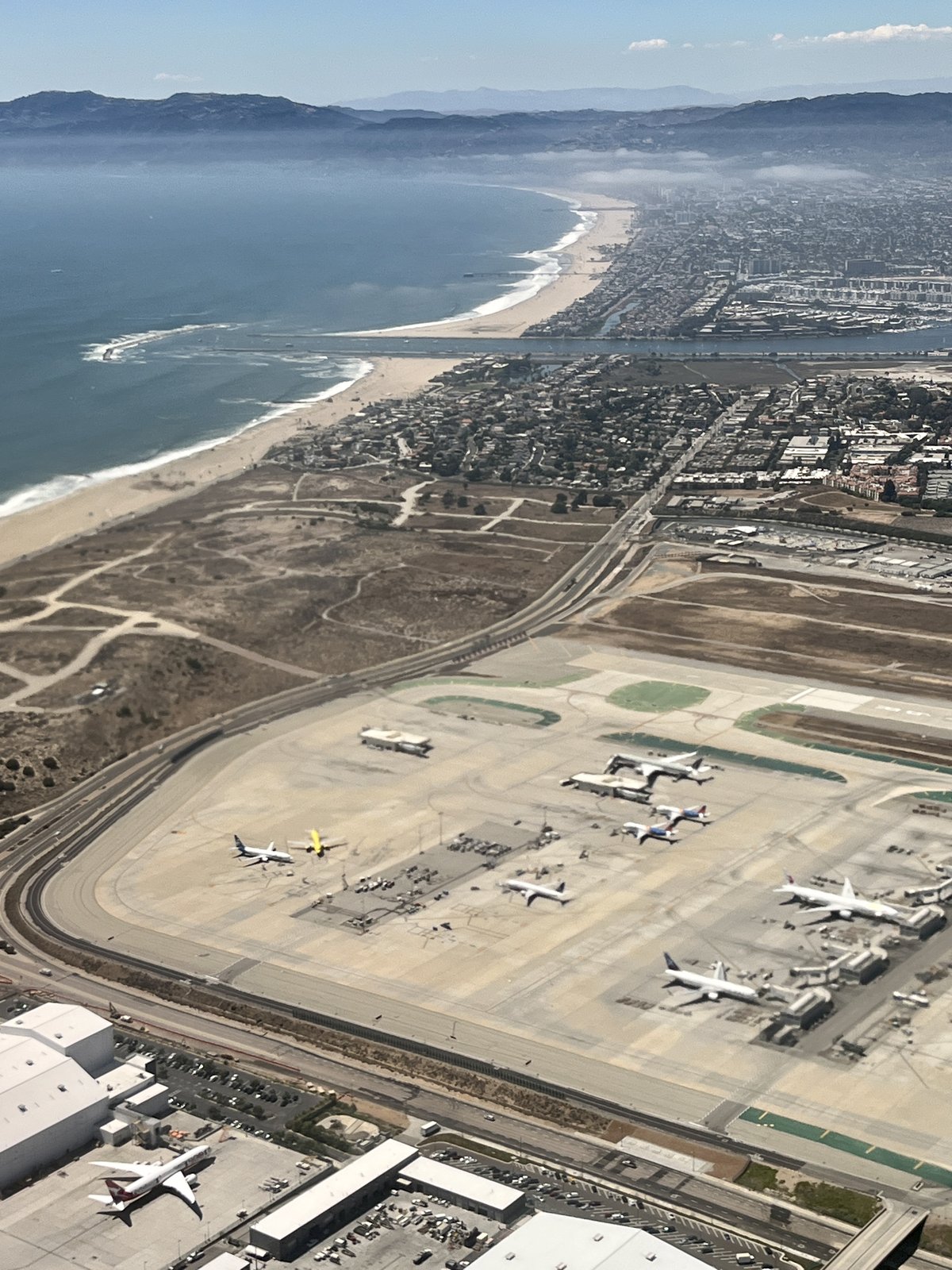
Santa Monica is beach-city LA with civic polish: broad bike paths, oceanfront parks, and a walkable core that visitors can navigate without a car. The pier is lively and nostalgic, but the real pleasure is the coastal rhythm—farmers market mornings, sunset from Palisades Park, and easy access north toward Malibu. It’s a good base if you want Pacific air with urban convenience.