Introduction
At sunset, Los Angeles smells like jasmine, grilled meat, and warm asphalt, while the San Gabriels turn pink behind a line of palms. In los angeles, united states, the surprise is how quickly the city changes block by block: a 1917 food hall in Downtown, a silent canyon trail 20 minutes away, a Korean barbecue dining room still full at midnight. This is a place of scale and intimacy at the same time, if you learn how to read it.
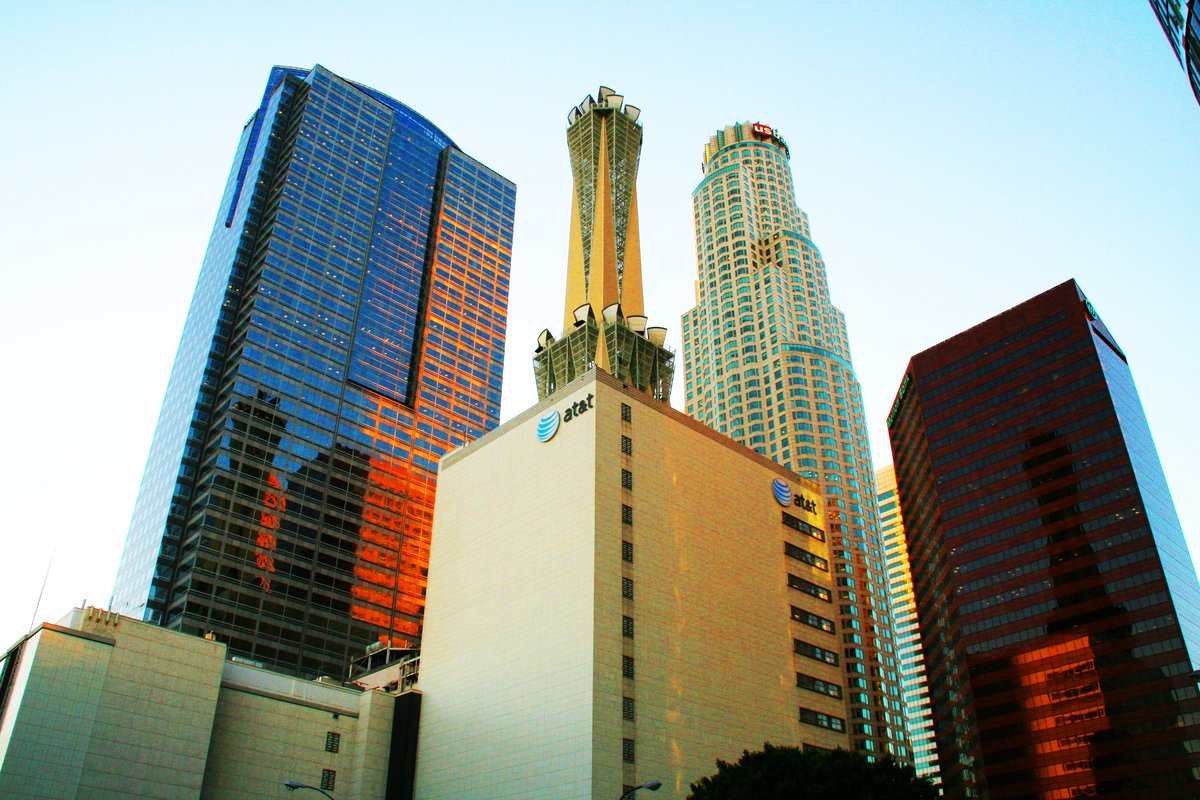
People love to call LA "sprawling," but that misses the point. It behaves less like one city and more like a constellation of fiercely local villages stitched together by freeways, tacos, and sunlight. You might start your day under the travertine arches of Union Station, ride Angels Flight for a dollar, and end it on a rooftop in Koreatown with neon reflecting off glass towers.
The culture here is not just Hollywood mythology, though film is everywhere: at the Academy Museum’s Renzo Piano sphere, at repertory houses like the Vista and New Beverly, and in the way residents casually reference locations as if they were scenes. What really defines LA is overlap—Oaxacan and Armenian bakeries within a few blocks, Frank Lloyd Wright and strip malls in the same afternoon, world-class contemporary art in former warehouses.
Come for the icons, but stay for the textures: the marine layer lifting off Venice in the morning, the echo inside Walt Disney Concert Hall, the hiss of late-night street carts outside clubs. LA rewards curiosity more than checklist travel. Once you stop asking what the city is "about" and start following its neighborhoods, it reveals itself as one of the most culturally layered places in the United States.
Places to Visit
The Most Interesting Places in Los Angeles
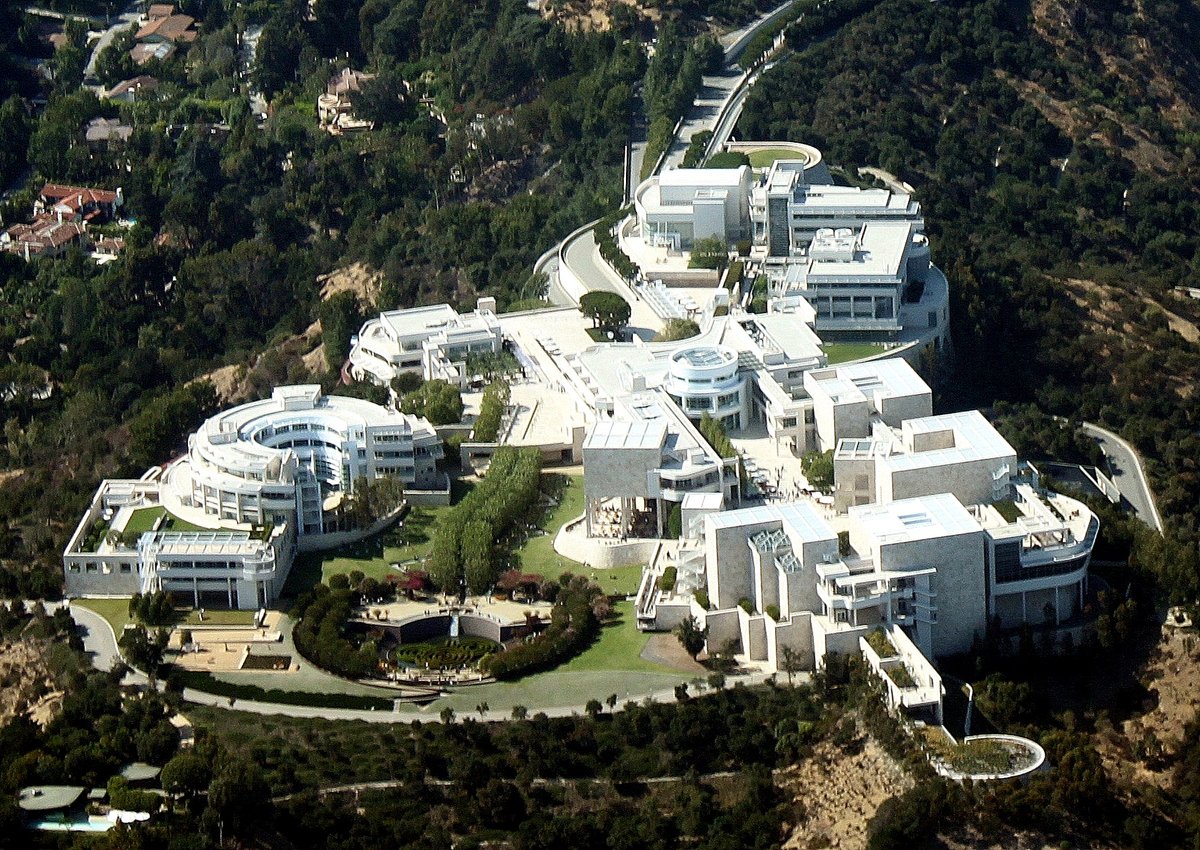
J. Paul Getty Museum
The J. Paul Getty Museum in Los Angeles, commonly referred to as the Getty, stands as a beacon of art, architecture, and cultural scholarship, attracting…
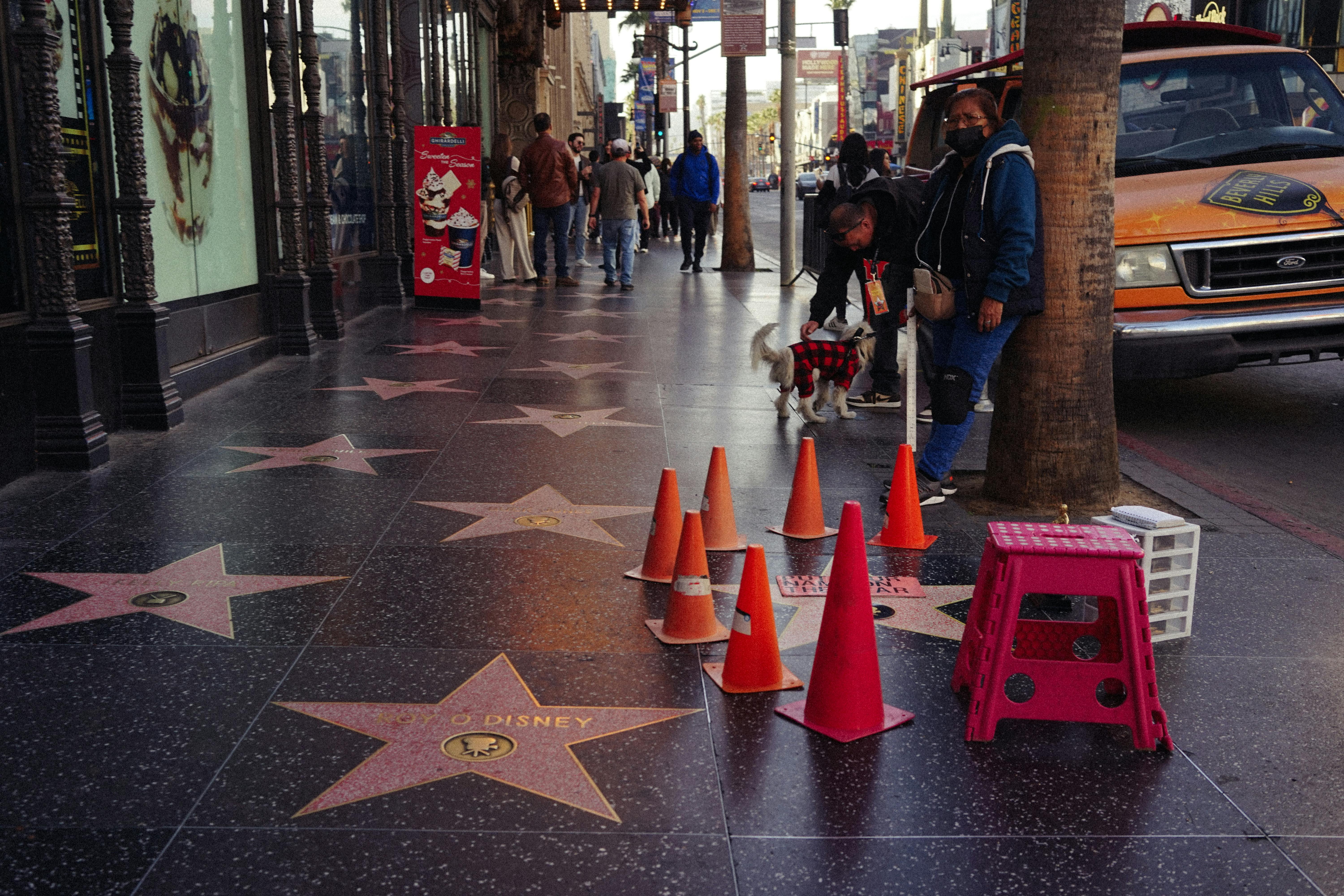
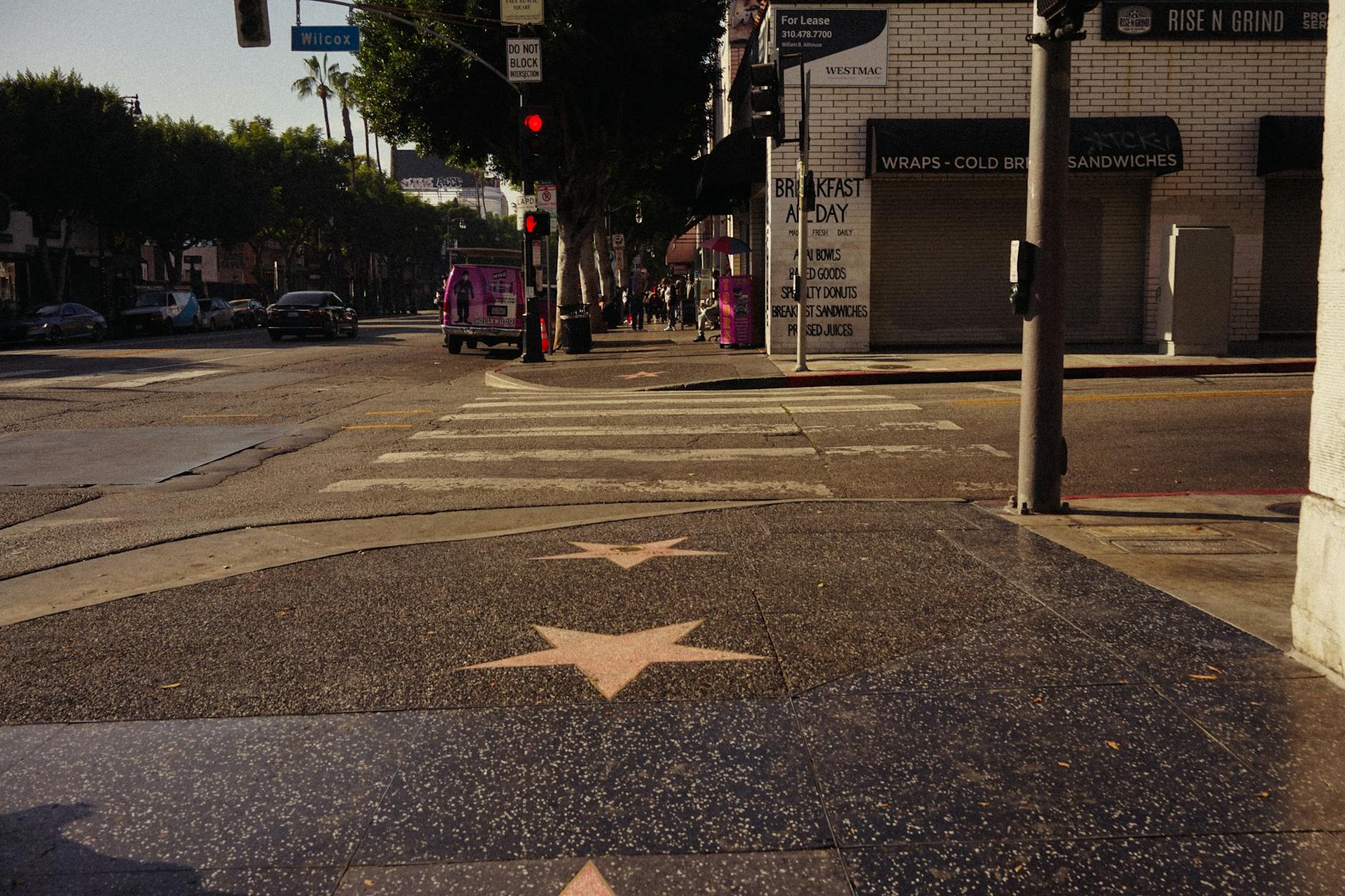
Hollywood Walk of Fame
Over 2,800 coral-pink terrazzo stars span 1.7 miles of Hollywood Blvd — and the first permanent one was laid on March 28, 1960, for a director, not a star.
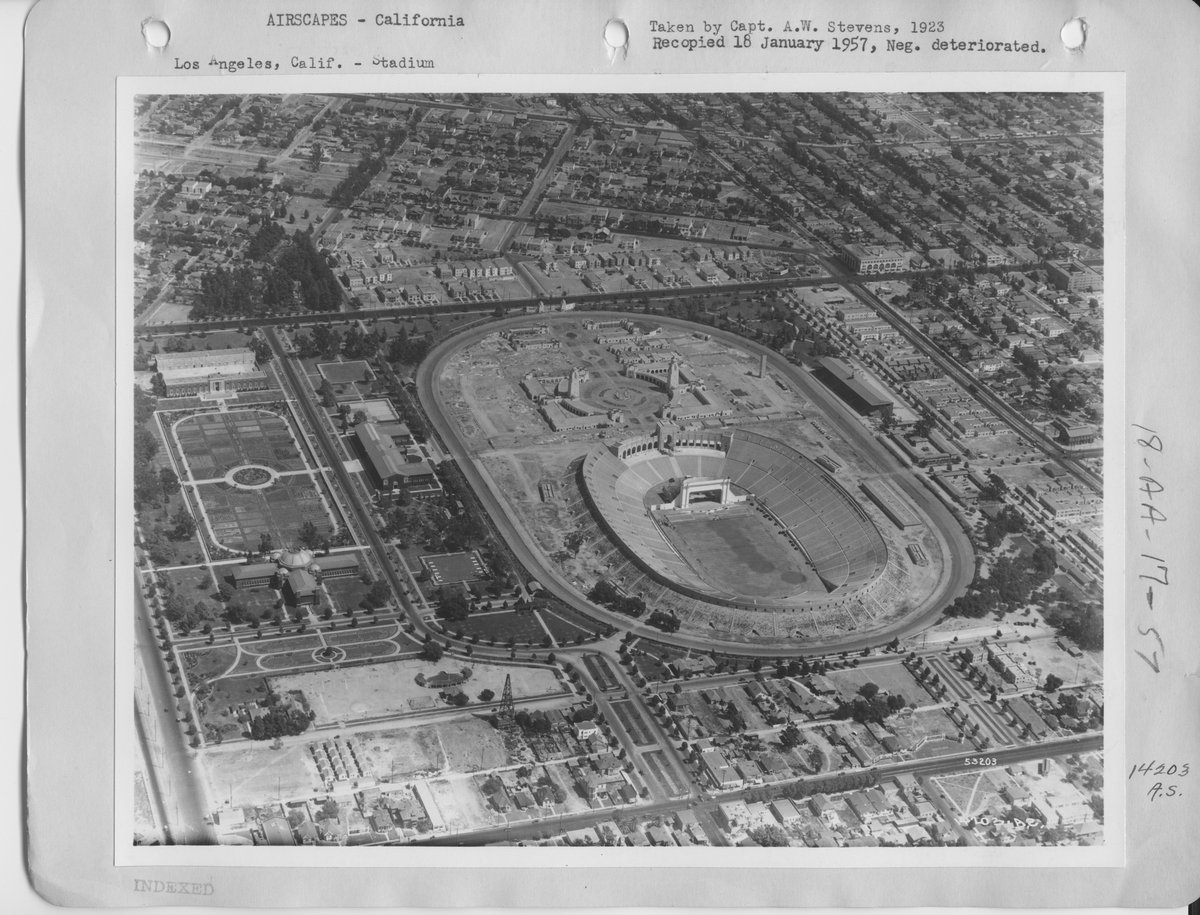
Los Angeles Memorial Coliseum
The Los Angeles Memorial Coliseum stands as a monumental testament to the rich cultural, sporting, and architectural heritage of Los Angeles, California.
Los Angeles County Museum of Art
The Los Angeles County Museum of Art (LACMA) stands as the largest art museum in the western United States and a pivotal cultural landmark located in the…
Natural History Museum Los Angeles County
The Natural History Museum of Los Angeles County (NHMLA) is a cornerstone of cultural and scientific heritage in Los Angeles, offering visitors a captivating…
Dolby Theatre
Situated at the heart of Hollywood, the Dolby Theatre stands as one of Los Angeles’ most iconic landmarks, renowned worldwide as the permanent home of the…
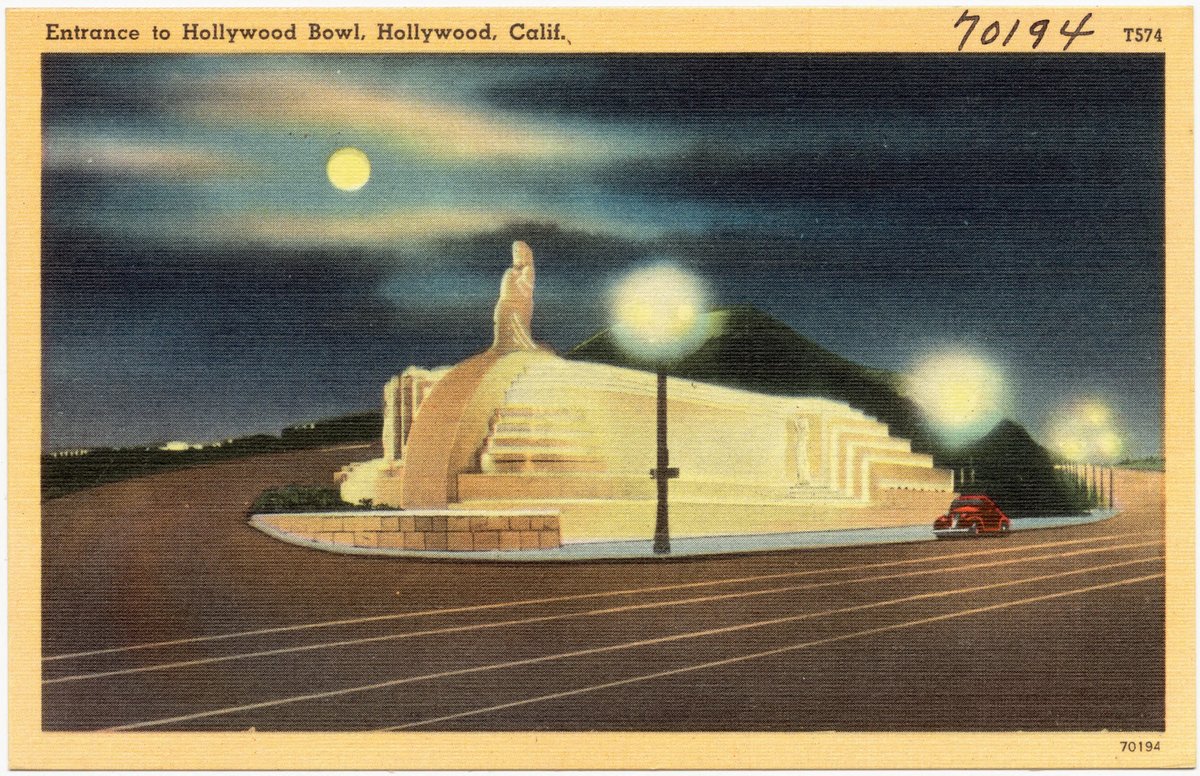
Hollywood Bowl
Nestled in the heart of Los Angeles, the Hollywood Bowl stands as one of the most iconic venues in the world.
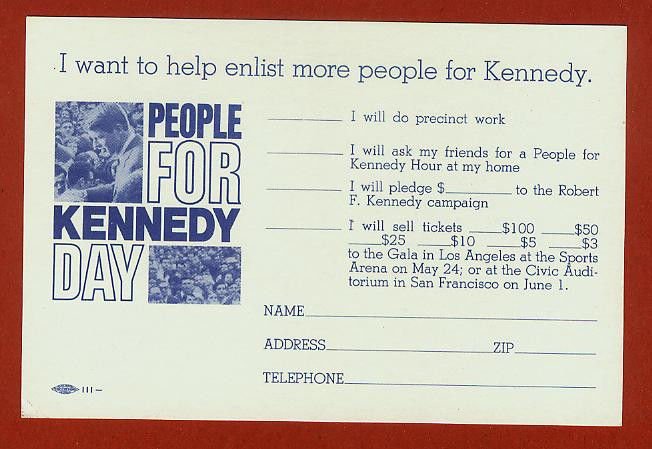
Los Angeles Memorial Sports Arena
Nestled in the heart of Exposition Park in Los Angeles, the site historically known as the Los Angeles Memorial Sports Arena has evolved into a vibrant hub of…
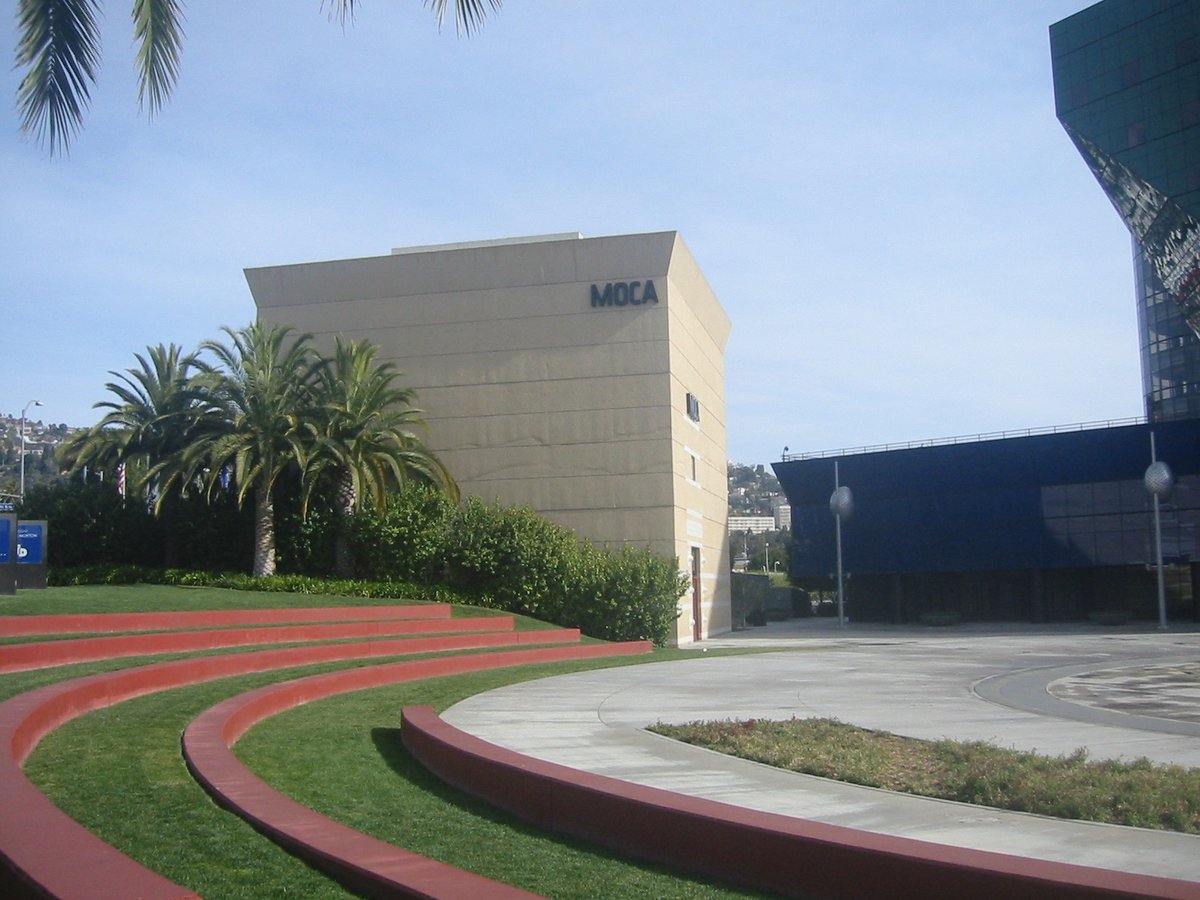
Museum of Contemporary Art, Los Angeles
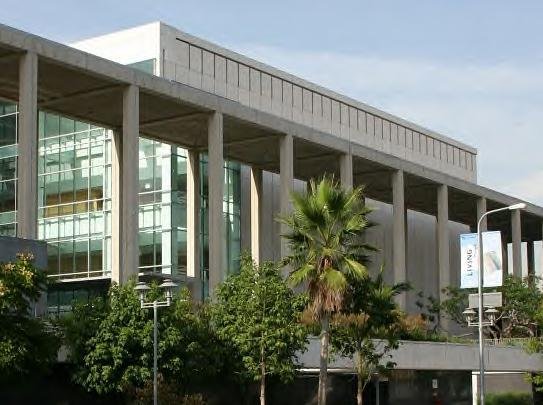
The Museum of Contemporary Art Los Angeles (MOCA) stands as a cornerstone of contemporary art and cultural innovation in the heart of downtown Los Angeles.
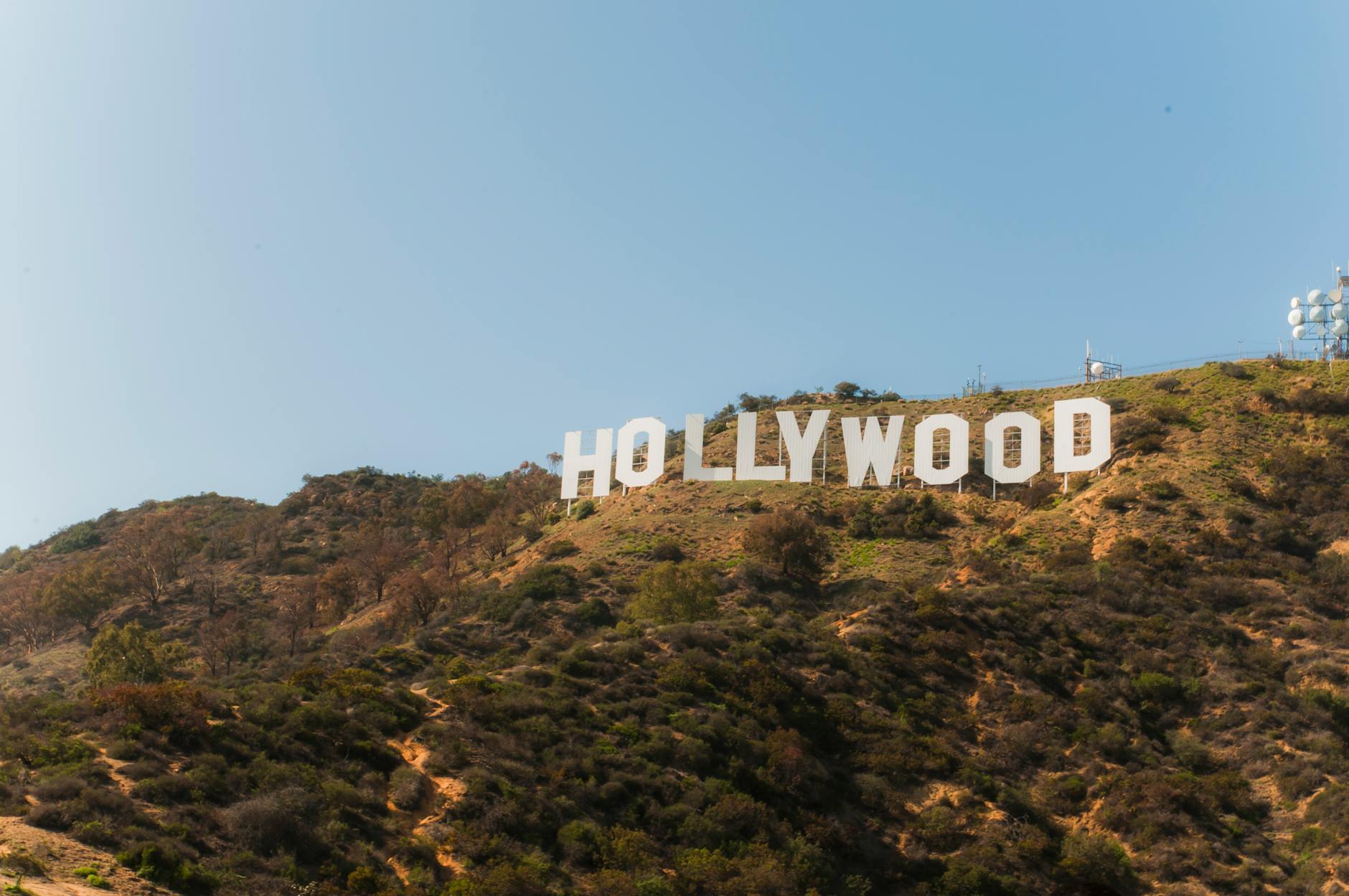
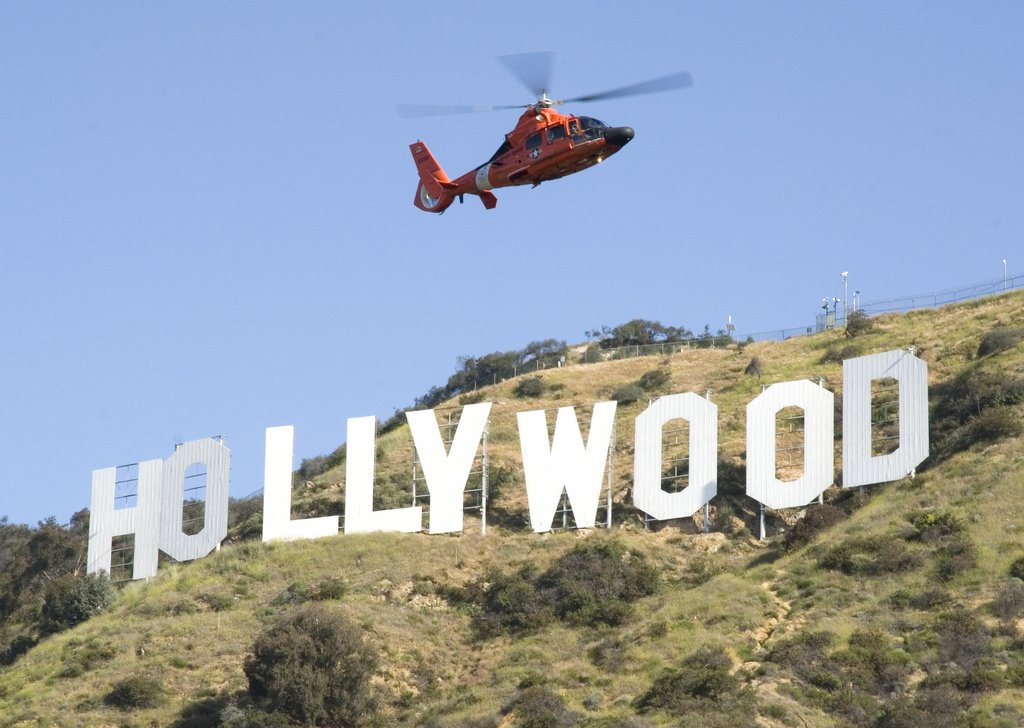
Hollywood Sign
W, Los Angeles, stands as a testament to the rich tapestry of history and culture that defines this vibrant urban enclave.
Rio De Los Angeles State Park
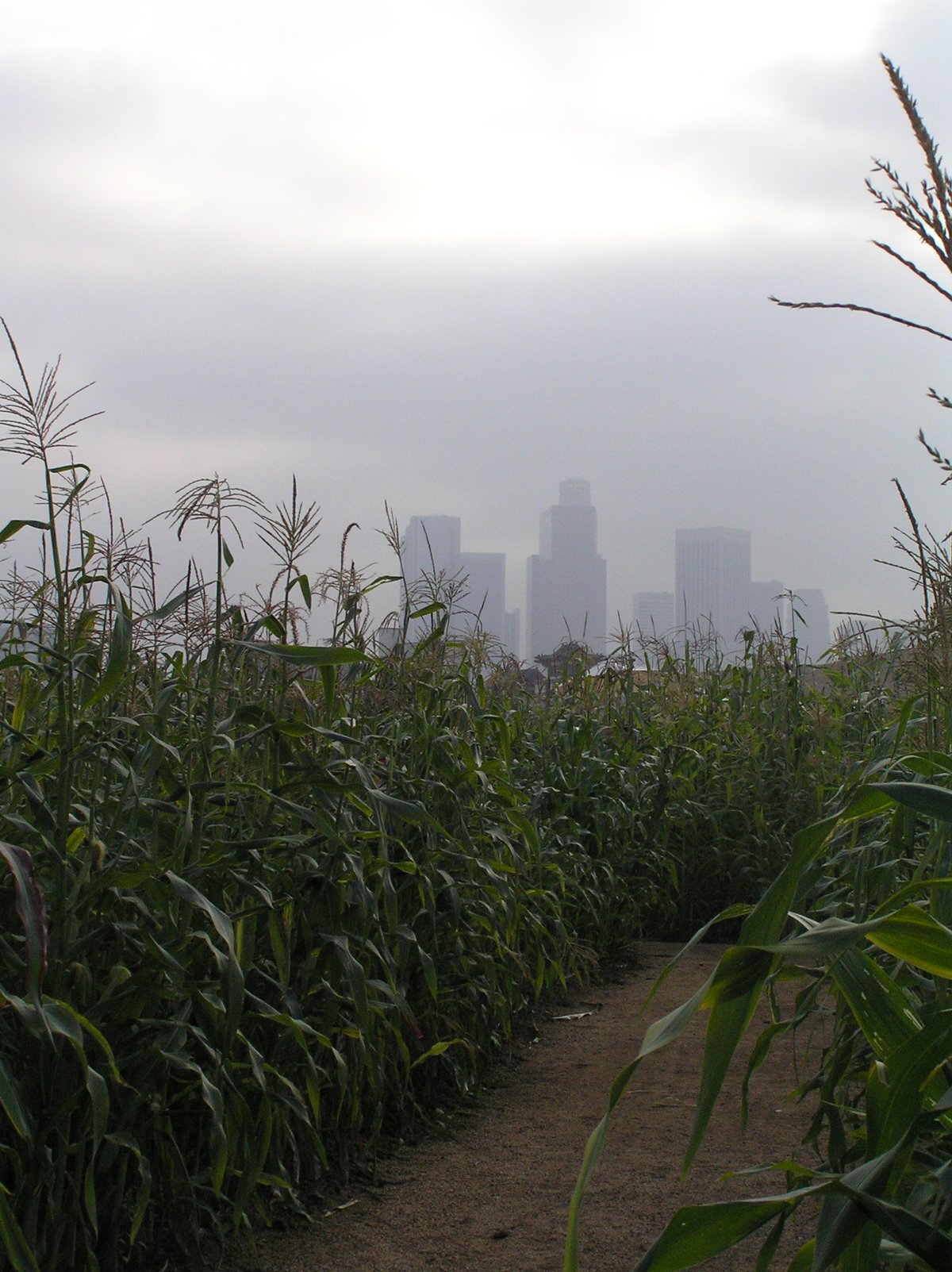
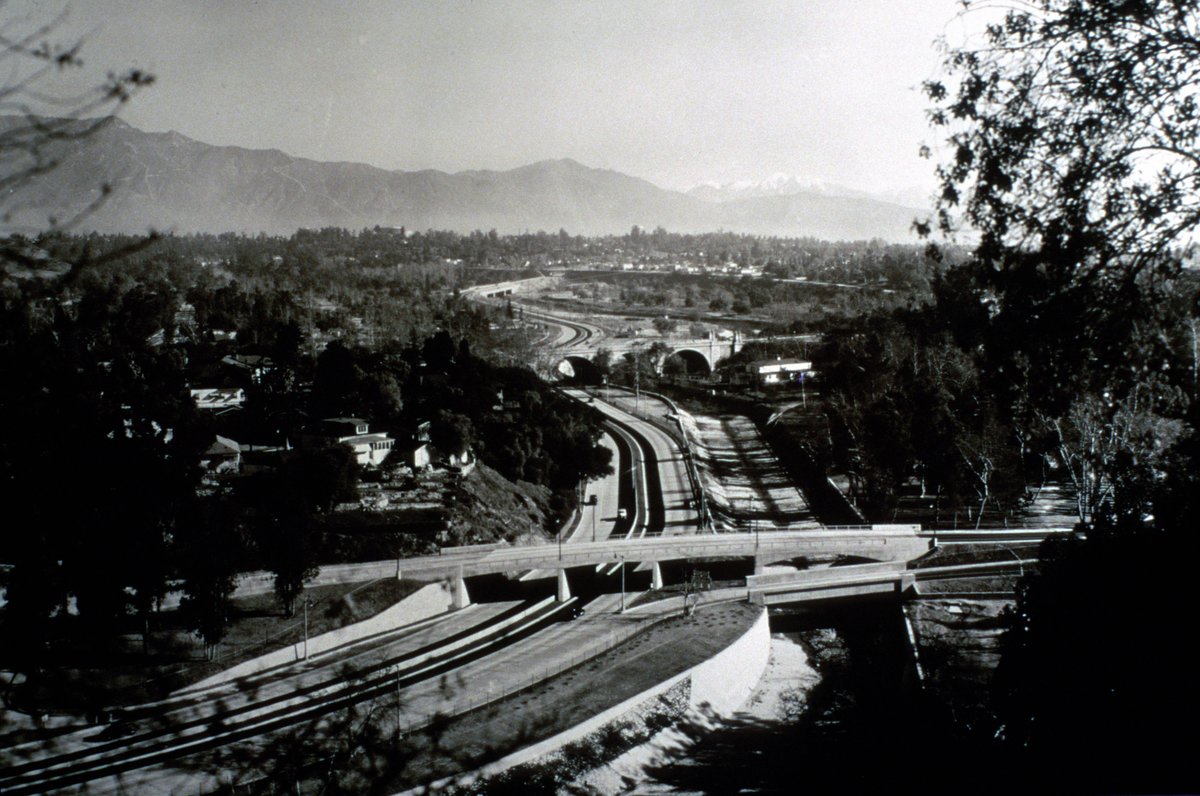
Nestled along the revitalized banks of the Los Angeles River, Rio de Los Angeles State Park stands as a remarkable urban oasis that intertwines ecological…
Homer Laughlin Building
Nestled in the vibrant heart of downtown Los Angeles, Grand Central Market is a living testament to the city's rich cultural tapestry and evolving urban…
What Makes This City Special
A City That Projects Itself
Los Angeles doesn’t just make films; it lives like a backlot stitched to real neighborhoods. You can watch a 70mm print at the restored Vista Theatre, then step outside and recognize a street corner from three different eras of cinema.
Architecture in Layers
LA’s skyline is only one chapter: the real story runs from 1920s Frank Lloyd Wright houses to 1930s Union Station and experimental Case Study homes hovering over canyons. Few cities let you read a century of design by driving 30 minutes in any direction.
Mountains, Basin, Ocean in One Day
This is a metropolis where dawn can be in Griffith Park, lunch by the Pacific, and sunset from Mulholland with the entire basin glowing below. The scale is cinematic, but the best moments are small: eucalyptus wind, marine haze, and pink light on concrete.
Nightlife with History
LA after dark rewards curiosity over glamour: legendary rooms like the Troubadour, Largo, and the Comedy Store still shape careers in real time. The city’s nightlife is less velvet rope, more ‘you saw them before they blew up.’
Notable Figures
Walt Disney
1901–1966 · Animator and studio founderDisney arrived in Los Angeles with little money and helped turn a young film town into a global storytelling capital. His studio expansion in the region reshaped animation and family entertainment economics. He would still recognize LA as a place where an odd idea can become an industry.
Frank Lloyd Wright
1867–1959 · ArchitectWright treated Los Angeles as a laboratory, experimenting with concrete textile blocks and indoor-outdoor flow long before it became a design cliché. Hollyhock House put his geometric language on a hill above Hollywood in 1921. Today’s LA architecture scene still argues with him—and still borrows from him.
Tom Bradley
1917–1998 · Mayor of Los AngelesBradley led Los Angeles through two transformative decades, pushing international investment, transit growth, and the 1984 Olympics. His tenure helped reposition LA from regional metropolis to global city. The airport that bears his name is a daily reminder of that outward-facing vision.
Ray Bradbury
1920–2012 · WriterBradbury wrote much of his work in Los Angeles libraries and cafés, turning local streets into launching pads for cosmic stories. He loved the city’s movie palaces and old neighborhoods as much as its futuristic dreams. Reading him in LA makes the boulevards feel slightly haunted—in the best way.
Octavia E. Butler
1947–2006 · Science fiction authorButler transformed Southern California landscapes into urgent futures, using LA’s inequality and resilience as narrative fuel. Her novels made local freeways, neighborhoods, and social fault lines feel prophetic rather than mundane. In today’s Los Angeles, her imagination reads less like fiction and more like warning.
Kobe Bryant
1978–2020 · Basketball playerBryant turned 20 seasons in Los Angeles into a citywide ritual of late-game belief and relentless discipline. His career tied downtown arenas, neighborhood courts, and immigrant family living rooms into one shared language. LA still carries his work ethic as a civic mood: show up, sharpen, repeat.
Plan your visit
Practical guides for Los Angeles — pick the format that matches your trip.
Los Angeles Money-Saving Passes & Cards
Should you buy a Los Angeles pass? Usually only if Universal or a packed sightseeing plan is already on your list. Compare current prices, transit caps, and break-even math.
Los Angeles First-Time Visitor Tips & Insider Hacks
Honest first-timer guide to Los Angeles: queue hacks for Griffith Observatory & the Tar Pits, Hollywood Walk of Fame scams, LAX transport tricks, tipping rules.
Photo Gallery
Explore Los Angeles in Pictures
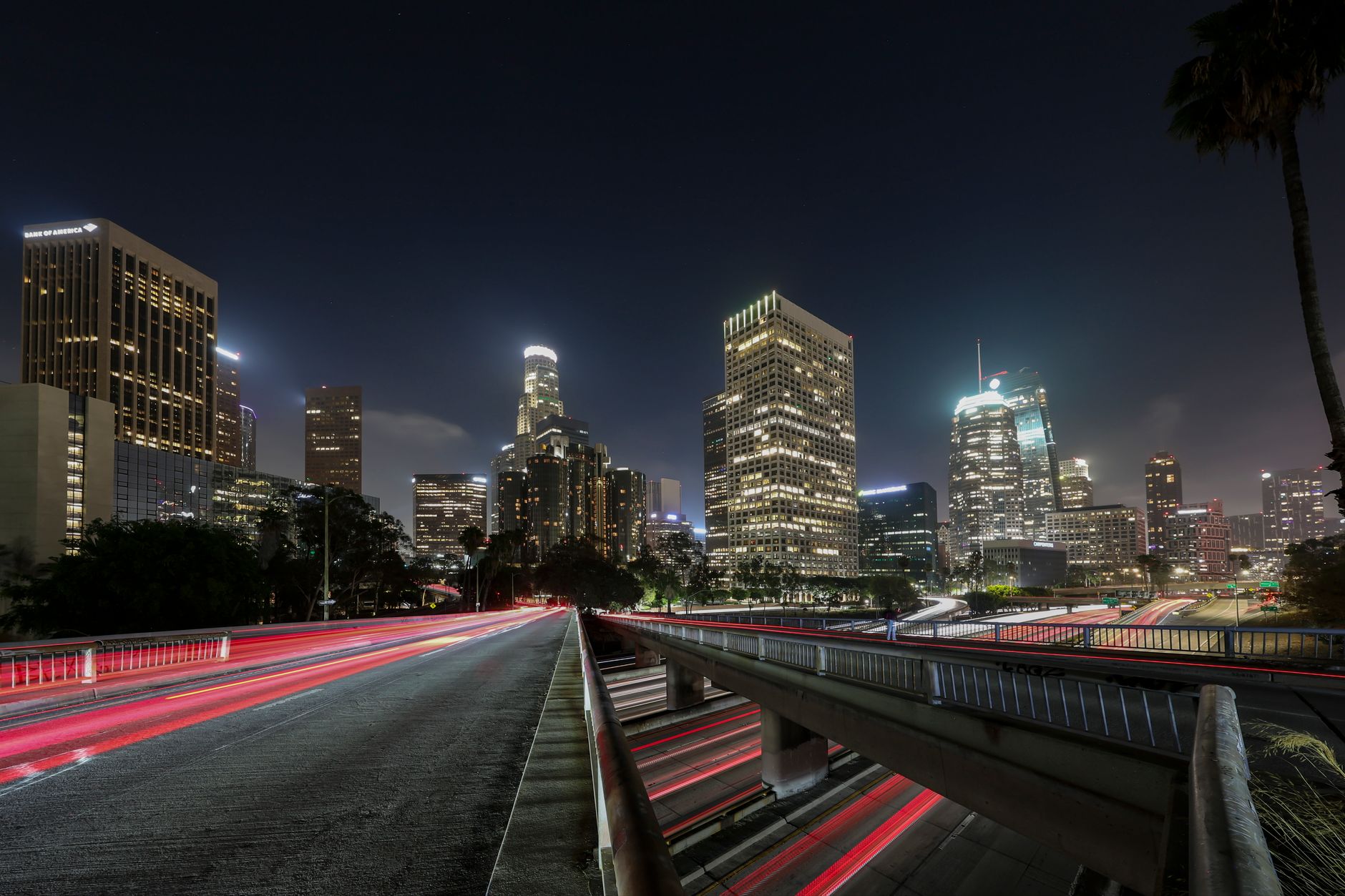
The vibrant Los Angeles skyline glows at night, captured with long-exposure light trails streaming across the city's highway infrastructure.
Stephen Leonardi on Pexels · Pexels License
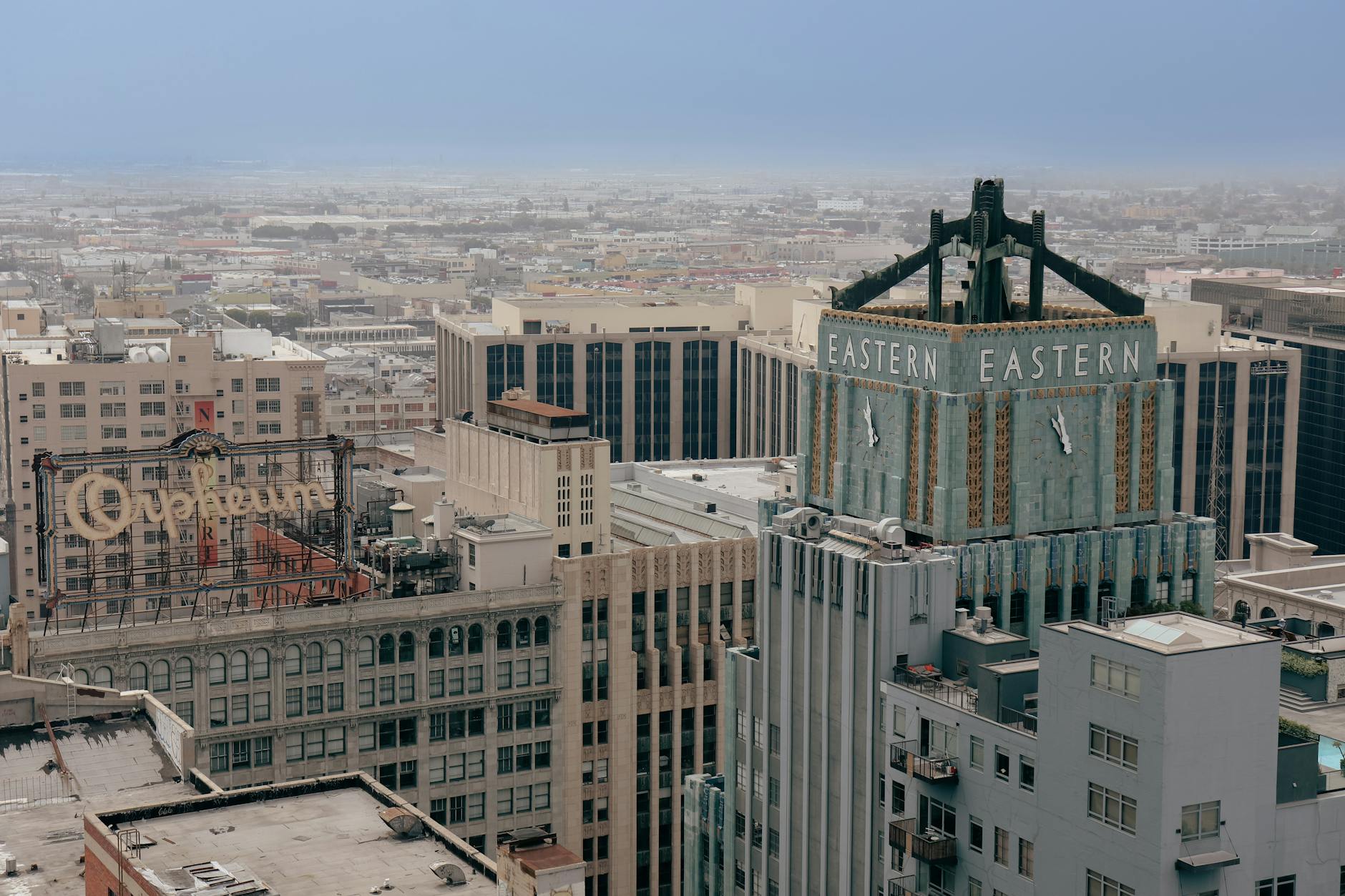
A stunning aerial perspective of downtown Los Angeles, highlighting the historic Orpheum Theatre signage and the turquoise clock tower of the Eastern Columbia Building.
Banx Photography on Pexels · Pexels License
Visitors gather on the grounds of the historic Griffith Observatory in Los Angeles, United States, under a clear blue sky.
Cristiane Doffini on Pexels · Pexels License
A sunny afternoon view of the iconic Hollywood Walk of Fame in Los Angeles, showcasing the famous star-embedded sidewalk and urban streetscape.
Darya Sannikova on Pexels · Pexels License
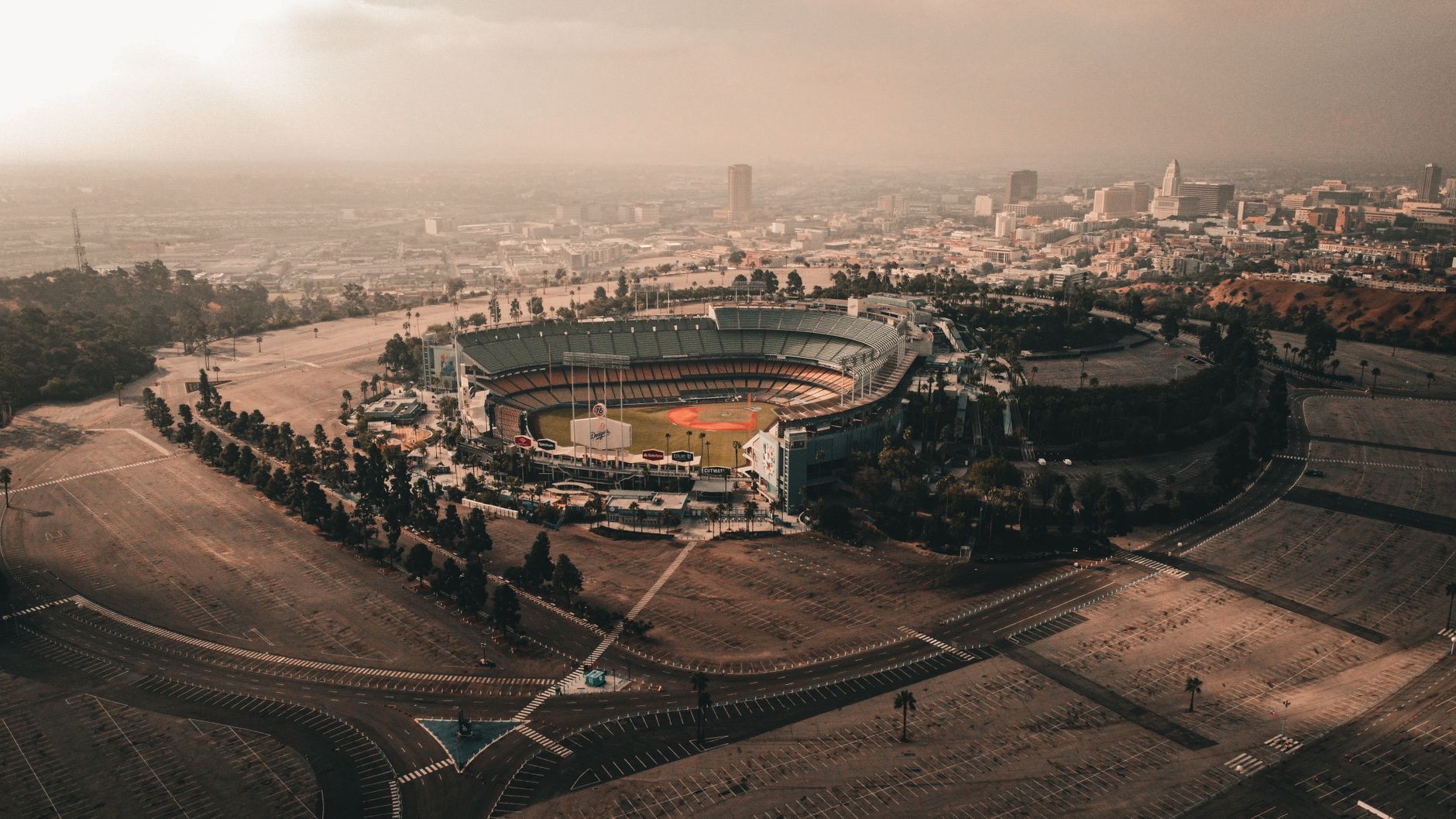
A stunning aerial perspective of Dodger Stadium in Los Angeles, captured during a hazy day with the city skyline visible in the background.
Caio Cezar on Pexels · Pexels License
The world-famous Hollywood sign sits atop the rugged hills of Los Angeles, serving as a global symbol of the entertainment industry.
dumitru B on Pexels · Pexels License
The vibrant Los Angeles skyline glows at night, captured with a wide-angle lens showing busy highway light trails and iconic architecture.
Snapwire on Pexels · Pexels License
The ornate architecture of the historic Los Angeles Theatre stands out against the urban backdrop of downtown Los Angeles.
Darya Sannikova on Pexels · Pexels License
The vibrant skyline of Los Angeles, United States, comes alive at night with glowing skyscrapers and dynamic light trails from busy highway traffic.
Stephen Leonardi on Pexels · Pexels License
The historic Los Angeles City Hall stands as a prominent landmark in the United States, framed by palm trees under a bright blue sky.
Mark Direen on Pexels · Pexels License
The golden hour illuminates the dense urban landscape and busy freeway traffic in downtown Los Angeles, United States.
Caleb Minear on Pexels · Pexels License
A bright, sunny day in Los Angeles, United States, capturing the contrast between historic architecture and the distant modern skyline.
RDNE Stock project on Pexels · Pexels License
Practical Information
Getting There
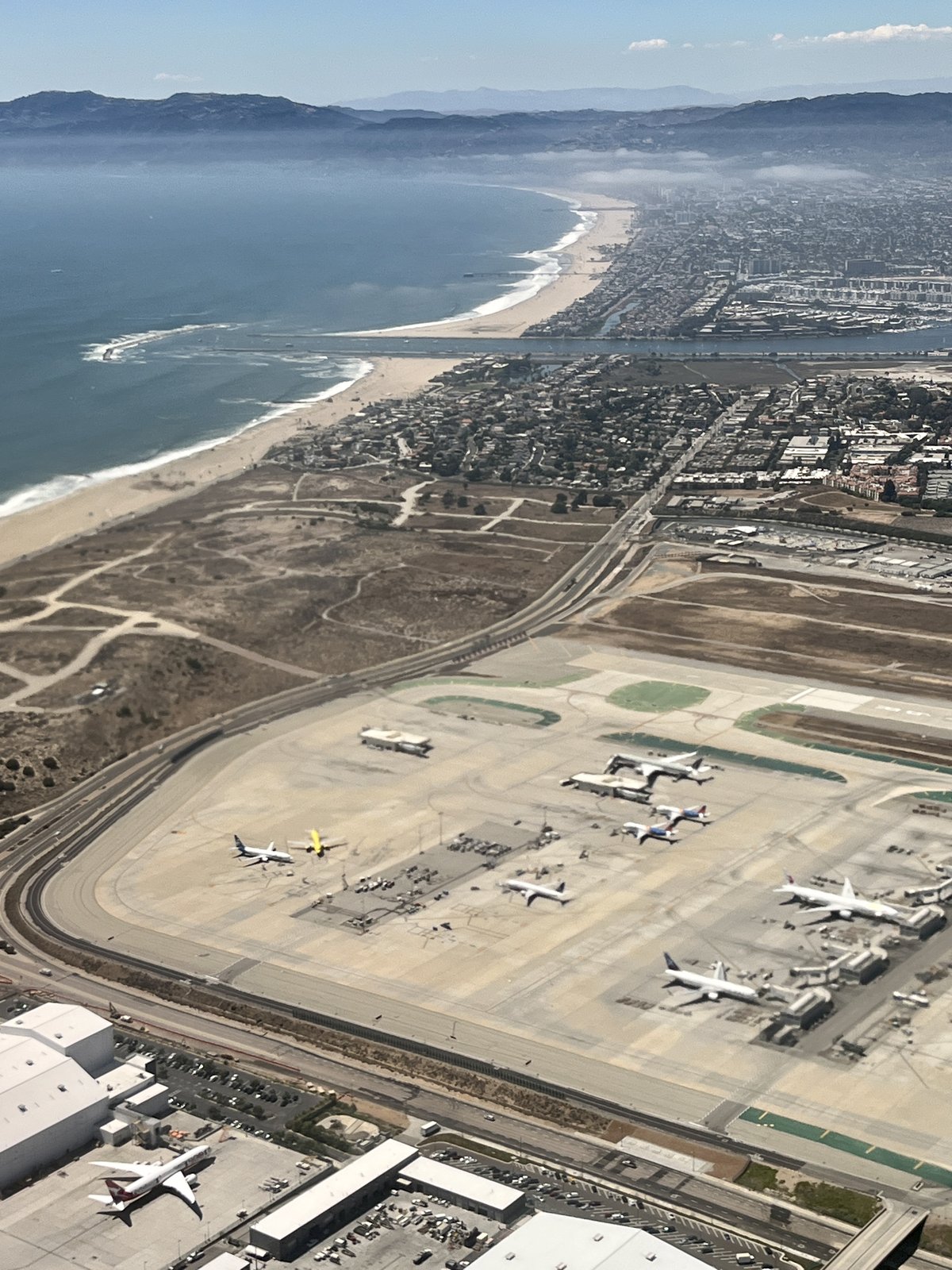
In 2026, most visitors arrive via Los Angeles International Airport (LAX), with strong alternatives at Hollywood Burbank Airport (BUR), Long Beach Airport (LGB), and Ontario International Airport (ONT). Long-distance rail centers on Los Angeles Union Station, served by Amtrak Pacific Surfliner, Coast Starlight, Southwest Chief, and multiple Metrolink commuter lines. If driving, the main freeway spines are I-5, US-101, I-10, I-405, and I-110.
Getting Around
LA Metro Rail runs 6 core lines in 2026 (A, B, C, D, E, K), with the broadest visitor utility on the B Line (Hollywood–Downtown) and E Line (Santa Monica–Downtown). Metro’s bus network fills most gaps; TAP fares are about $1.75 per ride and $5 for a day pass, making transit practical for corridor-based itineraries. Metro Bike Share operates in areas like Downtown, Hollywood, and Koreatown, while FlyAway buses connect LAX directly to Union Station for about $9.75.
Climate & Best Time
Los Angeles has a Mediterranean pattern: warm, dry summers (roughly 80–85°F / 27–29°C highs) and mild winters (about 68–70°F / 20–21°C highs) with most rain from December to March. Coastal mornings can be gray in late spring (‘June Gloom’), while September–October often brings the clearest skies and hottest inland days. Peak tourism is June–August; the sweet spot is March–May and September–November for easier reservations and better walking weather.
Language & Currency
English is universal, and Spanish is widely spoken across the city; in neighborhoods like Koreatown, Little Tokyo, and the San Gabriel Valley you’ll also hear Korean, Japanese, Mandarin, and Cantonese daily. Currency is USD, and card/contactless payment is standard almost everywhere in 2026. Remember that Los Angeles sales tax (about 10.25%) is added at checkout, and sit-down restaurant tipping norms are typically 18–20% pre-tax.
Safety
LA’s main visitor risk is property crime, especially car break-ins: never leave anything visible, even for a quick stop. In Downtown, avoid Skid Row-adjacent blocks at night (roughly 3rd–7th between Main and Alameda), and use rideshare after late events if streets feel quiet. Busy areas like Santa Monica, West Hollywood, Pasadena, Griffith Park, and most museum districts are generally straightforward with standard city awareness.
Where to Eat
Don't Leave Without Trying
Philippe The Original
local favoriteOrder: The lamb or beef French dip, double-dipped, with their hot mustard and a side of pickled egg.
This is one of LA's canonical old-school eating institutions. You come for living food history, fast counter energy, and a sandwich style the city still argues about.
Bottega Louie
local favoriteOrder: Start with the macarons, then go savory with a pizza or pasta for the full Bottega experience.
It is part grand dining room, part dessert theater, and still one of Downtown's most reliable big-energy rooms. Perfect when you want one place that works for both sweets and a proper meal.
Perch
local favoriteOrder: Steak frites and a house cocktail right before sunset.
Few rooms package skyline views, live-night energy, and a full dinner this well. It is a classic Downtown night-out anchor when you want atmosphere without leaving the core.
Urth Caffe
cafeOrder: The Spanish Latte and one of the organic teas, plus a brunch plate or salad.
Urth is a dependable LA cafe formula done at scale: strong coffee culture, broad menu, and people-watching all day. The Arts District location is especially good for a slow start before exploring nearby blocks.
Wurstküche
local favoriteOrder: The rattlesnake-and-rabbit sausage with Belgian fries and dipping sauces.
This is still one of the most fun casual meals in the Arts District: loud room, adventurous sausages, and a beer list that rewards lingering. It feels distinctly Downtown LA rather than copy-paste gastropub.
Daikokuya Little Tokyo
local favoriteOrder: Daikoku Ramen with the rich kotteri broth and a marinated egg.
It is one of Little Tokyo's enduring ramen benchmarks and still draws lines for a reason. The broth is rich, punchy, and exactly what you want after a long day in Downtown.
Water Grill
fine diningOrder: Build an oyster platter, then add a grilled or whole fish special.
When you want polished service and serious seafood in Downtown, this is the move. It delivers a classic splurge-night format without feeling stuffy.
The L.A. Cafe
quick biteOrder: Go for a stacked sandwich or breakfast plate when most kitchens are already closed.
Late hours make it a true Downtown utility player, especially after bars or events. It is less about perfection and more about always being there when you need a real plate of food.
Eastside Italian Deli
quick biteOrder: The Godmother sandwich, loaded and spicy.
Locals treat this as one of LA's essential sandwich stops, not a nostalgia gimmick. It is fast, affordable, and genuinely worth a detour for lunch.
Seven Grand
local favoriteOrder: A whiskey flight or an Old Fashioned from the deep back bar selection.
This is one of Downtown's most respected drinking rooms, with serious whiskey depth and a buzzy old-club vibe. Ideal as a pre-dinner or late-night stop in the Historic Core loop.
Nick's Cafe
cafeOrder: Steak and eggs or a big breakfast plate with biscuits and gravy.
Nick's is exactly what you want from an old-school LA breakfast spot: early hours, no-nonsense portions, and regulars who know the drill. Go hungry and keep it simple.
Sushi Gen
fine diningOrder: The sashimi lunch special or chef's sushi selection for pristine fish quality.
Sushi Gen remains a Little Tokyo standard for serious fish at fair-for-quality pricing. It is one of those places locals still recommend first when someone says they want 'real sushi' in central LA.
Dining Tips
- check Tip 18-20% at full-service restaurants; 15-18% is common for basic service.
- check Most places take cards, but keep some cash for older counters, parking lots, and quick bites.
- check Reservations are strongly recommended for dinner at popular spots, especially Thursday-Saturday.
- check Prime dinner window is usually 7:00-9:00 PM; book earlier for quieter service.
- check Lunch lines can be long at iconic spots; arriving right at opening usually saves time.
- check Parking can cost as much as a small plate in Downtown, so check valet and lot fees before committing.
- check Happy hour can be excellent value, but many deals are bar-area only.
- check Traffic shapes meal planning in LA: choose one neighborhood and eat multiple stops there.
Restaurant data powered by Google
Tips for Visitors
Take FlyAway First
From LAX, the FlyAway bus to Union Station is usually the best value at about $9.75, and it runs frequently. It avoids parking stress and expensive rideshare surge pricing.
Plan by Neighborhood
LA punishes zigzag itineraries. Group sights by area (for example DTLA + Arts District, or Santa Monica + Venice) to save hours in traffic.
Reserve Free Museums
The Getty Center and The Broad are free, but timed reservations often matter. Book a few days ahead so you do not lose half a day waiting or missing entry.
Empty Your Car
Car break-ins are common in tourist zones and trailhead parking lots. Leave nothing visible in the cabin, not even a jacket or charging cable.
Eat at Markets
For affordable variety, hit Grand Central Market or Sunday Smorgasburg instead of full-service restaurants for every meal. You can sample tacos, deli counters, and newer chef stalls in one stop.
Time Your Season
Best overall weather is usually March to May and September to November. Expect May-June marine layer mornings near the coast and hotter inland afternoons year-round.
Explore the city with a personal guide in your pocket
Your Personal Curator, in Your Pocket.
Audio guides for 1,100+ cities across 96 countries. History, stories, and local insight — offline ready.
Audiala App
Available on iOS & Android
Join 50k+ Curators
Frequently Asked
Is los angeles worth visiting? add
Yes—especially if you like cities with distinct neighborhoods, film history, and serious food culture. In one trip you can pair free world-class museums, mountain viewpoints, beach bike paths, and historic architecture. LA works best when you travel with a plan by district, not as one walkable center.
How many days in los angeles? add
Plan at least 4 to 6 days for a first trip. That gives you time for core areas like Griffith/Hollywood, DTLA, and the westside beaches without rushing. With 7+ days, add Pasadena, Malibu, or a Catalina day trip.
What is the best way to get around los angeles without a car? add
Use a hybrid strategy: Metro rail and buses for major corridors, then short rideshares for final legs. The E Line is great for Downtown to Santa Monica, and the B Line connects Hollywood and Downtown. For airport arrivals, FlyAway to Union Station is usually the easiest first move.
What is the cheapest way from LAX to downtown los angeles? add
The cheapest is Metro (shuttle + rail) at standard transit fare levels, but it takes longer and requires transfers. The best balance for most travelers is the FlyAway bus to Union Station at about $9.75. Taxis and rideshares are much more expensive, especially at peak times.
Is los angeles safe for tourists? add
Generally yes in major visitor areas, with normal big-city precautions. The bigger issue for many travelers is property crime, especially car break-ins. Avoid isolated blocks late at night in parts of DTLA near Skid Row and stay aware in crowded beach and Hollywood zones.
How expensive is los angeles for travelers? add
LA can be expensive, but you can control costs with free attractions and transit passes. Museums like The Broad and Getty are free (with reservations), while food markets offer better value than sit-down dining every night. Remember sales tax is added at checkout and tipping 18–20% is standard in sit-down restaurants.
When is the best time to visit los angeles? add
Spring (March-May) and fall (September-November) are the sweet spots for weather and manageable crowds. Summer brings higher hotel prices and busier beaches, while winter is mild but can be rainier. Coastal mornings in late spring may be overcast from marine layer before clearing.
Sources
- verified LAWA FlyAway — Official LAX FlyAway routes, schedules, and fares.
- verified LA Metro Fares and TAP — Current Metro rail and bus fare structure, TAP card pricing, and pass options.
- verified The Getty Center — Admission policy, timed-entry details, and visitor planning information.
- verified The Broad — Free ticketing process, opening hours, and exhibition access.
- verified Grand Central Market — Market history, hours, and vendor lineup.
- verified Smorgasburg Los Angeles — Weekly food market schedule and vendor details.
Last reviewed: