
Early Inhabitants and the Las Vegas Valley
Long before the arrival of European settlers, the Las Vegas Valley was home to the Southern Paiute people. The valley’s life-giving springs—“Las Vegas” meaning “the meadows” in Spanish—provided a vital oasis in the Mojave Desert. The area became a crucial stopping point for travelers and traders on the Old Spanish Trail, which connected Santa Fe to Los Angeles from 1829 to 1848 (Desert Gazette).
Mormon Settlement and Fort Construction (1855–1858)
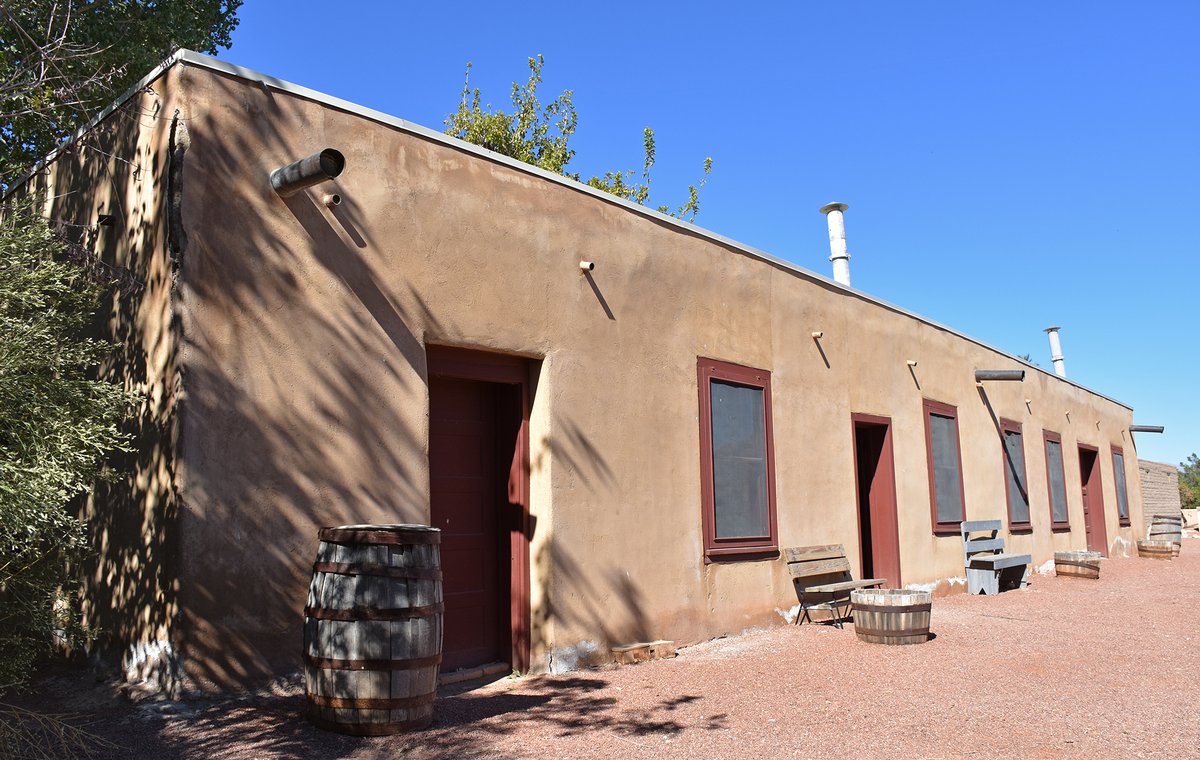
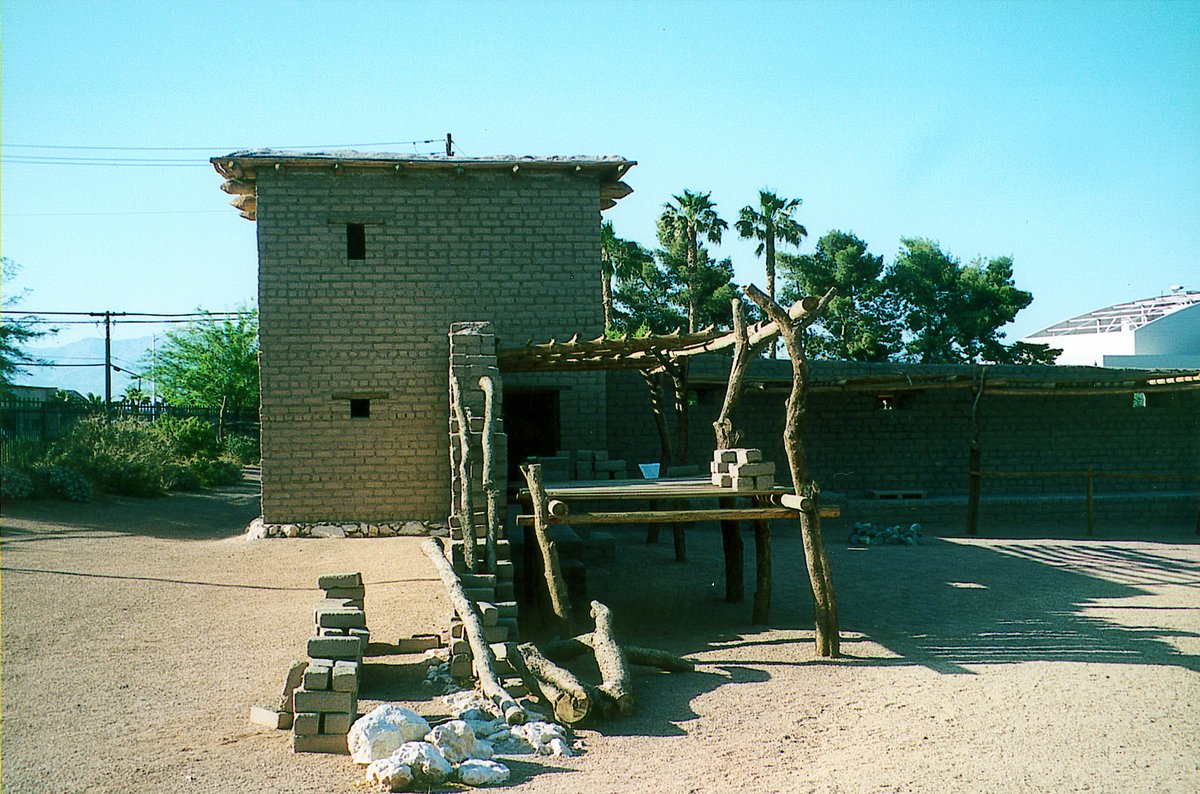
In 1855, a group of thirty Mormon missionaries, sent by Brigham Young and led by William Bringhurst, established a mission at Las Vegas Springs, aiming to serve as a waystation, agricultural settlement, and center for outreach to the Paiute people (Travel Nevada). The missionaries constructed a square adobe fort with 150-foot-long, 14-foot-high walls and bastions at the corners. While designed for defense, the fort also served as a post office, trading post, and agricultural hub, using irrigation to cultivate crops in the desert (Wikipedia).
Despite their efforts, internal disputes, crop failures, and regional tensions led to the fort’s abandonment by the missionaries in 1857 (Desert Gazette).
Transition and Regional Development
After the Mormon departure, the site became a ranch and, under the stewardship of settlers like Octavius Decatur Gass and later Helen Stewart, played a pivotal role in local commerce and community life (Nevada Appeal). With the arrival of the railroad in 1905, Las Vegas began its rapid transformation from frontier outpost to thriving municipality (Friends of the Fort). The fort’s structure was adapted for various uses over the decades, including as a concrete laboratory during the construction of the Hoover Dam (Nevada State Parks).
Preservation Efforts and State Park Designation
Recognizing its historical value, the City of Las Vegas acquired the fort in 1971, and in 1991 it became a Nevada State Historic Park. Restoration efforts have preserved the original adobe structure, reconstructed sections of the fort, and created interpretive exhibits. The fort was listed on the National Register of Historic Places in 1972, ensuring its legacy for future generations (Nevada State Parks, Wikipedia).
Visiting the Fort: Hours, Tickets, and Accessibility
Location and Directions
Address: 500 E. Washington Ave., Las Vegas, NV 89101
The fort is just north of downtown, a 5-minute drive from Fremont Street, and is easily reached by car, bus, or on foot from nearby cultural attractions (Las Vegas Then and Now). Free parking is available in the on-site lot.
Admission and Hours
- Open Tuesday through Saturday, 8:00 a.m. to 4:30 p.m. (last admittance 4:00 p.m.)
- Closed Sundays and Mondays, and select holidays (Nevada State Parks)
- Admission $3.00 for adults, free for children 12 and under. Tickets are sold in person at the entrance (no online sales currently).
Accessibility
The park is wheelchair accessible, with paved walkways, ramps, and accessible restrooms. Service animals are permitted. Outdoor areas may have some uneven terrain, but the visitor center and main exhibits are accessible.
Guided Tours and Programs
While the park is primarily self-guided, group tours and educational presentations can be arranged by contacting the park in advance (Nevada State Parks). Special events and living history demonstrations, featuring costumed interpreters and hands-on activities, are offered throughout the year (Friends of the Fort).
Special Events
Annual events such as Nevada Day, Pioneer Day, and Heritage Day feature expanded programming, crafts, and storytelling. Check the park’s event calendar for details.
Visitor Tips
- Best Times October–April for cooler weather; early mornings in summer.
- Duration Most visitors spend 45 minutes to 1.5 hours.
- Amenities Restrooms, shaded picnic tables, and a gift shop.
- Photography Encouraged throughout the park, especially at sunrise/sunset for the adobe walls.
- Nearby Attractions Neon Museum, Las Vegas Natural History Museum, Fremont Street Experience.
Architectural Features and Exhibits
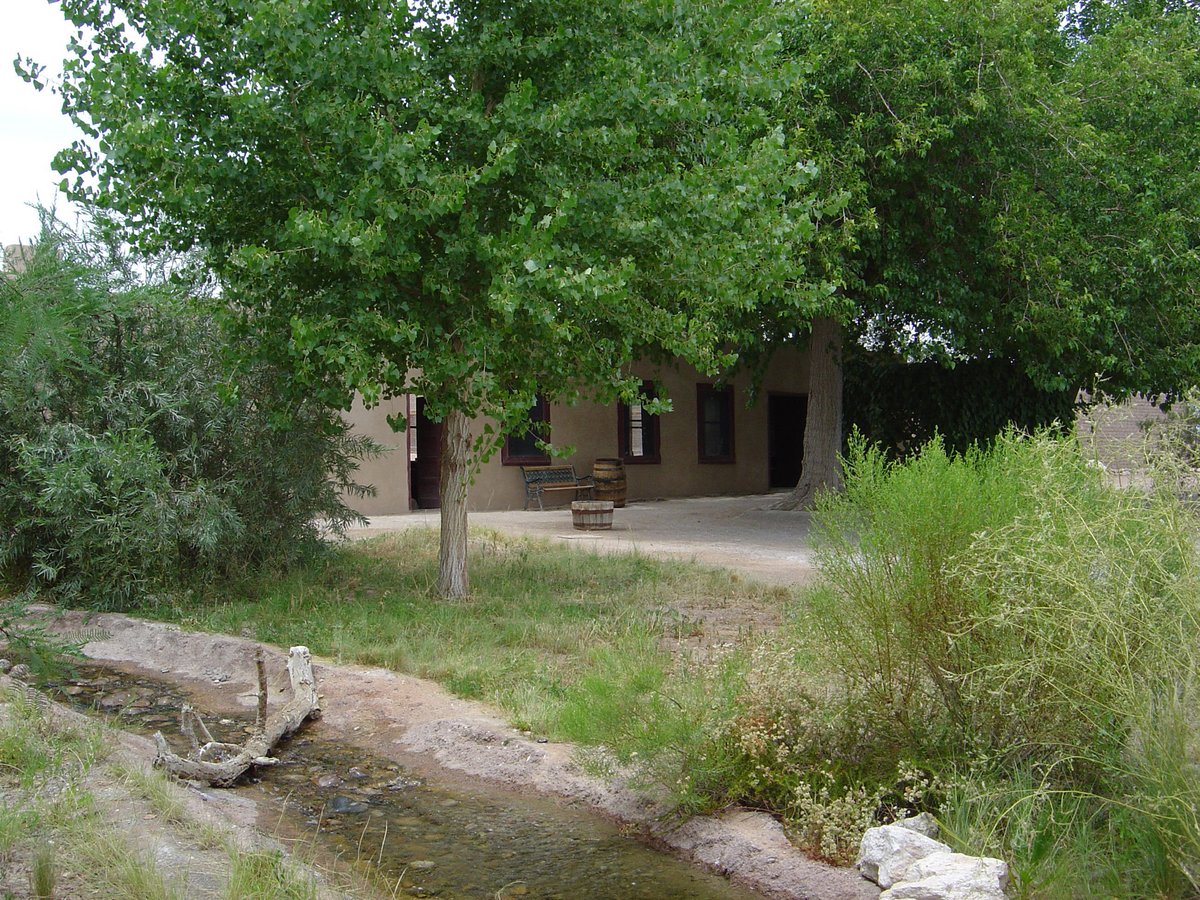
The fort’s centerpiece is the original 1855 adobe building, the oldest standing structure in Nevada (Travel Nevada). The grounds include reconstructed walls, a recreated stream symbolizing the springs, pioneer gardens, and interpretive signage. The museum features artifacts such as tools, agricultural implements, and period furnishings. Educational displays highlight the experiences of both Mormon settlers and the Southern Paiute people (Ensign Peak Foundation).
The Fort’s Enduring Legacy in Las Vegas
The Old Las Vegas Mormon Fort is where the story of Las Vegas began. Its evolution from a Mormon mission to a ranch, trading post, and state park mirrors the broader patterns of migration, adaptation, and innovation in the American West. The fort’s preservation honors the determination of early settlers and the cultural heritage of the indigenous Paiute people, offering a meaningful space for education and reflection (Historic Forts, Tourist Secrets).
Frequently Asked Questions (FAQ)
Q: What are the Old Las Vegas Mormon Fort visiting hours?
A: Tuesday–Saturday, 8:00 a.m. to 4:30 p.m., closed Sundays and Mondays.
Q: How much is admission?
A: $3.00 per adult; free for children 12 and under.
Q: Are guided tours available?
A: Yes, by advance arrangement. Special programs and living history events are scheduled throughout the year.
Q: Is the park wheelchair accessible?
A: Yes, with paved walkways, ramps, and accessible restrooms.
Q: Can I purchase tickets online?
A: No, tickets are currently only available in person at the entrance.
Q: Are pets allowed?
A: Only service animals are permitted.