Founding and Early Development
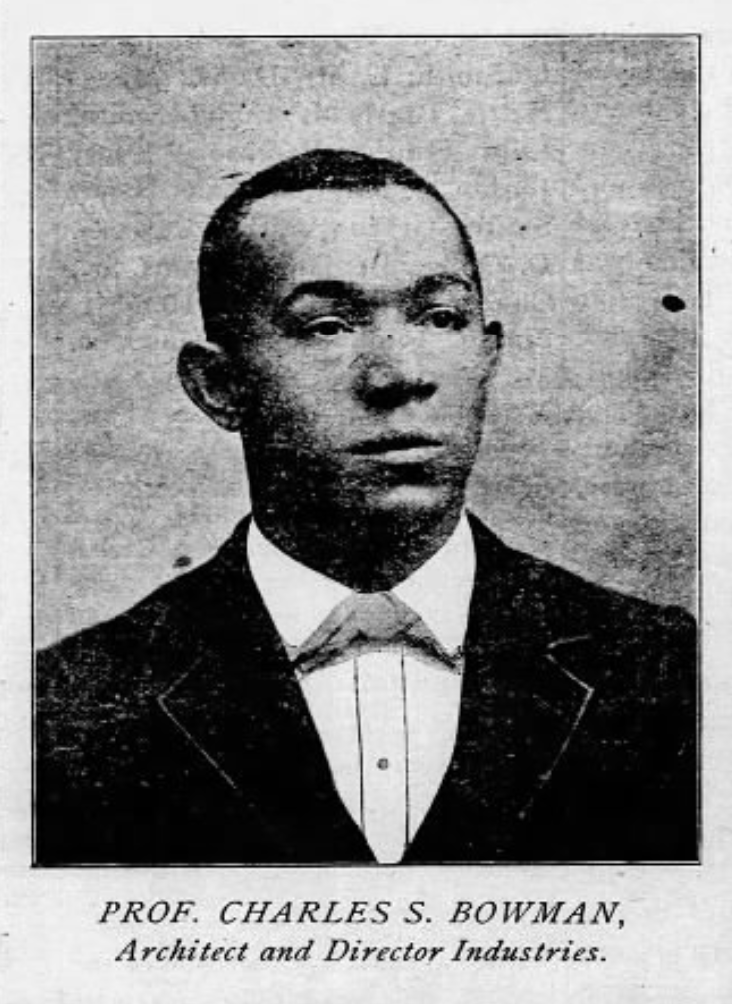
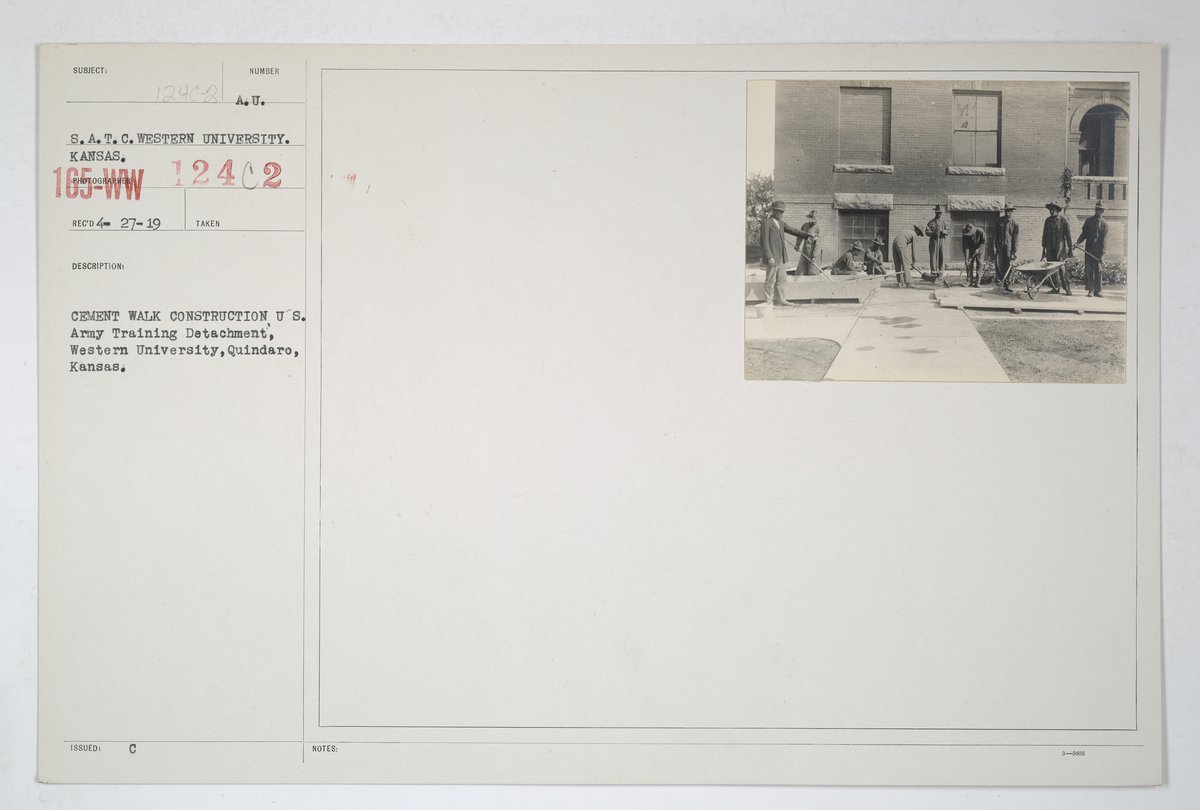
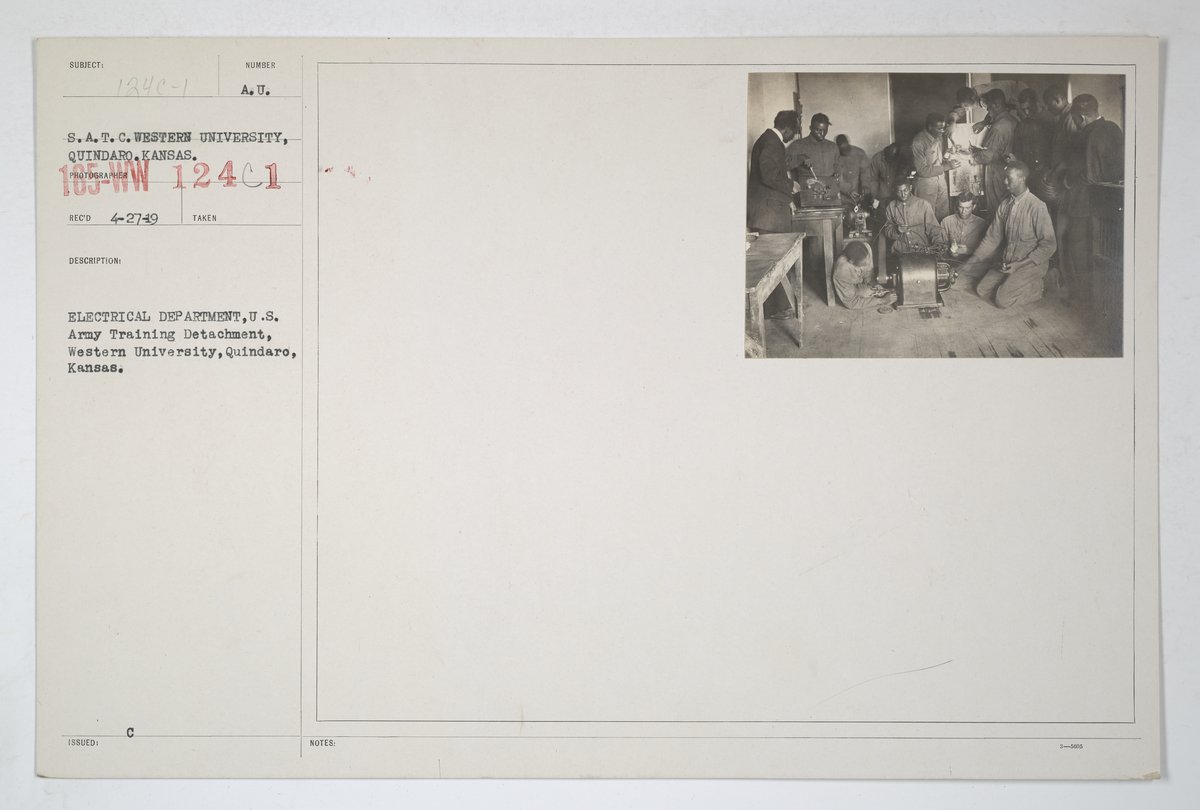
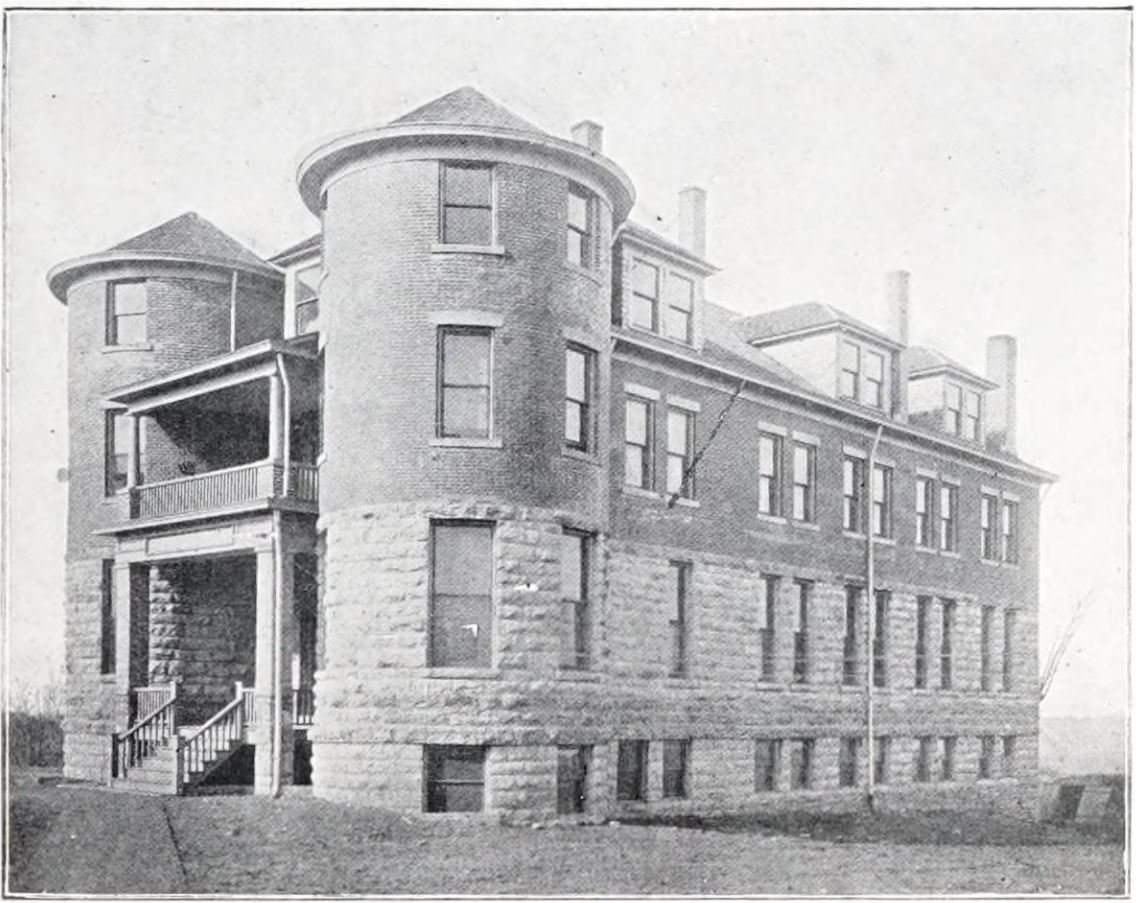
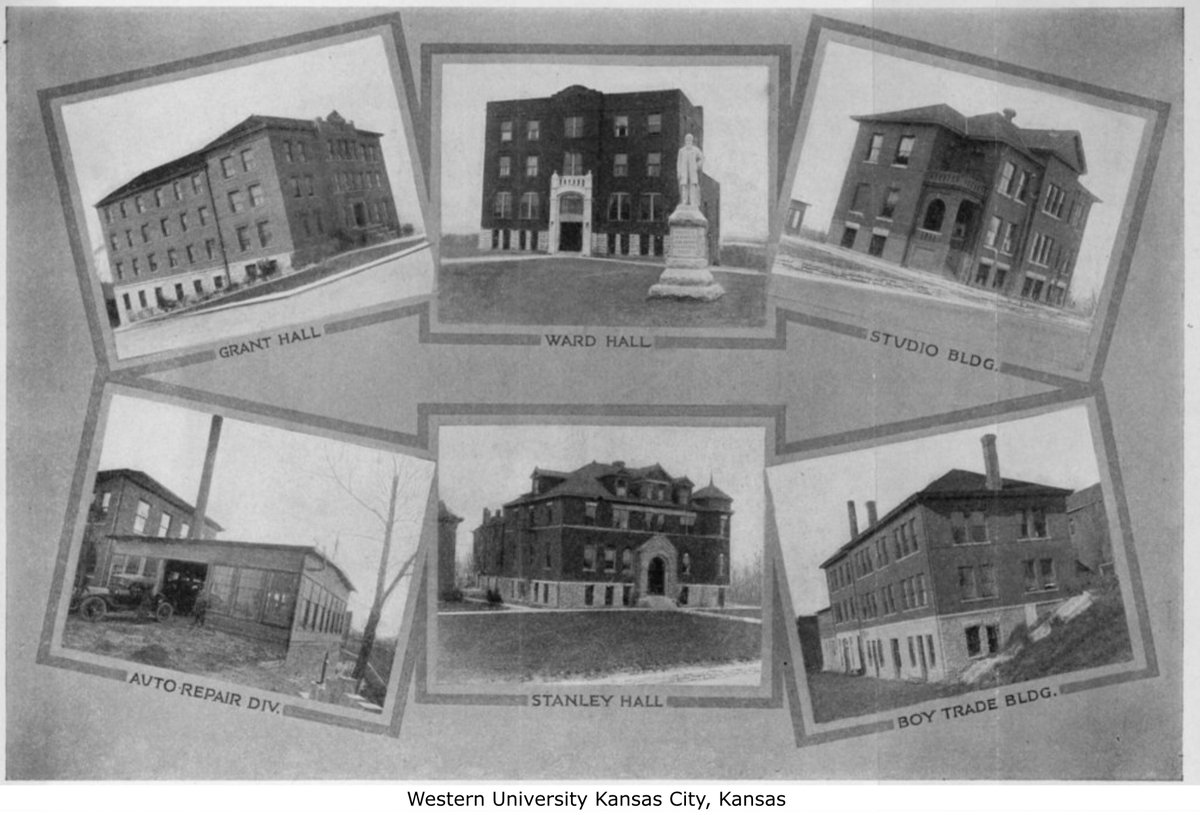
Western University was established in 1865 by the AME Church in the heart of Quindaro. The area, already renowned for its abolitionist legacy and role in the Underground Railroad, was chosen to foster educational and social progress for Black Americans in post-Civil War Kansas (Kansas Memory). The school began with elementary and secondary courses and quickly expanded to include teacher training (Normal School) and industrial arts.
The AME Church’s sponsorship was instrumental in providing financial support and a guiding mission rooted in empowerment through education and faith.
Academic Growth and Achievements
By the late 19th and early 20th centuries, Western University had evolved into Kansas’s only historically Black college. Its curriculum expanded to offer teacher training, liberal arts, industrial and manual skills, theology, and nursing. The nursing school was among the first for African Americans in the region, directly addressing healthcare disparities (Quindaro Ruins Project).
The university’s music department, under the direction of Robert G. Jackson, reached national prominence. The Jackson Jubilee Singers, featuring alumni like Eva Jessye and Nora Douglass Holt, performed nationally and internationally, bringing recognition to the university and providing vital opportunities for Black musicians in a segregated society (Kansas Historical Society).
Community Impact
Western University was more than an academic institution; it was a cultural and social hub for African Americans throughout the Midwest. It hosted concerts, lectures, and community gatherings, and its graduates became educators, ministers, artists, and community leaders. The university’s presence fostered a sense of pride, unity, and progress in Quindaro, a historically significant neighborhood for African American and abolitionist history.
Challenges and Closure
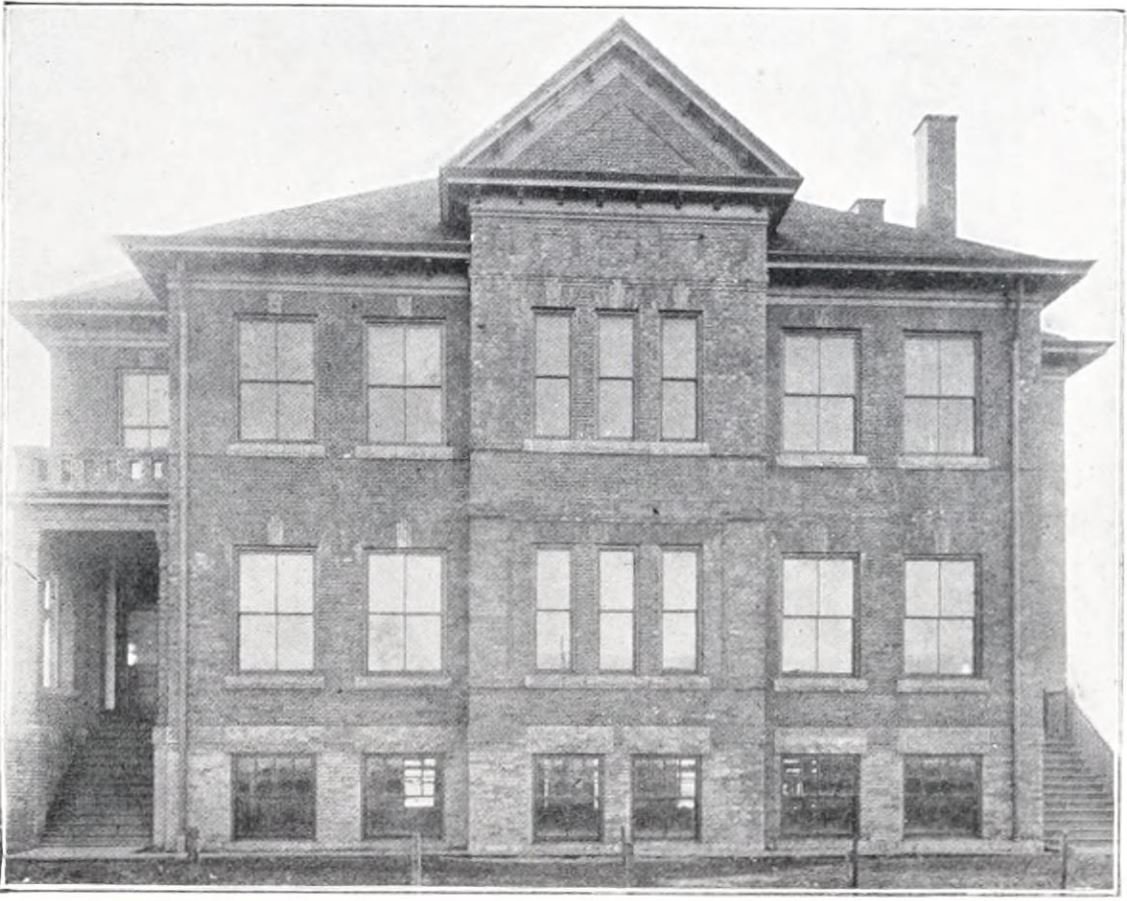
Despite its achievements, Western University struggled with chronic financial instability. The university relied on donations from the AME Church and the Black community, supplemented by sporadic state funding. A devastating fire in 1924 destroyed critical infrastructure, and the Great Depression further diminished resources (Kansas Historical Society). Enrollment fell, and by 1943, the university closed its doors. The last campus buildings were demolished the following year, leaving behind only cornerstones and commemorative markers (Wikipedia).
Visiting Western University: Hours, Tickets & Accessibility
Location
The Western University site is located in the Quindaro neighborhood of Kansas City, Kansas, near North 27th Street and Sewell Avenue. The John Brown Statue, erected in 1911, marks the site’s significance and offers panoramic views of the Missouri River valley (The Clio).
Visiting Hours
- Site and Overlook Open to the public year-round during daylight hours.
- Guided Tours Offered periodically by the Quindaro Ruins Townsite Project, Urban Hikes KC, and local heritage organizations. Advance booking is required for guided tours of the ruins (Quindaro Ruins Townsite Project).
Tickets and Admission
- General Admission Free to visit outdoor markers and the John Brown Statue.
- Guided Tours Generally free, though donations are encouraged. Special events or programs may have a nominal fee.
Accessibility
- Terrain The area around the statue and ruins is uneven and not fully ADA-compliant. The overlook is accessible by car.
- Facilities No restrooms or visitor center onsite. Bring water and any needed supplies.
Quindaro Ruins: Visiting Details & Tours
The Quindaro Ruins, located adjacent to the Western University site, are remnants of a once-bustling abolitionist town founded in 1856. The town was a key station on the Underground Railroad and remains a powerful symbol of freedom and resilience (kctoday.6amcity.com).
Access and Tours
- Overlook The Quindaro Ruins Overlook is open year-round during daylight hours.
- Guided Trail Access Entry to the ruins trail is by appointment only and must be arranged through the Quindaro Ruins Townsite Project or Urban Hikes KC (quindaroruinsprojectfoundationkck.org; visitkc.com).
Points of Interest
- John Brown Statue Historic monument commemorating the abolitionist’s role and the university’s legacy (legendsofkansas.com).
- Quindaro Cemeteries Two historic cemeteries nearby.
- Old Quindaro Museum Located in the former Vernon School, featuring artifacts and exhibits (advance arrangement recommended).
Nearby Attractions and Travel Tips
- Quindaro Underground Railroad Museum Offers in-depth context on the area’s abolitionist history (Kansas Travel).
- Downtown Kansas City, KS Short drive away, with dining, lodging, and attractions like the National WWI Museum and Memorial and Kansas City Zoo.
- Wyandotte County Lake Park Ideal for outdoor recreation.
Travel Tips:
- Wear sturdy shoes for uneven terrain.
- Bring water and sun protection; there are no amenities on site.
- Check local event calendars for commemorative events and tours.
Frequently Asked Questions (FAQ)
Is there an admission fee to visit Western University or the Quindaro Ruins?
No, general admission is free. Donations are encouraged for tours and preservation.
Are guided tours available?
Yes, guided tours are offered seasonally by local organizations. Advance booking is required for trail access.
Is the site accessible for those with mobility challenges?
The overlook is car-accessible, but trails are uneven and not fully ADA-compliant.
What are the best times to visit?
Spring and fall offer comfortable weather and frequent special events.
Are there restrooms or visitor facilities?
No. Visitors should plan accordingly.
Can I take photographs?
Yes, photography is welcome at the overlook and during tours.
Preservation and Commemoration
Preservation of Western University’s legacy is an ongoing effort led by the Allen Chapel AME Church, the Quindaro Ruins Townsite Project, and the Kansas Historical Society (Kansas Memory). Educational markers, tours, and commemorative events ensure the site remains a living testament to African American resilience and achievement.
Support for preservation is welcome—visitors can donate, volunteer, or participate in special events to help safeguard this vital heritage.