Early Years: Muehlebach Field and Community Roots
Municipal Stadium began as Muehlebach Field, built in 1923 by George Muehlebach, a prominent Kansas City businessman and brewery owner. Situated at 22nd Street and Brooklyn Avenue, the stadium quickly became a focal point for local sports, nestled in a thriving Black neighborhood renowned for its vibrant businesses and barbecue joints (The Gold Nuggett). The venue became home to the minor league Kansas City Blues and, most notably, the Kansas City Monarchs, one of the most successful teams in Negro League history. The Monarchs’ games at Muehlebach Field were significant not only for athletic excellence but also for bringing together Black and white fans during a deeply segregated era (AAHTKC).
Stadium Evolution and Major League Transformation
The stadium underwent several name changes as its significance grew. It was renamed Ruppert Stadium in 1937 after the New York Yankees bought the Blues, then Blues Stadium in 1943, and finally Municipal Stadium in 1955 when the Philadelphia Athletics relocated to Kansas City (AAHTKC). This move marked Kansas City’s arrival as a major league city, with the stadium expanded to hold over 30,000 fans. Municipal Stadium went on to host the Kansas City Athletics (1955–1967) and the Kansas City Royals during their inaugural seasons.
Football and the AFL Era
The stadium’s multipurpose design allowed it to host the Kansas City Chiefs of the American Football League (and later NFL) from 1963 to 1971. Municipal Stadium witnessed the Chiefs’ dramatic Super Bowl IV victory and hosted one of the longest games in NFL history during the 1971 Christmas Day playoff against the Miami Dolphins (Flatland KC; RetroSeasons).
Cultural Impact and Community Significance
Beyond athletics, Municipal Stadium was a community anchor, hosting parades, civic events, and providing a gathering place for people of all backgrounds. The stadium’s presence reinforced Kansas City’s identity as a hub of both sports and cultural progress. Its location and inclusive spirit made it a beacon during the civil rights movement and a source of pride for local residents (The Gold Nuggett).
Demolition and Enduring Legacy
Following the opening of Arrowhead and Kauffman Stadiums in the early 1970s, Municipal Stadium was demolished in 1976. Today, its legacy is honored at Monarch Plaza, a memorial at the original site, and through the continuing work of nearby museums and cultural institutions (AAHTKC; The Clio).
Planning Your Visit: Hours, Access, and Tickets
Is Municipal Stadium Still Standing?
The original Municipal Stadium was demolished in 1976. Today, the location is a residential neighborhood, but Monarch Plaza serves as a commemorative site for visitors (KC Yesterday; The Clio).
Monarch Plaza Visiting Hours
- Open Year-round, during daylight hours (dawn to dusk recommended).
- Admission Free; no tickets are required to visit Monarch Plaza or the surrounding commemorative garden.
Guided Tours and Events
- Official Tours There are no regular guided tours at Monarch Plaza; however, the nearby Negro Leagues Baseball Museum occasionally offers walking tours that include the stadium site.
- Special Events Monarch Plaza sometimes hosts commemorative events—check city tourism resources or museum calendars for details.
Monarch Plaza: The Memorial Site
What to Expect
Monarch Plaza is a small, thoughtfully designed park at 2123 Brooklyn Avenue, featuring interpretive plaques, benches, and memorials honoring the Monarchs, Blues, Athletics, Royals, and Chiefs (KC Yesterday). While no original stadium structures remain, the memorial offers a peaceful setting for reflection and photography.
Key Features
- Plaques and Markers Detailed history and key events commemorated through interpretive signage.
- Community Garden Maintained by residents, adding a tranquil and welcoming atmosphere.
- Accessibility Paved pathways and benches; wheelchair accessible.
Nearby Attractions & Complementary Experiences
Negro Leagues Baseball Museum
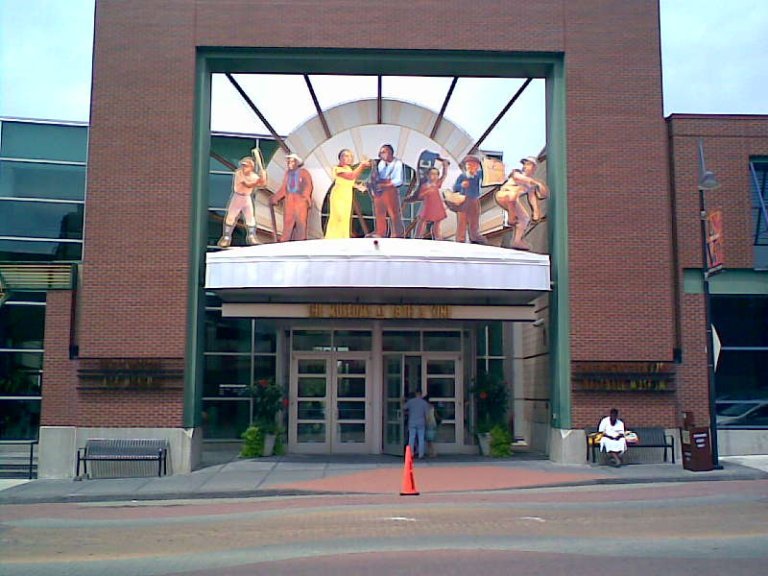
Located less than two miles away in the 18th & Vine Historic District, the Negro Leagues Baseball Museum offers in-depth exhibits on Negro League history and the Monarchs’ legacy.
American Jazz Museum
Also in the 18th & Vine District, the American Jazz Museum celebrates Kansas City’s musical heritage.
Truman Sports Complex
Visit Kauffman Stadium and Arrowhead Stadium, modern homes of the Royals and Chiefs, for contemporary sports culture and tours.
Local Dining
Enjoy Kansas City’s famous barbecue at spots like Arthur Bryant’s or Gates Bar-B-Q, both near the stadium site (Baseball Bucket List).
Travel Tips & Accessibility
- Getting There Monarch Plaza is two miles southeast of downtown Kansas City. Limited street parking is available; consider rideshare or Kansas City’s RideKC bus system.
- On-Site Amenities No restrooms or concessions are available—bring water and plan accordingly.
- Safety The neighborhood is generally safe during daylight; exercise standard urban caution.
- Photography Permitted; the site offers excellent opportunities for capturing historical context.
Frequently Asked Questions (FAQ)
Q: Can I visit the original Municipal Stadium?
A: The stadium no longer exists, but Monarch Plaza at 2123 Brooklyn Avenue is open to the public.
Q: Are tickets or reservations required?
A: No tickets are needed; Monarch Plaza is free and open during daylight hours.
Q: Are guided tours available?
A: There are no official tours at the site, but the Negro Leagues Baseball Museum offers occasional walking tours covering stadium history.
Q: What amenities are available?
A: There are no restrooms, concessions, or visitor centers at Monarch Plaza.
Q: What else should I visit nearby?
A: The Negro Leagues Baseball Museum, American Jazz Museum, and the 18th & Vine Historic District are highly recommended.
Visuals and Media
For your visit planning:
- Photographs of Monarch Plaza’s plaques, benches, and garden.
- Historic images of Municipal Stadium and legendary players.
- Maps showing Monarch Plaza’s location in relation to downtown and major attractions.