Type 2+ letters to search all countries, cities, and places
/Ctrl KEsc
travel_explore
Type 2+ letters to search all countries, cities, and places
Press Enter to open the top result
Waikiki Beach
Honolulu·United States·21° N · 157° W·Updated Apr 2026
Originally royal wetlands and fishponds, this engineered shoreline relies on imported sand and stands as the definitive birthplace of modern surf culture.
How did a shoreline whose name translates to “spouting water” end up burying its natural springs under concrete resort foundations? Waikīkī Beach in Honolulu, United States, operates as a magnificent paradox, and you should visit precisely to watch that engineered illusion up close. Today you step onto imported golden sand backed by glass towers while the air carries salt spray and the low thump of acoustic guitars. Diamond Head anchors the eastern horizon as longboards cut through swells carefully managed by submerged breakwaters.
Coastal engineering logs confirm this crescent was originally a narrow seasonal ribbon backed by extensive taro wetlands. You are walking across a negotiated landscape where Indigenous tradition and modern hydrology constantly recalibrate each other.
Free hula classes now spill onto public plazas directly adjacent to luxury hotel lobbies. The place rewards visitors who look past the manufactured facade. You quickly realize the real draw isn't the water itself. It's the visible effort to keep the coast alive.
Researched by the Audiala editorial team from historical records, architectural archives, and local expertise.
What to see
Moana Surfrider Banyan Courtyard
Most visitors rush toward the water, but the damp courtyard earth beneath the 1901 Moana Surfrider veranda will immediately cool your bare soles. They drained the wetlands. Run a hand along the original flagstones to feel concave grooves carved by a century of bare pacing, mapping every guest who crossed from street to sea.
Duke Kahanamoku Lagoon & Waikīkī Wall
Follow the eastern promenade past the Hilton Hawaiian Village until the open Pacific abruptly flattens inside a forty-yard concrete enclosure that stretches half a football field. The wall acts as a filter. You will hear outrigger paddles slapping against limestone aggregate while winter swells carve glassy faces just beyond the distant reef line.
Dawn Walk: Eastern Terminus & Wetland Memory
Walk the eastern terminus at dawn before the trade winds pick up speed and the shoreline completely fills with midday crowds. The air feels still. Step into the shallow depressions near the Ala Wai Canal to walk directly over buried taro loʻi, feeling the original wetland grade beneath modern pavement.
Plan your visit
Getting There
The shoreline spans 1.5 miles, roughly the length of 12 football fields laid end to end. Catch TheBus routes 2, 19, or 20 directly to Kalākaua Avenue for a 25-minute ride from downtown Honolulu. Skip street parking entirely and use the International Market Place garage for validated 3-hour stays.
Opening Hours
As of 2026, this public shoreline operates 24 hours a day with no gates or admission checkpoints. Winter months bring north swells that churn the surf into chest-high rollers, while summer waters flatten to gentle swimming conditions. Lifeguards may temporarily close sections after heavy rains or when box jellyfish bloom 8 days past a full moon.
Time Needed
A quick photo loop past the Duke Kahanamoku statue and a brief shoreline dip takes just 90 minutes. Plan a full half-day to rent an outrigger canoe, walk to Kapiʻolani Park, and catch a live hula performance at Kūhiō Beach. Dedicated visitors easily stretch to eight hours, timing their arrival for sunrise surf lessons and staying until the sunset crowds thin out.
Accessibility
The Kuhio Beach Promenade runs parallel to the water with fully ADA-compliant paving, gentle grades, and curb cuts at every cross street. Request a free sand-capable beach wheelchair from any Ocean Safety lifeguard tower; standard wheelchairs sink immediately in the dry sand beyond the waterline. All public shower facilities feature ramps, though the wooden lifeguard towers themselves lack elevator access.
Cost/Tickets
Beach access costs nothing and requires zero reservations as of 2026. Budget $50 to $150 per hour for licensed surf lessons or $20 to $60 daily for board and snorkel rentals. Skip hotel valet fees entirely by riding TheBus; a single adult fare runs $3.00—less than a bottle of resort water.
Photo Gallery
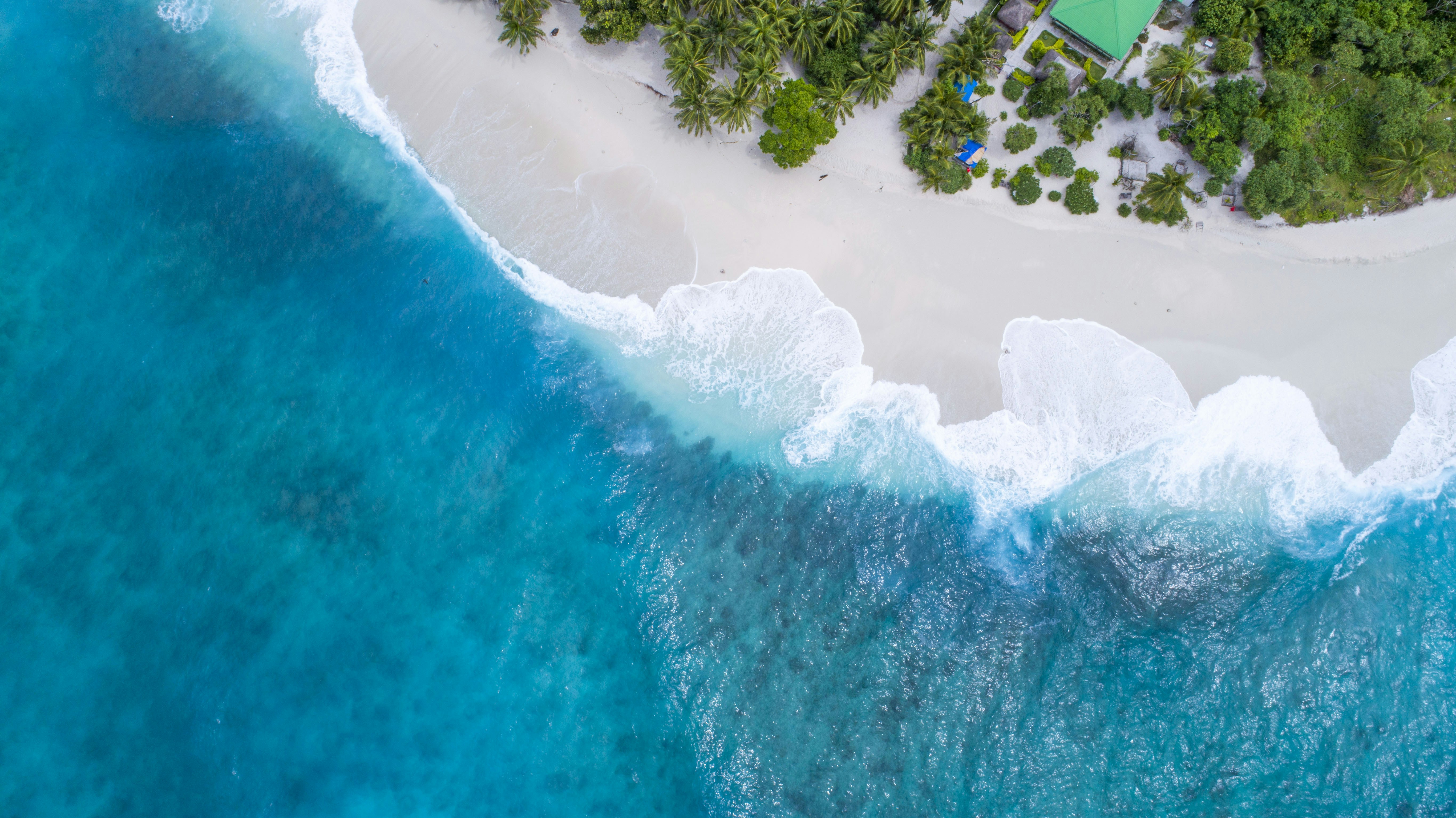
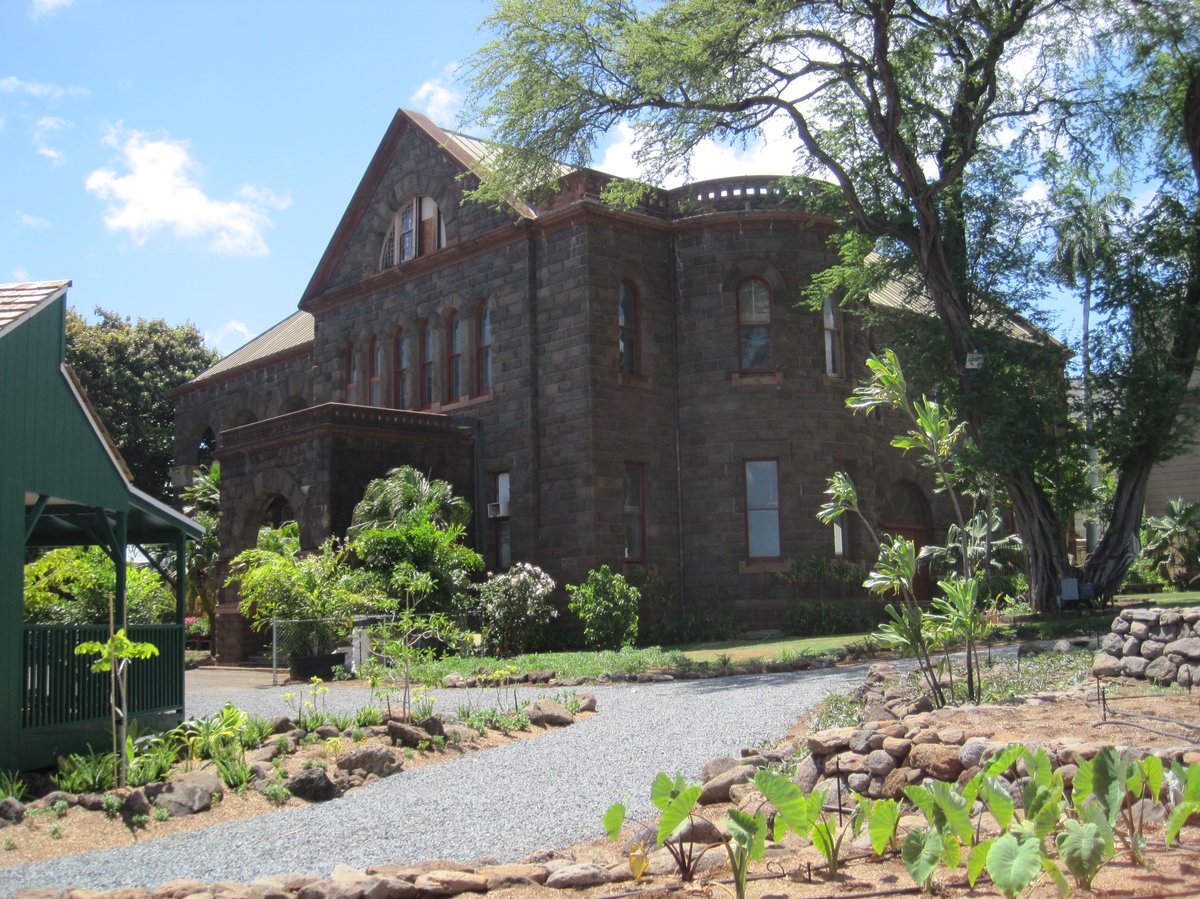
A view of Waikiki Beach, Honolulu, United States. · incidencematrixA view of Waikiki Beach, Honolulu, United States. · Ange GutierrezA view of Waikiki Beach, Honolulu, United States. · Janine from Mililani, Hawaii, United StatesA view of Waikiki Beach, Honolulu, United States. · incidencematrixA view of Waikiki Beach, Honolulu, United States. · Prayitno / Thank you for (12 millions +) view from Los Angeles, USAA view of Waikiki Beach, Honolulu, United States. · Janine from Mililani, Hawaii, United StatesA view of Waikiki Beach, Honolulu, United States. · Daniel Ramirez from Honolulu, USA
History
The Perpetual Playground
Waikīkī has always operated as a gathering ground for movement, music, and waterborne ritual. Long before the first hotel poured its foundations, the shallow bay served as a royal retreat where families practiced heʻe nalu. That core function survived massive ecological intervention.
Historical accounts document how dredging machines carved the Ala Wai Canal and redirected freshwater to create dry land. High-rise corridors replaced low-slung bathhouses and agricultural plots. Yet the shoreline never lost its primary purpose as a stage for cultural transmission.
The turning point
The Waves That Refused to Disappear
Most visitors assume Waikīkī’s gentle shore break is a natural gift that simply waited for tourists to discover it. Surface-level histories treat the beach as an untouched canvas that gracefully transitioned from royal retreat to surfing capital. The postcard image suggests the ocean itself shaped the perfect conditions for beginners.
Scholars trace a different timeline to the early twentieth century. Aggressive canal dredging starved the reef of sediment and caused the shoreline to retreat rapidly. Dead coral and exposed limestone replaced the soft bottom that heavy wooden longboards require. The ancient practice was literally running out of rideable water.
Duke Paoa Kahanamoku intervened when the break he learned on as a teenager faced permanent ruin. The Olympic medalist understood his role as a global cultural ambassador depended entirely on keeping those waves functioning. He lobbied territorial engineers throughout the 1920s, pushing a compromise to cover dead coral with fresh sand and stabilize the dry shoreline. His personal stakes extended far beyond athletics. He was fighting to keep the physical stage for his heritage intact.
The turning point arrived when officials finally adopted his preservation guidelines. Knowing this shifts how you read the water today. Every gentle roller you surf rests on a century-old compromise between engineering and tradition. The board beneath your feet glides across a carefully maintained cultural asset.
What Shifted
The hydrology of the valley transformed permanently between 1913 and 1928. Records confirm engineers deepened channels, poured concrete seawalls, and redirected freshwater into a massive artificial canal. The original narrow beach expanded into a managed 1.5-mile crescent backed by vertical resort development.
What Remained
The pedagogy of the ocean survived every physical alteration. Oral traditions attribute the survival of the Waikīkī Beach Boys mentorship model to direct, tactile engagement with incoming swells. Modern surf schools and weekly Kū Haʻaheo concerts maintain that same open-air transmission model on the sand.
Tips for visitors
Street Dress Code
Step off the sand before you enter any restaurant or shop; bare feet and wet swimsuits will get you turned away at the door. Apply reef-safe mineral sunscreen before leaving your hotel, as Hawaii’s strict ban on oxybenzone and octinoxate carries immediate retail enforcement at beachfront vendors.
Drone Restrictions
Leave your drone in your luggage; recreational flights over Waikīkī trigger FAA fines up to $27,500 and violate strict county airspace rules. When filming the free hula shows at Kūhiō Beach, disable your flash to respect the performers and avoid blinding the audience.
Avoid Tourist Traps
Never leave bags or phones unattended on the sand; opportunistic thieves work the shoreline between 11 AM and 4 PM when crowds peak. Politely decline free lei or activity discount booths, as they funnel visitors into mandatory two-hour timeshare presentations that waste half your day.
Eat Like a Local
Skip the resort markup by grabbing a fresh poke bowl from Ono Seafood on Kapahulu Avenue, a cash-only counter that consistently outperforms beachfront menus. For a quick, hot meal, queue at Marukame Sanuki Udon on Kalākaua Ave where hand-pulled noodles cost under $15 and serve faster than any sit-down spot.
Beat the Crowds
Arrive before 7 AM when the water is glassy and the pedestrian traffic hasn’t yet flooded Kalākaua Avenue. Winter months deliver heavy north swells for experienced surfers, while summer brings flat, bathtub-warm waters perfect for beginners.
Protect Your Feet
Walk the eastern shoreline past the Duke statue to Kapiʻolani Park, where shaded picnic tables and mature monkeypod trees offer free respite from the midday glare. Pack water shoes; the shallow coral reefs near the Waikīkī Wall will slice bare feet the moment a wave drops you onto the seabed.
Where to Eat
local_dining
Don't Leave Without Trying
Poke (ahi and shoyu-onion style)Loco MocoGarlic ShrimpSashimi and DonburiMalasadasShave IceHaupiaLilikoi
GOOFY Cafe & Dine
local favorite
Locavore Hawaiian Cafe€€star4.5(4080)
Order: The Eggs Benedict with kalua pork is life-changing, featuring perfectly poached eggs and incredibly tender, flavorful island-style pork.
This is the ultimate local hangout for a reason; it perfectly captures that laid-back surf vibe while serving up fresh, from-scratch meals that make it the best breakfast spot in town.
Order: The iconic Coconut Cake is non-negotiable, best enjoyed alongside a sunset and a house Mai Tai.
It’s a quintessential Waikiki experience where the stunning ocean views, live hula, and classic Hawaiian music create an atmosphere you won't find anywhere else.
checkWaikiki Farmers Market runs Tuesdays and Thursdays, 4:00 p.m. to 8:00 p.m.
checkHonolulu Farmers’ Market is held Wednesdays, 4:00 p.m. to 7:00 p.m.
checkMany restaurants in Waikiki operate daily to cater to tourist demand, but always check for specific service times like brunch or dinner.
checkLook for plate-lunch style meals for an authentic, casual local dining experience.
Restaurant data powered by Google
Frequently asked
Is Waikiki Beach worth visiting?
Yes, but only if you treat it as a living architectural archive rather than a tropical postcard. The 1.5-mile shoreline is a 20th-century engineering marvel built from dredged coral to replace ancient taro wetlands. Walk past the Moana Surfrider’s 1901 banyan courtyard to see exactly where a royal retreat became a global resort corridor.
How long do you need at Waikiki Beach?
Dedicate a half-day to actually understand the place, but arrive before 8 AM to escape the midday crush. You will need three hours to trace the eight distinct beach sections and grab a poke bowl before Kalākaua Avenue wakes up. The sand radiates stored heat by noon, making an early morning stroll the only way to hear outrigger paddles slice the water.
How do I get to Waikiki Beach from downtown Honolulu?
Ride TheBus routes 19 or 20 south on Ala Moana Boulevard for a reliable 25-minute commute that drops you right in the resort corridor. Skip the $40 daily resort parking garages and walk the final half-mile along Kalākaua Avenue to feel the pavement give way to sand. Public transit is the only sane way to avoid gridlock without burning cash on rideshares.
What is the best time to visit Waikiki Beach?
Winter months from November to March bring powerful north swells that push surf breaks closer to shore. Summer offers calmer, bathtub-flat water perfect for beginners but packs the sand shoulder-to-shoulder. Show up during a brief afternoon squall to watch rain drum against broad palm fronds and empty the promenade for twenty quiet minutes.
Can you visit Waikiki Beach for free?
Absolutely, because the entire shoreline remains public land held in trust by the state of Hawaiʻi. You can swim, surf, and walk the ADA-compliant Kuhio Beach Promenade without spending a dime. Just remember that reef-safe sunscreen is legally mandatory, and leaving valuables unattended guarantees they will vanish.
What should I not miss at Waikiki Beach?
Look down at the submerged seawall near the Sheraton to spot the century-old coastal armor quietly holding back the Pacific. This hidden concrete barrier reveals how the wide sandy crescent you are walking on is actually a carefully managed erosion project rather than untouched nature. Follow the worn grooves in the historic stone steps at the Moana Surfrider courtyard to trace a century of barefoot footsteps.
Sources & attribution5
Researched and written by the Audiala editorial team from historical records, architectural archives, and local expertise. Last updated April 2026.
DLNR Coastal Engineering History — Provides detailed records of shoreline engineering, wetland drainage, sand replenishment projects, and the transition from natural barrier beach to managed resort corridor.
Hawaii Living - Waikiki Hotel History — Documents the 1901 opening of the Moana Hotel, the evolution of the banyan courtyard architecture, and the mid-century resort boom.
Saved and recently read places — kept on this device only.
Photo credits (14)
Sean Pollock — Unsplash License (https://unsplash.com/license) — Source: https://images.unsplash.com/photo-1505228395891-9a51e7e86bf6
Sean Pollock — Unsplash License (https://unsplash.com/license) — Source: https://images.unsplash.com/photo-1548685913-fe6678babe8d
A Mighty Tree (23491500139) — incidencematrix — CC BY 2.0 (https://creativecommons.org/licenses/by/2.0/) — Source: https://commons.wikimedia.org/wiki/File:A_Mighty_Tree_(23491500139).jpg
500px photo (34324710) — Ange Gutierrez — CC BY 3.0 (https://creativecommons.org/licenses/by/3.0/) — Source: https://commons.wikimedia.org/wiki/File:500px_photo_(34324710).jpeg
Aloha — Janine from Mililani, Hawaii, United States — CC BY 2.0 (https://creativecommons.org/licenses/by/2.0/) — Source: https://commons.wikimedia.org/wiki/File:Aloha.jpg
Big-eyed Fly (23491466879) — incidencematrix — CC BY 2.0 (https://creativecommons.org/licenses/by/2.0/) — Source: https://commons.wikimedia.org/wiki/File:Big-eyed_Fly_(23491466879).jpg
ALOHA from Waikiki Beachwalk (15387986835) — Prayitno / Thank you for (12 millions +) view from Los Angeles, USA — CC BY 2.0 (https://creativecommons.org/licenses/by/2.0/) — Source: https://commons.wikimedia.org/wiki/File:ALOHA_from_Waikiki_Beachwalk_(15387986835).jpg
25 mph — Janine from Mililani, Hawaii, United States — CC BY 2.0 (https://creativecommons.org/licenses/by/2.0/) — Source: https://commons.wikimedia.org/wiki/File:25_mph.jpg
A dog on a boat (4723242391) — Daniel Ramirez from Honolulu, USA — CC BY 2.0 (https://creativecommons.org/licenses/by/2.0/) — Source: https://commons.wikimedia.org/wiki/File:A_dog_on_a_boat_(4723242391).jpg
Brown Coat (23833285396) — incidencematrix — CC BY 2.0 (https://creativecommons.org/licenses/by/2.0/) — Source: https://commons.wikimedia.org/wiki/File:Brown_Coat_(23833285396).jpg
Ala Wai Golf Course && Waikiki — Achim Hepp — CC BY-SA 2.0 (https://creativecommons.org/licenses/by-sa/2.0/) — Source: https://commons.wikimedia.org/wiki/File:Ala_Wai_Golf_Course_&&_Waikiki.jpg
Biki in Waikiki (28159018639) — Daniel Ramirez from Honolulu, USA — CC BY 2.0 (https://creativecommons.org/licenses/by/2.0/) — Source: https://commons.wikimedia.org/wiki/File:Biki_in_Waikiki_(28159018639).jpg
Bikini Quartet, Gray's Beach — tata_aka_T — CC BY 2.0 (https://creativecommons.org/licenses/by/2.0/) — Source: https://commons.wikimedia.org/wiki/File:Bikini_Quartet,_Gray's_Beach.jpg
Bougainvillaea — Janine from Mililani, Hawaii, United States — CC BY 2.0 (https://creativecommons.org/licenses/by/2.0/) — Source: https://commons.wikimedia.org/wiki/File:Bougainvillaea.jpg
Strictly necessary cookies keep the site working. Analytics (PostHog, Google Analytics) measures how each visitor uses our pages. Marketing loads YouTube videos and walking-route maps without a tap and lets Google Analytics set advertising cookies. We never sell your data. You can change this any time from the footer.
Privacy
Cookie preferences
Pick what you're okay with. You can change this any time from the footer.
Strictly necessary
Always on
Sign-in, language, navigation. Always on.
Product analytics
PostHog (EU) and Google Analytics record which pages you view and how you use them, under a random identifier stored in your browser. Helps us see which pages work and which need fixing. Google's ad personalisation stays off. No selling.
Marketing
Loads YouTube videos and the walking-route maps (OpenFreeMap) without a tap; without it, they load only when you tap them. If analytics is also on, Google Analytics may set advertising cookies. Ad personalisation stays off.