Plan and listen to Waikiki Aquarium with Audiala.
Audio guide in your pocket, itinerary in your browser. Built for the way you actually visit.
Introduction to the Waikiki Aquarium
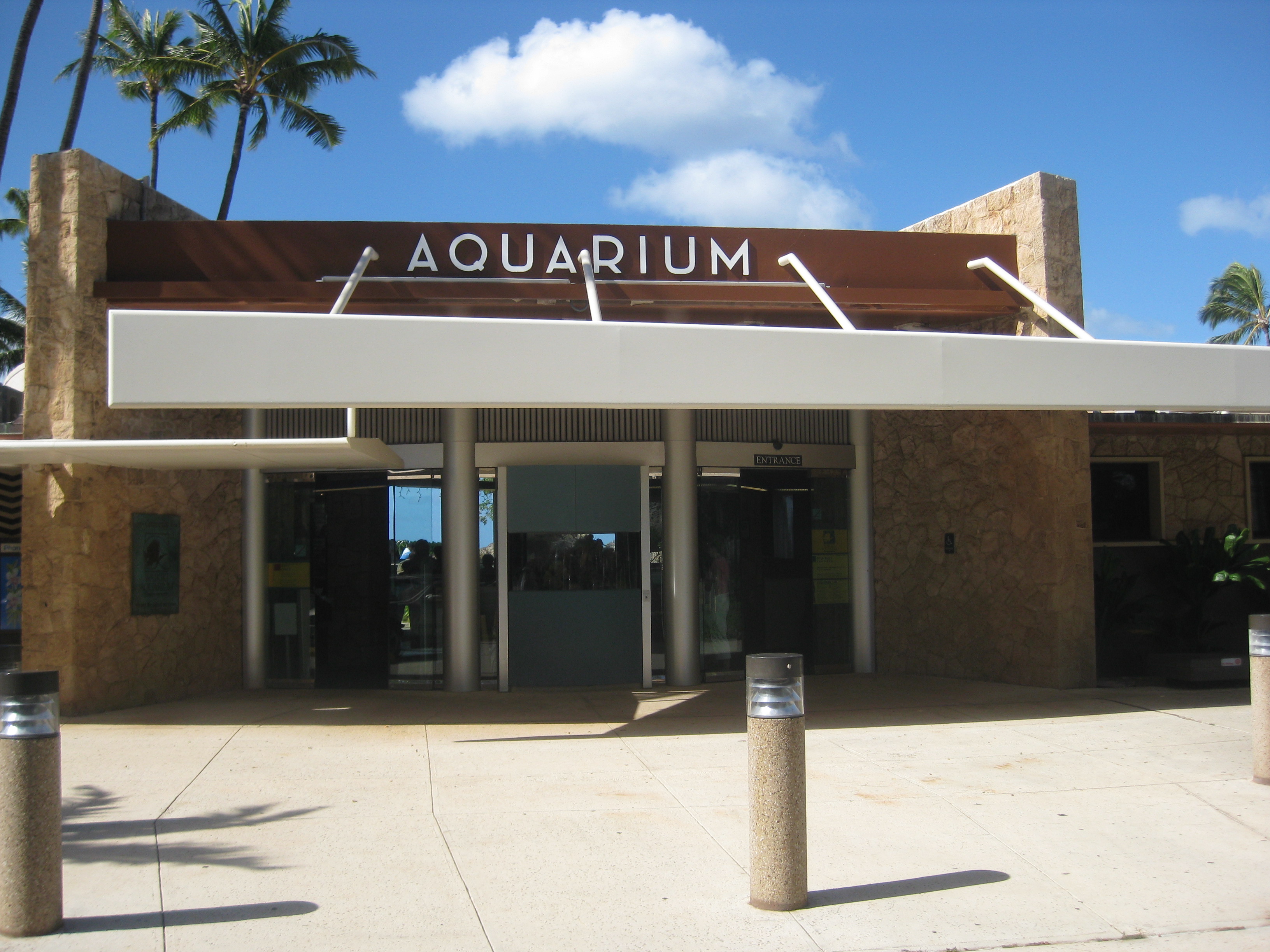
Nestled on the iconic shores of Waikiki Beach in Honolulu, the Waikiki Aquarium is a vital institution for marine science, conservation, and local heritage. Established in 1904, it is the second-oldest public aquarium in the United States and has been managed by the University of Hawai‘i at Mānoa since 1919. The aquarium seamlessly blends its historic legacy with groundbreaking scientific research, offering visitors a vibrant journey into the Pacific’s underwater world.
With over 3,500 marine animals across 35 exhibits, highlights include the Living Reef, Hawaiian Monk Seal Habitat, and captivating jellyfish displays. The Waikiki Aquarium is internationally renowned for its coral propagation and endangered species research, contributing significantly to marine biodiversity conservation. Educational programs, guided tours, and community events further enrich the visitor experience, making it a must-see for families, researchers, and tourists.
This guide contains essential information for planning your visit: hours, ticket prices, accessibility, must-see exhibits, historical background, and nearby attractions. For the latest updates, visit the official Waikiki Aquarium website, and explore additional resources (Waikiki Aquarium History, Hawaii News Now).
Welcome to the Waikiki Aquarium
Planning a visit to Honolulu’s treasured Waikiki Aquarium? This guide covers everything you need to know, including hours, tickets, accessibility, and the aquarium’s unique history.
Visiting Hours and Ticket Information
- Open daily: 9:00 AM – 4:30 PM (last admission at 4:00 PM)
- Closed: Christmas Day and Thanksgiving
- Admission:
- Adults: $12
- Children (4–12): $5
- Under 4: Free
- University of Hawai‘i students/staff: Free (with ID)
- Discounts for seniors and military; group rates available
- Purchase: Online or at the entrance
Directions and Accessibility
- Address: 2777 Kalākaua Avenue, Honolulu, HI 96815
- Transport: Accessible via Honolulu trolley, bus, and nearby parking at Kapi‘olani Park
- Accessibility: Fully wheelchair accessible, with ramps, elevators, and accessible restrooms. Service animals are welcome, and sensory-friendly visits can be arranged upon request.
Highlights and Exhibits
Living Reef Exhibit
Discover a thriving 60,000-gallon reef ecosystem with over 100 species of fish and 200 types of Hawaiian coral. This exhibit emphasizes coral conservation and offers unique viewing, including walkways and live camera feeds.
South Pacific Marine Communities
Explore Pacific biodiversity with tanks featuring barrier reefs, ancient giant clams, and colorful reef fish, illustrating the ecological importance of these marine communities.
Hunters on the Reef
Observe apex predators like zebra sharks and groupers, with interpretive signage explaining their roles in the marine ecosystem.
Edge of the Reef
An outdoor exhibit simulating a Hawaiian coral reef, with interactive tide pools allowing supervised touch experiences with sea cucumbers and starfish.
Hawaiian Monk Seal Habitat
One of the few places to see endangered Hawaiian monk seals, this habitat supports conservation education and research.
Jellyfish and Seahorse Displays
Enjoy mesmerizing jellyfish tanks and learn about seahorse biology, conservation, and the challenges these species face in the wild.
Rare and Endangered Species
Features Hawaiian green sea turtles and chambered nautilus, with a focus on species protection and conservation.
Guided Tours and Special Events
- Guided Tours: Daily tours led by trained staff provide deeper insights into Hawaii’s marine biodiversity.
- Special Events: Includes annual celebrations, beach cleanups, workshops, and the popular Summer Music Series (June–August).
- Twilight Tours: After-hours experiences offer a glimpse into nocturnal marine life.
Founding and Early Years (1904–1919)
Opened in 1904 as the Honolulu Aquarium, it showcased local marine biodiversity and attracted visitors via the nearby trolley terminus. Early leaders included Frederick A. Potter, for whom the Centropyge potteri angelfish is named. (Waikiki Aquarium History)
Transition to Research (1912–1950s)
A marine biology lab was established in 1912 under Dr. Charles H. Edmondson, advancing tropical marine research. In 1919, the University of Hawai‘i took over, solidifying its academic and research mission (Hawaii News Now).
Renewal and Expansion (1970s–Present)
After mid-century challenges, the aquarium refocused on education and conservation in the 1970s, moved to its current location in 1955, and launched programs like living coral propagation in 1978 (First Cabin Guide). Recent years have seen major renovations and new exhibits.
Conservation and Research Initiatives
- Coral Propagation: Leading global coral propagation since 1978, supplying corals to reduce wild harvesting and preserving rare Hawaiian species.
- Endangered Species Research: Focuses on Hawaiian monk seals, nautilus, and rare fish breeding (TFH Magazine).
- Collaborative Projects: Works with local and international partners on deep-water coral, fish behavior, and habitat studies.
- Coastal Environmental Education Center: Engages the public on coral reef preservation and sustainable ocean practices (Waikiki Aquarium Conservation).
Community Engagement and Educational Outreach
- School Programs: Curriculum-aligned tours and activities for all grade levels.
- Public Talks and Feedings: Interpretive sessions on signature species.
- Special Events: Annual celebrations, music series, and citizen science initiatives.
- Volunteer and Membership: Opportunities for direct participation and support via Friends of Waikiki Aquarium (FOWA) (Honolulu.com).
Visitor Experience
Layout and Navigation
The compact beachfront layout allows a natural flow between indoor and outdoor exhibits. The site is easy to navigate for families and those with mobility needs.
Family-Friendly Features
Interactive displays, touch pools, short walking distances, and a recommended visit duration of 1–2 hours make the aquarium ideal for all ages.
Photography
Scenic spots include the Edge of the Reef and Monk Seal Habitat. Photography is encouraged, especially in the jellyfish gallery.
Nearby Attractions and Travel Tips
- Nearby Sites: Waikiki Beach, Kapi‘olani Park, Honolulu Zoo, Diamond Head, and other historical sites.
- Tips: Visit early to avoid crowds, wear comfortable shoes, and bring sun protection for outdoor exhibits.
Frequently Asked Questions (FAQ)
Q: What are the Waikiki Aquarium’s visiting hours?
A: Open daily from 9:00 AM to 4:30 PM, last admission at 4:00 PM.
Q: How much do tickets cost?
A: Adults $12, children (4–12) $5, free for under 4 and UH students/staff (with ID). Discounts available for seniors and military.
Q: Is the aquarium wheelchair accessible?
A: Yes, with ramps, elevators, and accessible restrooms.
Q: Are guided tours available?
A: Daily guided tours are offered; check schedules online or at the visitor center.
Q: Can I take photographs?
A: Yes! The jellyfish gallery and outdoor habitats are especially photogenic.
Q: Are there interactive or touch pools?
A: Yes, select tide pool animals can be gently touched under staff supervision.
Q: Is the Hawaiian Monk Seal always visible?
A: The habitat is open, but sightings are not guaranteed as the seals may be off-exhibit at times.
Plan Your Visit
Experience Hawaii’s unique marine biodiversity and conservation efforts at the Waikiki Aquarium. For updated hours, tickets, and event details, visit the Waikiki Aquarium’s official website. Download the Audiala app for interactive guides and exclusive updates, and follow the aquarium on social media for news and program announcements.
Suggested Visuals and Media
- Photos of the Living Reef, Jellyfish Gallery, and Monk Seal Habitat (e.g., alt="Waikiki Aquarium coral reef exhibit")
- Map of Waikiki highlighting the aquarium and nearby attractions
- Links to virtual tours and multimedia galleries on the official website
Summary
The Waikiki Aquarium is a Honolulu landmark that intertwines historical heritage, scientific innovation, and community outreach. From the Living Reef and Monk Seal Habitat to hands-on programs and research, it offers a rewarding experience for all. Your visit supports essential conservation and education efforts, ensuring Hawaii’s marine treasures are preserved for future generations.
Listen to the full story in the app
The whole Waikiki Aquarium,
told well.
Audio guides for 1,100+ cities across 96 countries. History, stories, and local insight — offline ready.

Verified, and shown.
Researched and written by the Audiala editorial team from historical records, architectural archives, and local expertise.
Last reviewed
Researched from Wikidata, Wikipedia & official sources · fact-checked · How we make our guides →


