An introduction.
Researched by the Audiala editorial team from historical records, architectural archives, and local expertise.
HHow does a place originally named for an iridescent gem become synonymous with a single morning of destruction? You come to the USS Arizona Memorial in Honolulu, United States, to sit quietly above a sunken warship while bunker oil still bleeds from its rusted hull. The site asks you to witness how water preserves memory, not to celebrate a military victory.
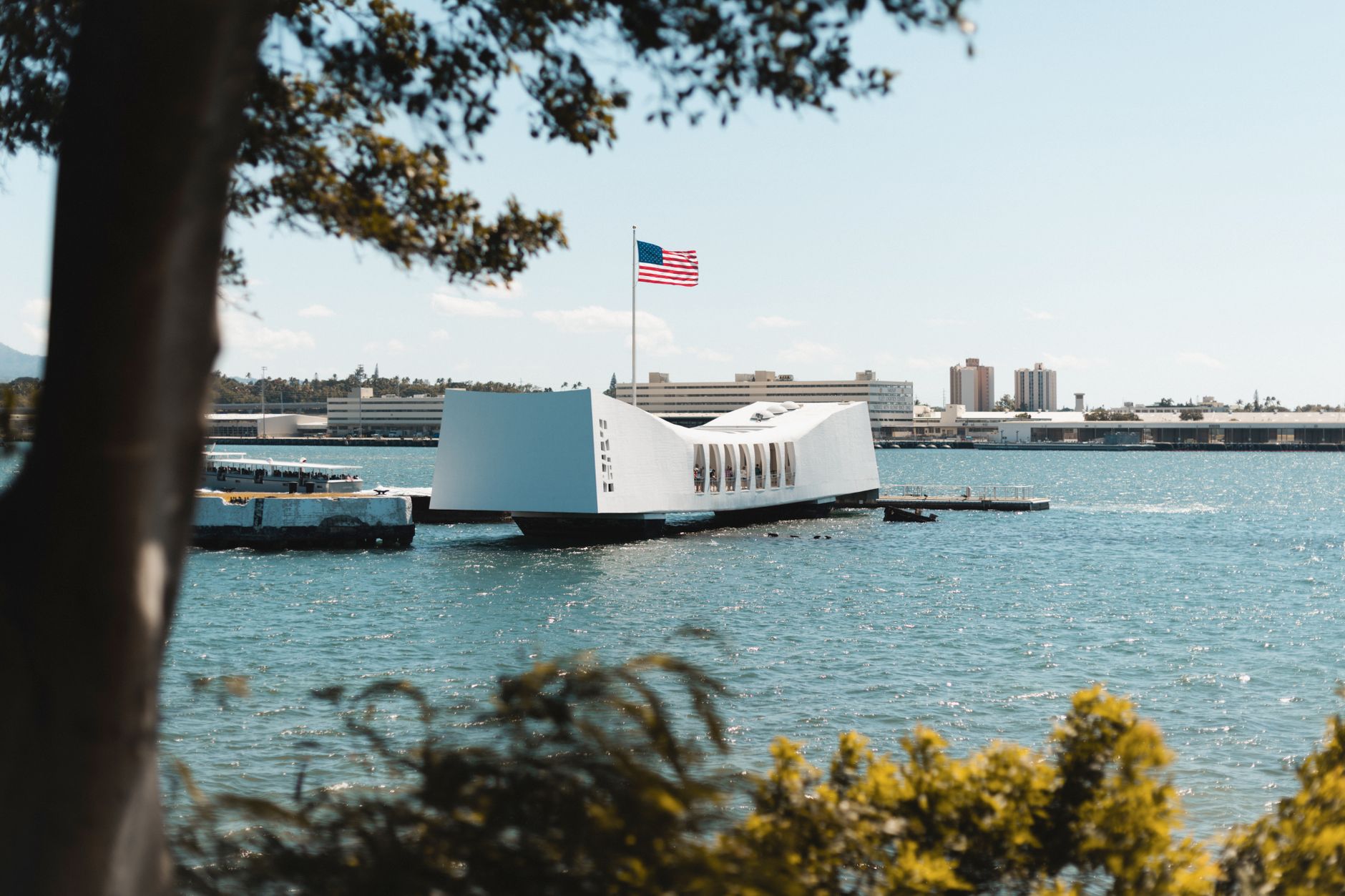
The white canopy floats roughly ninety feet above Battleship Row without touching the steel beneath it. Architect Alfred Preis deliberately engineered the roofline to sag in the center, forcing your shoulders to drop before you reach the marble shrine wall. The Pacific Fleet Band’s echo taps bounce off the open trapezoidal windows.
Most tourists read the engraved names and board the navy launch back to Ford Island. They miss the water itself. Beneath the memorial’s deck, the harbor holds the physical weight of 1,177 sailors who never made it to shore. You leave with the quiet understanding that preservation sometimes means letting the water keep its dead.
01 What to see.
USS Arizona Memorial
Pearl Harbor Visitor Center & Shoreline Walk
Pre-Dawn Harbor Walk & Audio Sequence
02 In pictures.


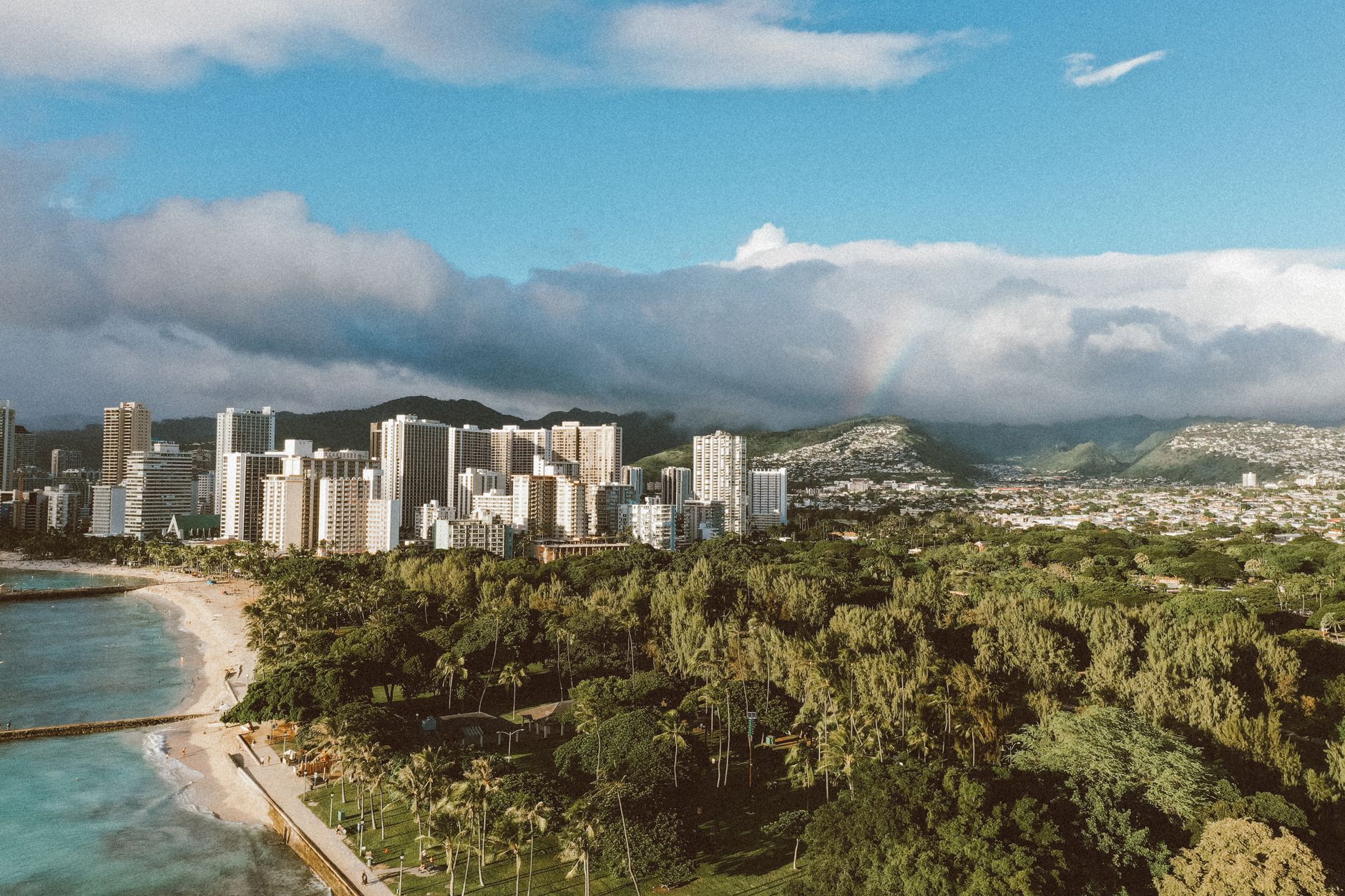



Plan and listen to Pearl Harbor / USS Arizona with Audiala.
Audio guide in your pocket, itinerary in your browser. Built for the way you actually visit.
03 Visitor logistics.
The practical scaffolding for a good visit — kept short.
Getting There
Drive west from Waikiki on H-1 to Exit 15A, carefully avoiding the Hickam Air Force Base ramp. Turn left onto Arizona Memorial Place. TheBus routes 20 and 42 cover the same stretch for $2.50, but walking remains impossible on shoulders narrower than a sedan.
Opening Hours
As of 2026, the visitor center opens daily at 7:00 AM and locks its gates at 5:00 PM. The final Navy shuttle departs at 3:00 PM sharp. Pacific squalls occasionally pause service.
Time Needed
Budget two hours for the Arizona Memorial alone to absorb the security lines and quiet boat crossing. Add four more hours for the Missouri battleship and aviation museum. Arrive early.
Cost & Tickets
As of 2026, the USS Arizona Memorial and National Park Service grounds cost nothing to enter. Book timed passes on Recreation.gov months in advance, since walk-in standby rarely materializes. Grab a $99.99 Passport for consecutive-day access to all four Ford Island sites.
Accessibility & Terrain
The visitor grounds sit completely flat and paved, but the park does not rent wheelchairs on site. Bring your own device. Motorized chairs ride the Navy shuttles and lock into place on the memorial deck.
04 Tips for visitors.
Small things that change the day.
Dress & Demeanor
Treat the open deck like a working cemetery, not a casual photo backdrop. Step aside for mourning families.
Clear Bags Only
Security bans every opaque bag and purse past the checkpoint. Bring a clear plastic tote.
Photography Limits
Personal cameras work fine, but leave drones at home because the active naval airspace triggers immediate confiscation. Stick to handheld shots.
Ticket & Parking Scams
Third-party sites charge premium markup for free National Park Service passes. Book directly on Recreation.gov.
Eat Where Locals Do
The visitor center only sells cold sandwiches and chips. Drive ten minutes to Aiea’s Zippy’s for an eleven-dollar plate lunch.
Beat the Heat & Crowds
Arrive by 8:30 AM to catch the first shuttle and watch the morning oil seep rise on the harbor water. Pack reef-safe sunscreen.
Where to Eat
Don't Leave Without Trying
Restaurant 604
local favoriteOrder: The loco moco, poke tacos, or the classic fish & chips are all standouts here.
This is the go-to spot for a post-memorial meal, offering a fantastic waterfront deck and an open-air atmosphere that makes for a perfect sunset wind-down.
Dining Tips
- check The Pearl Harbor memorial complex gets busy; lines for on-site food build quickly, and some items can sell out by early afternoon.
- check Be aware that city-run 'People’s Open Markets' are very brief, often lasting only 45–60 minutes, so plan your arrival carefully.
- check There is no universal closing day in Honolulu; always check individual restaurant hours, especially for Sunday and Monday dinner service.
- check The Hālawa District Park People’s Open Market is the closest official market to Pearl Harbor, held Fridays from 7:00 a.m. to 8:00 a.m.
- check Standard lunch hours generally run from 11:00 a.m. to 2:00/3:00 p.m., while dinner is typically served between 5:00 p.m. and 9:00/10:00 p.m.
Restaurant data powered by Google
05 The Water That Remembers
Long before the U.S. Navy dredged the estuary and renamed it Pearl Harbor, Native Hawaiian navigators called these waters Wai Momi. The harbor’s original purpose was protection, a sheltered lagoon where fishponds thrived and coastal families gathered. That function of sanctuary never disappeared.
Today, the memorial operates as an active maritime grave and a civic gathering space. The National Park Service and the U.S. Navy share stewardship, balancing public education with strict reverence for the submerged hull. The annual ceremony persists not because it looks backward, but because it demands a present-tense pause.
The Flag That Refused to Lower
Visitors assume the daily flag-raising is a standard naval courtesy that began right after the attack. The white canopy and the fluttering colors feel like they have always belonged together.
But harbor records tell a different story. The Navy spent the entire war stripping the Arizona’s superstructure for scrap, treating the wreck as a salvage yard rather than a tomb. Not a single pole stood in the water between 1942 and 1950.
Admiral Arthur W. Radford’s reputation as Commander in Chief of the Pacific Fleet rested on protecting the site from commercial dredging. Logistics officers pushed back, arguing the pole would interfere with ongoing salvage contracts and harbor traffic. The turning point arrived when Radford bypassed the chain of command, personally assigning two sailors to raise and lower the colors every dawn. That quiet insurrection forced the Navy to treat the wreck as a consecrated cemetery rather than scrap.
That origin story shifts your attention from the canopy to the waterline. You watch the flag catch the morning trade winds and realize the tradition is an active refusal to let the harbor return to commerce. The continuous ritual holds the line against forgetting.
What Washed Away
What Stays Put
Listen to the full story in the app
The whole Pearl Harbor / USS Arizona,
told well.
Audio guides for 1,100+ cities across 96 countries. History, stories, and local insight — offline ready.

06 Frequently asked.
The questions travellers send us most about Pearl Harbor / USS Arizona.
Is Pearl Harbor worth visiting?
Yes, but prepare for a heavy silence rather than a standard museum tour. You walk across a 184-foot white concrete span that deliberately dips in the center to mirror the shock of defeat, while beneath your feet the harbor still weeps slow black tears of bunker fuel. Reading the 1,177 names carved into Vermont marble shifts your expectation of a monument into a quiet reckoning with sudden loss.
How long do you need at the USS Arizona Memorial?
Block two full hours to properly absorb the memorial sequence without letting security lines rush you. You will ride a Navy shuttle across the channel, sit through a twenty-two-minute documentary, and walk the open pavilion where trade winds carry the smell of salt and heated concrete. Arriving by eight o'clock spares you from the midday crowds that bottleneck the bag check.
How do I get to Pearl Harbor from Honolulu?
Drive west on the H-1 highway for roughly forty-five minutes, exit at Arizona Memorial/Stadium, and follow Kamehameha Highway to the designated lots. TheBus routes 20 and 42 cover the corridor for two dollars fifty, though the ride pushes past an hour and leaves you walking a quarter mile from the gate. Drop passengers at the curb before hunting for the seven-dollar daily parking stall.
Can you visit USS Arizona for free?
The memorial program costs absolutely nothing, though you must secure a timed ticket on Recreation.gov to guarantee a spot. Your free reservation covers the harbor crossing, the short documentary film, and access to the open-air pavilion spanning the sunken hull. Nearby museums like the Battleship Missouri operate independently and require separate admission fees.
What is the best time to visit the USS Arizona Memorial?
Catch the first morning shuttle or the final three o'clock departure to experience the site without the heavy tourist crush. Early light filters softly across the marble shrine wall, while late afternoon brings calmer water and thinner crowds that let you linger over the names. The December seventh anniversary draws intense ceremonial traffic that severely limits casual access.
What should I not miss at Pearl Harbor?
Look down through the circular deck opening in the shrine room to spot the ship’s rusted gun turret resting just twelve feet below the surface. Architect Alfred Preis deliberately left the central chamber open to the sky so the harbor’s natural acoustics replace museum narration with the sound of water hitting steel. You leave carrying the weight of an active war grave rather than a checklist of historical facts.
Verified, and shown.
Researched and written by the Audiala editorial team from historical records, architectural archives, and local expertise.
Official visitor guidelines, operational hours, and overarching historical interpretation of the memorial complex.
Detailed records of the December 7 attack, memorial construction chronology, and Alfred Preis architectural symbolism.
Practical logistics for shuttle operations, timing recommendations, and local cultural context.
Information on daily flag-raising traditions, shrine room protocols, and interment practices for surviving crew.
Official reservation platform for free, timed-entry tickets to the USS Arizona Memorial program.
Historical overview of the harbor's Native Hawaiian naming, ecological significance, and cultural evolution.
Researched from Wikidata, Wikipedia & official sources · fact-checked · How we make our guides →