
Origins and Missionary Beginnings
Founded in 1820 under Queen-Regent Kaʻahumanu I and the guidance of Reverend Hiram Bingham, Kawaiahaʻo Church is a pivotal marker of Hawaiʻi’s transition from indigenous spirituality to Congregationalist Christianity. Its name, meaning “the water of Haʻo,” refers to a sacred spring once reserved for aliʻi (Hawaiian nobility), symbolizing the convergence of Hawaiian and Western religious traditions (Hawaiian Mission Houses; Hawaii Guide).
Construction and Architectural Innovation
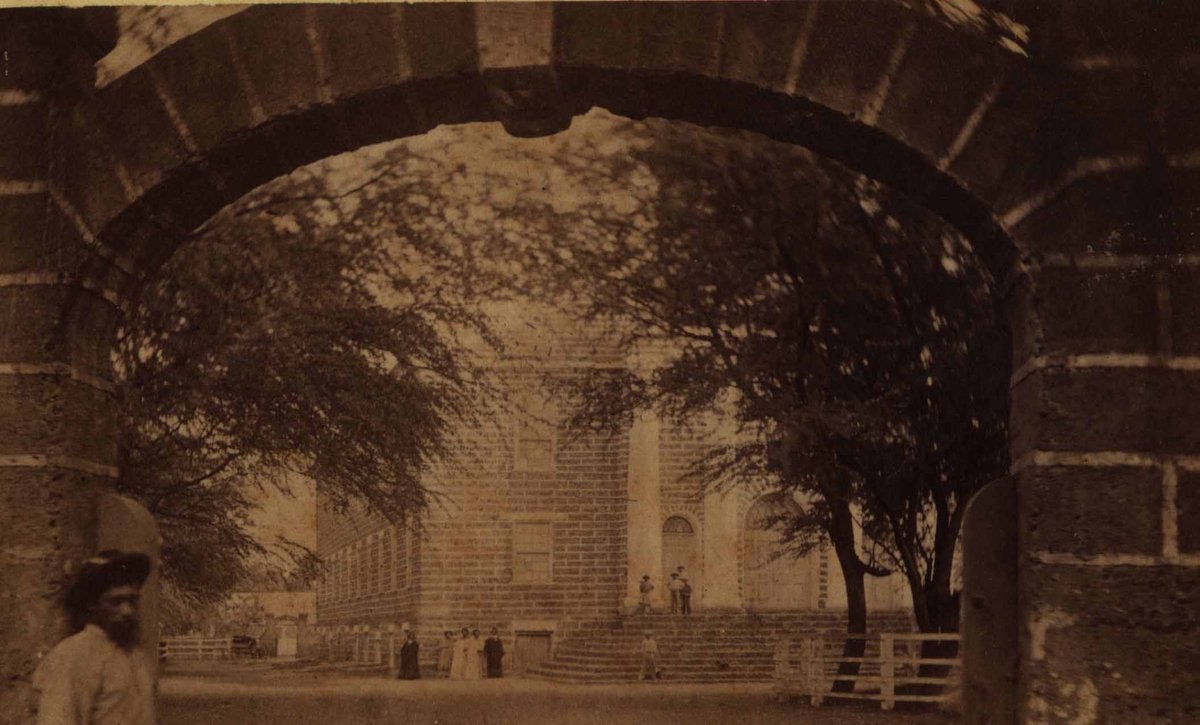
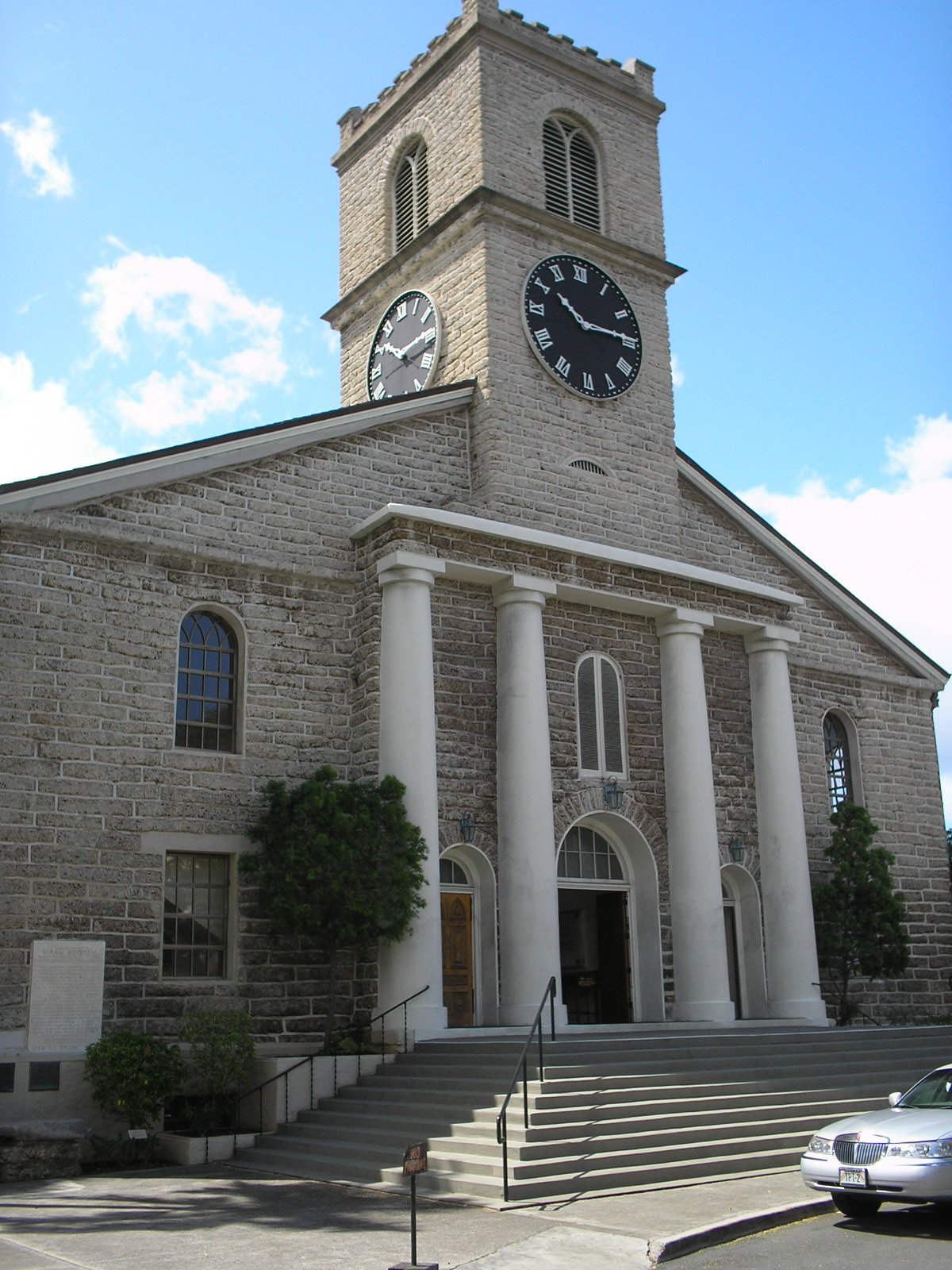
Between 1836 and 1842, Kawaiahaʻo’s iconic coral rock sanctuary was constructed using approximately 14,000 hand-chiseled coral blocks quarried by Native Hawaiian divers. This extraordinary feat of local craftsmanship, combined with New England-influenced neoclassical design elements such as Doric columns and a prominent bell tower, underscores the church’s architectural significance (SAH Archipedia; National Park Service).
Key features include:
- Thick coral walls (up to 33 inches) for stability and insulation.
- Imported materials such as windows, nails, and boards from Massachusetts, blending global and local resources.
- A clock tower installed in 1851 and a bell tower added in 1885, both visible throughout Honolulu’s skyline.
Royal Connections and National Significance
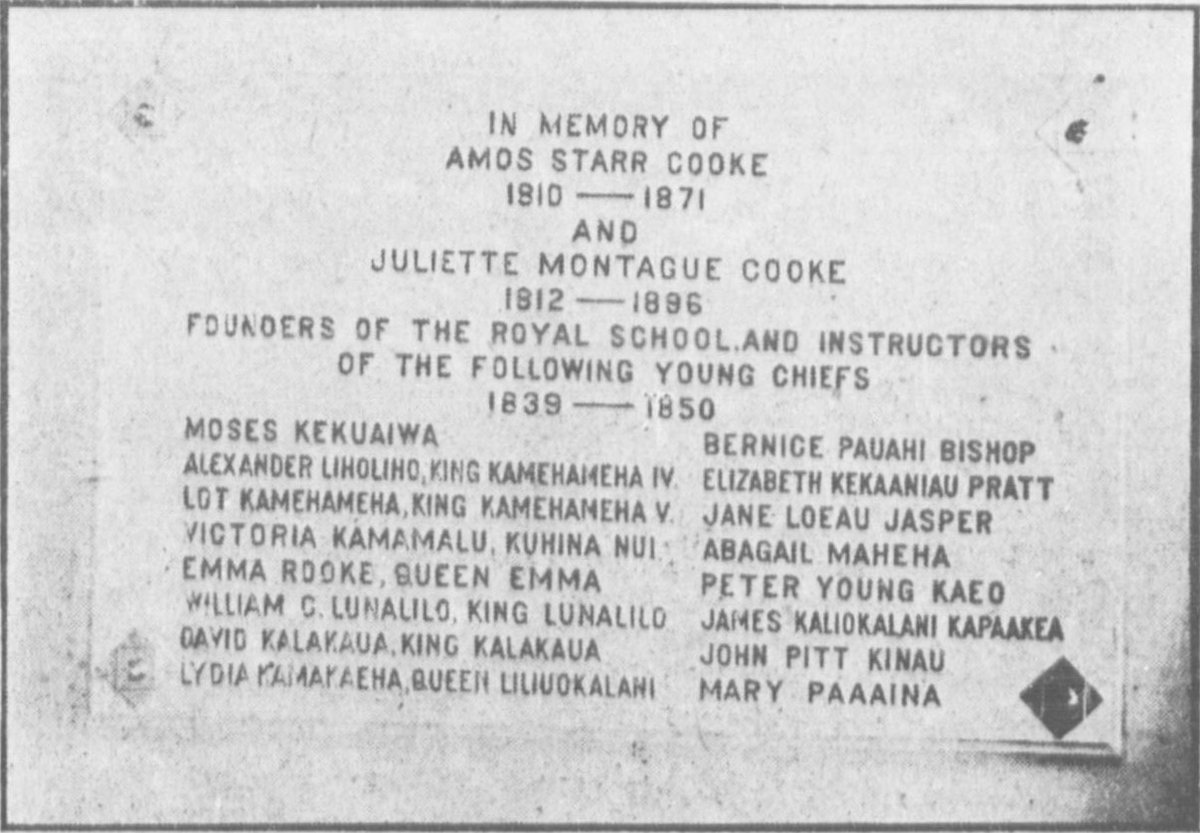
Kawaiahaʻo Church has long served as a spiritual home for Hawaiian royalty. Monarchs including Kamehameha III, IV, V, and King Kalākaua took their oaths of office here, while Princess Liliʻuokalani led the choir. The church hosted royal baptisms, funerals, and state ceremonies. The phrase “Ua Mau ke Ea o ka ʻĀina i ka Pono,” proclaimed by Kamehameha III at Kawaiahaʻo in 1843, became Hawaiʻi’s state motto (Hawaii Magazine; Lonely Planet).
The church grounds are also the resting place for notable royals, including Princess Ruth Keʻelikōlani and King Lunalilo, highlighting the sacredness of the site.
Evolution of Faith and Community
Initially the central chapel for the Hawaiian monarchy, Kawaiahaʻo Church is now part of the United Church of Christ and maintains its Congregationalist roots. Hawaiian-language services and hymnals remain integral to worship, preserving the islands’ linguistic and spiritual traditions. The church also plays a vital role in advocating for social justice, Hawaiian sovereignty, and cultural revitalization (Office of Hawaiian Affairs).
Visiting Kawaiahaʻo Church: Hours, Admission, and Tours
Location and Access
- Address 957 Punchbowl Street, downtown Honolulu.
- Access Walkable from Waikīkī, with nearby paid parking and public transit options (Go Hawaii; Lonely Planet).
Visiting Hours
- Monday–Saturday 9:00 AM – 4:00 PM
- Sunday Worship service at 9:30 AM; sanctuary open only for worship
Admission and Tickets
- Admission Free; donations encouraged to support preservation (Kawaiahaʻo Church Official Site)
- Tickets Not required for general visits; special events or group tours may require reservations.
Guided and Self-Guided Tours
- Guided Tours Available on select days; advance booking recommended for groups.
- Self-Guided Audio Tour Explore the grounds using QR codes for audio narratives (Kawaiahaʻo Church Historic Walking Tour).
Site Features and Self-Guided Experiences
Highlights of the church and grounds include:
- Great Stone Sanctuary Constructed from coral blocks, a marvel of Hawaiian craftsmanship.
- Kawaiahaʻo Fountain Commemorates the original sacred spring.
- Lunalilo’s Tomb Honors Hawaii’s first elected monarch.
- Historic Clock and Bell Tower Gifts from Hawaiian royalty, still operational.
- Royal Pews and Portraits Reserved seating and artwork paying homage to Hawaiian aliʻi.
- Mission Cemetery Final resting place for early missionaries and notable figures (Adventure Tours Hawaii).
Cultural Etiquette and Visitor Tips
- Dress Respectfully Modest attire is encouraged, especially for services.
- Photography Permitted without flash; avoid during worship or private events.
- Quiet Reflection Maintain a respectful demeanor in the sanctuary and on the grounds.
- Accessibility The sanctuary and most grounds are wheelchair accessible.
Nearby Attractions and Suggested Itineraries
Kawaiahaʻo Church is ideally situated for exploring downtown Honolulu’s historical corridor. Noteworthy sites within walking distance include:
- ʻIolani Palace The only royal palace in the U.S.
- Hawaiian Mission Houses Historic Site Museum tracing missionary and Hawaiian interactions.
- King Kamehameha I Statue Iconic symbol of Hawaiian unification.
- Honolulu Museum of Art Diverse collections and cultural exhibits.
Suggested Itinerary: Begin your day at Kawaiahaʻo, continue to ʻIolani Palace, enjoy lunch nearby, and spend the afternoon at the Mission Houses and museum.
Preservation and Recognition
Kawaiahaʻo Church has been a U.S. National Historic Landmark since 1962 and is listed on the National Register of Historic Places. Recent preservation efforts focus on restoring coral stone walls and the original bell, ensuring the church’s survival as a living symbol of Hawaiian heritage (National Park Service; Hawaii News Now).
Frequently Asked Questions (FAQ)
Q: What are the visiting hours?
A: Monday–Saturday, 9:00 AM–4:00 PM. Sunday, worship at 9:30 AM.
Q: Is there an admission fee or are tickets required?
A: Admission is free; donations are appreciated. No tickets required for general visits.
Q: Are tours available?
A: Yes. Guided tours may require advance booking; self-guided audio tours are available on-site.
Q: Is the church wheelchair accessible?
A: Yes, the sanctuary and most of the grounds are accessible.
Q: Can I take photos inside?
A: Yes, but avoid flash and be respectful during services.
Q: What other sites are nearby?
A: ʻIolani Palace, Hawaiian Mission Houses, King Kamehameha Statue, Honolulu Museum of Art.
Summary and Final Tips for Visiting Kawaiahaʻo Church
Kawaiahaʻo Church is a living embodiment of Hawaiʻi's complex history—a convergence of indigenous heritage, royal legacy, and missionary influence. Its coral stone architecture, royal connections, and ongoing community engagement make it an essential stop for anyone interested in Hawaiian culture. With free admission, accessible facilities, and a central location, it’s easy to integrate Kawaiahaʻo Church into any Honolulu itinerary.
For the most immersive visit, explore the self-guided audio walking tour, attend a Sunday bilingual service, and visit nearby landmarks to deepen your understanding of Hawaiʻi’s historical and spiritual landscape.
For current information on hours, events, and tours, consult the official Kawaiahaʻo Church website.