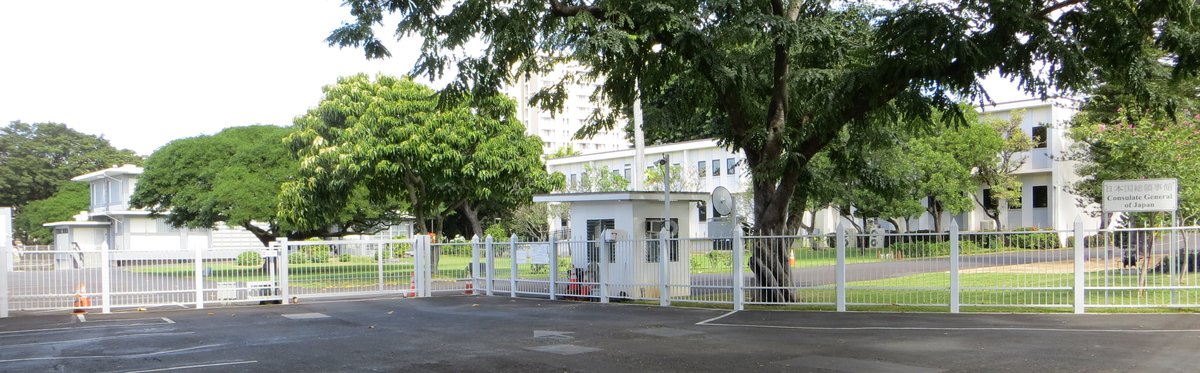

Early Foundations
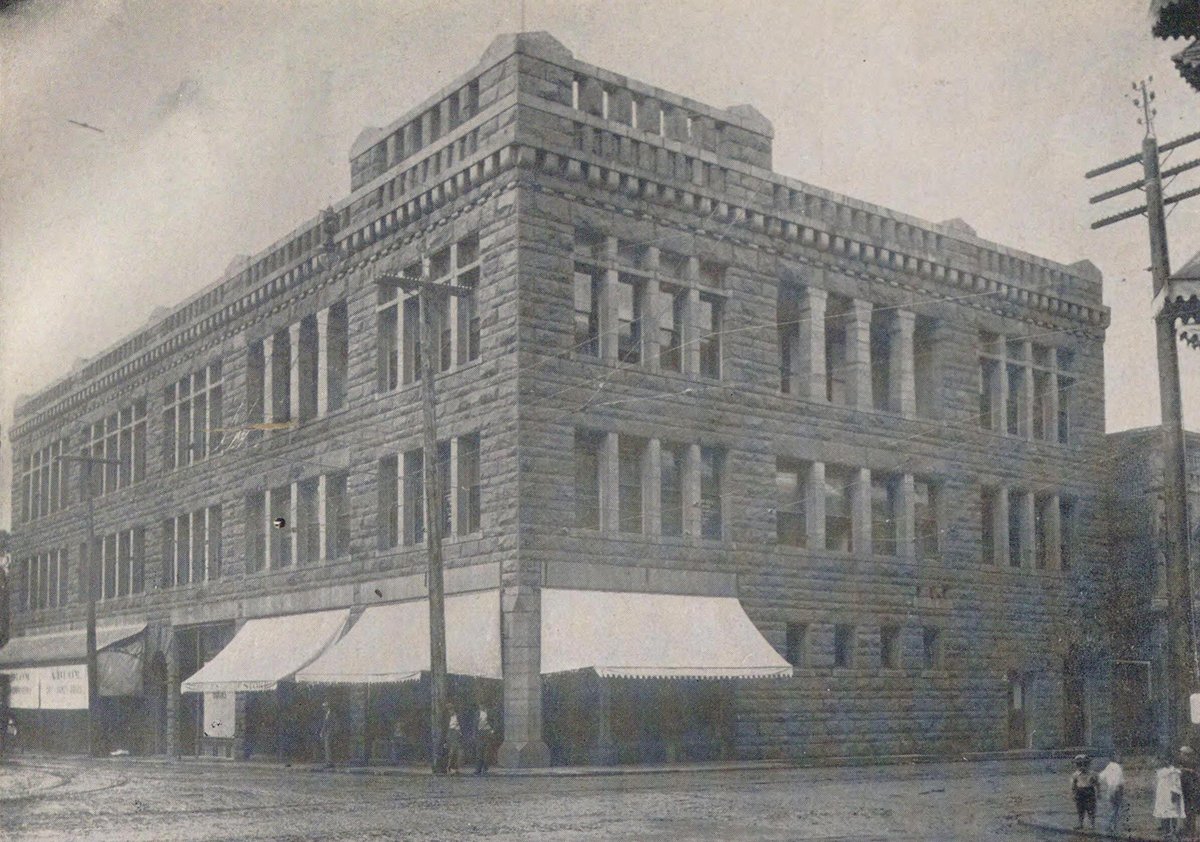
The consulate’s roots date to 1885, the beginning of government-sponsored Japanese labor migration to Hawaii. Established to protect the welfare of these workers, the consulate’s early responsibilities included mediating labor disputes, legal support, and acting as a liaison with local authorities (Consulate General of Japan, Honolulu).
Political Change and Evolution
Following the overthrow of the Hawaiian monarchy and Hawaii’s annexation by the United States, the consulate adapted to new diplomatic realities. It became a vital institution for upholding Japanese interests and assisting the growing Japanese community, especially during periods of restrictive immigration policies and rising anti-Japanese sentiment.
World War II and Aftermath
The consulate closed during World War II after the attack on Pearl Harbor, and its staff were interned or repatriated. Japanese residents in Hawaii faced martial law and suspicion, though mass internment was limited compared to the U.S. mainland. The consulate was reestablished postwar, resuming its role in rebuilding trust and supporting Japanese nationals (Star-Advertiser, 2025).
Growth and Cultural Diplomacy
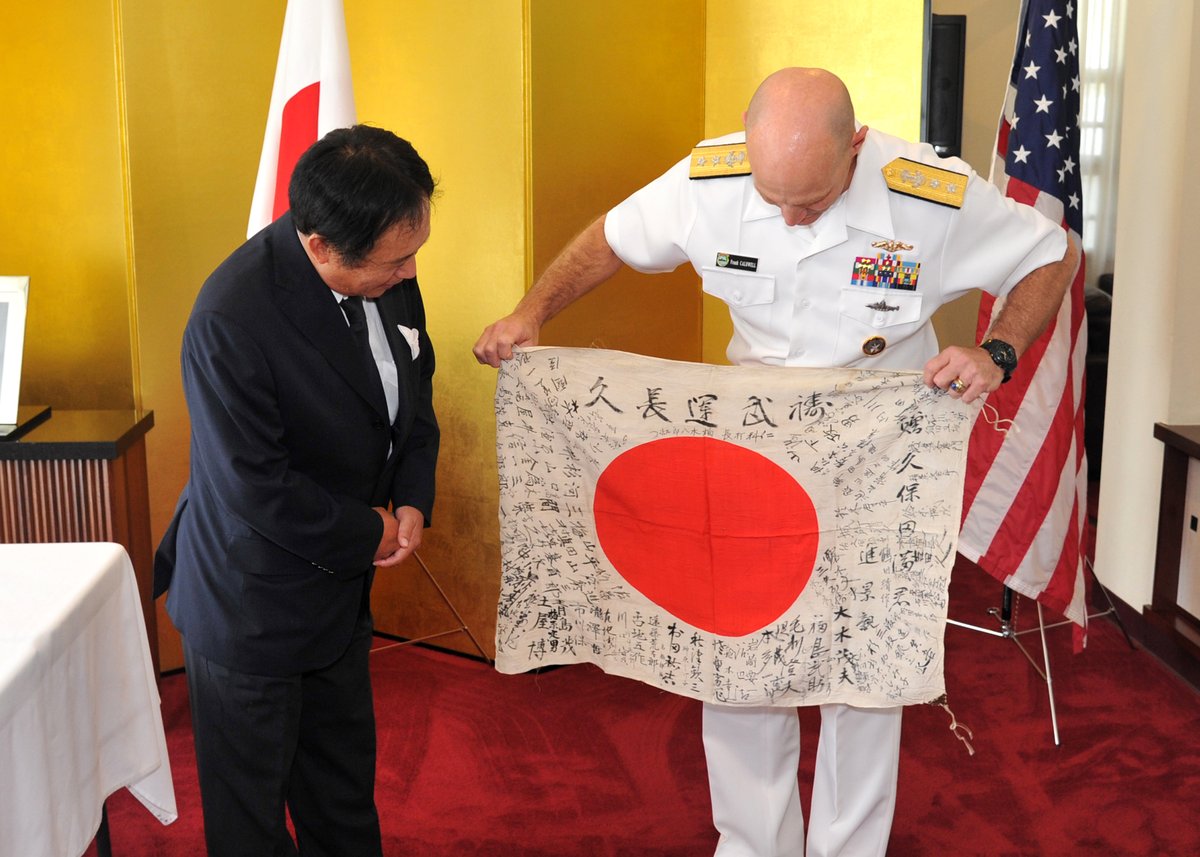
In the decades following WWII, the consulate became a center for cultural diplomacy, supporting Japanese language education, cultural festivals, and economic cooperation. It played a key role in promoting tourism and fostering sister city relationships, exemplified by partnerships like Honolulu-Uwajima and the consulate’s collaboration with organizations such as the Japan-America Society of Hawaii (Japan-America Society of Hawaii).
Recent Initiatives
Recently, the consulate has led efforts to facilitate travel and economic exchange. Notably, a 2025 agreement between Hawaii’s governor and the Consul General introduced expanded entry programs for Japanese visitors and new mobile passport controls (Star-Advertiser, 2025). The consulate also plays a role in commemorative events such as the Ehime Maru Memorial Ceremony (Japan-America Society of Hawaii).
Visiting the Consulate
Address and Hours
Location: 1742 Nuuanu Avenue, Honolulu, HI 96817
Hours: Monday–Friday, 8:00 a.m. to 4:30 p.m. (excluding U.S. and Japanese national holidays)
For the most accurate and up-to-date schedule, including holiday closures, consult the official consulate website.
Appointment and Entry Procedures
- Appointments Required for most consular services (visas, passports, notarial acts). Book online or by phone.
- Walk-ins Limited, subject to availability.
- Entry Present a valid photo ID at security; bags may be inspected. Large bags and electronics may be restricted or require special screening.
- Photography Prohibited inside the consulate.
Accessibility and Facilities
- Wheelchair Access Entrances and facilities are accessible.
- Language Support Staff are fluent in English and Japanese; multilingual brochures and signage are available.
- Visitor Assistance Contact the consulate in advance for interpretation or special needs.
Transportation and Parking
- By Car Limited on-site parking (first-come, first-served); metered street parking available.
- By Public Transit TheBus routes 4 and 6 stop nearby; HOLO Card accepted for fare payment.
- Taxi/Rideshare Uber, Lyft, and taxis can drop off at the entrance.
- Bike/Walk Bicycle racks on site; Biki bike-share stations nearby.
Health and Safety Protocols
- COVID-19 Mask-wearing is optional but recommended during high transmission; hand sanitizing stations available.
- Security Private security and surveillance on premises; the Nuuanu area is generally safe, but exercise caution after dark.
Nearby Attractions
Enhance your visit by exploring these nearby sites:
- Iolani Palace The only royal palace in the United States.
- Queen Emma Summer Palace Historic residence of Hawaii’s royal family.
- Honolulu Museum of Art Hawaiian and Asian art collections.
- Bishop Museum Center for Hawaiian history and culture.
- Chinatown Diverse dining, markets, and local shops.
For more details, see our related articles:
- Top Honolulu Historical Sites to Visit
- Japanese Cultural Festivals in Hawaii
- Travel Guide: Visiting Honolulu for First-Timers
Frequently Asked Questions (FAQ)
Q: What are the consulate’s visiting hours?
A: Monday–Friday, 8:00 a.m. to 4:30 p.m.; closed on holidays.
Q: Is an appointment required?
A: Yes, for most services. Walk-ins for general inquiries are limited.
Q: What documents do I need for entry?
A: A valid photo ID (passport or driver’s license) is required.
Q: Is the consulate accessible for people with disabilities?
A: Yes, facilities are wheelchair accessible.
Q: Is parking available?
A: Limited on-site and metered street parking nearby.
Q: Can I take photos inside?
A: No, photography is not allowed inside the consulate.
Q: Are there COVID-19 protocols?
A: Mask-wearing is optional; hand sanitizers are provided.