
History and Royal Origins
The Honolulu Zoo’s foundation is intertwined with Hawaii’s royal past. In 1876, King David Kalākaua designated 300 acres of royal land as Queen Kapiʻolani Park for public use, initially featuring fishponds, marshlands, and a racetrack. The king’s collection of exotic birds laid the groundwork for a celebrated aviary, which later expanded under city management after the monarchy’s overthrow. Officially established as a zoo in 1947, the park evolved to house mammals, reptiles, and birds, with notable early residents like Daisy the African elephant. Despite periods of disrepair, revitalization in the 1970s and 1980s ushered in a new era of naturalistic habitats and a strong conservation mission.
Zoo Layout and Thematic Zones
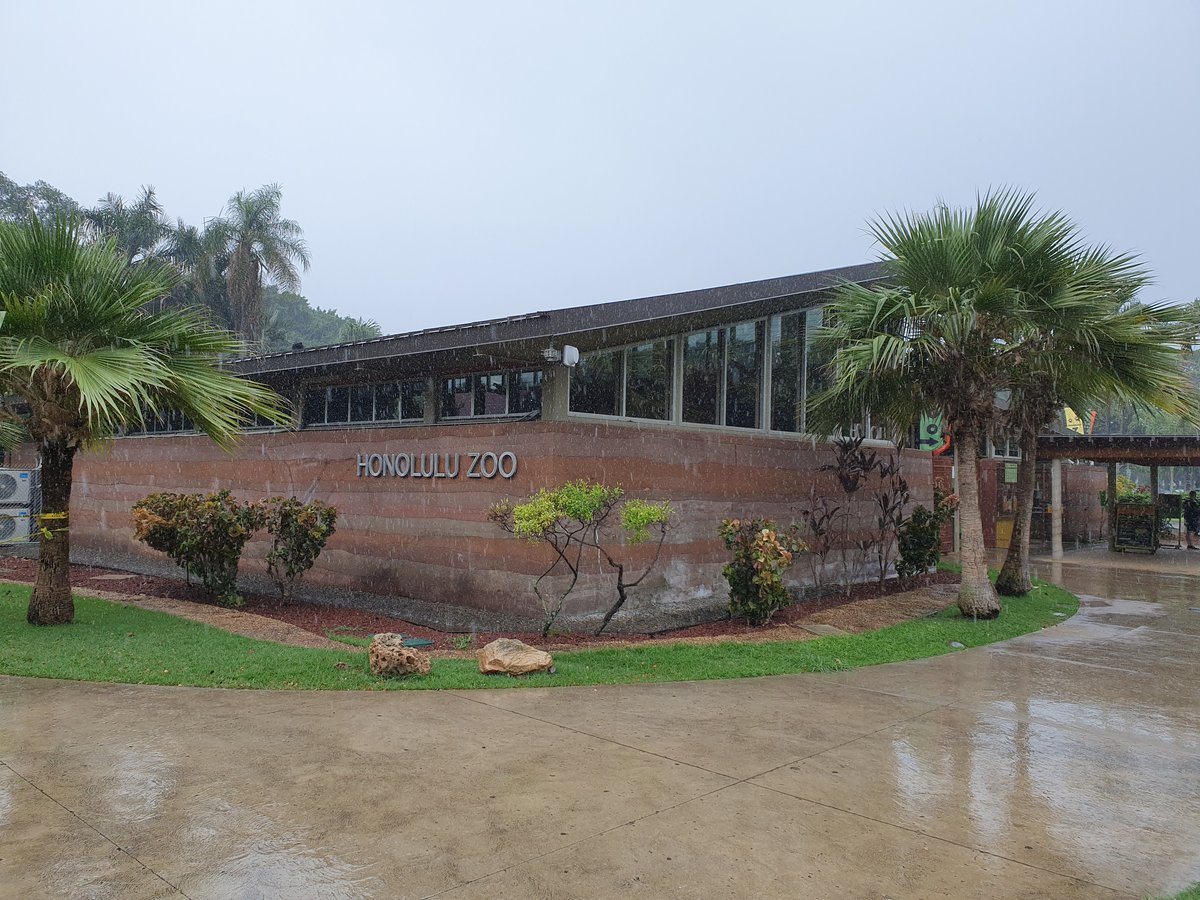
Covering 42 acres within Queen Kapiʻolani Park, the Honolulu Zoo is thoughtfully organized into four main thematic zones:
- African Savanna Replicates African grasslands, housing giraffes, zebras, lions, and elephants in open, mixed-species habitats.
- Tropical Forests Lush, shaded areas featuring primates, reptiles, and birds from Asia and the Americas.
- Pacific Islands Focuses on Hawaii’s unique biodiversity, including the nēnē and other island species.
- Children’s Zoo (Keiki Zoo) Interactive space for hands-on encounters with domesticated animals and engaging educational play areas.
A downloadable Honolulu Zoo map is available to help visitors plan their route.
Animal Collection and Signature Species
With approximately 1,230 animals representing 900+ species, the Honolulu Zoo emphasizes tropical and endangered species, as well as animals significant to Hawaii’s culture:
African Savanna
- African elephants
- Giraffes
- Zebras, lions, black rhinoceroses
- African penguins
Tropical Forests
- Sumatran tigers (critically endangered)
- Orangutans (part of Borneo conservation efforts)
- Komodo dragons
- Spider monkeys and other primates
Pacific Islands
- Nēnē (Hawaiian goose)
- Laysan teal, Marianas fruit dove
- South-East Asian river terrapin
Children’s Zoo (Keiki Zoo)
- Goats, ponies, guinea pigs, rabbits, chickens
- Animal encounters and educational playgrounds
Botanical Gardens and Native Plants
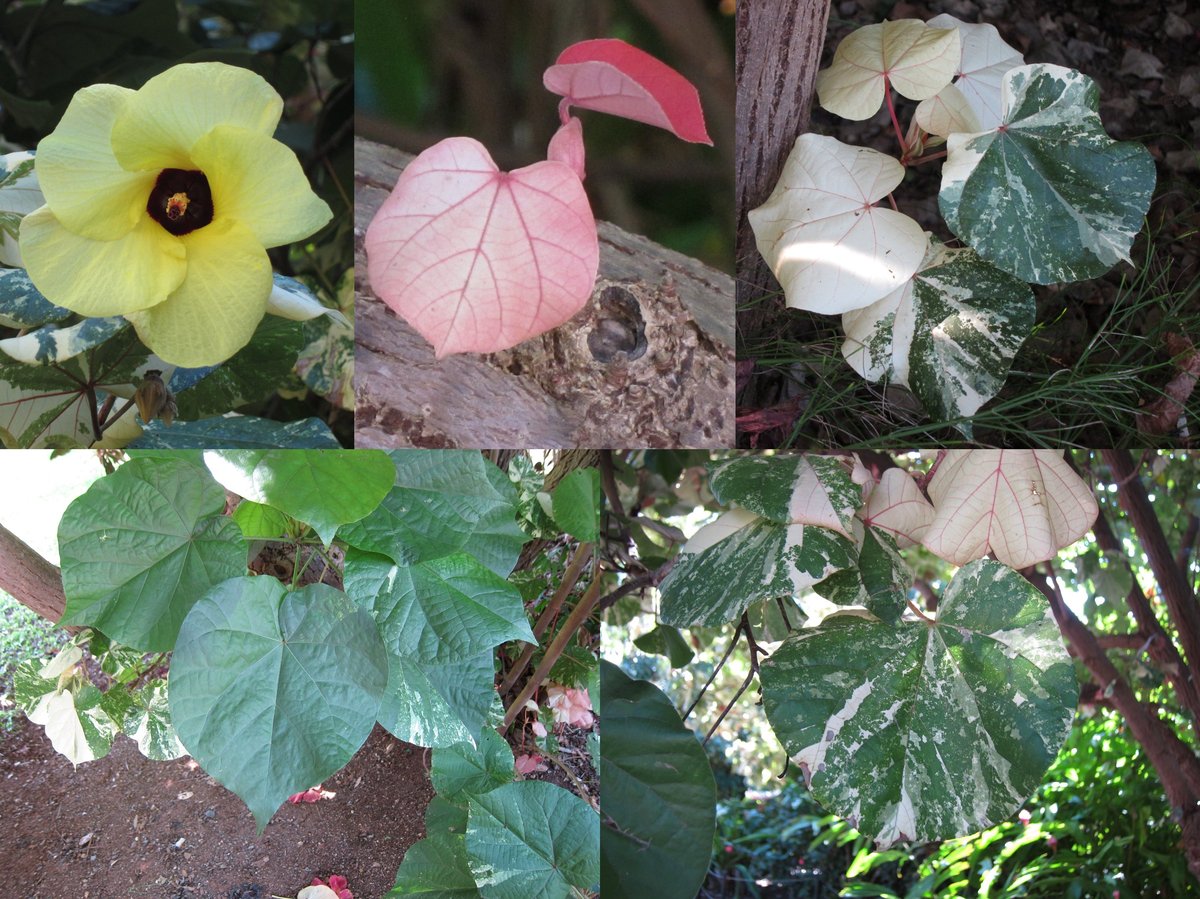
The zoo doubles as a living botanical garden, featuring native Hawaiian and Pacific plants such as hibiscus, hala, kou, lehua, and a’ali’i. These gardens offer educational insight into Hawaii’s flora and its cultural and ecological importance (source 2).
Conservation and Education Programs
The Honolulu Zoo is dedicated to inspiring stewardship of the natural world through:
- Zoo to You Outreach Public education on local species and invasive threats.
- Orangutan Outreach Supports reforestation and rehabilitation efforts in Borneo.
- Endangered Species Protection Breeding programs for nēnē, Sumatran tigers, black rhinos, and Komodo dragons.
- Saturday Morning Safari Tours Behind-the-scenes experiences highlighting animal care and conservation (source 4).
The zoo is a participant in the Association of Zoos and Aquariums (AZA) Species Survival Plan (SSP), collaborating globally to maintain genetically healthy animal populations (source 3).
Visitor Amenities and Facilities
- Dining On-site cafés and snack bars; picnic areas for those bringing nut-free food.
- Rest Areas & Shade Shaded benches and grassy lawns throughout.
- Playgrounds Spacious play areas for children.
- Gift Shop Souvenirs, educational toys, and local crafts.
- Restrooms & Water Stations Conveniently located.
- Accessibility Paved paths and ramps, wheelchair and stroller rentals available (source 3).
Visiting Hours and Ticket Information
| Information | Details |
|---|---|
| Location | 151 Kapahulu Ave, Honolulu, HI 96815 |
| Hours | Daily 9:00 AM – 4:30 PM (last entry 4:00 PM) |
| Admission | Adults (13–64): $19; Children (3–12): $11; Seniors (65+): $15; Under 3: Free |
| Tickets | Purchase online or at the gate |
| Facilities | Café, gift shop, snack bars, restrooms, playground, Education Center |
| Accessibility | Wheelchair/stroller accessible, shaded walkways, rentals available |
Honolulu residents with valid ID receive free admission. Special event hours may vary; check the website for updates.
Special Experiences and Events
- Twilight Tours After-hours exploration focused on nocturnal animal behavior (advance reservation required).
- Guided Walking Tours Family-friendly tours led by educators.
- Zoo Camp Programs Immersive camps for children during school breaks and summer.
- Wildest Show in Town Summer concert series with live music and family activities.
Visitor Tips and Etiquette
- Arrive Early Enjoy cooler temperatures and active animals.
- Plan Your Route Download the zoo map in advance.
- Stay Hydrated and Protected Bring water, sunscreen, and hats.
- Dress Comfortably Lightweight clothing and comfortable shoes are recommended.
- Respect the Animals Do not feed or disturb; keep noise levels low.
- Check Event Schedules For talks, feedings, and seasonal activities.
- Photography Personal photos encouraged; commercial photography requires approval.
- Combine Visits Nearby attractions include Waikiki Aquarium and Waikiki Beach.
Accessibility and Family Considerations
- Wheelchair/Stroller Rentals Available at the entrance on a first-come, first-served basis.
- Children’s Activities Keiki Zoo offers hands-on animal encounters.
- Restrooms & Changing Tables Located throughout the zoo.
- Accessibility Most paths are wheelchair and stroller friendly; contact the zoo for special arrangements (source 2).
Parking and Directions
- Zoo Parking Lot $1.50 per hour (four-hour maximum), located on Kapahulu Avenue.
- Waikiki Shell Parking Lot Free but limited, especially during busy times.
- Public Transit & Walking Easily accessible from Waikiki hotels.
- Disabled Parking Metered, unless holding a Disability Paid Parking Exemption Permit (source 3).
Future Challenges and Conservation Efforts
The Honolulu Zoo faces several ongoing challenges:
- Funding & Resources As a municipal institution, stable funding is vital for facility maintenance and staff retention (Hawaii Public Radio).
- Leadership & Accreditation Consistent direction is needed for AZA accreditation and long-term planning.
- Urban Constraints Expansion is limited by its Waikīkī location.
- Climate Change Conservation strategies are continually adapting to environmental threats (Biological Conservation).
Despite these challenges, the zoo remains committed to animal care, global conservation, and public education.
Frequently Asked Questions (FAQ)
Q: What are the Honolulu Zoo’s visiting hours?
A: Daily 9:00 AM – 4:30 PM; last entry at 4:00 PM.
Q: How much are tickets?
A: $19 for adults, $11 for children (3–12), $15 for seniors, under 3 free.
Q: Can I purchase tickets online?
A: Yes, via the Honolulu Zoo website.
Q: Is the zoo wheelchair accessible?
A: Yes, with paved paths and accessible facilities.
Q: Are pets allowed?
A: No, except for service animals.
Q: Are there guided tours?
A: Yes, including walking and twilight tours (advance booking recommended).
Q: Can I bring food?
A: Nut-free snacks are allowed; outside food with nuts is prohibited.
Discover More
The Honolulu Zoo is much more than a place to see wild animals—it is a living tribute to Hawaii’s royal heritage, a leader in conservation, and a welcoming space for education and family fun. Whether you're a resident or a visitor, planning ahead will help you enjoy a seamless and rewarding adventure. Use the official Honolulu Zoo website, download the Audiala app for interactive tours, and follow the zoo on social media for the latest news and events. Your visit directly supports wildlife conservation and educational outreach, ensuring future generations can experience Hawaiʻi’s living treasures.