
Airport History and Evolution
Early Foundations and Development (1925–1941)
HNL’s origins date back to 1925 when the Territory of Hawaii established an airfield on Oʻahu. Named John Rodgers Airport in 1927, it quickly became a hub of Pacific aviation innovation. The legendary 1925 Pan Pacific flight, though ending in a crash, set endurance records and solidified Honolulu’s role in aviation history (thishawaiilife.com). By the 1930s, the airport was expanding rapidly, supporting both civilian and military flights by the onset of World War II.
World War II and Military Transformation (1941–1946)
During World War II, the U.S. military took control of John Rodgers Airport, investing in major upgrades including extended runways, enhanced hangars, and advanced navigation. These improvements highlighted its strategic importance in the Pacific and set the stage for future growth. Civilian control resumed in 1946, and the airport was renamed Honolulu Airport (thishawaiilife.com).
Postwar Expansion and Internationalization (1946–1970s)
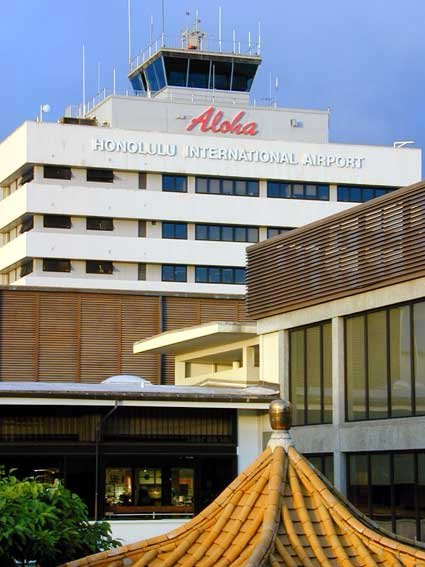
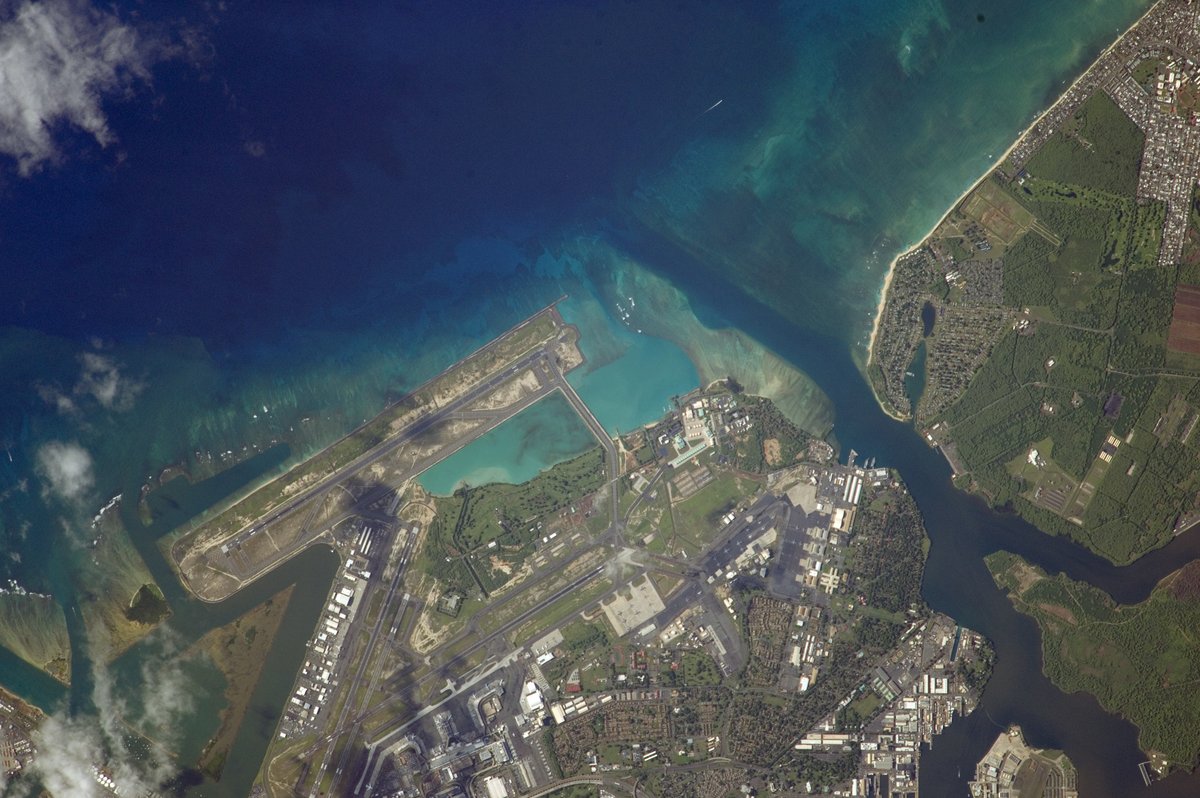
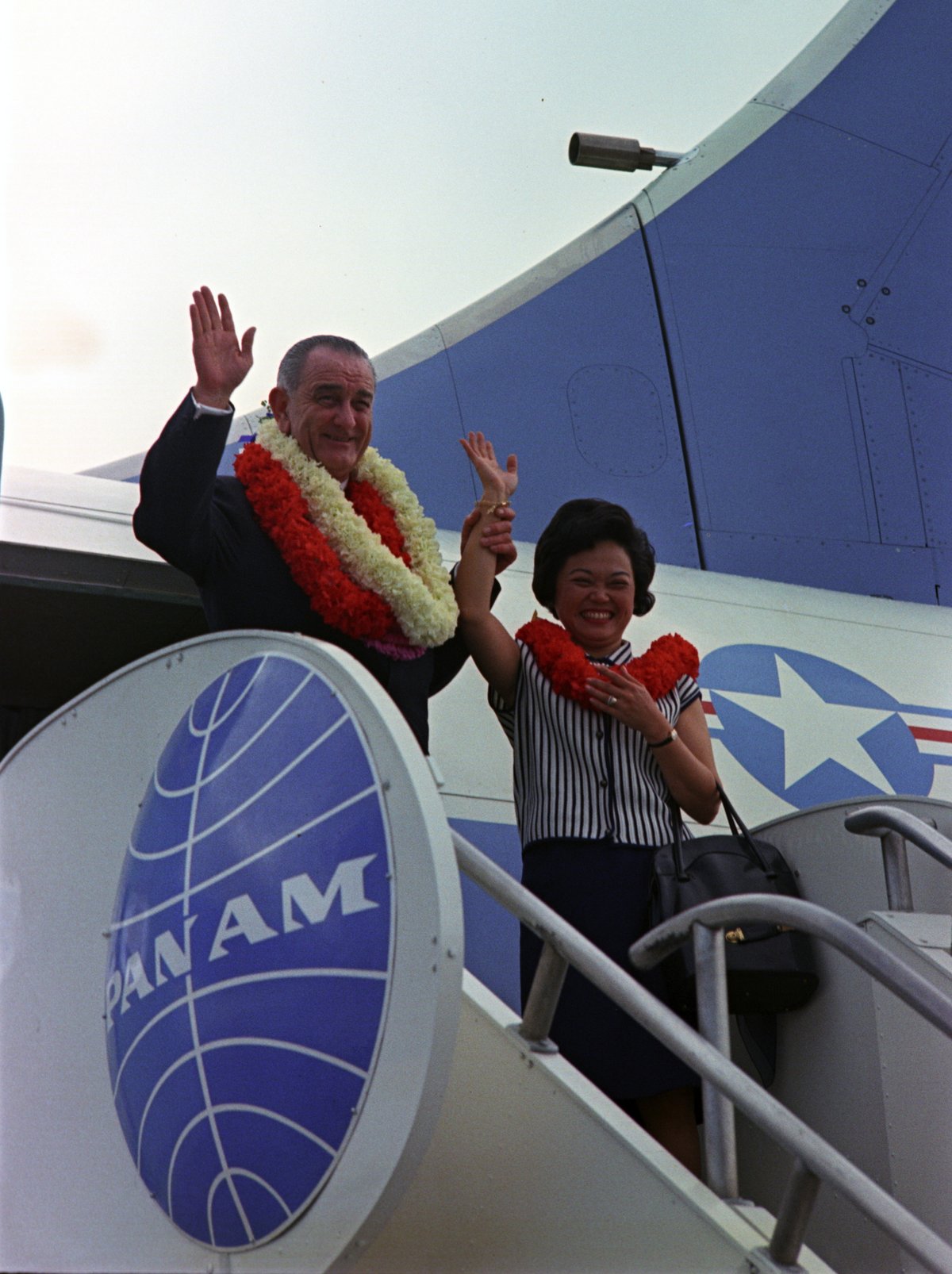
In 1951, “International” was added to the airport’s name, marking its rise as a global crossroads. Direct flights to the mainland U.S. and Asia became possible with new runways and a modern terminal (opened 1962) (thishawaiilife.com). A milestone was the construction of the Reef Runway in 1977—an engineering feat that created the world’s first major offshore runway (hidot.hawaii.gov).
Modernization and Growth (1980s–2010s)
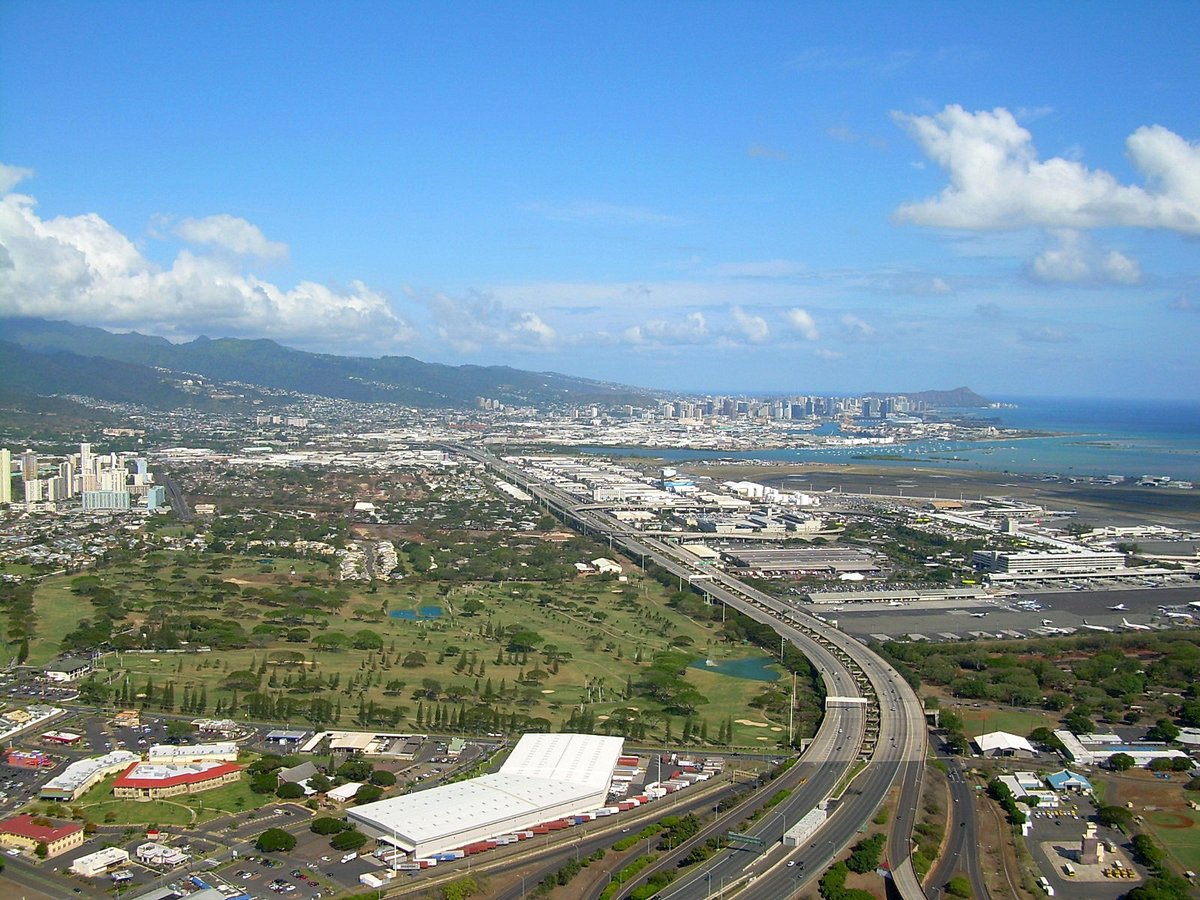
By the 1990s, HNL expanded to four runways over 4,200 acres, opening Terminal 1 in 1993 and introducing new amenities. The airport’s renowned Cultural Gardens, celebrating Hawaiian, Chinese, and Japanese heritage, became a tranquil oasis for visitors (hidot.hawaii.gov). Enhanced dining, shopping, and lounges reflect Hawaii’s multicultural identity and warm hospitality.
Honoring Daniel K. Inouye & Recent Modernization (2017–2025)
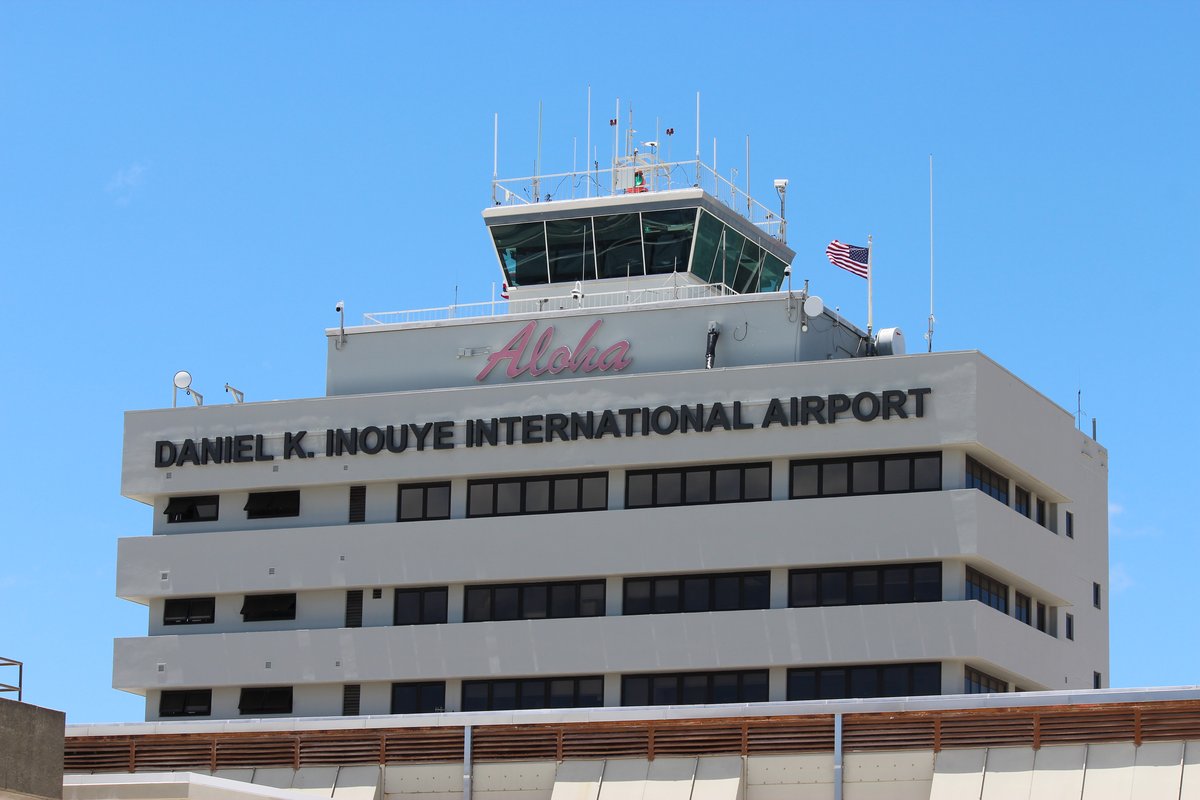
In 2017, the airport was renamed to honor the late Senator Daniel K. Inouye, a decorated World War II veteran and influential leader (hidot.hawaii.gov). Modernization continued with the $270 million Mauka Concourse (opened 2021), offering expanded gates and TSA lanes (hawaiinewsnow.com). Additional projects include a consolidated rental car facility and upgraded parking, lighting, and accessibility.
Visiting Hours, Ticket Information, and Travel Tips
- Visiting Hours HNL operates 24/7. Terminal businesses (shops, restaurants) typically open from 5 a.m. to 11 p.m.
- Ticketing All ticketing is handled directly by airlines via their websites, apps, or check-in desks. There is no general airport ticket counter.
- Travel Tips
- Book flights in advance, especially during peak seasons.
- Arrive at least 2-3 hours before departure.
- For ground transportation, options include taxis, rideshares, shuttles, and TheBus public transit.
- Parking is available in hourly, daily, and long-term lots. Accessible spaces are clearly marked.
- Free airport Wi-Fi and charging stations are available.
Airport Features and Amenities
Cultural Gardens: A Unique Oasis
HNL features three internationally recognized Cultural Gardens—Hawaiian, Chinese, and Japanese—designed by Richard C. Tongg in 1962 (Beat of Hawaii), (HNL Official).
- Chinese Garden Red pavilion, peace bridge, bamboo, and koi ponds.
- Japanese Garden Zigzag bridge, pagoda, lanterns, and carp-filled ponds.
- Hawaiian Garden Lava rock waterfalls, koi lagoons, indigenous plants, and luau torches.
- C.B. Lansing Garden Dedicated to Clarabell Lansing, located at Terminal 1.
These gardens, open to all, offer a quiet space and a preview of Hawaii’s multicultural legacy.
Dining, Shopping, and Lounges
- Local restaurants serve Hawaiian favorites such as poke bowls and plate lunches (The Tourist Checklist).
- Shops feature local products, gifts, and travel essentials.
- Multiple airline lounges are available for eligible travelers.
Accessibility and Transportation Options
- Accessibility HNL is fully ADA-compliant. Wheelchair assistance, accessible restrooms, and parking are provided. Visitor Information counters operate from 5:00 a.m. to 10:45 p.m. (HNL FAQ).
- Ground Transportation
- TheBus provides affordable public transit to Honolulu and Waikiki.
- Taxis and Rideshares (Uber, Lyft) pick up at designated zones.
- Rental Cars are located in a new consolidated facility.
- Parking options include hourly, daily, and long-term garages.
- Future Improvements The Honolulu Authority for Rapid Transportation (HART) rail line will connect HNL to downtown Honolulu starting in 2025 (SeatGuru).
Nearby Historical Attractions
Iolani Palace
The only royal palace on U.S. soil, Iolani Palace, built in 1882, served as the residence of Hawaii’s last monarchs. It is open Tuesday–Saturday from 9:00 a.m. to 4:00 p.m. (last admission 3:00 p.m.), with advance ticket purchase recommended (iolani-palace.org). Guided tours, exhibits, and audio guides are available. The palace is wheelchair-accessible and located at 364 South King Street, a short drive from HNL.
Pearl Harbor National Memorial & USS Arizona Memorial
The USS Arizona Memorial honors those lost in the 1941 attack. Open daily from 7:00 a.m. to 5:00 p.m. (closed Thanksgiving and Christmas), admission is free but shuttle boat tickets are required and should be reserved in advance during busy seasons (nps.gov). The site includes accessible facilities, guided tours, and additional attractions such as the Battleship Missouri and Pacific Aviation Museum.
Frequently Asked Questions (FAQ)
What are Daniel K. Inouye International Airport’s visiting hours?
The airport operates 24/7; business hours for shops and restaurants vary (generally 5 a.m.–11 p.m.).
How do I buy flight tickets?
Tickets are purchased directly from airlines by website, app, or at their designated counters.
Is the airport accessible for travelers with disabilities?
Yes, ADA-compliant services include wheelchair assistance, accessible restrooms, and marked parking.
Are the Cultural Gardens open to everyone?
Yes, the gardens are in public areas and accessible to all visitors.
How do I get to downtown Honolulu or Waikiki?
Options include TheBus, taxis, rideshares, shuttles, and (from 2025) the HART rail.
Where can I get more information?
Visitor Information counters are staffed daily; interactive maps and resources are on the HNL official site.
Visuals, Media, and Useful Links
- Interactive terminal maps and photo galleries are available on the official airport website.
- For virtual tours and video content about Iolani Palace and Pearl Harbor, visit their respective official sites (iolani-palace.org, nps.gov).
Summary and Final Travel Advice
Daniel K. Inouye International Airport is more than a transit point; it’s a symbol of Hawaii’s spirit, history, and hospitality. Its 24/7 operations, accessible facilities, and unique features like the Cultural Gardens create a memorable travel experience. With convenient transportation and proximity to extraordinary historical sites like Iolani Palace and Pearl Harbor, HNL is an ideal starting point for your Hawaiian journey.
To ensure a smooth visit:
- Check airline ticketing and terminal hours.
- Take advantage of accessible and public spaces like the Cultural Gardens.
- Plan excursions to nearby historical sites for a richer experience.
- Download the Audiala app for live updates, maps, and travel tips.
For further information, consult the HNL Official Site, Iolani Palace, and Pearl Harbor National Memorial.