Plan and listen to Bartlett Cooper House with Audiala.
Audio guide in your pocket, itinerary in your browser. Built for the way you actually visit.
Introduction
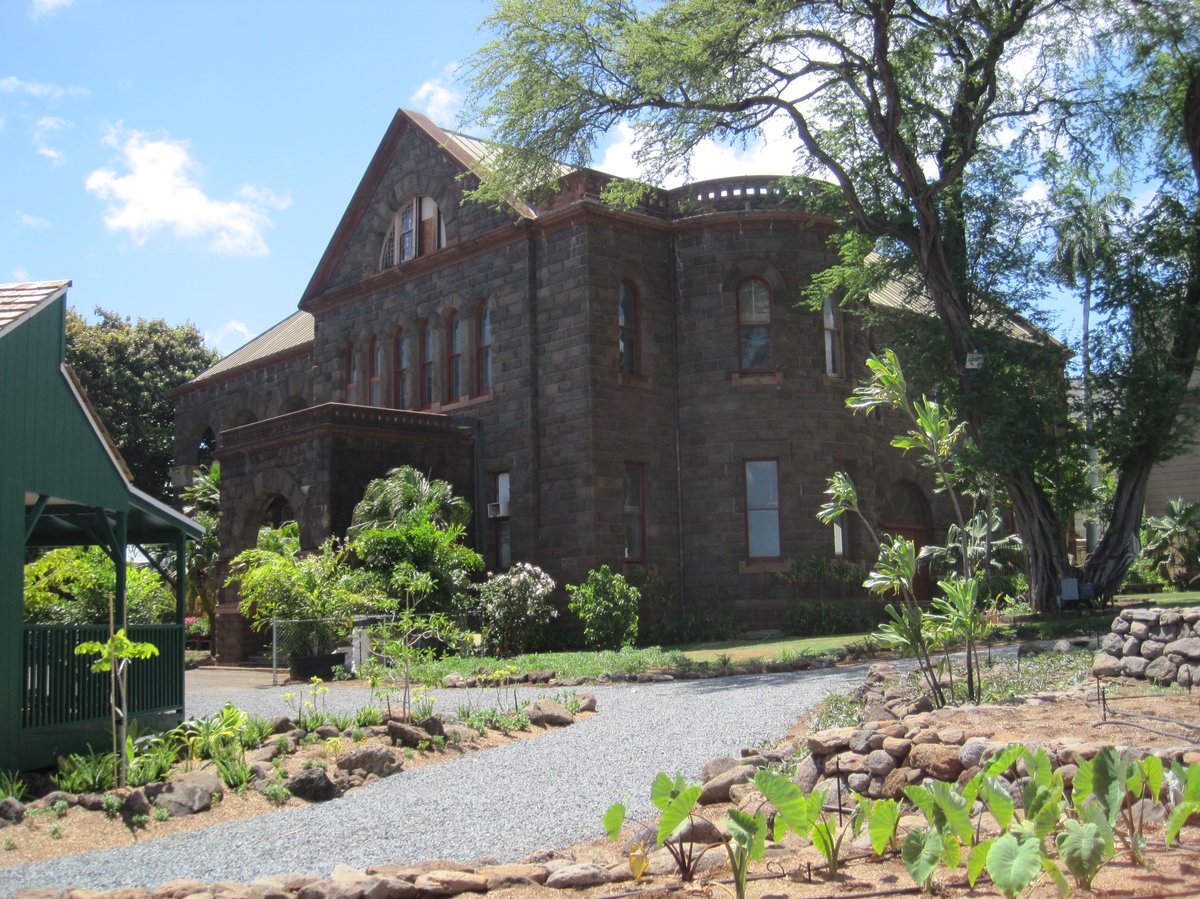
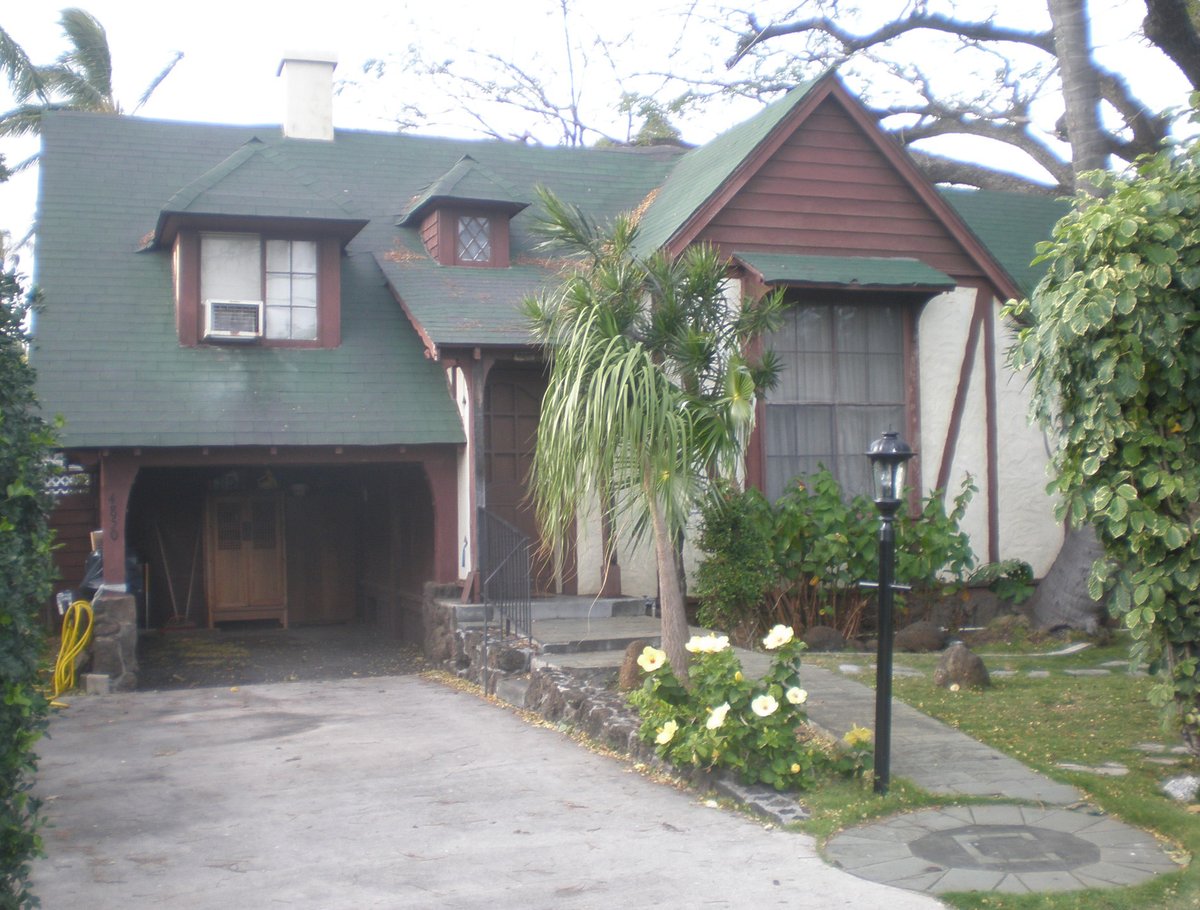
Nestled in one of Honolulu’s most storied neighborhoods, the Bartlett Cooper House stands as a distinguished emblem of Hawaii’s architectural and cultural evolution during the early to mid-20th century. This cherished residence showcases a distinctive blend of American Foursquare and Craftsman styles, locally adapted to the island’s tropical climate with features such as wide lanais, high ceilings, and indigenous woods like koa and ohia. Although the house’s interior remains private, its preserved exterior and setting within a tree-lined enclave near landmarks like ʻIolani Palace and the Bishop Museum make it a focal point for those interested in Honolulu’s history and urban development.
This guide explores the Bartlett Cooper House’s historical context, architectural features, and ongoing preservation efforts, and provides detailed visitor information—including hours, tickets, travel tips, and nearby attractions. Whether you are an architecture aficionado, a history enthusiast, or a cultural traveler, this article will help you appreciate the Bartlett Cooper House’s significance within Honolulu’s vibrant landscape. For further insights, consult the Historic Hawaii Foundation and the GoHawaii official visitor site.
- Historical Background
- Visiting Hours & Tickets
- Travel Tips
- Preservation Efforts
- Challenges in Preservation
- Frequently Asked Questions (FAQs)
- Architectural Context
- Visitor Experience & Accessibility
- Comparative Analysis with Other Landmarks
- Exploring Early 20th-Century Honolulu
- Nearby Attractions & Events
- Planning Your Visit
- Summary and Recommendations
- References

1. Historical Background
Early Development & Urban Context
The Bartlett Cooper House is a notable example of Honolulu’s residential architecture from the early 20th century, recognized by its inclusion in the Historic Hawaii Foundation’s registry. During this era, Honolulu’s architecture was characterized by the fusion of imported American styles with local adaptations—featuring wide lanais, pitched roofs, and the use of native materials to suit the tropical environment.
The Cooper Family
Named for Bartlett Cooper, the house reflects the aspirations of families who played important roles in Honolulu’s economic and civic life during a period of rapid modernization. While public biographical details about the Cooper family are limited, their presence is tied to Honolulu’s expanding urban fabric and evolving middle and upper-middle class.
Neighborhood Setting
Located in a historically significant district near downtown Honolulu, the Bartlett Cooper House sits among a collection of heritage homes that collectively narrate the city’s growth from a port town to a metropolitan hub. Tree-lined streets, proximity to cultural landmarks, and a diverse architectural landscape make the area a living record of Honolulu’s transformation (Historic Hawaii Foundation).
Architectural Features
While not all details are public, typical elements of homes like the Bartlett Cooper House include:
- Wide, covered lanais for ventilation and outdoor living
- Double-hung windows and transoms for airflow
- Local woods (koa, ohia) for floors and trim
- Stucco or shiplap siding
- Landscaped gardens featuring native and introduced plants
Preserving these features is crucial for maintaining historical authenticity.
2. Visiting Hours & Tickets
Current Status: The Bartlett Cooper House is a private residence, and regular interior tours are not available. There are no official visiting hours, and no tickets are required to view the home’s exterior from public sidewalks.
Special Opportunities: Occasionally, local organizations such as the Historic Hawaii Foundation or area heritage tour companies may include the Bartlett Cooper House’s exterior in their walking tours. Check their websites for the latest tour information.
3. Travel Tips
- Accessibility: The neighborhood is pedestrian-friendly with shaded, paved sidewalks. Some sidewalks are narrow; visitors with mobility aids should plan accordingly.
- Nearby Attractions: Explore ʻIolani Palace, Mission Houses Museum, Hawaii State Capitol, Bishop Museum, and Queen Emma Summer Palace—all within easy reach.
- Transportation: Public transit (TheBus), rideshares, taxis, and limited street parking are available.
- Best Time to Visit: Early mornings or late afternoons offer optimal lighting and cooler temperatures for walking and photography.
4. Preservation Efforts
The Historic Hawaii Foundation is instrumental in advocating for the preservation of the Bartlett Cooper House and similar properties. Their efforts include:
- Raising public awareness through tours and workshops
- Assisting with property listings on historic registers
- Providing guidance on restoration and adaptive reuse
- Promoting community stewardship and appreciation
Inclusion in local or state historic registers helps safeguard properties from inappropriate changes and provides eligibility for grants or incentives.
5. Challenges in Preservation
Key challenges include:
- Development Pressure: High demand for real estate and new construction in Honolulu
- Environmental Risks: Humid, salty air, termites, and storms
- Balancing Modernization: Integrating modern amenities without compromising historical integrity
Ongoing advocacy and public engagement are vital to overcoming these obstacles.
6. Frequently Asked Questions (FAQs)
Q: Can I tour the Bartlett Cooper House interior?
A: No, the house is a private residence and not open for interior tours.
Q: What are the visiting hours?
A: There are no official public hours; the exterior can be viewed from the street at any time.
Q: Are there guided tours?
A: Some local heritage tours may include the house’s exterior. Check with the Historic Hawaii Foundation for current offerings.
Q: Is there parking nearby?
A: Limited street parking is available; consider public parking at Kapiolani Park or near Diamond Head.
Q: How can I support preservation?
A: Join preservation organizations, attend heritage events, and advocate for historic protections.
7. Architectural Context
Historical Setting
Honolulu’s architecture is a tapestry of indigenous, Western, and Asian influences (e-a-a.com). The Bartlett Cooper House exemplifies early 20th-century adaptation of American Foursquare and Craftsman styles to Hawaii’s climate and culture (oldhouses.com).
Key Features
- Structural Form: Boxy two-story layout, hipped roof, and symmetrical facade
- Materials: Indigenous woods, local stone, and imported stylistic elements
- Climate Adaptation: Wide eaves, high ceilings, lanais for ventilation
- Cultural Motifs: Subtle Hawaiian patterns in woodwork and glass
Preservation and Adaptive Reuse
Many historic homes in Honolulu have found new purposes as museums or cultural centers, integrating sustainability upgrades while retaining their historic character (e-a-a.com).
8. Visitor Experience & Accessibility
- Accessibility: Streets are generally accessible, though some sidewalks may be narrow.
- Visitor Etiquette: Remain on public sidewalks, respect residents’ privacy, and avoid trespassing.
- Photography: Permitted from public areas; indoor photography is not applicable.
9. Comparative Analysis with Other Landmarks
- Queen Emma Summer Palace: Greek Revival elements adapted for Hawaii (gohawaii.com)
- Mission Houses Museum: Early 19th-century frame and coral-stone buildings, providing context for the evolution seen at Bartlett Cooper House (e-a-a.com)
10. Exploring Early 20th-Century Honolulu
Urban & Demographic Change
Honolulu’s population boomed following U.S. annexation in 1898, with waves of immigrants enriching the city’s diversity (Britannica).
Social Hierarchies & Community Life
Society was shaped by the “Big Five” families and vibrant immigrant communities (honolulu.com).
Architectural Trends
The Bartlett Cooper House and its contemporaries reflect a melding of Italian Renaissance, Mediterranean Revival, and Craftsman influences (Hawaii Magazine).
Cultural & Leisure Life
Theatres, museums, and public spaces such as the Hawaii Theatre and Kapiolani Park enriched public life (Hawaii Magazine).
11. Nearby Attractions & Events
- Diamond Head State Monument: Hike for panoramic views (Mapcarta)
- Kapiolani Park: Green spaces, zoo, cultural events (Best of Oahu)
- Shangri La Museum: Islamic art, guided tours (Mapcarta)
- Kahala Neighborhood: Upscale shopping and dining
- Waikiki & Ala Moana: Beaches, nightlife, shopping (The Hawaii Vacation Guide)
- Bishop Museum & Iolani Palace: Hawaiian history and culture (Next is Hawaii)
- Kaka’ako & Chinatown: Contemporary arts and cuisine (Next is Hawaii)
Events
June features King Kamehameha Day and the Pan-Pacific Festival—check Waikiki Beach Stays for details.
12. Planning Your Visit
Location: Near Diamond Head and Kahala (exact address not public). Access by car, rideshare, or public transit (Mapcarta).
Best Practices:
- Visit early or late for best light and fewer crowds
- Use public parking where available
- Respect private property and local residents
Nearby Food & Lodging: Waikiki and Kahala offer a range of dining and accommodation options (Next is Hawaii).
13. Summary and Recommendations
The Bartlett Cooper House exemplifies Honolulu’s rich blend of architectural traditions and social history. While interior tours are generally unavailable, its exterior and surrounding neighborhood are accessible for respectful viewing and photography. Support preservation by participating in community events and engaging with local organizations like the Historic Hawaii Foundation.
To enrich your visit:
- Explore nearby sites such as Diamond Head, Bishop Museum, and ʻIolani Palace
- Download the Audiala app for audio tours and the latest updates
- Review local event calendars to align your visit with cultural festivities
Embrace the opportunity to witness Honolulu’s multifaceted past, and help ensure its stories endure for generations.
Listen to the full story in the app
The whole Bartlett Cooper House,
told well.
Audio guides for 1,100+ cities across 96 countries. History, stories, and local insight — offline ready.
Verified, and shown.
Researched and written by the Audiala editorial team from historical records, architectural archives, and local expertise.
Researched from Wikidata, Wikipedia & official sources · fact-checked · How we make our guides →