
Origins and History
Land Reclamation and Early Development
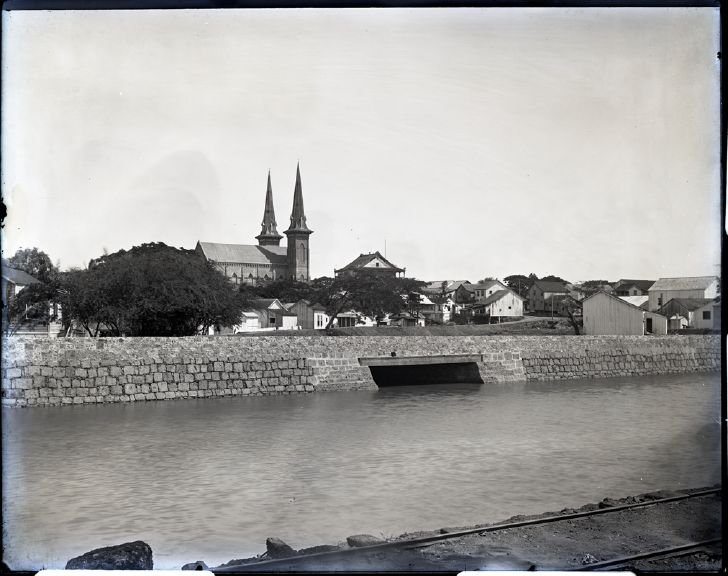
Ala Moana Center sits on what was once a marshy wetland along O‘ahu’s southern shore, between Waikīkī and downtown Honolulu. In 1912, Walter F. Dillingham purchased the land and, through his Hawaiian Dredging Company, reclaimed it using coral from nearby dredging projects. This transformation set the stage for future development (Wikipedia).
Following World War II, Honolulu’s urban growth inspired Lowell Dillingham to launch the Ala Moana Center project in 1948. Construction began in 1957, led by architect John Graham Jr. and developer Don Graham, whose innovative two-level, open-air design was initially met with skepticism but ultimately allowed for ongoing expansion and seamless integration with the island’s climate and culture (Wikipedia; SAH Archipedia).
Grand Opening and Growth
Opening in 1959, Ala Moana Center became the largest shopping mall in the U.S. at the time, coinciding with Hawaiʻi’s statehood. Its open-air design, lush landscaping, and inclusion of both local and international retailers quickly made it a centerpiece of community life (Wikipedia).
Subsequent expansions in the 1960s and beyond—like the addition of the Diamond Head wing, the Ala Moana Office Building with the La Ronde revolving restaurant, and multiple anchor stores—cemented its status as Honolulu’s retail and cultural heart (SAH Archipedia).
Architectural Vision and Evolution
Innovative Design
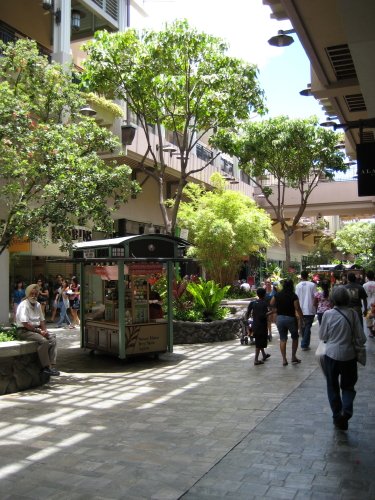
Ala Moana Center’s architecture reflects modern Hawaiian sensibilities and Asian Pacific influences. John Graham Jr.’s open-air concept was revolutionary, with wide promenades, open courtyards, and integration of natural light, trade winds, and native landscaping. Successive expansions maintained this ethos while adding top-tier retail and office spaces (bestattractions.org; PBR Hawaii).
Landscape Architecture
The center’s lush outdoor spaces feature native Hawaiian and tropical plants, transitioning from coastal to mountain species. Water features such as koi ponds and flowing concourses add to the tranquil, resort-like atmosphere, while also reflecting Japanese design motifs (SAH Archipedia; PBR Hawaii).
Cultural Significance and Community Role
Name and Meaning
The name "Ala Moana" translates to "Path to the Ocean" in Hawaiian, signifying its connection to both the natural landscape and the community.
A Cultural Beacon
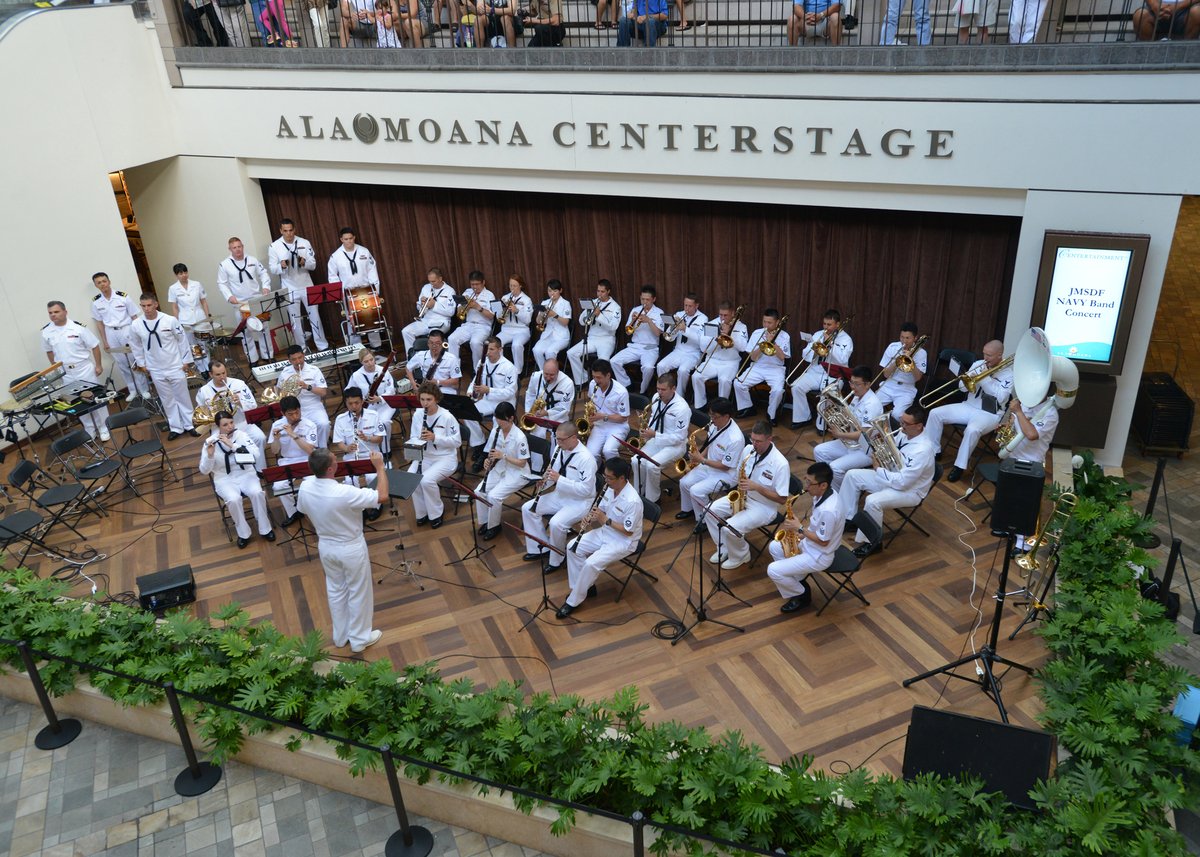
Ala Moana Center is a vibrant hub for Hawaiian and multicultural expression. Daily hula performances, concerts by the Royal Hawaiian Band, and regular cultural festivals take place at the Centerstage amphitheater, reinforcing the center’s role as a gathering place (Brookfield Properties; islands.com).
Art and Public Spaces
The mall was among the first in Hawaii to incorporate modern sculpture and public art, featuring works by renowned artists such as George Tsutakawa and Edward Brownlee. The Ala Moana Art Walk guides visitors through a multimillion-dollar collection of sculptures and installations (SAH Archipedia).
Visiting Hours, Tickets & Accessibility
- Visiting Hours Monday–Saturday: 9:30 AM–9:00 PM; Sunday: 10:00 AM–7:00 PM. Hours may vary on holidays and for specific stores/events—check the official website for updates.
- Tickets Admission is free; no tickets are needed to enter or enjoy most events.
- Accessibility The center features ramps, elevators, accessible restrooms, and parking. Wheelchairs and strollers are available for rent at Guest Services (hawaii-guide.com).
- Family-Friendly Family restrooms, a nursing lounge, a children’s play area, and stroller rentals are available.
Getting to Ala Moana Center
- Address 1450 Ala Moana Boulevard, Honolulu (Ala Moana Center Visit)
- By Foot A 20-minute walk from Waikīkī.
- By Bus Honolulu's TheBus and Waikīkī Trolley’s Pink Line stop at the center.
- By Car Over 11,000 parking spaces, including valet and EV charging stations.
- Rideshare/Taxi Clearly marked pick-up/drop-off points.
Shopping, Dining, and Experiences
Shopping
With more than 350 shops, Ala Moana Center offers luxury boutiques (Chanel, Gucci, Louis Vuitton), major department stores (Nordstrom, Macy’s, Bloomingdale’s), and local Hawaiian boutiques (Martin & MacArthur, ‘Auana Quilts). International visitors may qualify for tax-free shopping—ask at Guest Services (Hawaii.com Visitor’s Guide).
Dining
There are over 160 dining options, from the Makai Market Food Court to upscale venues like Mariposa and Vintage Cave Club. Choices range from local plate lunches and sushi to international cuisine and signature cocktails (Oahu Activities).
Events, Art, and Entertainment
- Cultural Performances Free hula shows and live Hawaiian music at Centerstage.
- Workshops Lei making, art classes, and cultural demonstrations (check events calendar).
- Art Walk A curated route highlighting public art installations.
- Seasonal Events Makers Markets, festivals, and special sales throughout the year.
Tips for a Memorable Visit
- Best Times Weekday mornings for a quieter experience; weekends and event days for lively performances.
- Dress Lightweight, breathable clothing and comfortable shoes are recommended.
- Weather Bring sunscreen, water, and a compact umbrella; the open-air design means exposure to the elements.
- Stay Connected Free Wi-Fi and digital directories throughout the center.
- Plan Ahead Review the mall directory and event calendar before visiting.
Nearby Attractions and Historical Sites
- Ala Moana Beach Park Across the street, offering swimming and ocean views.
- Iolani Palace The only royal palace in the U.S., a short drive away.
- Bishop Museum Hawaii’s premier natural and cultural history museum.
- Waikīkī Beach Iconic destination within walking distance.
- Hawaii State Capitol & Honolulu Museum of Art Add depth to your cultural itinerary (Visit Honolulu).
Sustainability and Modernization
Ala Moana Center is a leader in sustainable tourism, operating a massive solar photovoltaic system and achieving 100% landfill diversion in 2018. Its ongoing modernization ensures a balance between tradition and environmental responsibility (Brookfield Properties).
Safety & Visitor Services
- Security 24/7 patrols, emergency call boxes, and lost-and-found at Guest Services.
- Restrooms Accessible and family restrooms on all levels.
- ATMs & Currency Exchange Available throughout the center.
- Post Office Located on-site for mailing needs.
Frequently Asked Questions (FAQ)
Q: What are the Ala Moana Center visiting hours?
A: Monday–Saturday 9:30 AM–9:00 PM, Sunday 10:00 AM–7:00 PM. Check the official website for updates.
Q: Is there an admission fee or tickets required?
A: No, admission is free. Some workshops or special events may require separate registration or tickets.
Q: Is Ala Moana Center accessible?
A: Yes, with ramps, elevators, accessible restrooms, and services for guests with disabilities.
Q: Are there guided tours?
A: Yes, guided shopping and cultural tours are available periodically; check the events calendar or inquire at Guest Services.
Q: What nearby attractions can I visit?
A: Ala Moana Beach Park, Iolani Palace, Bishop Museum, Waikīkī Beach, and more.