Place
United States of America Updated Oct 2026
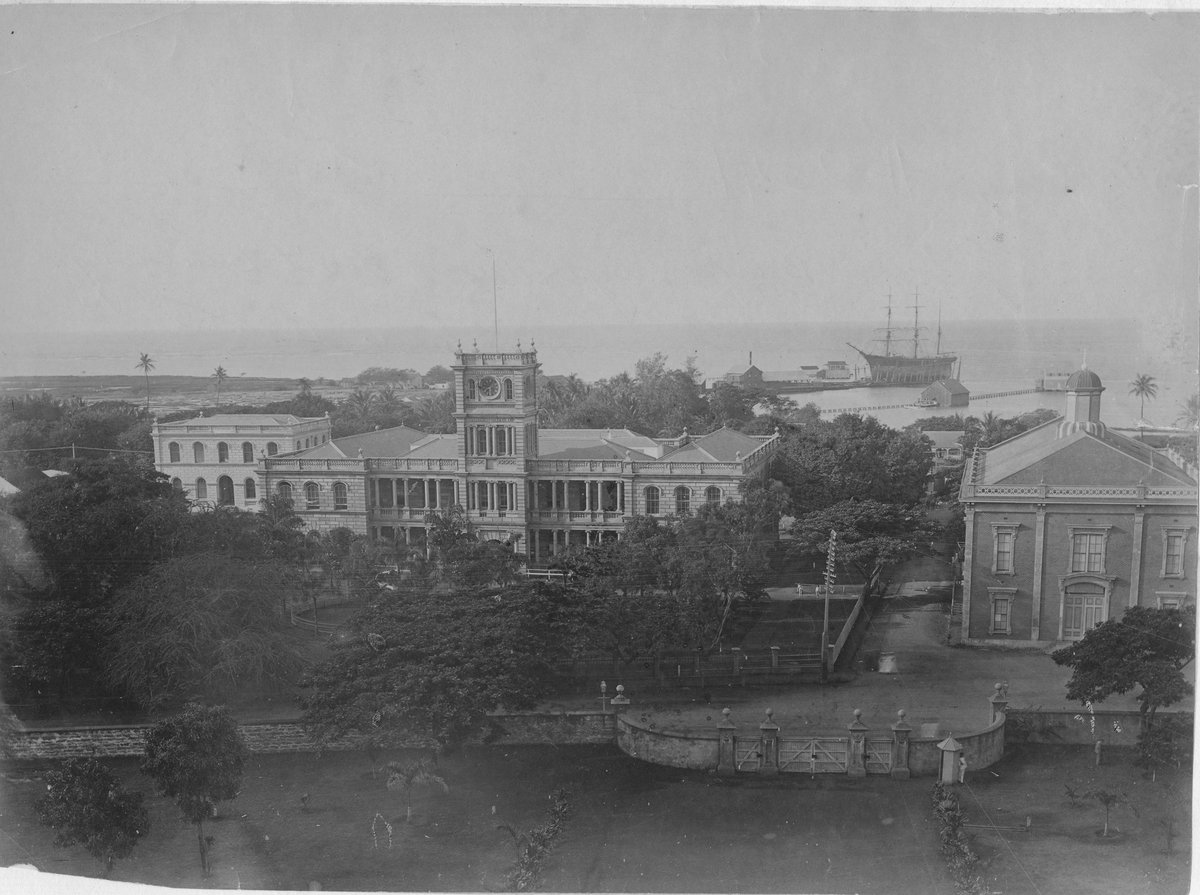
Honolulu, in the United States, keeps a royal palace at the heart of its modern capital: ʻIolani Palace, completed in 1882, stands among government buildings and busy streets. A few miles away, Waikīkī’s salt air and surf breaks sit beneath the volcanic profile of Diamond Head. The contrast is the point.
 Photo: Farragutful · CC BY-SA 4.0
Built from cited sources · see the method · How we make our guides →
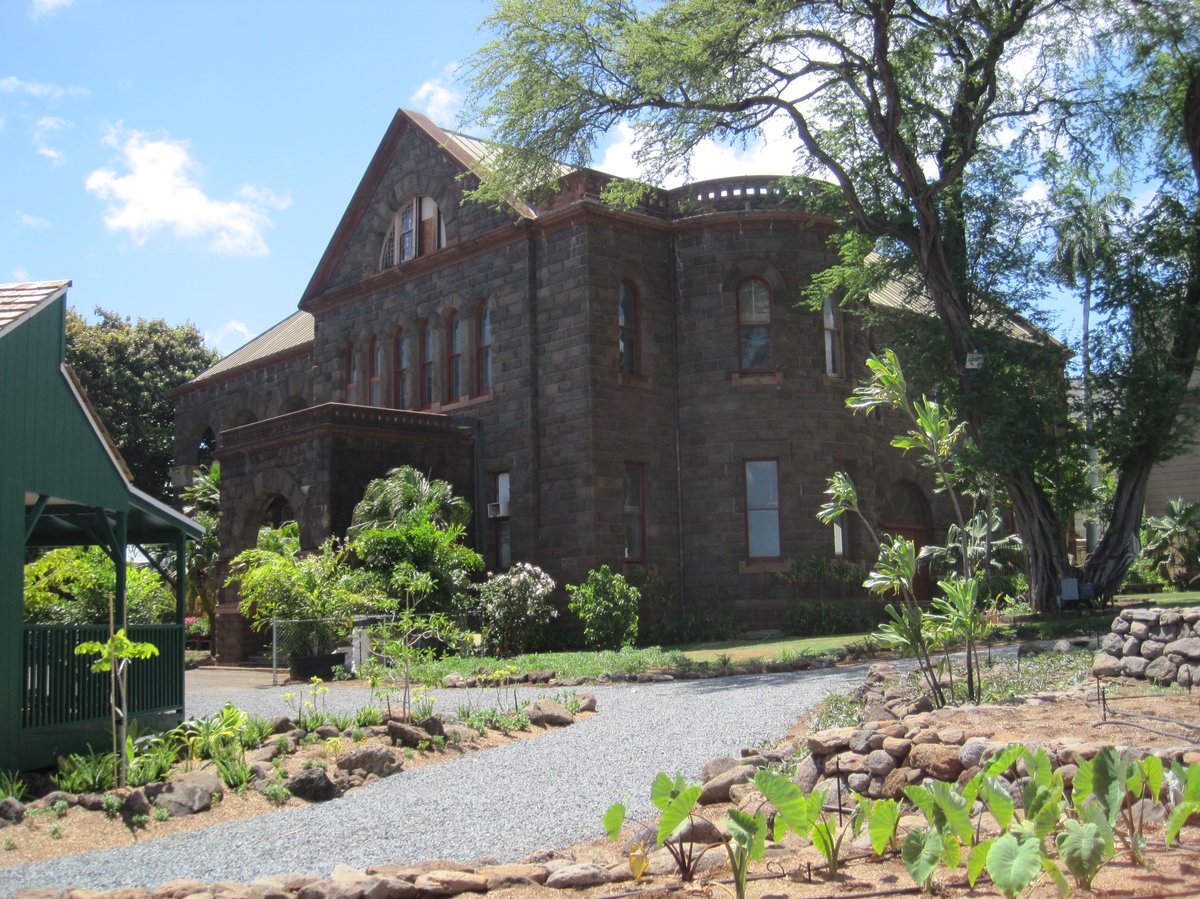
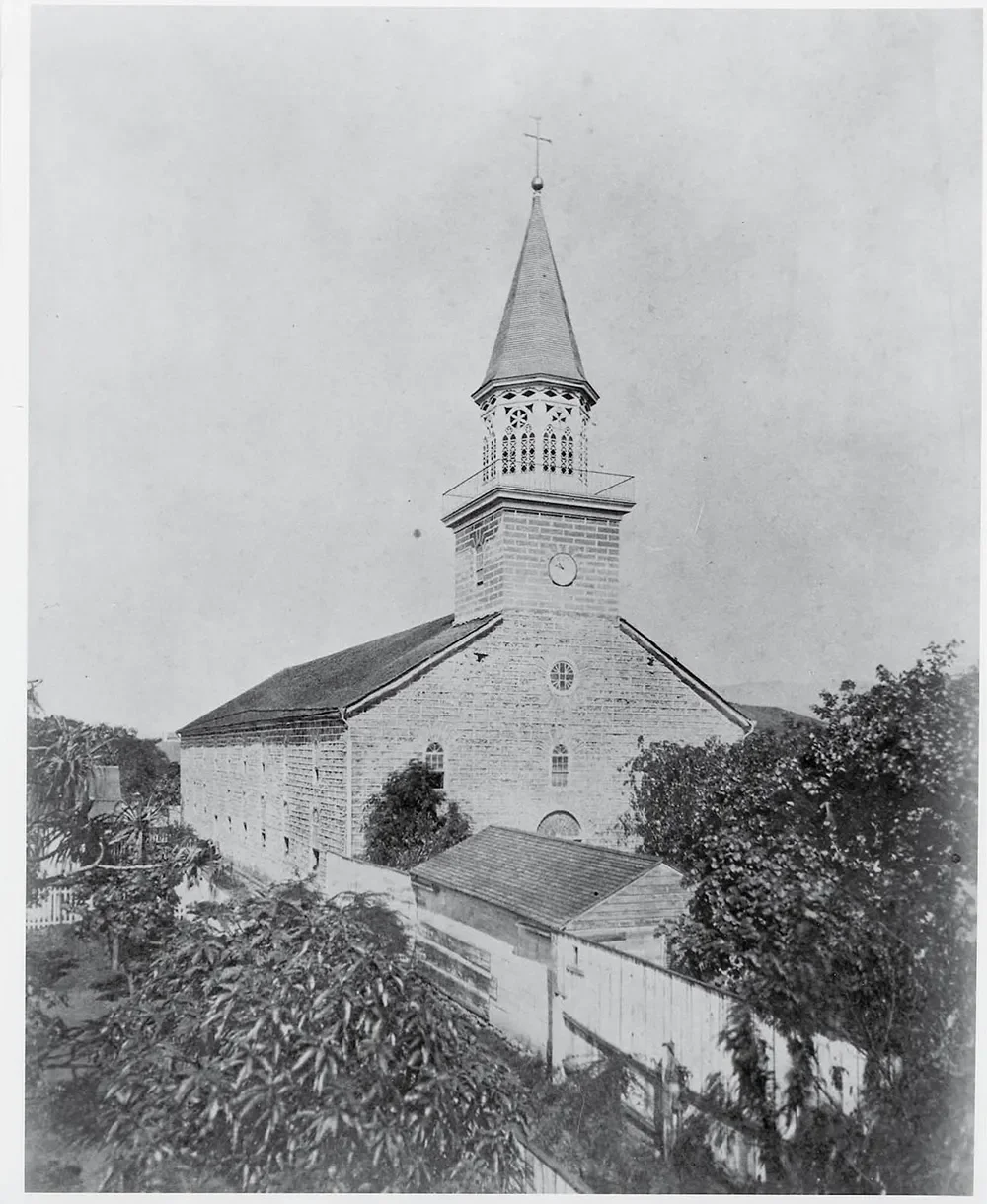
Honolulu’s history is written in buildings you can walk between. At ʻIolani Palace, the Throne Room and the small room where Queen Liliʻuokalani was imprisoned after the 1893 overthrow make the Kingdom of Hawaiʻi feel close, not ceremonial; nearby, Kawaiahaʻo Church was built from 14,000 coral slabs quarried by Hawaiian divers.
The city’s food tells another history: plantation-era exchanges among Native Hawaiians and immigrants from China, Japan, Portugal, the Philippines and Korea. Chinatown’s produce stalls and dim sum counters sit alongside newer restaurants and galleries, while a plate lunch—rice, macaroni salad and a generous portion of meat—remains a local shorthand for a satisfying meal.
Honolulu rewards a change of pace. Follow the shoreline for surf and sunset sails, then trade the glare of the beach for the cool shade of Foster Botanical Garden or the rainforest trail up Mānoa Valley. This is a capital city with an ocean at its edge, but its deeper character comes into focus on foot, one neighborhood and one layer of history at a time.
Not every monument, just the ones we'd walk you past ourselves.

Where to wander, by quarter — each with its own rhythm.
Before you go
Curated from places in this city. Same price as official sites.


Prices shown are indicative — final pricing and availability are confirmed at checkout. Audiala may receive a commission from bookings made via these links.
From an Oʻahu settlement to a capital shaped by sovereignty, war, and renewal
Archaeological evidence places permanent Polynesian settlement on Oʻahu by around the 13th century. The sheltered inlet and low coastal plain known as Kou would become Honolulu, where fishing and irrigated kalo fields sustained communities long before ships from abroad appeared.
Born on Hawaiʻi Island around 1758, Kamehameha I later conquered Oʻahu and made Honolulu a seat of royal power. His attention to the deep harbor helped turn a coastal settlement into a place where Hawaiian politics and overseas trade would meet.
Kamehameha’s forces defeated the Oʻahu ruler Kalanikūpule in the Battle of Nuʻuanu, above Honolulu. Accounts describe defenders driven over the Pali cliffs; the victory brought Oʻahu under Kamehameha’s rule and advanced the unification of the islands.
Kamehameha I moved his court to Honolulu, drawn by its protected harbor and growing commerce. Royal canoes and visiting merchant ships now shared the water, giving the town new weight in the affairs of the islands.
American Protestant missionaries arrived aboard the Thaddeus and established their first Hawaiian mission in Honolulu. Schools, churches, and a printing press soon added new sounds and arguments to the town’s streets.
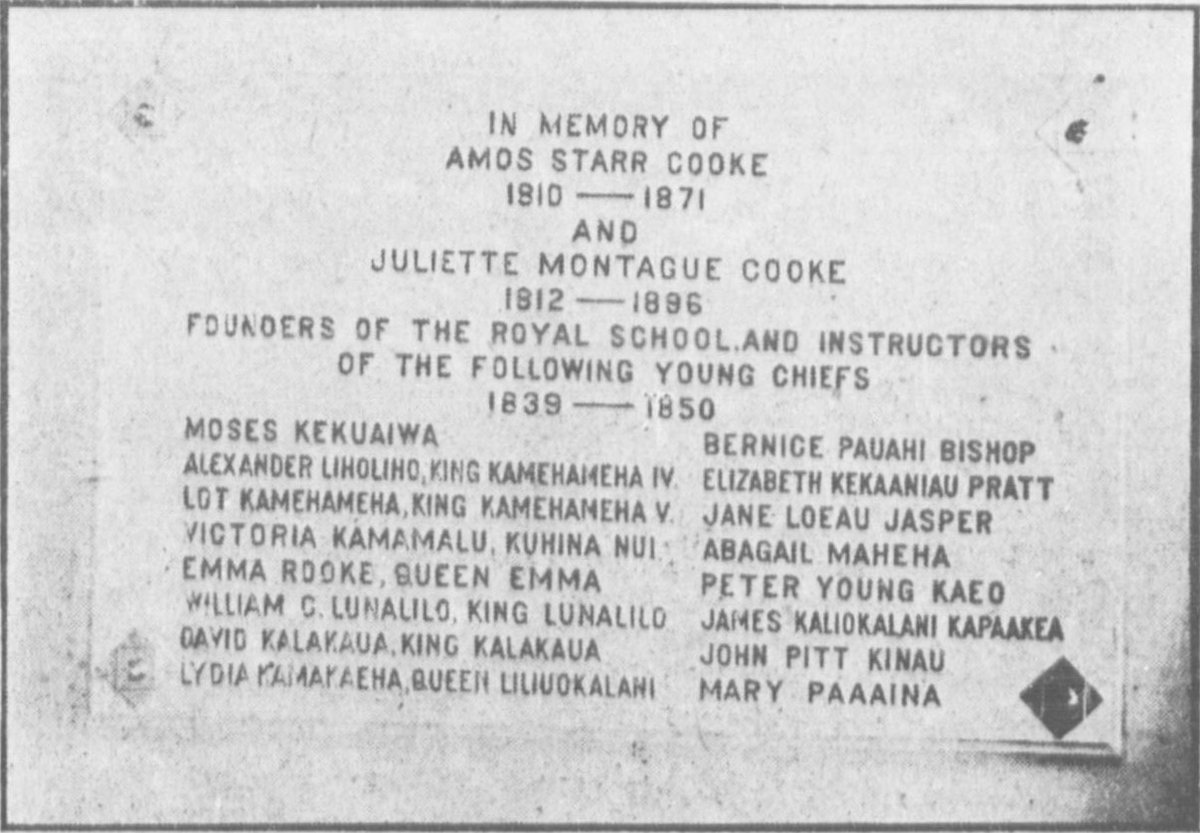
Bernice Pauahi Bishop was born in Honolulu into the chiefly class. Her will later devoted most of her estate to educating Hawaiian children, founding the Kamehameha Schools and giving her name to the Bishop Museum, established by her husband in 1889.
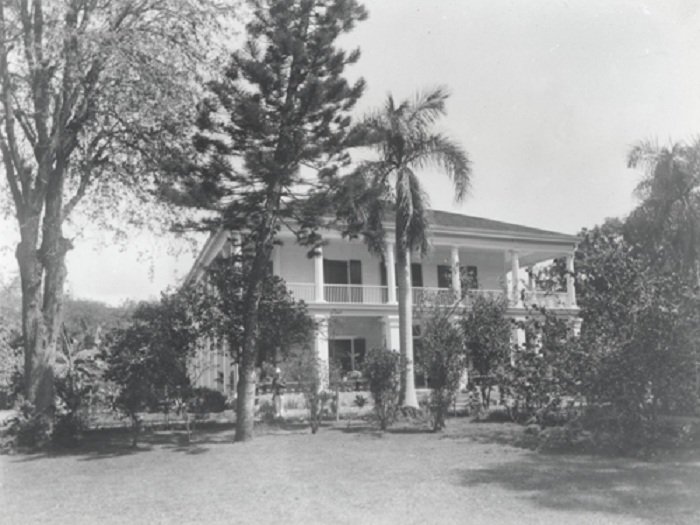
David Kalākaua was born in Honolulu, decades before he became king. He later championed Hawaiian music and hula, and commissioned ʻIolani Palace as a visible statement of the monarchy’s place in a changing Pacific.
Lydia Liliʻu Loloku Walania Wewehi Kamakaʻeha, later Queen Liliʻuokalani, was born in Honolulu. A composer as well as a monarch, she would rule from the city, resist the loss of Hawaiian sovereignty, and spend her final years here.
Kawaiahaʻo Church was dedicated after Hawaiian workers and divers assembled its walls from roughly 14,000 coral blocks. The white stone exterior still recalls the reef that supplied it; inside, voices gather beneath a broad timber ceiling.
After British naval officer Lord George Paulet seized the kingdom, Rear-Admiral Richard Thomas restored Hawaiian rule at a ceremony in Honolulu. King Kamehameha III declared, “Ua Mau ke Ea o ka ʻĀina i ka Pono”—the life of the land is perpetuated in righteousness—and Thomas Square still bears the admiral’s name.
Kamehameha III moved the kingdom’s permanent capital from Lahaina to Honolulu. Government offices clustered near the harbor, where foreign ships brought trade, pressure, and news from distant powers.
Samuel Clemens, not yet famous as Mark Twain, spent several months in Honolulu as a correspondent for the Sacramento Union. His letters about the islands helped launch his career as a lecturer and travel writer—and carried Honolulu to readers far beyond the Pacific.
King Kalākaua’s palace opened as the royal seat of the Hawaiian Kingdom, its ornate rooms a striking contrast to the town beyond its gates. ʻIolani Palace had electric lighting and telephones early on; its polished floors and state rooms spoke the language of a modern monarchy.
A major fire tore through Honolulu’s Chinatown, burning about 60 acres and displacing thousands of residents. The smoke and ruined shopfronts marked a hard blow to a district where Chinese merchants, laborers, and families had built new lives.
Armed members of the Honolulu Rifles forced Kalākaua to accept a new constitution at gunpoint. The document stripped power from the monarch and restricted voting rights, leaving the kingdom’s government more vulnerable to wealthy foreign residents and their allies.
Charles Reed Bishop founded the Bernice Pauahi Bishop Museum to preserve the royal heirlooms of his late wife and the histories of Hawaiʻi and the Pacific. Its collections grew into one of the world’s largest repositories of Polynesian cultural material.
Duke Kahanamoku was born in Honolulu and grew up near Waikīkī, where the ocean became his training ground. A five-time Olympic medalist, he later introduced surfing to audiences around the world and served as Honolulu’s sheriff for nearly three decades.
A Committee of Safety declared a provisional government as U.S. sailors and Marines came ashore from the USS Boston. Queen Liliʻuokalani yielded under protest to avoid bloodshed, beginning a political rupture whose consequences still shape how Honolulu understands its past.
Royalist forces led by Robert Wilcox tried to restore the monarchy in an uprising around Honolulu, but the rebellion was crushed. Liliʻuokalani was arrested and confined upstairs in ʻIolani Palace, in a room whose quiet walls witnessed the end of her rule.
Following the U.S. Congress’s Newlands Resolution, a ceremony in Honolulu transferred Hawaiʻi to the United States. The annexation came without a treaty ratified by the Hawaiian Kingdom, a point that remains central to disputes over sovereignty.
After bubonic plague cases appeared in Chinatown, health officials ordered infected buildings burned. On January 20, shifting winds carried the flames across the district, leaving thousands homeless as fire and public-health policy became inseparable in local memory.
The Hawaiian Organic Act took effect, establishing the Territory of Hawaiʻi with Honolulu as its capital. Federal authority now framed daily government in the same city that had served as the seat of an independent kingdom.
Aloha Tower opened beside Honolulu Harbor, its clock and beacon greeting passengers arriving by steamship. For generations, its silhouette was the first sight of the city for travelers crossing the Pacific by sea.
Japanese aircraft struck Pearl Harbor and nearby military airfields at dawn, bringing the United States into World War II. Anti-aircraft shells also fell on Honolulu, killing 68 civilians; across the attack sites, more than 2,400 Americans died.
After the attack, military authorities took control and imposed martial law across Hawaiʻi. Curfews, censorship, blackouts, military courts, and the detention of Japanese American community leaders changed ordinary life in Honolulu.
President Dwight D. Eisenhower signed the proclamation admitting Hawaiʻi as the 50th state, with Honolulu as its capital. Statehood brought new political standing within the United States, while questions of Native Hawaiian sovereignty remained unresolved.
A cultural revival gathered force in Honolulu, renewing interest in Hawaiian language, hula, music, and voyaging traditions. The double-hulled canoe Hōkūleʻa launched in 1975 and sailed to Tahiti the next year using traditional navigation, carrying more than a crew across the ocean.
The U.S. Congress passed the Apology Resolution, formally apologizing to Native Hawaiians for the 1893 overthrow of the Kingdom of Hawaiʻi. The resolution did not restore the monarchy, but it placed the United States’ role in the overthrow into federal law.
Honolulu’s driverless elevated rail line opened its first phase on Oʻahu’s west side. Its arrival marked a new chapter for a city long organized around its harbor, its roads, and the movement of people across a narrow coastal plain.
King of Hawaiʻi · 1836–1891
Commissioned ʻIolani Palace
Kalākaua commissioned ʻIolani Palace, completed in 1882 as a royal residence and political center. In today’s capitol district, he might recognize the palace’s public presence even as the city around it has changed flags and grown upward.
Queen of Hawaiʻi · 1838–1917
Lived at ʻIolani Palace and was imprisoned there
After the 1893 overthrow, Liliʻuokalani was held in a room upstairs at the palace she had called home. Visitors now encounter that room alongside her story as a composer and writer; she might welcome the attention to her voice as well as her confinement.
Surfer and Olympic swimmer · 1890–1968
Born in Honolulu
Born in Honolulu, Duke Kahanamoku became an Olympic swimmer and helped carry surfing far beyond Waikīkī’s shore. He might still recognize the beach’s long, gentle break, even with the hotels and crowds that now frame it.
Princess and philanthropist · 1831–1884
Born in Honolulu; Bishop Museum was founded in her honor
Pauahi was born in Honolulu and left her estate to establish schools for Native Hawaiian children. The museum founded in her honor holds royal heirlooms from the world she knew; she might see in its galleries a city making room for its own history.
Financier and philanthropist · 1822–1915
Founded Bishop Museum in Honolulu
After his wife Pauahi’s death, Charles Reed Bishop founded the Honolulu museum that bears her name and preserves Hawaiian cultural collections. He might recognize its mission in the feather standards and royal objects on display, though the city surrounding it has transformed.
Priest and missionary · 1840–1889
Ordained at the Cathedral Basilica of Our Lady of Peace in Honolulu
Damien was ordained at Honolulu’s Cathedral Basilica of Our Lady of Peace in 1864, before leaving to serve people with Hansen’s disease at Kalaupapa. The cathedral still stands downtown; he might find its modern street noise a sharp contrast to the quiet of its stone interior.
Where locals actually book dinner — not the tourist menus.
Small things that change how the city treats you.
The city, as it actually looks.

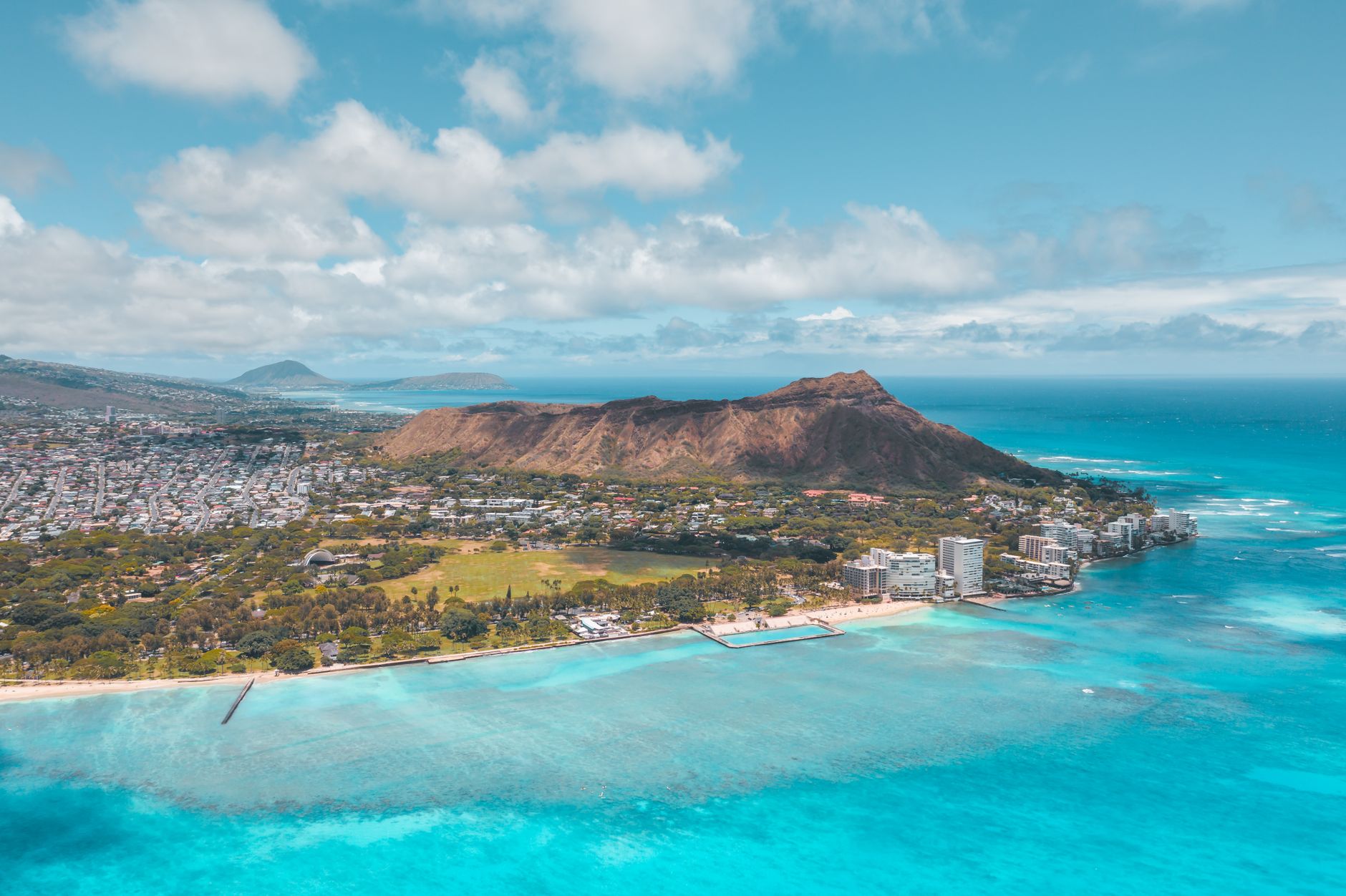
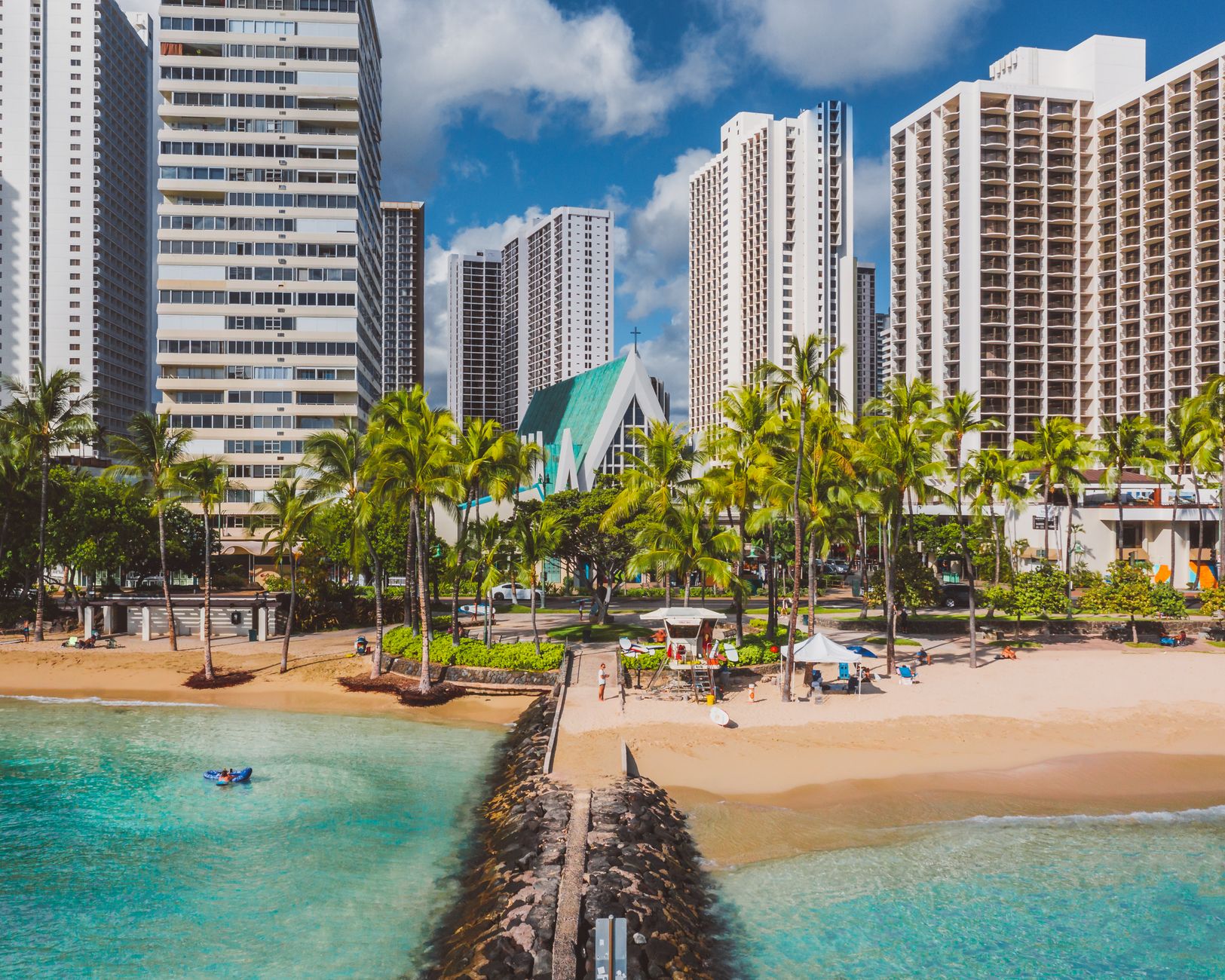
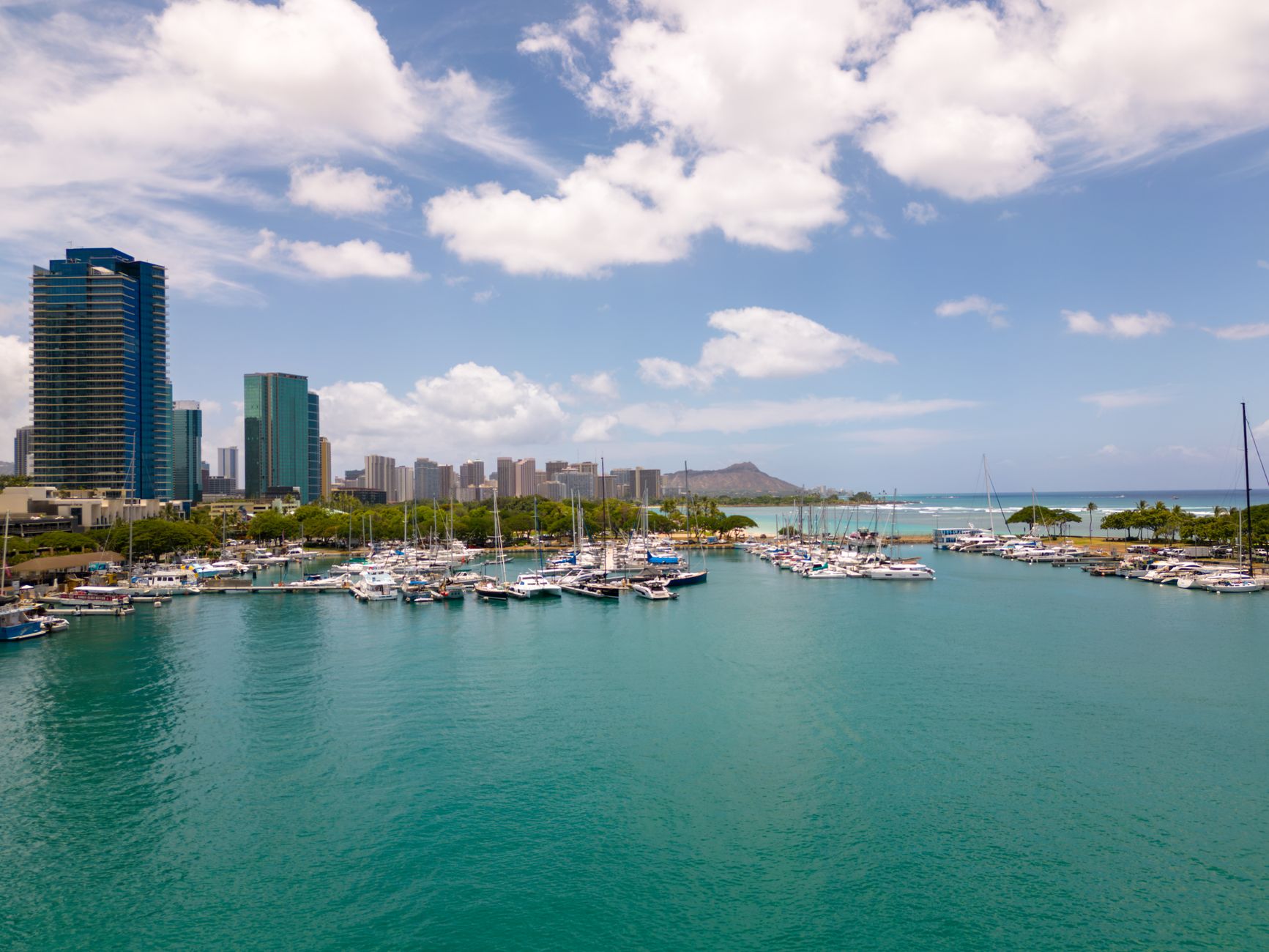
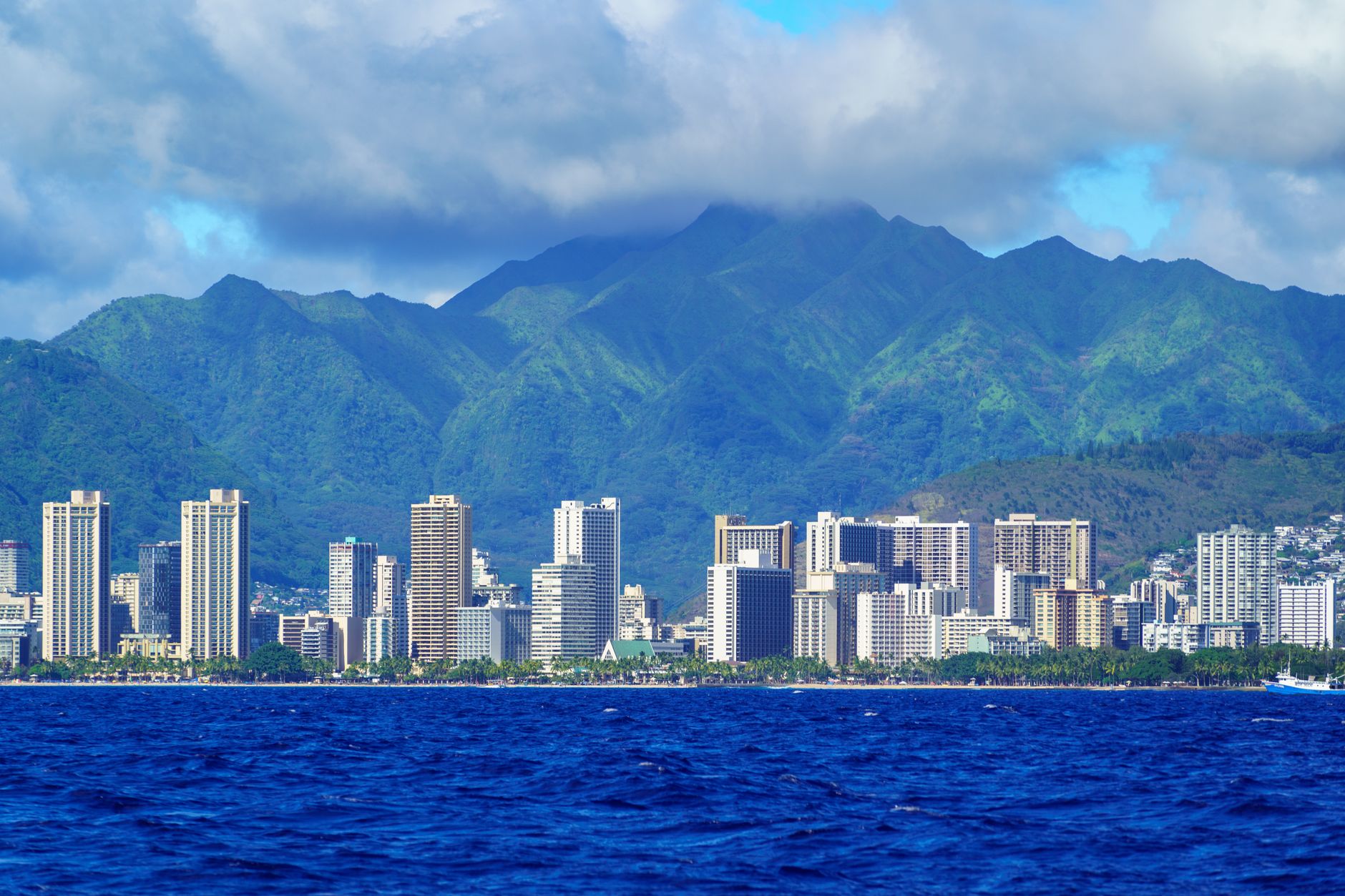
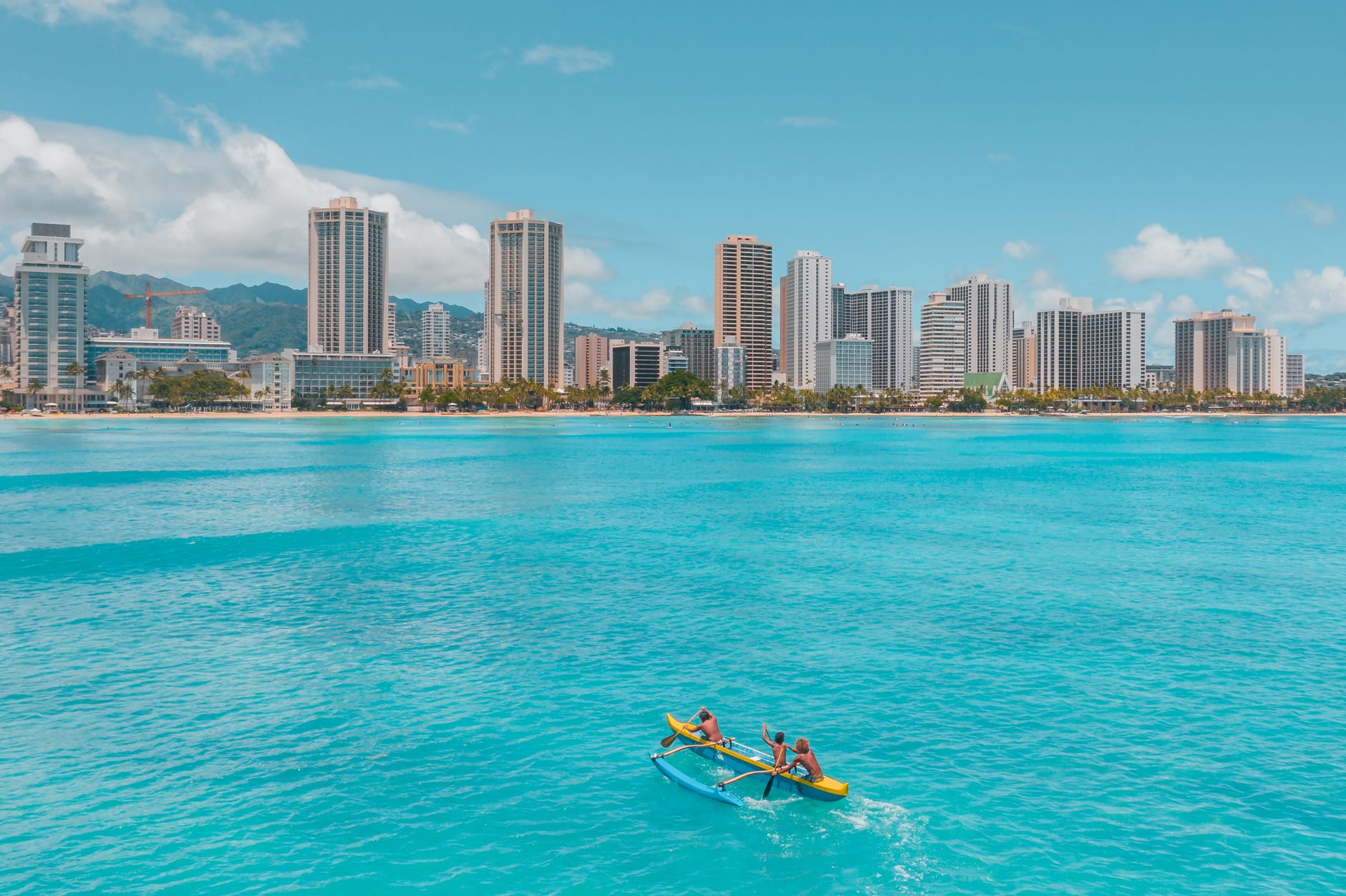
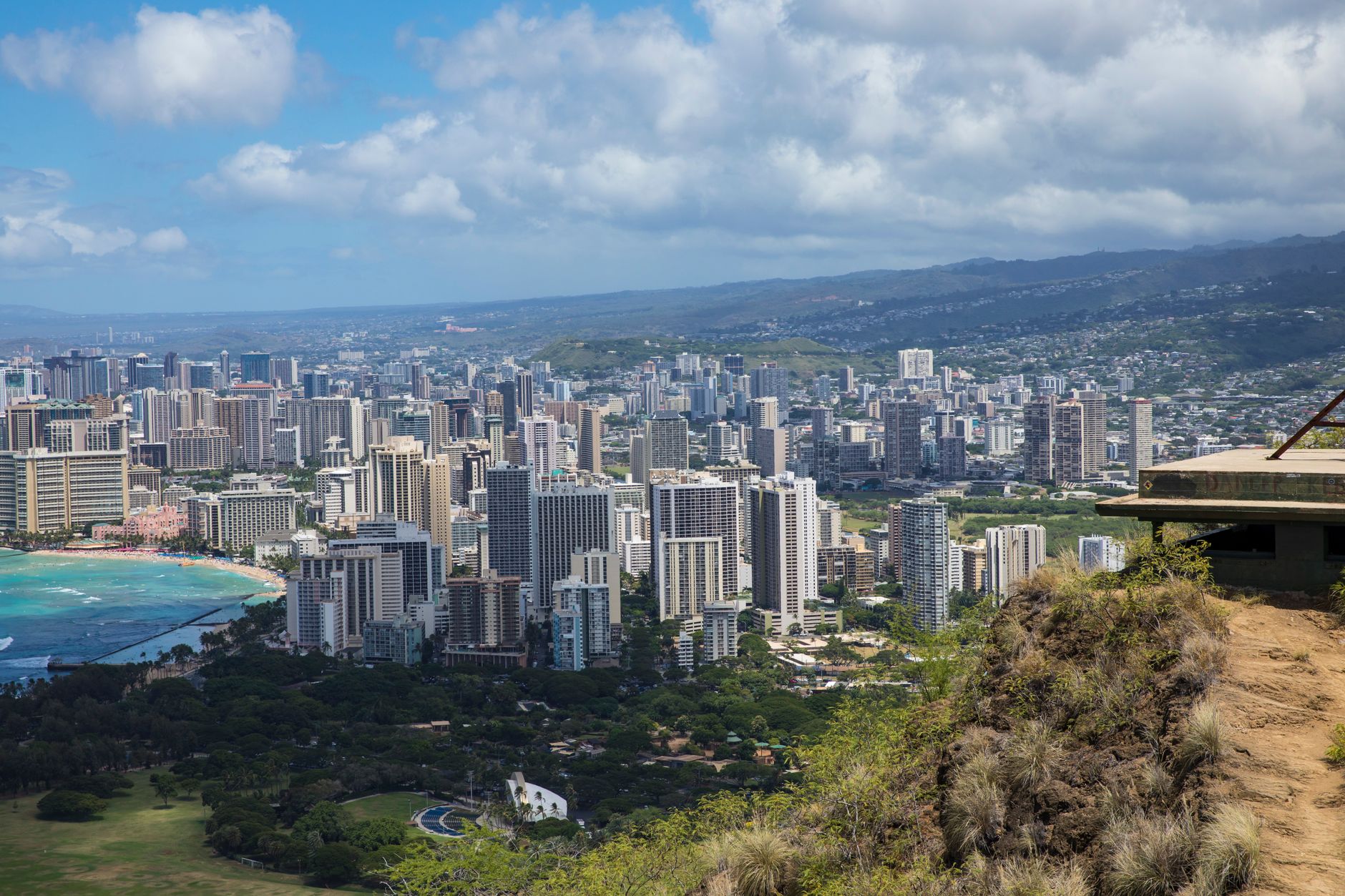
Yes—especially if you want a city where a royal palace, Pearl Harbor, and a famous surf beach sit within reach of one another. Honolulu’s draw is the contrast: downtown history in the morning, salt air and Diamond Head views later in the day.
Plan on 3–5 days for Honolulu. That gives you time for ʻIolani Palace and downtown, a 3–5-hour visit to Pearl Harbor, and a beach or Diamond Head day without packing every hour.
April–May and September–November are good shoulder-season choices, with warm weather and typically fewer crowds. May through October is generally drier; winter brings more passing showers and large surf on Oʻahu’s North Shore.
TheBus connects the airport with Honolulu and Waikīkī; fares are $3.25 cash or $3 with a HOLO card. Bags must fit on your lap or under a seat, while Skyline serves the airport but does not go directly to Waikīkī, so you’ll need to transfer or take a rideshare.
Not for a stay focused on Waikīkī, downtown, and major museums: TheBus and Skyline cover much of urban Honolulu. A car gives you more flexibility for farther-flung Oʻahu stops, but never leave valuables visible inside it.
Use ordinary city precautions and take ocean warnings seriously. Keep alert around Chinatown and River Street after dark, watch your belongings in late-night Waikīkī crowds, and avoid leaving valuables in parked cars.
A single ride costs $3.25 in cash on TheBus or $3 with HOLO, which includes transfers within two hours. HOLO fares cap at $7.50 per day, making the card a practical choice if you plan several rides.
58 places to discover










Showing 1–48 of 58 places
Saved and recently read places — kept on this device only.
Photos may have been resized or cropped.