History and Development
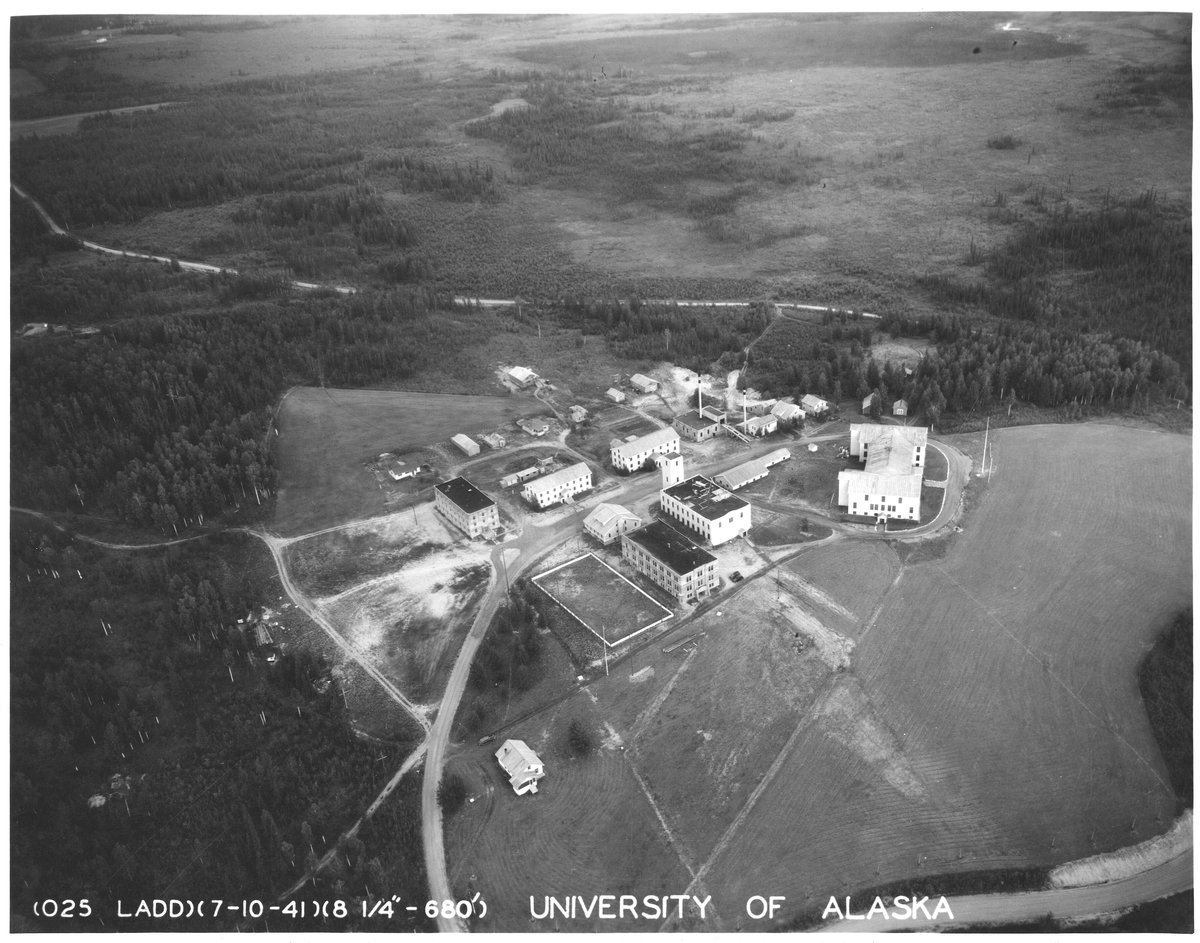
The ANLA was established in the late 20th century amid growing concerns about the endangerment of Alaska Native languages, many of which faced extinction due to colonization, assimilation policies, and shifting sociopolitical landscapes. Building on the work of the Alaska Native Language Center (ANLC), founded in 1972, the ANLA consolidated decades of linguistic documentation, recordings, and manuscripts to ensure long-term preservation and accessibility. Influential linguists, Native speakers, and educators collaborated to expand the Archive’s scope, making it one of the most comprehensive Indigenous language archives globally (UAF ANLA; First Alaskans Magazine).
Collections and Digital Access
Manuscripts and Written Materials
The Archive’s holdings encompass field notes, linguistic surveys, grammars, dictionaries, folklore, oral history transcriptions, and educational materials. Notably, the collections document pidgins, creoles, and nativized world languages such as Slavey Jargon, Chinook Jargon, and Copper Island Aleut.
Audio and Video Recordings
The audio archive preserves over 5,000 recordings—some dating to the 1940s—capturing oral histories, traditional narratives, and language instruction. These provide critical documentation for languages with few or no fluent speakers remaining (UAF ANLA Collections).
Cultural Significance and Community Engagement
The ANLA is more than a repository; it is a living bridge connecting generations. Its materials empower Alaska Native communities to reclaim and revitalize their languages, which are deeply intertwined with traditional ecological knowledge, oral literature, and spiritual practices. The Archive supports language education through curriculum development, teacher training, and community language camps—efforts essential for reversing language shift and ensuring intergenerational knowledge transfer (First Alaskans Magazine).
Archive staff offer workshops, public lectures, and community-based projects, fostering collaborative stewardship of materials and promoting respectful use in accordance with cultural protocols. The Archive also provides free language access services, including interpretation and translation, for individuals with limited English proficiency (UAF ANLA).
Visiting Information: Hours, Tickets, Accessibility
- Location Rasmuson Library, University of Alaska Fairbanks, 1732 Tanana Loop, Fairbanks, Alaska 99775 (UAF ANLA About)
- Visiting Hours Monday to Friday, 9:00 AM–5:00 PM. Weekend visits by special appointment only. Hours may vary seasonally or during university holidays; confirm before visiting.
- Admission/Tickets No admission fee or tickets required. Appointments are recommended for research visits or guided tours.
- Appointments Schedule by emailing [email protected] or calling 907-474-7436 (UAF ANLA Contact).
- Accessibility The facility is fully wheelchair accessible. Accessibility and language access accommodations are available upon request.
- Parking Available in nearby lots, with permits required during business hours. Public transit connects campus to downtown Fairbanks.
- Photography Personal, non-commercial photography is permitted with staff approval. Permission is required for publication or reproduction.
Research, Education, and Outreach
The ANLA is a hub for academic research, supporting projects funded by the National Endowment for the Humanities, National Science Foundation, and Administration for Native Americans. Its resources underpin dictionaries, grammars, and curricula for endangered languages. The Archive partners with tribal organizations, schools, and universities—including the Alaska Native Language Center and the UAF Alaska Native Language Program—to support language revitalization, teacher training, and community-driven initiatives (AKBizMag).
Nearby Attractions in Fairbanks
Enhance your visit by exploring other Fairbanks historical and cultural sites:
- University of Alaska Museum of the North Exhibits on Alaska Native art, culture, and natural history.
- Pioneer Park A living history park featuring museums and heritage exhibits.
- Morris Thompson Cultural and Visitors Center Displays on Alaska Native heritage and statewide travel information.
- Chena River State Recreation Area Outdoor activities and natural beauty (Alaska Blog Guide).
Frequently Asked Questions (FAQ)
Q: What are the Alaska Native Language Archive visiting hours?
A: Monday to Friday, 9:00 AM–5:00 PM; weekends by appointment. Confirm before visiting.
Q: Is there an admission fee or need for tickets?
A: No; visits are free and open to the public.
Q: How do I schedule a visit?
A: Contact staff via email or phone at 907-474-7436.
Q: Is the Archive accessible for visitors with disabilities?
A: Yes, the facility is fully accessible and offers language access accommodations.
Q: Can I access collections remotely?
A: Yes, many materials are digitized and searchable online (UAF ANLA Digital Resources).
Q: Are guided tours or workshops available?
A: Yes, by request and as scheduled. Inquire in advance.
Visitor Tips
- Plan Ahead Confirm visiting hours, book appointments, and review digital catalogs to identify materials of interest.
- Bring ID Required for access to certain collections.
- Follow Handling Guidelines Staff will guide you in handling archival materials.
- Engage with Staff Archivists offer expert assistance and recommendations.
- Check for Events Ask about upcoming workshops, lectures, or guided tours.
- Explore Online Use the Archive’s digital resources before or after your visit.
- Visit the Bookstore Select publications and language resources are available for purchase (UAF ANLC Bookstore).