
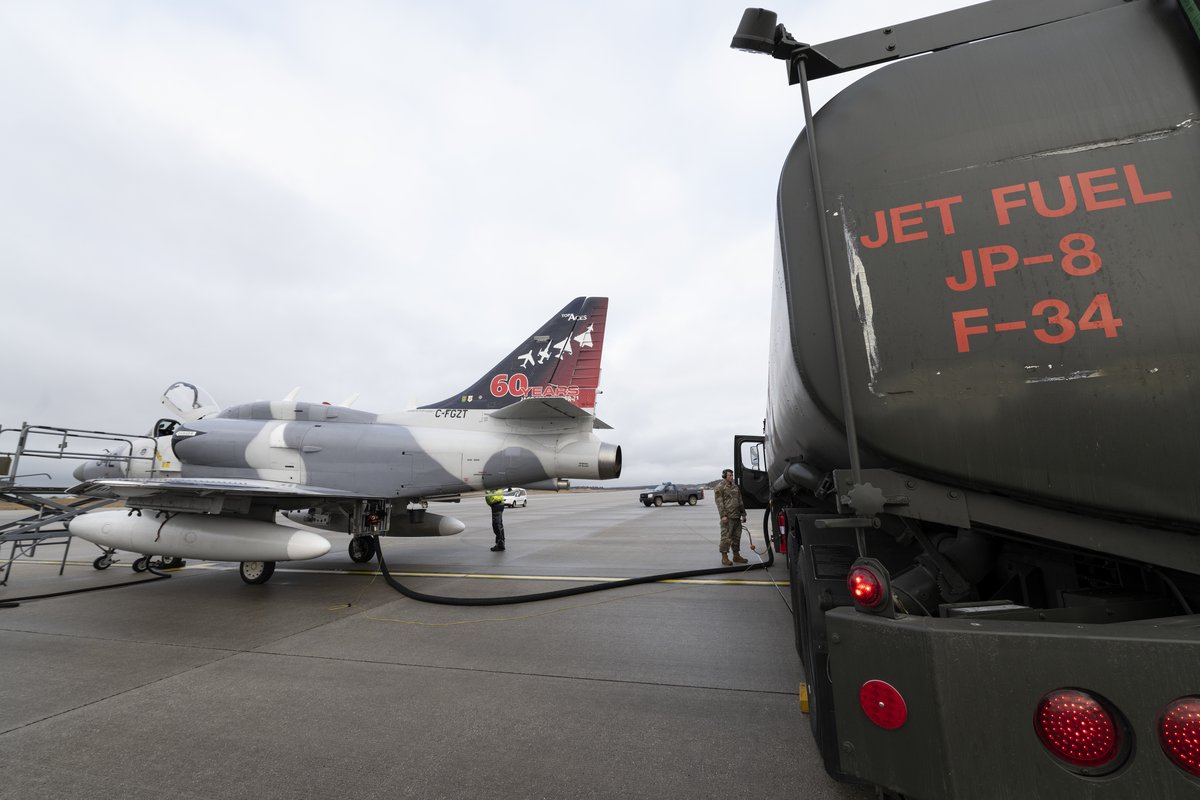
Design Origins and Development
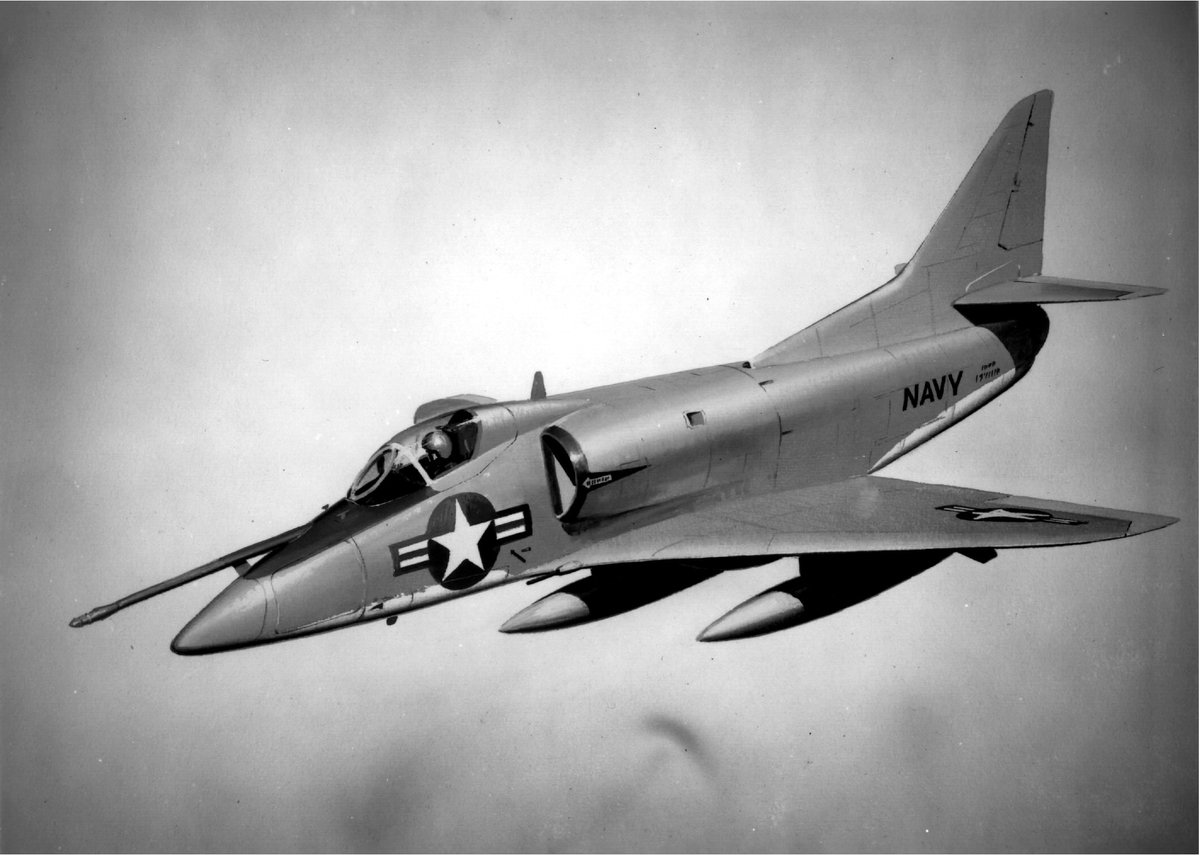
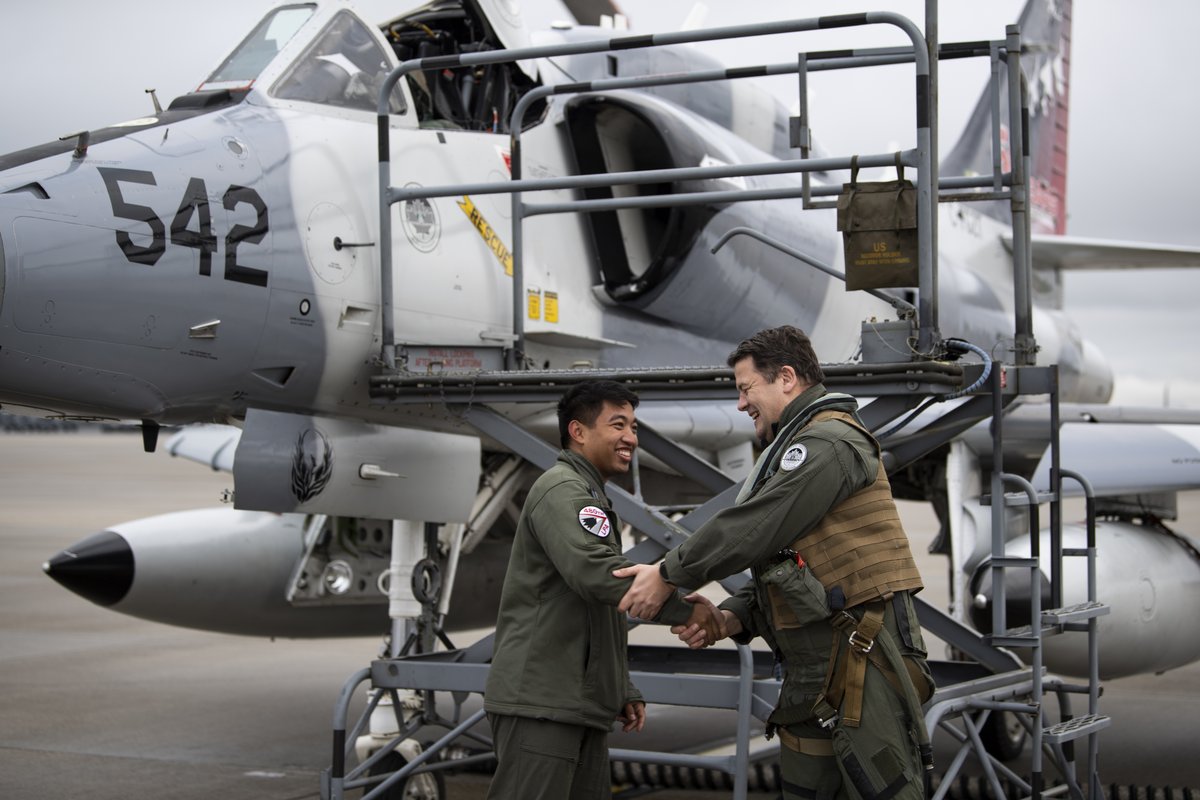
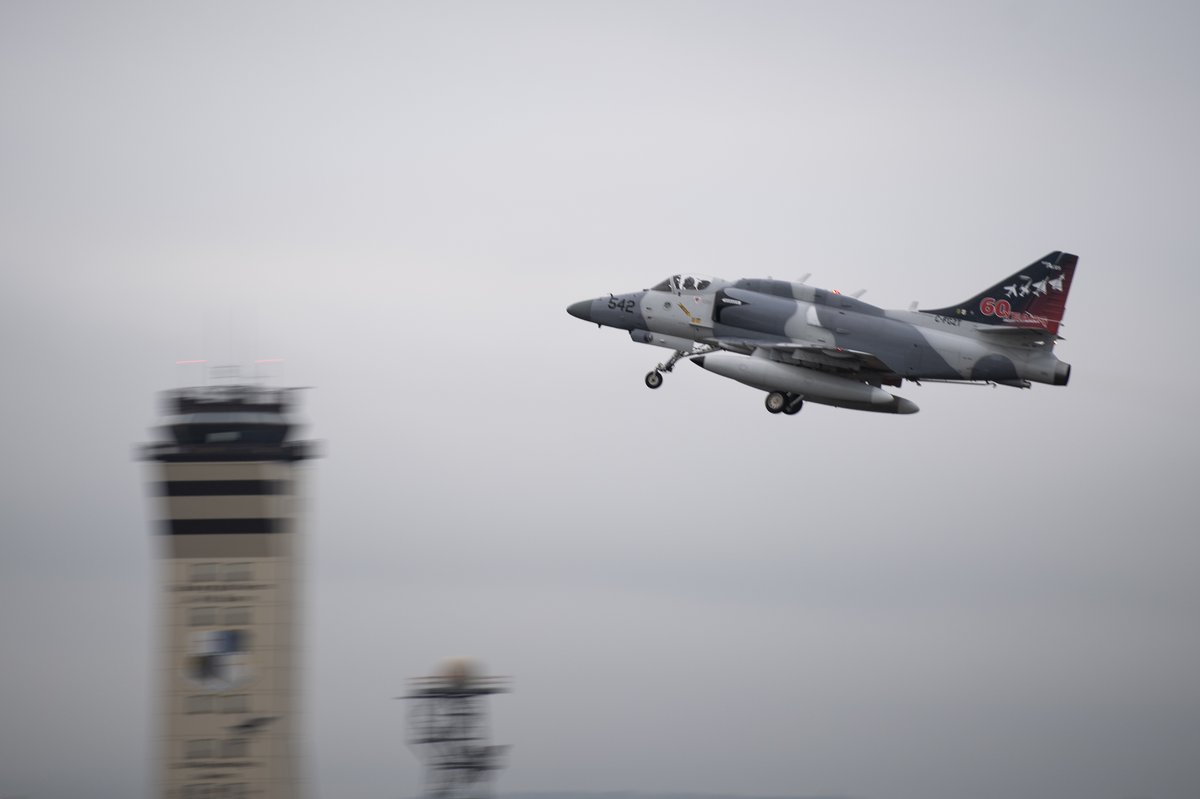
The Douglas A-4 Skyhawk was developed to fulfill the U.S. Navy’s requirement for a lightweight, carrier-capable attack aircraft to succeed the aging A-1 Skyraider. Under Ed Heinemann’s leadership, the design emphasized simplicity and compactness, resulting in an aircraft with a maximum takeoff weight nearly half the Navy’s original specification (Silverhawk Author; Avgeekery). The prototype XA4D-1 first flew in June 1954 and quickly set a world speed record, which helped cement its reputation among carrier aircraft (Silverhawk Author).
Technical Features and Innovations
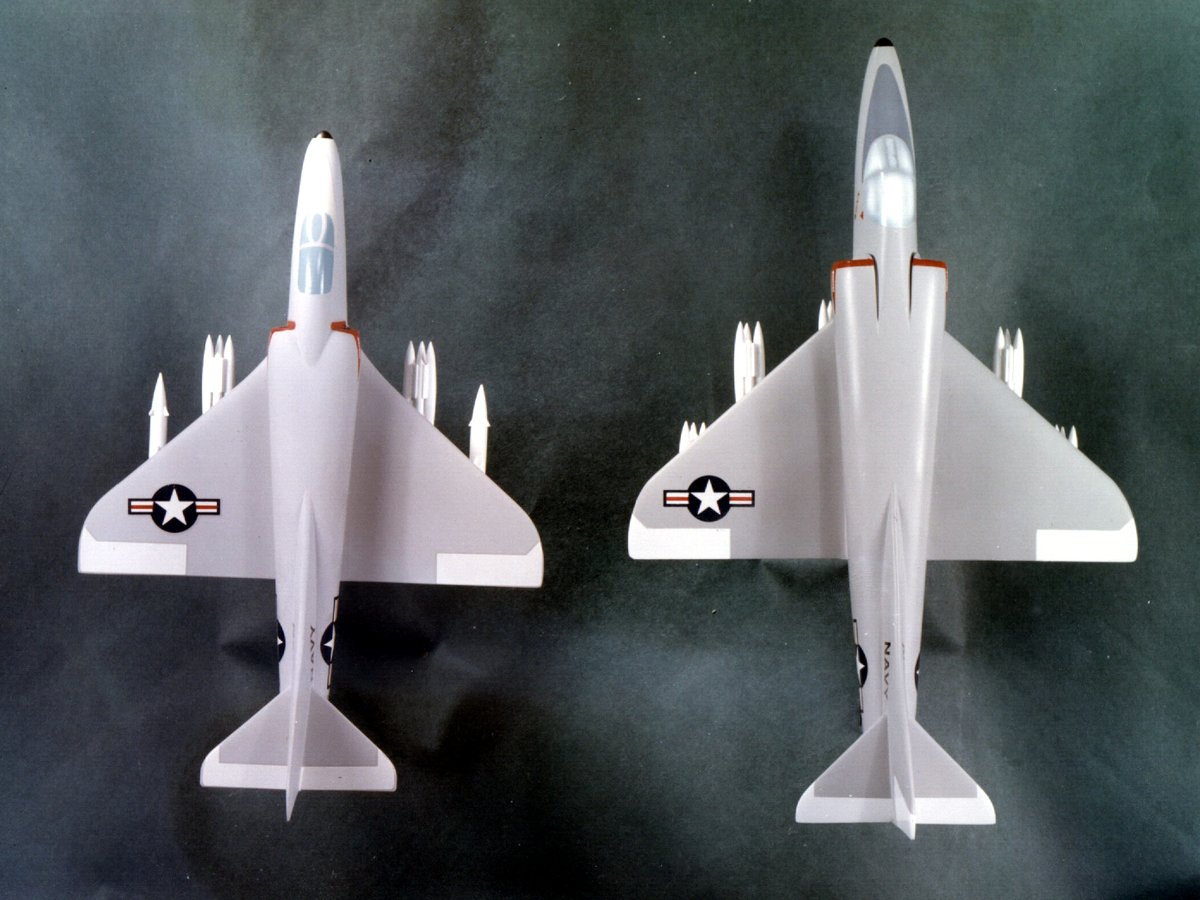
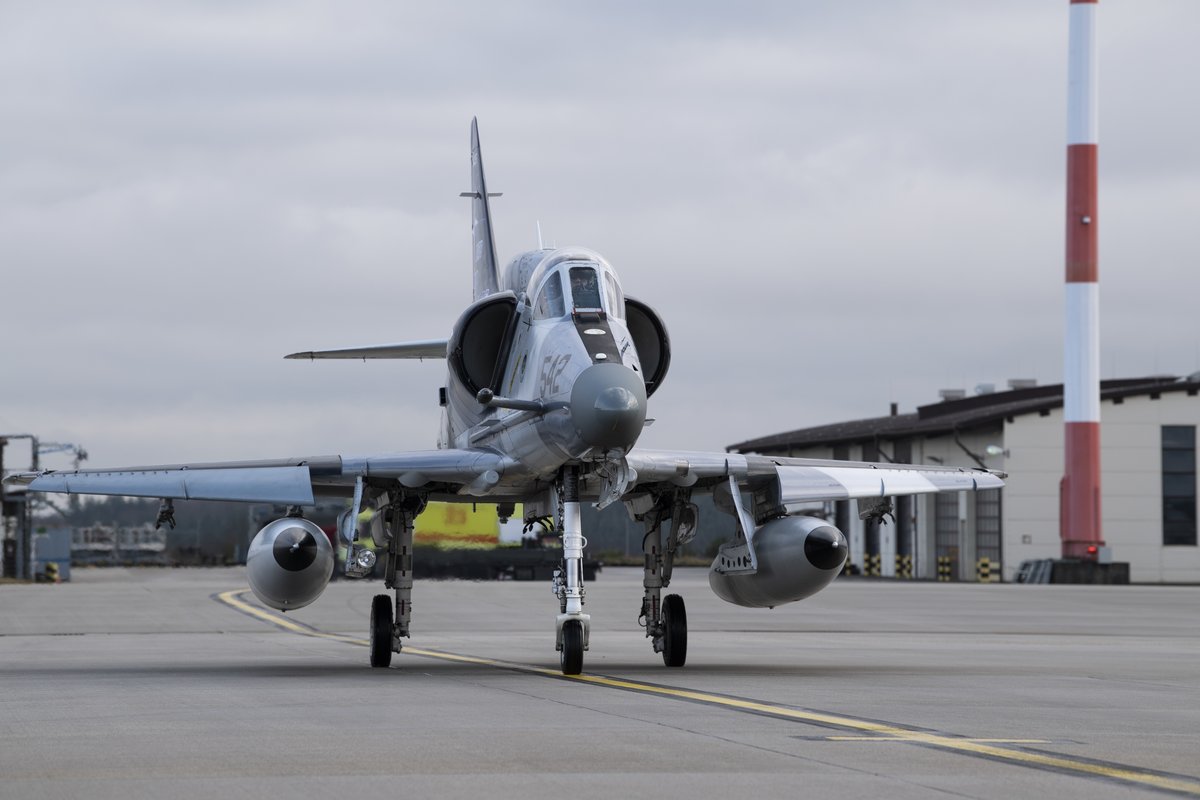
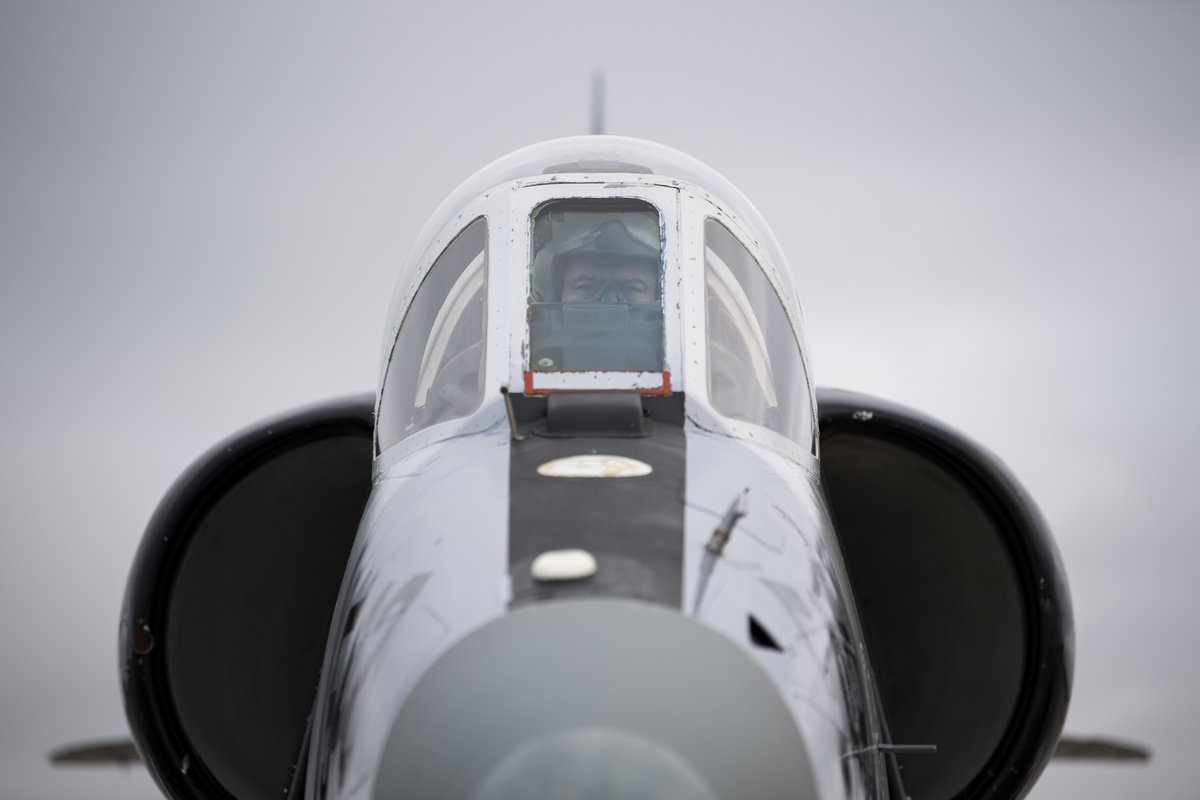
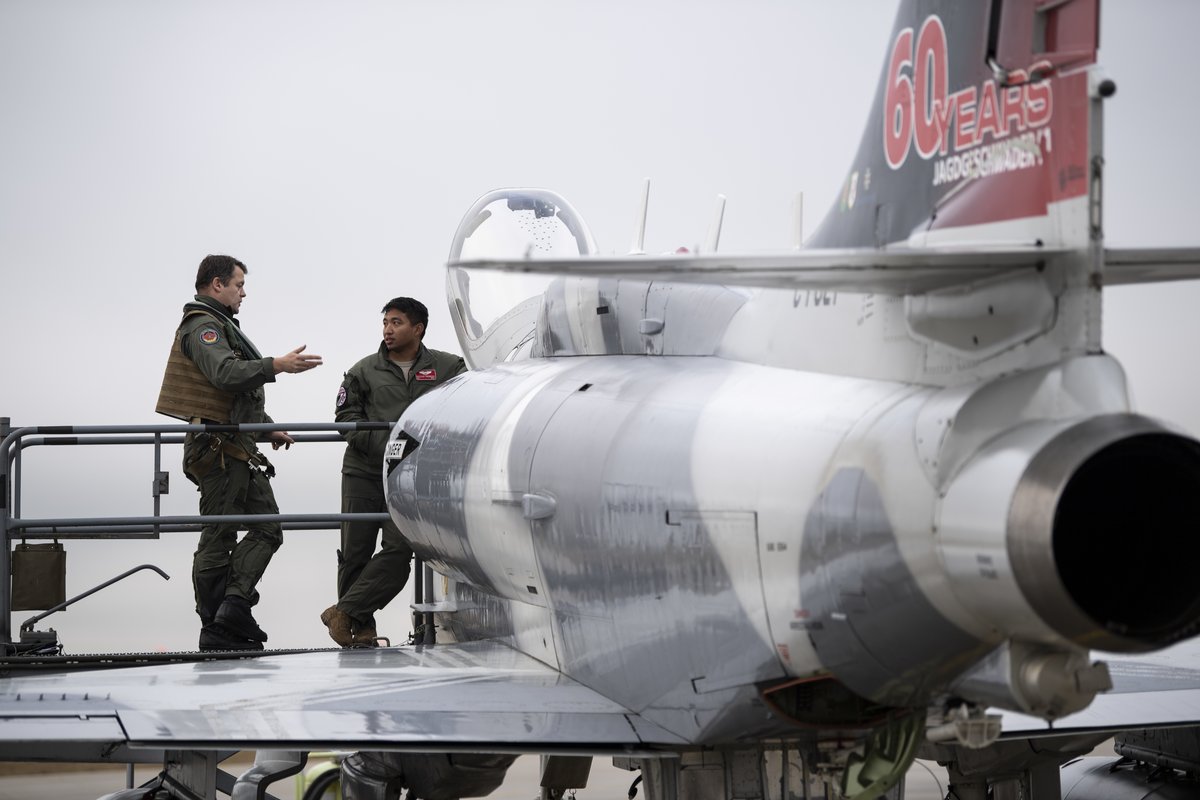
The Skyhawk’s compact delta wing (span of 27 ft 6 in) was so space-efficient that it eliminated the need for folding mechanisms, a major advantage for carrier operations (Aircraft Recognition Guide). Powered by either the Wright J65 or the Pratt & Whitney J52 turbojet engines, the A-4 could achieve speeds up to 670 mph and deliver both conventional and nuclear ordnance from five external hardpoints (National Interest; IPMS/USA Review). Standard armament included two 20mm cannons and up to 9,900 pounds of payload (Platinum Fighters).
Operational History and Global Impact
United States Service
Entering service in 1956, the A-4 Skyhawk became a backbone of U.S. Navy and Marine Corps aviation. It played a vital role during the Vietnam War and was favored for its agility and robustness—qualities that also made it a mainstay in pilot training and as the Blue Angels’ aircraft from 1974 to 1986 (National Interest; Silverhawk Author).
International Operators
The Skyhawk’s reliability led to widespread export:
- Israel Served as the primary ground-attack aircraft in multiple conflicts.
- Argentina Used in the Falklands War for attacks on British naval forces.
- Singapore Operated the A-4SU Super Skyhawk variant until 2005.
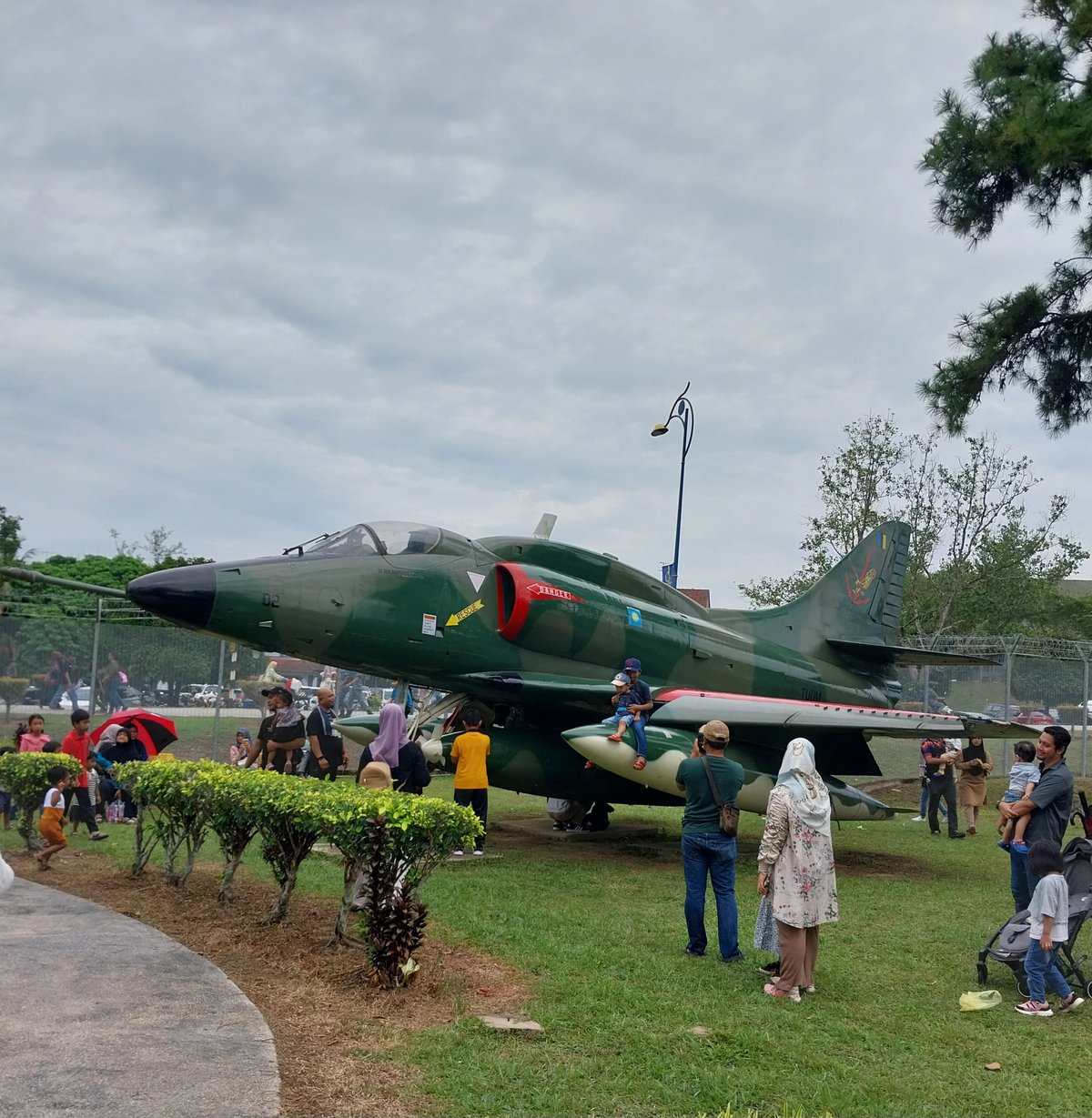
- Other Nations New Zealand, Malaysia, Kuwait, and Brazil also utilized Skyhawks, often with local upgrades (Avgeekery; Platinum Fighters).
Variants and Upgrades
Nearly 3,000 Skyhawks were produced in several notable variants, including:
- A-4A/B/C Early models with progressive avionics and engine improvements.
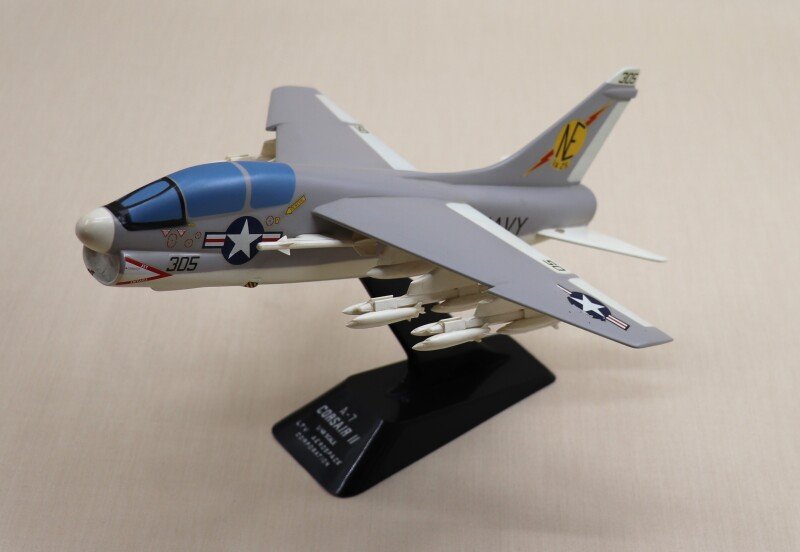
- A-4E/F Featured more powerful engines and advanced targeting systems, with the A-4F introducing the distinctive “humpback” avionics pod.
- A-4M Optimized for the USMC with upgraded avionics and survivability.
- TA-4J Two-seat trainer.
- A-4SU Super Skyhawk Singapore’s extensively upgraded version (Avgeekery; Military Factory).
Cultural and Historical Significance
The Skyhawk's impact is reflected in its enduring operational life, its presence in major conflicts, and its role in popular culture, such as the film “Top Gun” and as a Blue Angels aircraft (Platinum Fighters). Its innovative, economical design continues to influence military aviation and training programs worldwide (Aircraft Recognition Guide).
Visiting Information
Hours, Tickets, and Accessibility
- Visiting Hours The A-4 Skyhawk display at Elkhorn Aviation Heritage Park is open Tuesday through Sunday, 10:00 AM to 5:00 PM. Some outdoor displays may be accessible from 8:00 AM to sunset; confirm with the Elkhorn Aviation Park website or local authorities for updates.
- Admission Viewing the Skyhawk is free; donations are welcome to support preservation. Special tours or events may require registration or a nominal fee.
- Accessibility The site is wheelchair accessible, with paved paths, ramps, accessible restrooms, and designated parking.
- Guided Tours Offered on weekends at 11:00 AM and 2:00 PM, led by knowledgeable volunteers or local veterans.
Location and Directions
- Address 123 Aviation Drive, Elkhorn, WI, USA.
- By Car Easily accessible via Highway 50, with ample free parking.
- Public Transport Elkhorn Transit Center bus routes serve the area; ride-sharing services also available.
Photography and Visitor Amenities
Photography is encouraged at the display, with designated photo spots for optimal viewing. Visitors are asked not to climb or touch the aircraft to preserve its condition. The park features a visitor center with restrooms, a gift shop, and a café. Free Wi-Fi and digital resources are available.
COVID-19 Policies
Masks are recommended indoors. Hand sanitizing stations are provided. Check the Elkhorn Aviation Park website for the latest health guidelines.
Nearby Attractions
Enhance your visit by exploring:
- Elkhorn Aviation Museum Home to additional historic aircraft and interactive displays.
- World War II Memorial Park Nearby for a broader historical perspective.
- Walworth County Historical Society (Facebook page)
- Webster House Museum (Walco History)
- Apple Barn Orchard & Winery (Apple Barn)
- Price Park Conservancy (Walworth County Price Park)
Frequently Asked Questions (FAQ)
Q: What are the visiting hours for the A-4 Skyhawk display?
A: Generally Tuesday–Sunday, 10:00 AM–5:00 PM; some outdoor displays are open from 8:00 AM to sunset. Confirm with the Elkhorn Aviation Park website.
Q: Is there an admission fee?
A: Admission is free; donations are appreciated.
Q: Are guided tours available?
A: Yes—weekends at 11:00 AM and 2:00 PM, or by arrangement.
Q: Is the exhibit wheelchair accessible?
A: Yes, including restrooms and parking.
Q: Can I take photographs?
A: Absolutely. Please do not climb or touch the aircraft.
Q: Are there special events?
A: The park hosts commemorative events on Memorial Day, Veterans Day, and open cockpit days during the spring and summer.
Events and Educational Programs
The display offers guided tours, educational programs for schools, and interactive exhibits. Annual events include ceremonies, open cockpit days, and veterans’ reunions. Check the Elkhorn Aviation Park website for schedules and booking information.
Preservation and Museum Displays
The Elkhorn Skyhawk is one of many preserved across the U.S. and internationally. Other notable sites include:
- National Naval Aviation Museum (NAS Pensacola, FL)
- Estrella Warbirds Museum (Paso Robles, CA)
- Skyhawk Association's display registry (Skyhawk Displays) These exhibits often feature restored aircraft in authentic markings and provide further learning opportunities.