History and Architecture
Origins and Development
The El Paso Centennial Museum was founded in 1936 to commemorate the centenary of Texas independence. As one of the oldest museums in Texas, it has served as a repository for artifacts that chronicle the cultural and natural history of the southwestern United States and northern Mexico. The museum’s collections have grown to encompass prehistoric tools, pottery, colonial-era textiles and household items, and photographic archives—offering a panoramic view of the region’s evolution (Handbook of Texas Online).
Architectural Significance
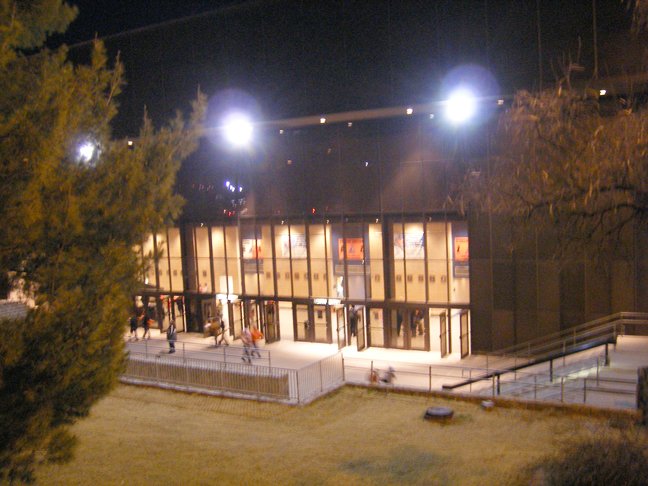
A defining feature of the museum is its Bhutanese-inspired architecture, a hallmark of the UTEP campus. The building incorporates steeply sloped walls, overhanging roofs, and intricate woodwork, drawing direct inspiration from Bhutanese dzongs. This distinctive style reflects UTEP’s international connections, notably with the Kingdom of Bhutan, and symbolizes the university’s dedication to global cultural exchange (UTEP Museum History).
Permanent and Temporary Exhibits
Cultural Heritage Collections
The museum’s collections highlight the diverse cultures of the Chihuahuan Desert and borderlands. Key permanent exhibits include:
- Indigenous Cultures Artifacts of the Jornada Mogollon and other Native American groups, including pottery, tools, and textiles.
- Colonial and Folk Traditions Displays exploring the Spanish colonial era, local missions, and Mexican-American folk heritage.
- Urban Development Exhibits on El Paso’s transformation through transportation, commerce, and cross-border interactions (Evendo, Museums Database).
Natural History Focus
The museum is celebrated for its in-depth exploration of the Chihuahuan Desert, the largest desert in North America. Exhibits feature:
- Desert Flora and Fauna Specimens and dioramas highlight adaptations of native plants and wildlife.
- Geology and Paleontology Interactive displays on the Franklin Mountains’ formation, fossils, and mineral resources.
- Conservation Panels on water conservation, native landscaping, and ecosystem restoration (Lonely Planet).
Rotating Exhibitions
Temporary and special exhibitions delve into regional art, science, and community history, with recent collaborations including:
- Contemporary art installations
- Scientific research on desert ecology and archaeology
- Community storytelling projects (UTEP Centennial Museum Events)
Chihuahuan Desert Gardens
Living Collections
Established in 1999, the Chihuahuan Desert Gardens feature over 800 species of native and adapted plants, making it one of the most extensive collections of desert flora in the United States. Themed sections include:
- Native Plant Demonstration Gardens Promoting sustainable landscaping
- Cacti and Succulent Beds Showcasing rare and endangered species
- Pollinator Gardens Supporting butterflies, bees, and hummingbirds
- Ethnobotanical Gardens Highlighting traditional and indigenous uses of desert plants
Interpretive signage educates visitors about plant identification and conservation, and the gardens have earned certification as a Texas Wildscape site (Lonely Planet).
Educational Programs and Community Events
The museum offers a robust calendar of lectures, workshops, guided tours, and family-friendly activities that engage visitors of all ages. Partnerships with local schools, researchers, and artists foster deeper connections to regional culture and science (UTEP Centennial Museum Events).
Annual events such as FloraFEST, a native plant sale and educational fair, support conservation efforts and sustainable gardening (Healthcare Times).
Visitor Information
Hours
- Museum Monday–Saturday, 10:00 a.m.–4:00 p.m. (Closed on university holidays and UTEP home football game days)
- Gardens Open daily from dawn to dusk
Note: Hours may vary for special events or holidays. Always check the official website before your visit.
Tickets and Admission
- Admission Free for all visitors
- Parking Free for museum, gardens, and Lhakhang visitors (display parking pass from museum front desk); paid parking available at Sunbowl Parking Garage (UTEP Centennial Museum)
Accessibility
- ADA-compliant entrances, restrooms, and galleries
- Wheelchair-accessible pathways throughout the museum and gardens
Guided Tours
Guided tours are available by advance reservation and provide in-depth background on both the museum’s exhibits and the Chihuahuan Desert Gardens. Group tours and educational visits can be arranged via the museum’s contact information.
Directions and Transportation
- Address 610 W. University Ave., El Paso, TX 79968
- Phone (915) 747-5565
- Email [email protected]
- Accessible via car, Sun Metro public transportation, and on foot from the UTEP campus
Nearby Attractions
- Magoffin Home State Historic Site Historic adobe residence
- El Paso Museum of Art Regional and international collections
- Downtown El Paso Restaurants, shops, and cultural landmarks
Frequently Asked Questions (FAQs)
Q: What are the El Paso Centennial Museum visiting hours?
A: Monday–Saturday, 10:00 a.m.–4:00 p.m. (Closed on holidays and home football game days).
Q: Do I need a ticket to visit?
A: No, admission is always free.
Q: Is the museum and gardens accessible?
A: Yes, all facilities are ADA accessible.
Q: Is parking available?
A: Yes, free with a pass from the museum; paid parking nearby.
Q: Are the exhibits bilingual?
A: Yes, English and Spanish.
Q: Are guided tours available?
A: Yes, by advance arrangement.
Q: Is the museum family-friendly?
A: Absolutely—interactive exhibits and outdoor gardens welcome all ages.
Community Engagement and Ongoing Relevance
The Centennial Museum is a vibrant hub for community events and collaborative programs, regularly hosting lectures, workshops, and exhibitions that highlight the region’s cultural diversity and environmental stewardship. Its active partnerships with UTEP, local organizations, and binational communities reinforce the museum’s commitment to education and public engagement (Museums Database).