Founding and Early Years (1910–1923)
NCCU’s roots reach back to July 5, 1910, when Dr. James E. Shepard established the National Religious Training School and Chautauqua for the Colored Race. Dr. Shepard’s vision was to create an institution devoted to the academic and moral development of African American youth during an era of segregation and limited educational opportunity (Discover Durham). Despite financial adversity, the school endured, thanks in part to the leadership of Annie Day Robinson Shepard, Dr. Shepard’s wife, who made significant contributions to campus life and tradition (Zippia).
State Support and Expansion (1923–1947)
A major turning point came in 1923 when the school became a state-funded institution, renamed Durham State Normal School for Negroes, with a mission to train Black teachers for the segregated South (Zippia). In 1929, the school awarded its first baccalaureate degrees, making it the nation's first state-supported liberal arts college for African Americans (Discover Durham).
Academic Growth and Civil Rights Legacy (1947–1972)
The institution expanded its academic offerings in the late 1930s and 1940s, adding graduate programs and opening the School of Law in 1940. Renamed North Carolina College at Durham in 1947, NCCU played a significant role in the legal and social battles of the civil rights era. Its students and faculty were active in pivotal cases, such as the landmark Hocutt v. Wilson desegregation lawsuit (Wikipedia: Hocutt v. Wilson). The campus preserves civil rights history, including an artifact from the F.W. Woolworth lunch counter.
Transition to the UNC System and Modern Achievements (1972–Present)
In 1972, NCCU joined the University of North Carolina system, gaining access to expanded resources and opportunities while maintaining its unique HBCU identity (Zippia). The university has since grown its academic, research, and community outreach programs, launching innovative institutes such as the Institute for Artificial Intelligence and Emerging Research. NCCU’s ongoing commitment to “Truth and Service” is reflected in its academic leadership, community partnerships, and national recognition as a top HBCU (Discover Durham).
Visiting NCCU
Hours, Tickets, and Accessibility
- Visiting Hours The campus is generally open to visitors Monday through Friday, 8:00 AM to 6:00 PM. Guided campus tours are available Monday through Thursday at 11:00 AM, requiring pre-registration (NCCU Admissions).
- Admission and Tickets Entry to the campus and most historic sites is free. Special events may require advance registration or tickets—check the NCCU Events Calendar for current details.
- Accessibility The campus is fully accessible, offering wheelchair-friendly pathways, ramps, accessible parking, and support services. Contact the Office of Accessibility in advance for special accommodations.
Guided and Self-Guided Tours
- Guided Tours Led by NCCU Eagle Ambassadors, tours highlight the university’s history, architecture, and student life. Pre-register online to receive a complimentary parking pass for the Latham Parking Deck.
- Self-Guided Tours Brochures and interactive maps are available at the Office of Admissions and on the NCCU website. Virtual tours provide a convenient alternative for remote visitors (NCCU Campus Tours).
Key Landmarks and Cultural Sites
James E. Shepard Administration Building
A centerpiece of campus and a symbol of its historic mission. Built in the 1930s, it is listed on the National Register of Historic Places.
Annie Day Shepard Hall
Originally an all-female residence hall, this 1930 structure honors Annie Shepard’s legacy and now houses scholarship recipients.
Shepard Library
Home to archives on African American history and the civil rights movement, including part of the F.W. Woolworth lunch counter.
Centennial Chapel and Garden
Established in 2010 for the university’s centennial, this tranquil space is ideal for reflection and special campus events.
Baynes Hall and Chidley North
Modern residence halls supporting vibrant student communities and academic success through Living Learning Communities and mentorship programs.
Student Center and Dining
Features diverse dining options (Starbucks, Chick-fil-A, W.G. Pearson Cafeteria), a bookstore, and student lounges.
Events, Programs, and Youth Opportunities
- Cultural Events NCCU celebrates its heritage with Founders Day, homecoming, and Black History Month programs. The Centennial Garden hosts seasonal gatherings.
- Academic and Youth Programs Summer camps such as TRIO Upward Bound, Legal Eagle Law Camp, and science enrichment programs foster community engagement and educational growth (NCCU Youth Programs).
- Athletics The NCCU Eagles compete in NCAA Division I sports, and the campus features recreational facilities for visitors and students alike.
Visitor Amenities, Dining, and Tips
- Parking Visitor parking is available near major buildings; parking is typically free, but permits may be required for special events.
- Dining On-campus and nearby eateries offer a range of options, from quick snacks to sit-down meals (Discover Durham Restaurants).
- Wi-Fi Complimentary guest Wi-Fi is available throughout campus.
- Bookstore Purchase NCCU apparel, souvenirs, and academic supplies at the campus bookstore.
- Safety The campus police department ensures a secure environment, with emergency call boxes and patrols.
Tips for Visitors:
- Plan your visit by reviewing event schedules and registering for tours online.
- Dress comfortably and bring a camera to capture campus landmarks.
- Engage with the NCCU community—students and staff are welcoming and informative.
- Accessibility resources are available for visitors with mobility needs.
Nearby Durham Attractions
- Hayti Heritage Center An essential stop for those interested in Durham’s African American history.
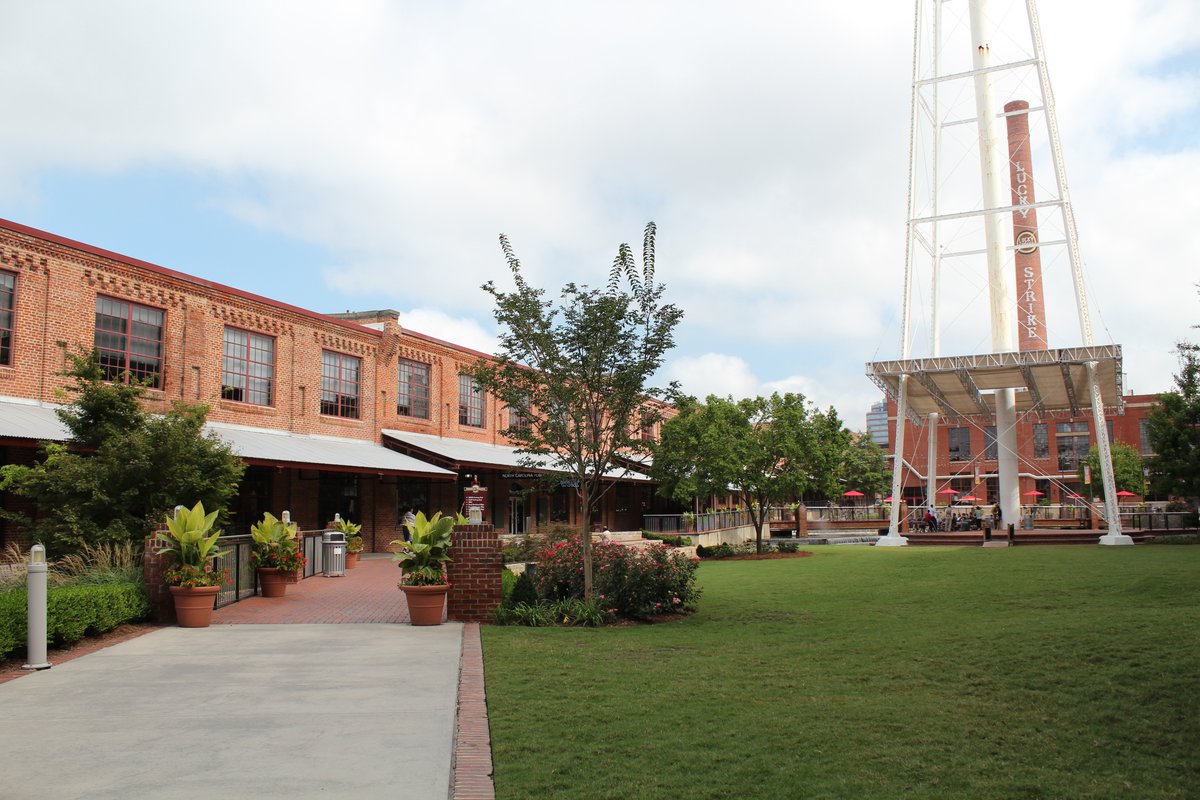
- American Tobacco Historic District Explore revitalized warehouses, dining, and cultural venues.
- Durham Bulls Athletic Park Catch a minor league baseball game or enjoy the lively Durham downtown.
- Nasher Museum of Art Experience contemporary art exhibits just a short drive away (Discover Durham).
For lodging, Durham offers hotels and B&Bs close to NCCU (Discover Durham Hotels). Public transit and ride-sharing make getting around easy.
Frequently Asked Questions (FAQ)
Q: What are NCCU’s visiting hours?
A: Monday through Friday, 8:00 AM to 6:00 PM, with guided tours Monday–Thursday at 11:00 AM.
Q: Do I need a ticket to visit?
A: General campus visits are free; special events may require tickets.
Q: Is the campus accessible?
A: Yes, NCCU is fully accessible for visitors with disabilities.
Q: How do I book a tour?
A: Schedule through the NCCU Admissions page.
Q: Where can I park?
A: Visitor parking is available near key campus locations; permits may be required during events.
Q: What else is there to do nearby?
A: Visit the Hayti Heritage Center, American Tobacco District, and other Durham landmarks.