Early History and Relocation
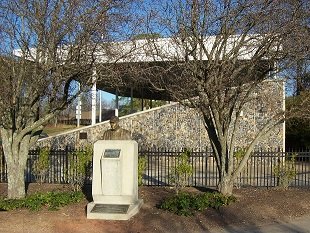
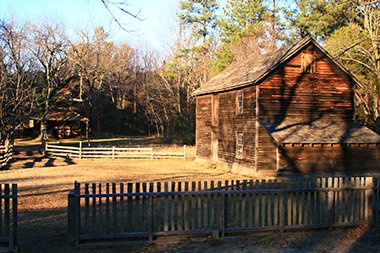
The foundation of Duke University East Campus dates to 1838 with Brown’s Schoolhouse in Trinity, North Carolina. Trinity College, shaped by Methodist and Quaker influences, moved to Durham in the 1890s after a pivotal donation from Washington Duke. This transition, under President John F. Crowell, set the stage for the university's expansion in a thriving urban environment (Duke University Archives).
Architectural Highlights
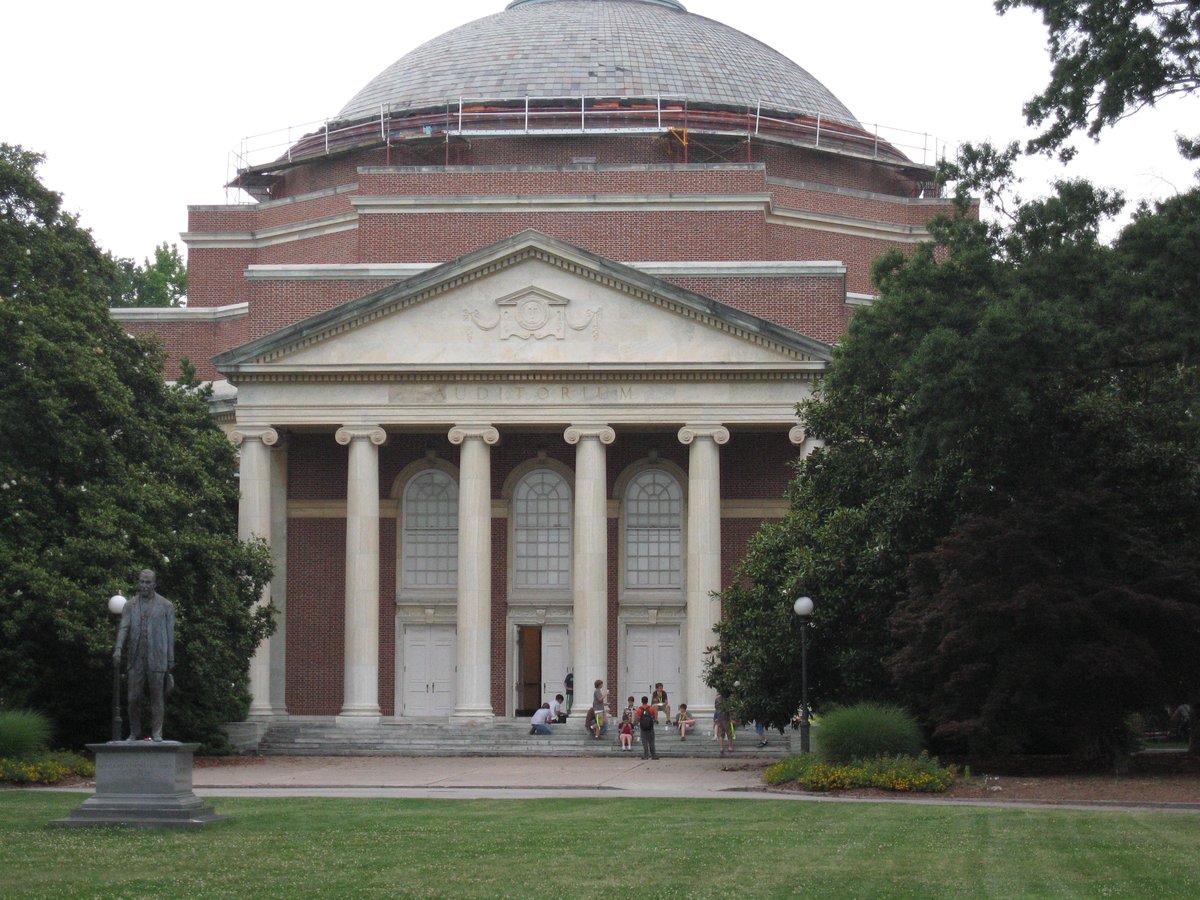
East Campus is celebrated for its Georgian architectural style—defined by red brick facades, white trim, balanced proportions, and classical ornamentation. The design sharply contrasts with the neo-Gothic West Campus, reflecting late 19th and early 20th-century collegiate trends (Duke Facilities and Campus Architecture). The campus is bordered by historic neighborhoods, fostering strong ties with Durham’s urban landscape.
Key Transformations
- Washington Duke Building Fire (1911) The destruction of the original building prompted the construction of East Duke and West Duke buildings, which remain central to East Campus.
- Women’s College Era (1938–1972) East Campus housed the Undergraduate Women’s College, reflecting the era’s gender-segregated education.
- Coeducation and First-Year Experience In 1972, coeducation began, and since 1997, all first-year undergraduates reside on East Campus, promoting community and transition into Duke life.
Visiting Duke University East Campus
Hours and Admission
- General Hours Open daily from 8:00 AM to 8:00 PM (some sources note 7:00 AM–11:00 PM; check for seasonal or event-based changes).
- Admission Free for all visitors; no tickets required for self-guided visits.
- Building Access Event venues and academic buildings may have restricted hours; check schedules in advance.
Tours and Accessibility
- Guided Tours Available Monday–Saturday via the Duke Admissions Visit page. Advance reservations are recommended, especially for student-led tours.
- Self-Guided Tours Utilize the Duke interactive campus map or mobile apps for audio-narrated experiences.
- Accessibility The campus is wheelchair-friendly, with ramps, elevators, and ADA-compliant pathways. Contact Access and Accommodation Services for specialized needs.
Travel Tips
- Parking Limited on-site parking; use public transportation or garages nearby. Parking Visitor Info
- Public Transit Durham’s bus system provides convenient access.
- Walking/Biking The campus is pedestrian-friendly with ample bike racks.
Campus Life and Community
East Campus is the heart of first-year residential life at Duke. Renovated historic houses and modern residence halls support community-building, while facilities like Brodie Recreation Center, Lilly Library, and the Student Union offer academic, social, and recreational opportunities. The campus loop is a favorite for walks, runs, and student events (Duke Chronicle).
Integration with Durham
East Campus’s proximity to Trinity Park, Broad Street, and Ninth Street connects visitors to Durham’s vibrant culture, independent shops, cafes, and restaurants. The campus’s open layout encourages exploration and interaction between university and city life (Discover Durham).
Preservation and Legacy
Preservation efforts maintain East Campus’s historical character and landscape, honoring its Georgian roots while accommodating modern needs. Initiatives include restoring Olmsted Brothers’ landscape vision and recognizing the contributions of architect Julian Abele (Duke Today on Landscape Restoration).
Key Buildings and Attractions
- Baldwin Auditorium An iconic concert hall designed by Julian Abele, hosting musical performances and cultural events (Duke Admissions).
- Mary Duke Biddle Music Building Central to music education, adjacent to Baldwin Auditorium (Duke Chronicle).
- Duke Coffeehouse Student-run music and arts venue in the Crowell Building.
- Crowell Building Multipurpose hub for student organizations and events.
- Residence Halls Including Alspaugh, Bassett, Blackwell, Brown, East, Epworth, Giles, Gilbert-Addoms, Pegram, Randolph, Southgate, and Wilson (Duke Admissions).
- East Campus Quad Expansive green at the heart of campus life.
- Duke Arts Annex Creative hub for visual and performing arts, just off campus (Discover Durham).
- Trinity College Site Original site of Trinity College, with historical plaques and guided tours available (Duke Libraries Exhibit).
Nearby Durham Highlights
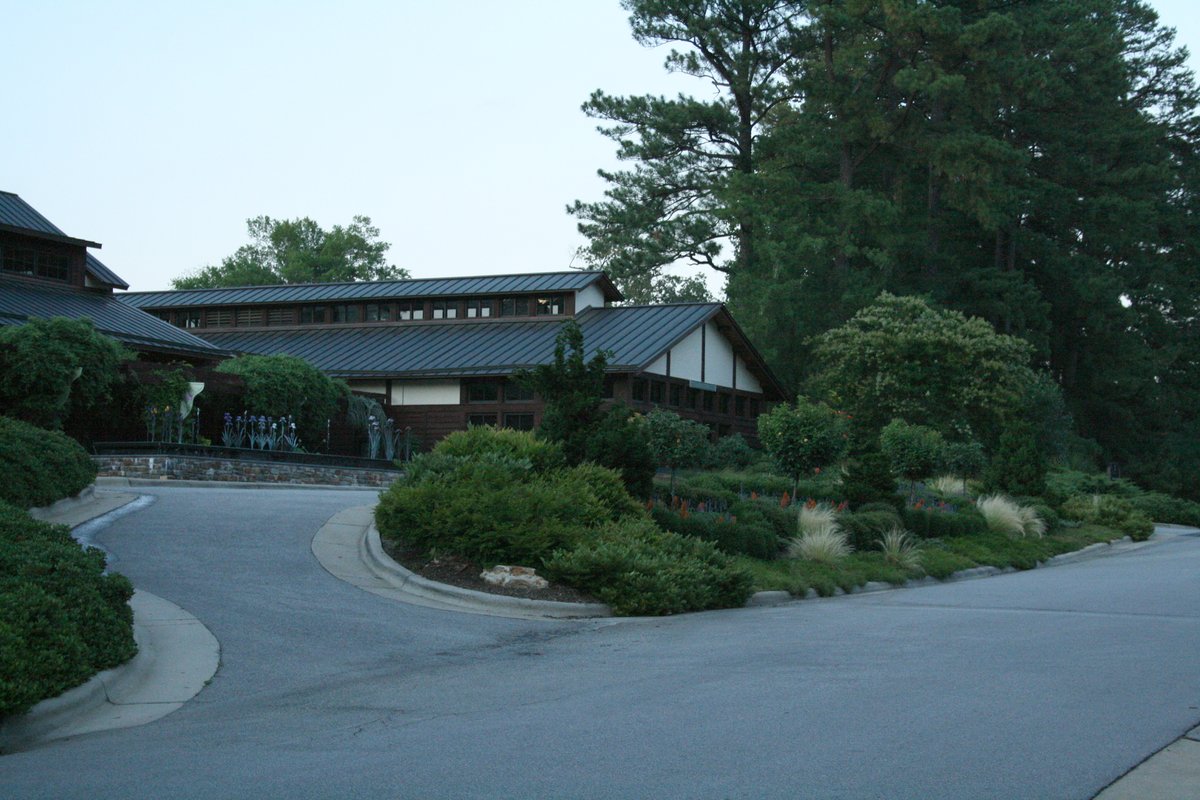
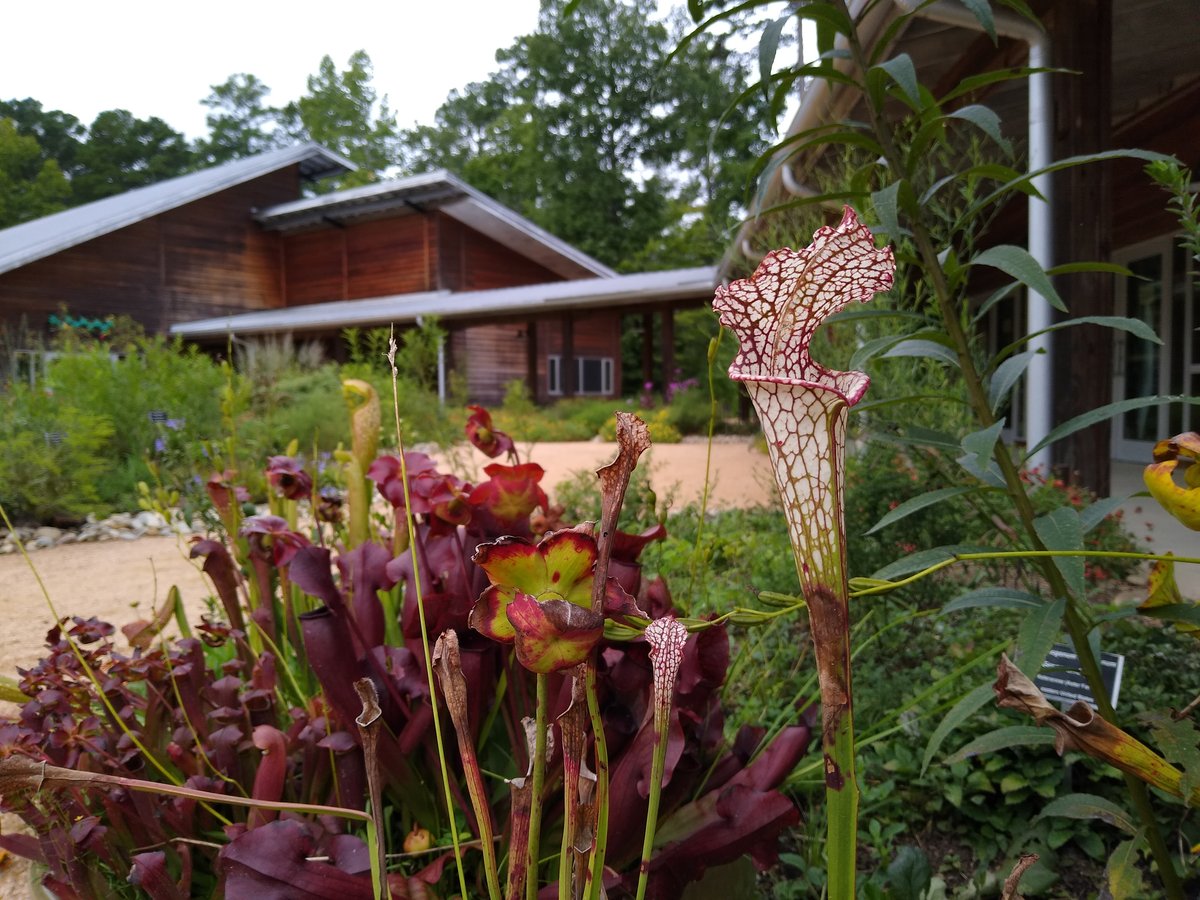
- Sarah P. Duke Gardens 55-acre botanical garden between East and West Campus.
- Nasher Museum of Art Premier art museum with rotating exhibits (Duke Admissions).
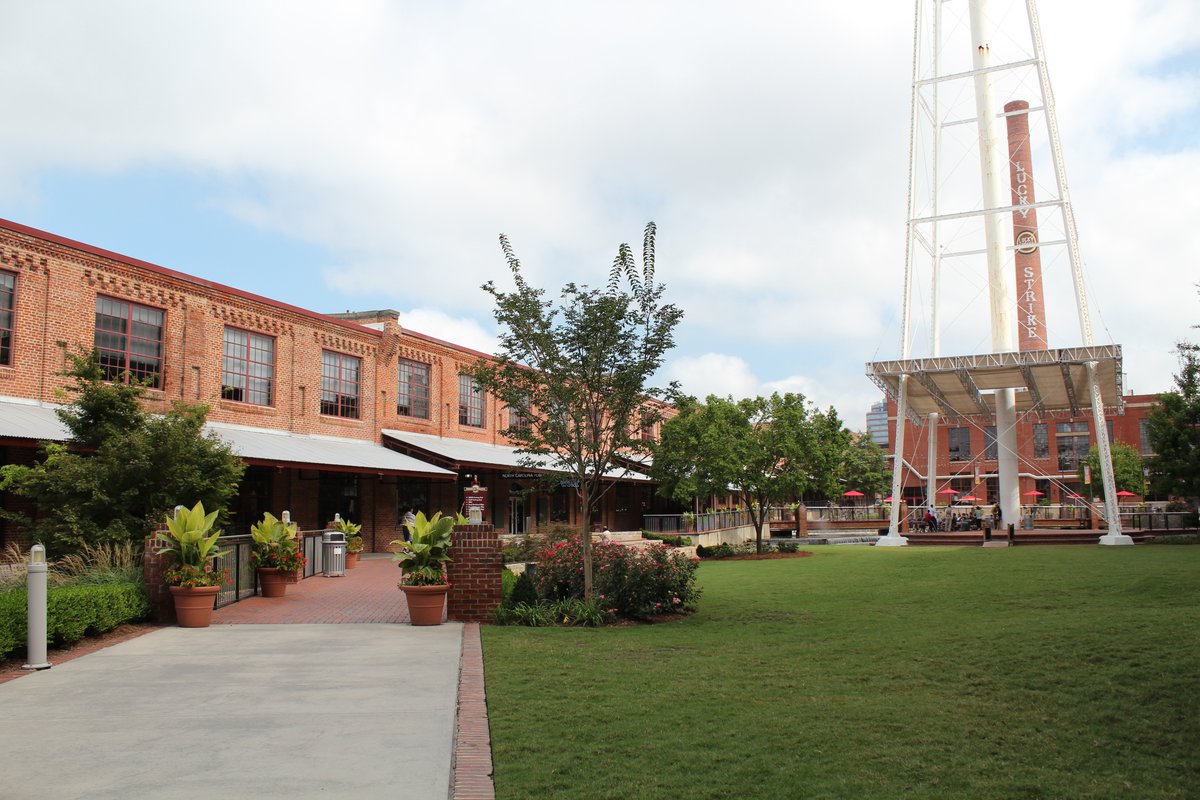
- American Tobacco Historic District Dining, events, and entertainment.
- Ninth Street District Lively area for shopping and dining.
Visitor Tips
- Best Times to Visit Spring and fall for scenic beauty and comfortable weather.
- Essentials Comfortable shoes, water, and sun protection.
- Photography Allowed outdoors; check policies for indoor spaces.
- Events Check the Duke Arts calendar and university events page.
- Self-Guided Tools Use the Duke Admissions Tour app.
- Parking Visitor parking details.
Frequently Asked Questions (FAQ)
Q: What are the visiting hours for East Campus?
A: Generally open from 8:00 AM to 8:00 PM (some sources indicate 7:00 AM–11:00 PM; confirm prior to visit).
Q: Is there an admission fee?
A: No, campus grounds are free to the public.
Q: Are guided tours available?
A: Yes, register in advance via the Duke Admissions Visit page.
Q: Is the campus accessible for individuals with disabilities?
A: Yes, with ADA-compliant entrances, parking, and paratransit services.
Q: How do I get tickets for performances?
A: Event tickets are available via the Duke Arts website or at box offices.
Q: What are top nearby attractions?
A: Sarah P. Duke Gardens, Nasher Museum of Art, Ninth Street, and American Tobacco Historic District.