History of Redford High School
Founding and Development
Redford High School began in the early 1920s at Grand River Avenue and McNichols Road, initially serving Redford Township before Detroit annexed the area in 1926 (Redford High School History). The school’s growth paralleled Detroit’s booming population, with major expansions in 1937 (second building), 1948 (connecting wing), and 1953 (athletic facilities).
Architectural and Community Significance
The campus ultimately consisted of six interconnected buildings by 1982, combining classic 1920s brickwork with later vocational wings for trades like auto mechanics and cosmetology. Notable for its ornate library, auditorium, and diverse facilities, Redford High School was not only an educational center but also a social and athletic hub for northwest Detroit (Curbed Detroit). The school was home to over 50 student organizations in its heyday and maintained a fierce rivalry with Ford High School.
Notable alumni include Olympic gold medalist Clarke Scholes, athletes Archie Matsos and Ralph Clayton, and a broad spectrum of civic and cultural contributors (Redford High School History).
Demographic Shifts and Closure
As Detroit's population changed, Redford High’s student body evolved, especially during the integration of the 1970s. Declining enrollment and budgetary challenges led to its closure in 2007. The campus was sold and demolished in 2012, with commercial redevelopment following (Model D Media).
Visiting Information for the Redford High School Site
Location, Accessibility, and Site Features
- Address 21431 Grand River Avenue, Detroit, MI 48219 (Chamber of Commerce; Wikipedia)
- Site Description The Redford High School buildings have been replaced by a Meijer grocery store and shopping center. Stonework from the original school is integrated into the Meijer facade, symbolizing the site's educational heritage.
Visiting Hours and Tickets
- Visiting Hours The Meijer store operates typical retail hours (early morning to late evening). Verify current hours on the Meijer website.
- Tickets No ticket or fee is required to visit the site or the commercial center.
Getting There
- By Car Located at Grand River Avenue and McNichols Road, with ample parking at the shopping center.
- Public Transit Served by DDOT bus routes; check the DDOT website for schedules.
What to See and Do
- Meijer Store Find the preserved Redford High stonework in the facade.
- Neighborhood Walk Explore Old Redford’s historic churches, public art, and community businesses.
- Photography Capture images of the current site and compare with archival photos (DetroitUrbex).
Nearby Attractions
- Ford High School Redford’s former rival, still operational nearby.
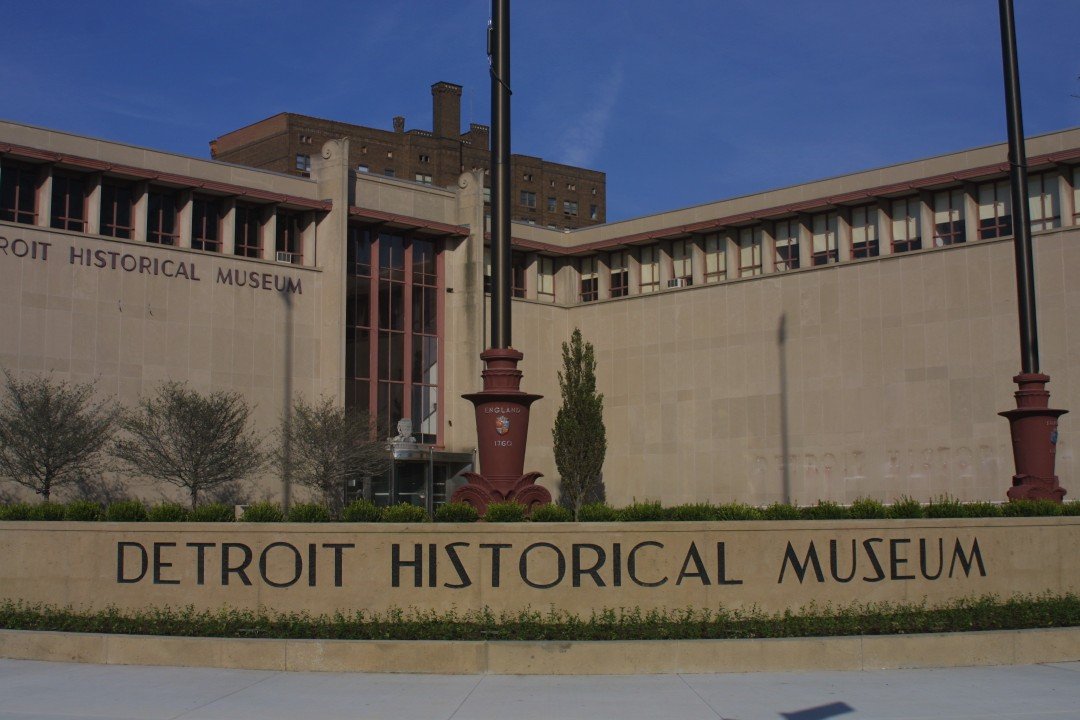
- Detroit Historical Museum Offers exhibits on Detroit’s educational and civic history (Detroit Historical Museum).
- Grand River Avenue Historic District Features mid-century architecture and community landmarks (Detroit Historical Society).
- Motown Museum and Charles H. Wright Museum For broader cultural context (Motown Museum; Charles H. Wright Museum).
Alumni Networks, Events, and Legacy
Despite the school’s demolition, Redford High’s legacy is kept alive through alumni associations, reunions, and robust online communities (Redford60.com; Redford61.com; Class of 1959). These serve as digital archives for photographs, memorabilia, and personal stories, ensuring the school’s ongoing presence in Detroit’s collective memory.
St. Mary of Redford High School: History and Redevelopment
Context and Transformation
Founded in 1925, St. Mary of Redford High School served thousands at its peak. Changing urban demographics and declining enrollments led to its closure in 1992 (Wikipedia). The site, at 14750 Mansfield St., is now being redeveloped by Volunteers of America Michigan (VOAMI) into supportive housing—a trend among Detroit’s former Catholic schools (Detroit Catholic; Outlier Media). Redevelopment is scheduled for completion by 2027.
Redevelopment and Community Impact
- Supportive Housing The project will provide affordable housing and services for low-income residents and those at risk of homelessness (VOAMI project page).
- Architectural Legacy The building retains its classic brick institutional style.
- Social Impact The project includes case management, job training, and healthcare referrals for residents.
Visiting and Engagement Tips
- Exterior Viewing Only The site is not open for public tours; photography is allowed from public sidewalks.
- Neighborhood Walks Experience the mid-century Detroit neighborhood surrounding the school.
- Support and Engagement Learn more or donate via VOAMI’s project page.
Frequently Asked Questions (FAQ)
Q: Can I tour the original Redford High School buildings?
A: No, they were demolished in 2012. The site is now a commercial property.
Q: Are there memorials at the former site?
A: There are no official historical markers, but the Meijer store preserves some original stonework.
Q: How can I connect with former students?
A: Through alumni networks and reunion websites (Redford61.com; Redford60.com).
Q: Is St. Mary of Redford High School building open to visitors?
A: No, it’s currently closed due to redevelopment, but the exterior can be viewed from public areas.
Q: How can I support the redevelopment of St. Mary of Redford?
A: Donations are accepted through VOAMI’s project page.
Summary: Planning Your Visit and Appreciating the Legacy
Redford High School’s nearly century-long presence shaped Detroit’s northwest neighborhoods and serves as a testament to the city’s evolving educational and community landscape. The site, now home to a commercial center, still holds emotional value for alumni and residents, with preserved stonework and active digital archives keeping the memory alive (Redford High School Legacy; Curbed Detroit).
St. Mary of Redford High School’s adaptive reuse as supportive housing demonstrates Detroit’s resilience and innovation in addressing social needs while honoring its architectural and educational heritage (Detroit Catholic).
While direct tours are not possible at either site, visitors can explore the locations, connect with alumni, and engage with the broader story of Detroit’s educational history and urban transformation. For deeper discovery, utilize virtual archives, participate in alumni events, and visit related landmarks like the Detroit Historical Museum.
To further explore Detroit’s educational legacy and receive updates on guided tours and local events, download the Audiala app and follow us on social media.