Introduction
Philip A. Hart Plaza is a landmark public space along Detroit’s scenic riverfront, renowned for its rich history, striking modernist architecture, and role as the city’s premier venue for major cultural events and festivals. Spanning 14 acres at the foot of Woodward Avenue, it occupies the very site where Detroit was founded in 1701, making it a place of profound historical and civic significance (BridgeDetroit). Designed by Isamu Noguchi, the plaza’s monumental art and open terraces capture both Detroit’s industrial legacy and its forward-looking spirit (Detroit Riverfront Conservancy).
This comprehensive guide covers the history, features, accessibility, event highlights, safety considerations, and travel tips for visiting Hart Plaza. Whether you’re a history enthusiast, a festival-goer, or simply looking to enjoy the riverfront, Hart Plaza is a must-visit destination in Detroit.
Photo Gallery
Explore Philip A. Hart Plaza in Pictures

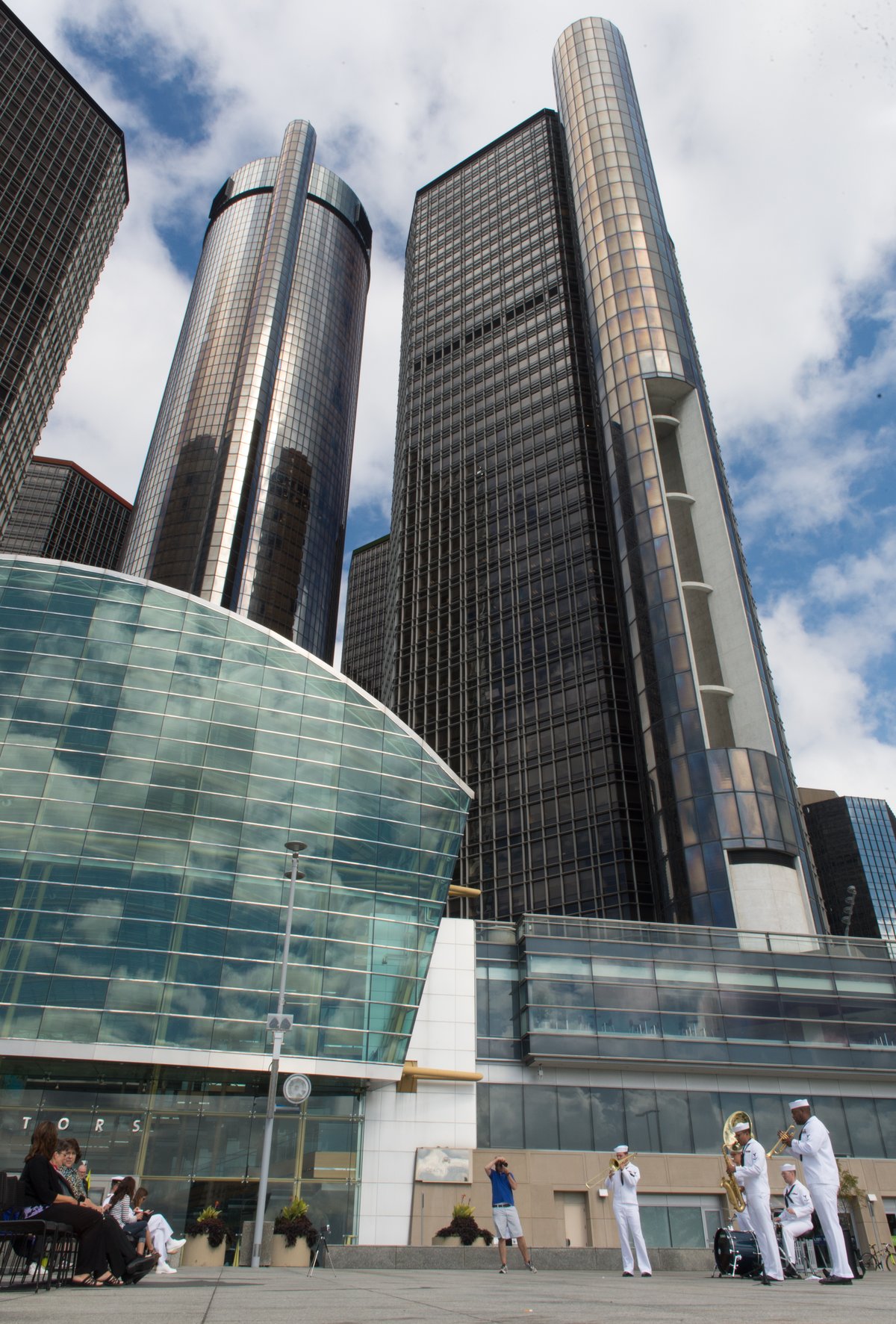
Panoramic view of Detroit skyscrapers as seen from Hart Plaza, located at the Detroit International Riverfront

Scenic view of Detroit skyline as seen from Hart Plaza, located on the Detroit International Riverfront along Jefferson Avenue at the foot of Woodward Avenue, Detroit, Michigan, USA
Discover Hart Plaza: Detroit’s Historic Riverfront Landmark
Situated where Antoine de la Mothe Cadillac landed in 1701, Hart Plaza is the epicenter of Detroit’s origins (BridgeDetroit). The site’s transformation from indigenous land to a modern urban plaza reflects Detroit’s evolution as a center of trade, industry, and culture.
Before European settlement, the area was home to indigenous peoples such as the Ojibwa, Ottawa, and Potawatomi (eReferenceDesk). Its strategic river location fostered centuries of commerce and growth.
History and Development
Vision and Planning
The concept for a civic plaza on Detroit’s riverfront emerged in the mid-20th century as part of downtown revitalization efforts. Early plans envisioned green open spaces, but the final design, selected in the 1970s, reflected modernist ideals and the ambition to make the site a bold symbol of the city’s resurgence (BridgeDetroit).
A $2 million gift from Anna Thomson Dodge enabled the creation of the Horace E. Dodge and Son Memorial Fountain, prompting the city to hold a design competition. Japanese-American artist Isamu Noguchi was chosen to design both the fountain and the plaza, resulting in a dramatically modern and innovative public space (Little Detroit History Letter).
Dedication and Naming
Construction began in the early 1970s, with the plaza’s full dedication taking place in 1979. It was named after U.S. Senator Philip A. Hart, a champion of civil rights and social justice (BridgeDetroit). The dedication was a symbol of Detroit’s aspirations for unity and renewal.
Architectural Highlights and Public Art
Hart Plaza’s design is a testament to the collaboration between Isamu Noguchi and the architectural firm Smith, Hinchman & Grylls (Detroit Riverfront Conservancy). Its multi-tiered layout, constructed primarily from concrete and granite, accommodates large crowds and provides panoramic river views.
Key Features
- Horace E. Dodge and Son Memorial Fountain: The plaza’s centerpiece, this iconic stainless steel fountain features a 30-foot ring with water jets, symbolizing Detroit’s industrial prowess (Detroit Riverfront Conservancy).
- Pylon Sculpture: Noguchi’s 120-foot twisting Pylon marks the main entrance, evoking the double helix and the themes of progress and life (Little Detroit History Letter).
- Transcending – Michigan Labor Legacy Landmark: A 63-foot steel arch by David Barr and Sergio De Guisti, honoring Detroit’s labor movement (Detroit Historical Society).
- Gateway to Freedom International Memorial: Commemorates Detroit’s role in the Underground Railroad, featuring life-sized bronze figures by Edward Dwight (Kiddle).
- Antoine de la Mothe Cadillac Statue: Celebrates Detroit’s founder, installed in 2001 (Wikipedia).
- Ford Motor Company Marker: Denotes the site of Ford’s incorporation (Detroit Historical Society).
Layout and Accessibility
The plaza features an upper level at street height and a lower level closer to the river, connected by wide ramps and stairs. Its amphitheater and open terraces accommodate up to 40,000 people for events (Visit Detroit). Recent renovations have improved ADA accessibility, including new ramps, accessible restrooms, seating areas, and upgraded signage (KISS FM Detroit).
Visiting Hours, Tickets, and Accessibility
- Visiting Hours: Hart Plaza is open to the public 24/7, though most events and optimal visiting times are from 8:00 AM to 10:00 PM.
- Tickets: General admission to the plaza is free. Some festivals and events require tickets, which can be purchased online, such as for the Ribs R&B Music Festival (Eventbrite).
- Accessibility: The plaza is ADA-compliant, featuring ramps, accessible restrooms, and designated seating areas. Event organizers provide additional accommodations during major festivals.
Major Events and Festivals
Hart Plaza is Detroit’s premier venue for signature annual events, attracting locals and visitors from around the world:
- Detroit Jazz Festival: The world’s largest free jazz festival, held over Labor Day weekend (Detroit Jazz Festival).
- Movement Electronic Music Festival: Celebrates Detroit’s techno legacy every Memorial Day weekend (Movement Festival).
- Ribs R&B Music Festival Weekend: August 8–10, 2025, featuring food, music, and community (Eventbrite Ribs R&B Festival).
- Motor City Pride: Michigan’s largest LGBTQ+ event, typically in June (Motor City Pride).
- African World Festival: July 18–20, 2025, celebrating African Diaspora culture (The Wright Museum – African World Festival).
During these events, food vendors, live entertainment, and family-friendly activities transform the plaza into a vibrant celebration space.
Safety and Accessibility Features
General Safety
Hart Plaza is generally safe, especially during events when security is heightened (The Tourist Checklist). Standard urban precautions apply: keep valuables secure, remain in well-lit areas at night, and be mindful of belongings in crowds. Security personnel and first aid stations are present during large events.
Weather and Environmental Preparedness
The open-air setting means visitors should plan for weather changes. Bring sun protection, water, and rain gear as needed. Event organizers often provide water stations and shaded areas.
Accessibility
Recent renovations have greatly improved accessibility, with ADA-compliant ramps, accessible restrooms, and designated seating and drop-off zones (KISS FM Detroit). Public transit and rideshare services have nearby drop-off points.
Practical Visitor Information
- Address: 1 Hart Plaza, Detroit, MI 48226 (The Tourist Checklist)
- Public Transit: Served by DDOT and SMART buses, Detroit People Mover (Financial District station), and bike paths.
- Parking: Multiple nearby garages and lots; accessible spaces available but limited during events.
- Facilities: Restrooms, benches, shaded areas, and expanded amenities during festivals. Food vendors offer a variety of cuisines at major events, with nearby restaurants open year-round.
- Wi-Fi: Not guaranteed; check with event organizers.
Photographic Spots and Guided Tours
Notable photo locations include the Horace E. Dodge Fountain, the Pylon, Gateway to Freedom Memorial, and panoramic river views. Guided tours are available through the Detroit Riverfront Conservancy and local operators, providing insights into the plaza’s history and public art (Detroit Riverfront Conservancy).
Sustainability Initiatives
Hart Plaza festivals, including the African World Festival, are advancing sustainability with zero-waste goals, increased recycling, and composting by 2026 (The Wright Museum – African World Festival).
Frequently Asked Questions (FAQ)
Q: What are Hart Plaza’s visiting hours?
A: Open 24/7; event hours may vary.
Q: Is there an entry fee?
A: No, general access is free. Some events require tickets.
Q: Is Hart Plaza wheelchair accessible?
A: Yes, the plaza is ADA-compliant with ramps and accessible facilities.
Q: How can I get to Hart Plaza?
A: Use public transit, rideshare, or park in nearby garages. The Detroit People Mover stops close by.
Q: Are there guided tours?
A: Yes, through the Detroit Riverfront Conservancy and local tour providers.
Summary
Philip A. Hart Plaza is the heart of Detroit’s riverfront, blending deep historical roots, bold modernist design, and a dynamic calendar of events. Its location, public art, and accessibility make it a top destination for visitors seeking to experience Detroit’s history, culture, and community spirit. Ongoing revitalization is enhancing its amenities and green spaces, ensuring a welcoming and inclusive environment for all (BridgeDetroit; Detroit Riverfront Conservancy).
For current event schedules, accessibility updates, and travel tips, visit the Detroit Riverfront Conservancy or download the Audiala App.
Listen to the full story in the app
Your Personal Curator, in Your Pocket.
Audio guides for 1,100+ cities across 96 countries. History, stories, and local insight — offline ready.
Audiala App
Available on iOS & Android
Join 50k+ Curators
Sources
- verified
-
verified
Philip A
Hart Plaza Detroit: Visiting Hours, Tickets, History & Things to Do, 2023, Detroit Riverfront Conservancy and Kiddle
- verified
-
verified
Philip A
Hart Plaza Events, Visiting Hours, and Guide to Detroit's Premier Riverfront Venue, 2024, Detroit Jazz Festival, Eventbrite, Movement Festival , ,
- verified
- verified
Last reviewed: