
Origins and Construction
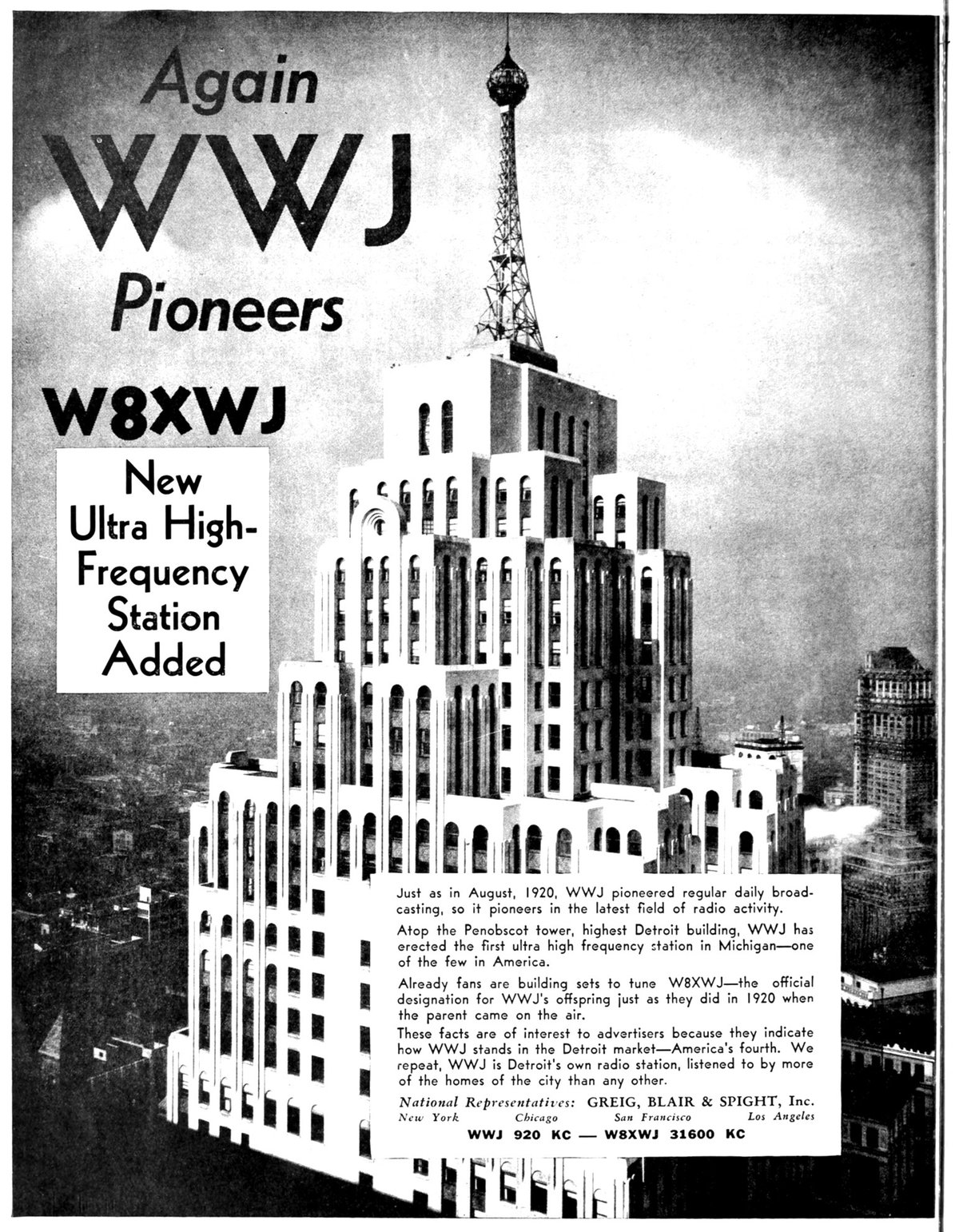
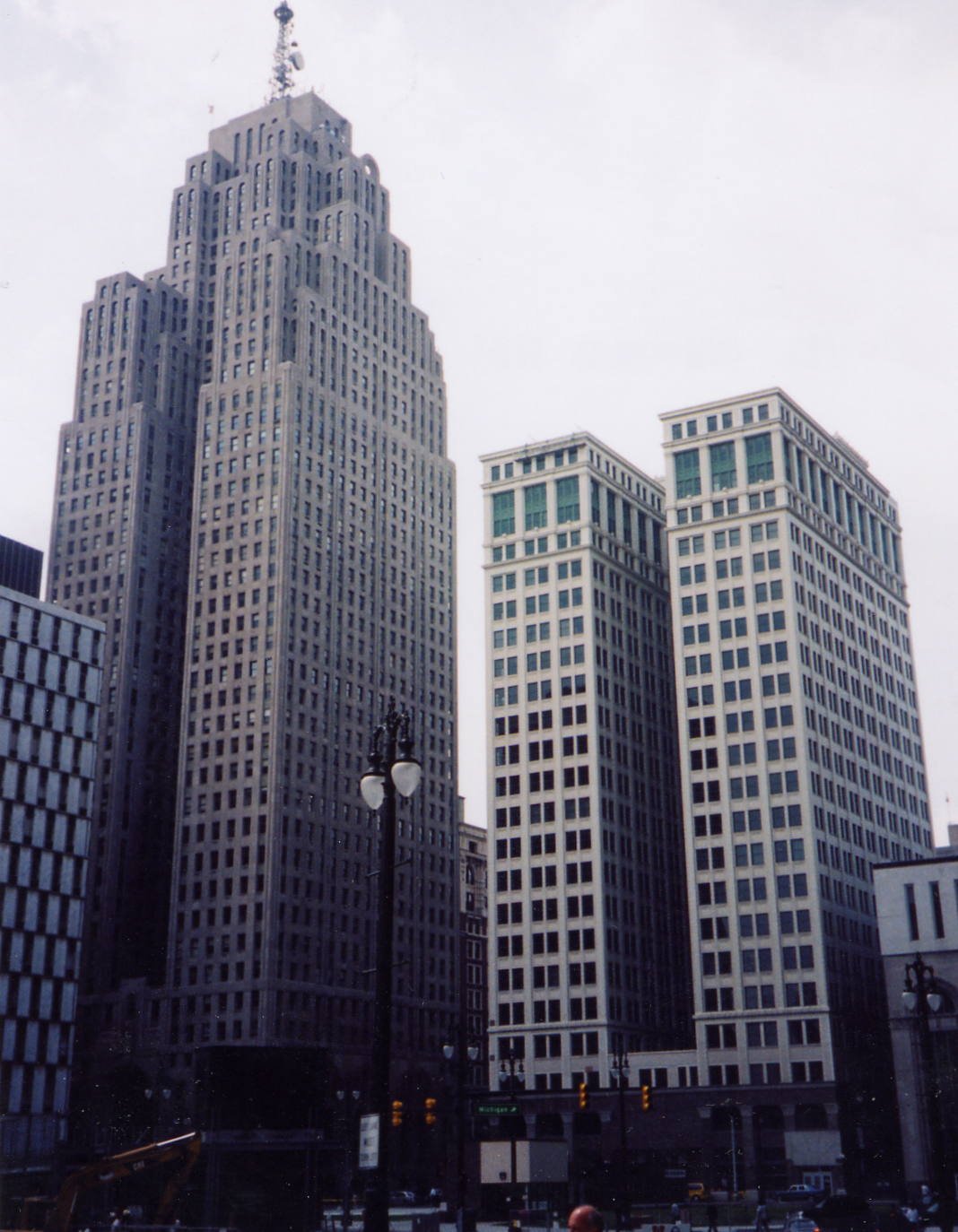
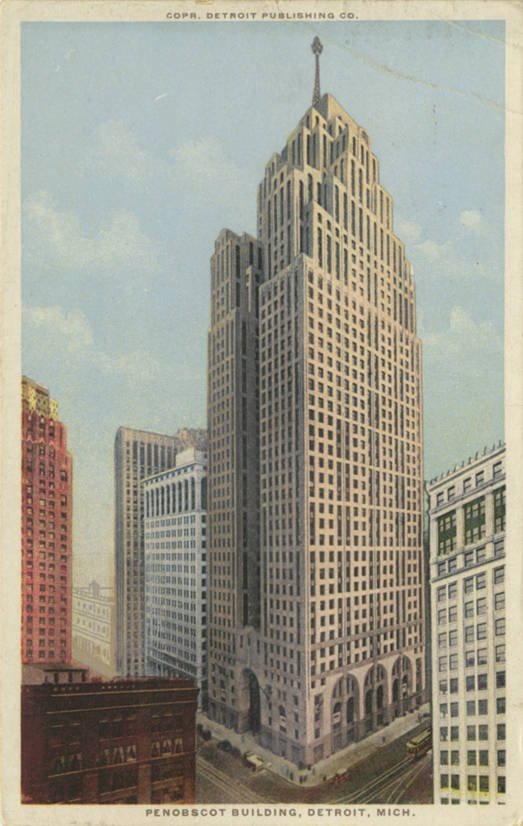
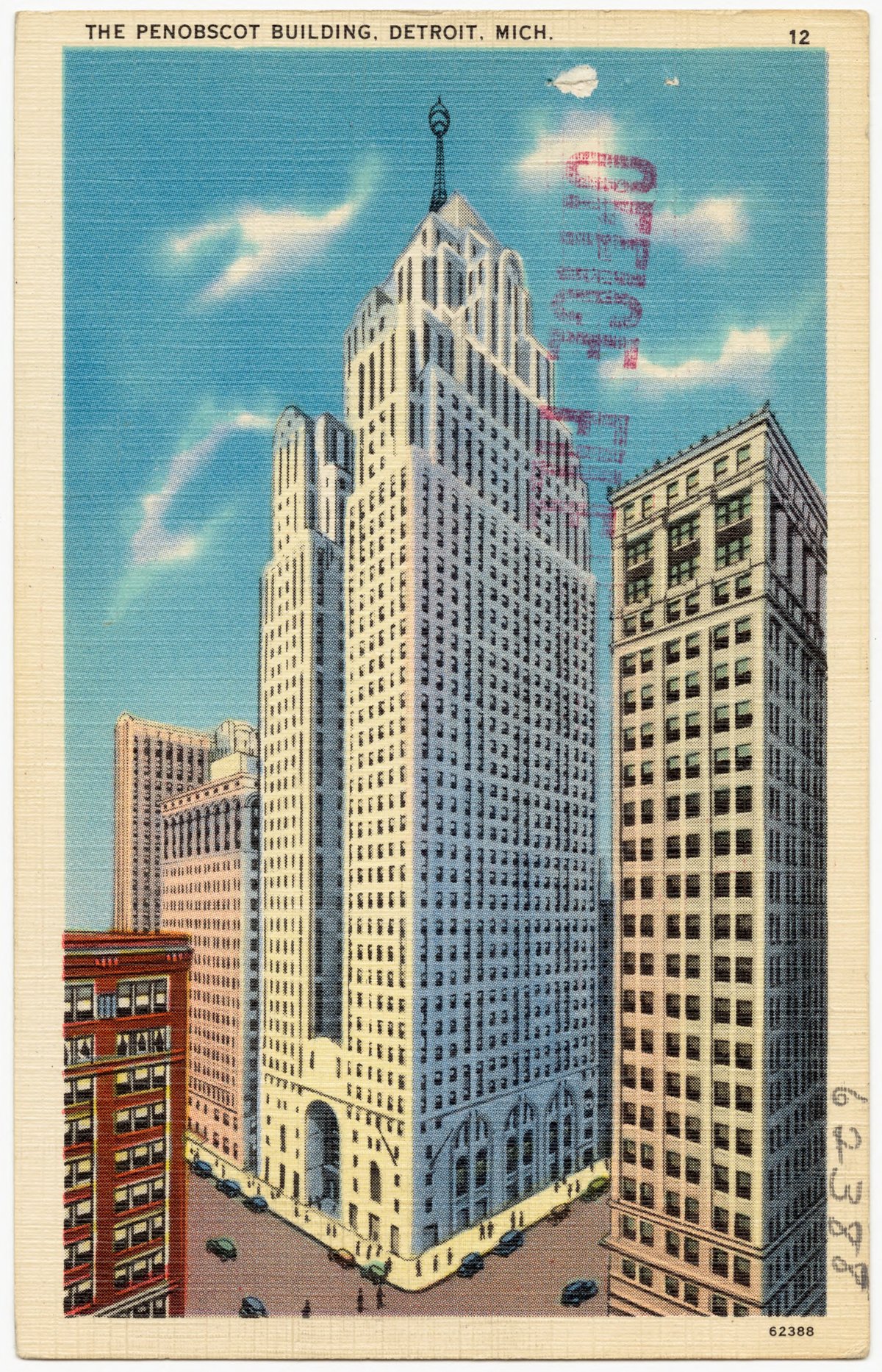
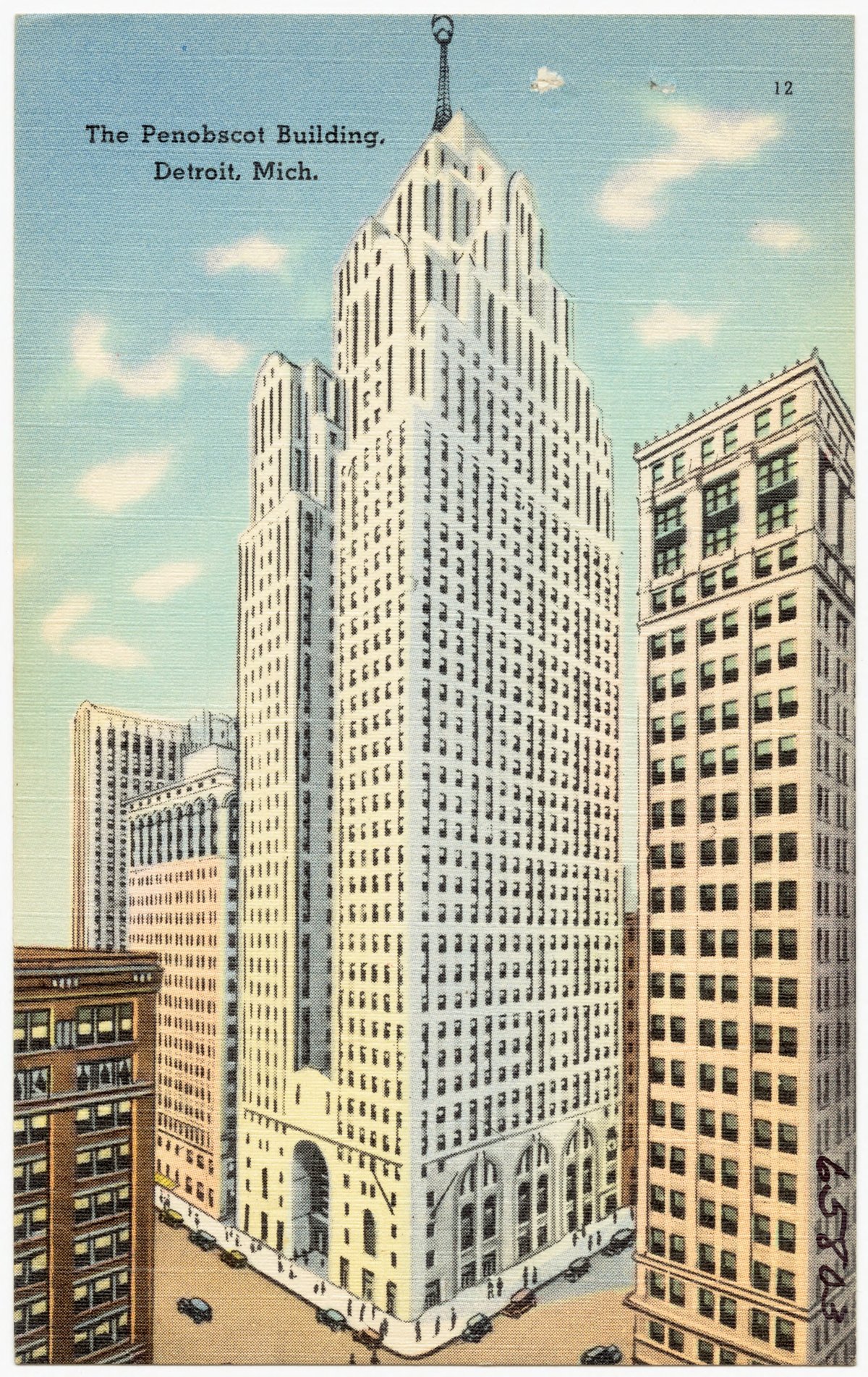
The site of the Penobscot Building has hosted three successive structures bearing its name. The current skyscraper, completed in 1928, was designed by Wirt C. Rowland of Smith, Hinchman & Grylls. Its construction coincided with Detroit’s automotive boom, and at 654 feet (to the antenna), it was the tallest building in Michigan and the eighth tallest in the world at its debut (Emporis). This towering edifice helped establish Detroit’s reputation for architectural ambition.
Architectural Significance
The Penobscot Building is a hallmark of Art Deco architecture, characterized by:
- Bold geometric forms and setbacks designed in response to zoning laws, maximizing light at street level.
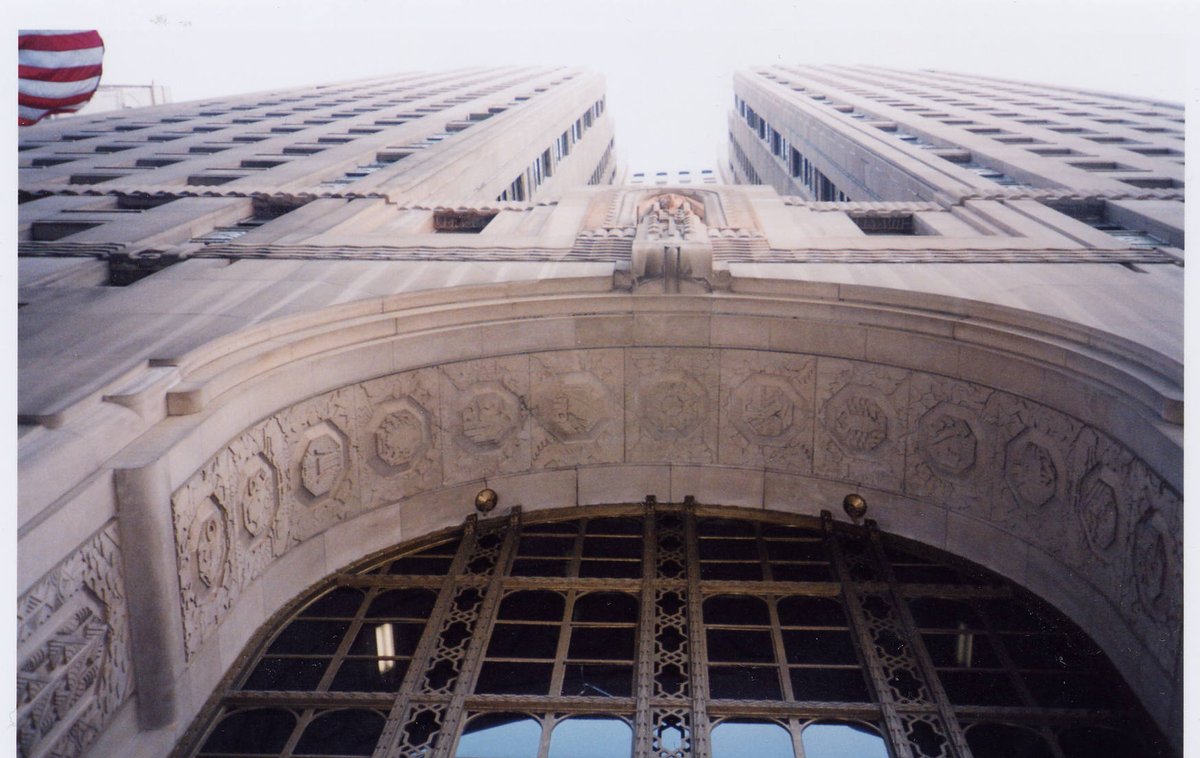
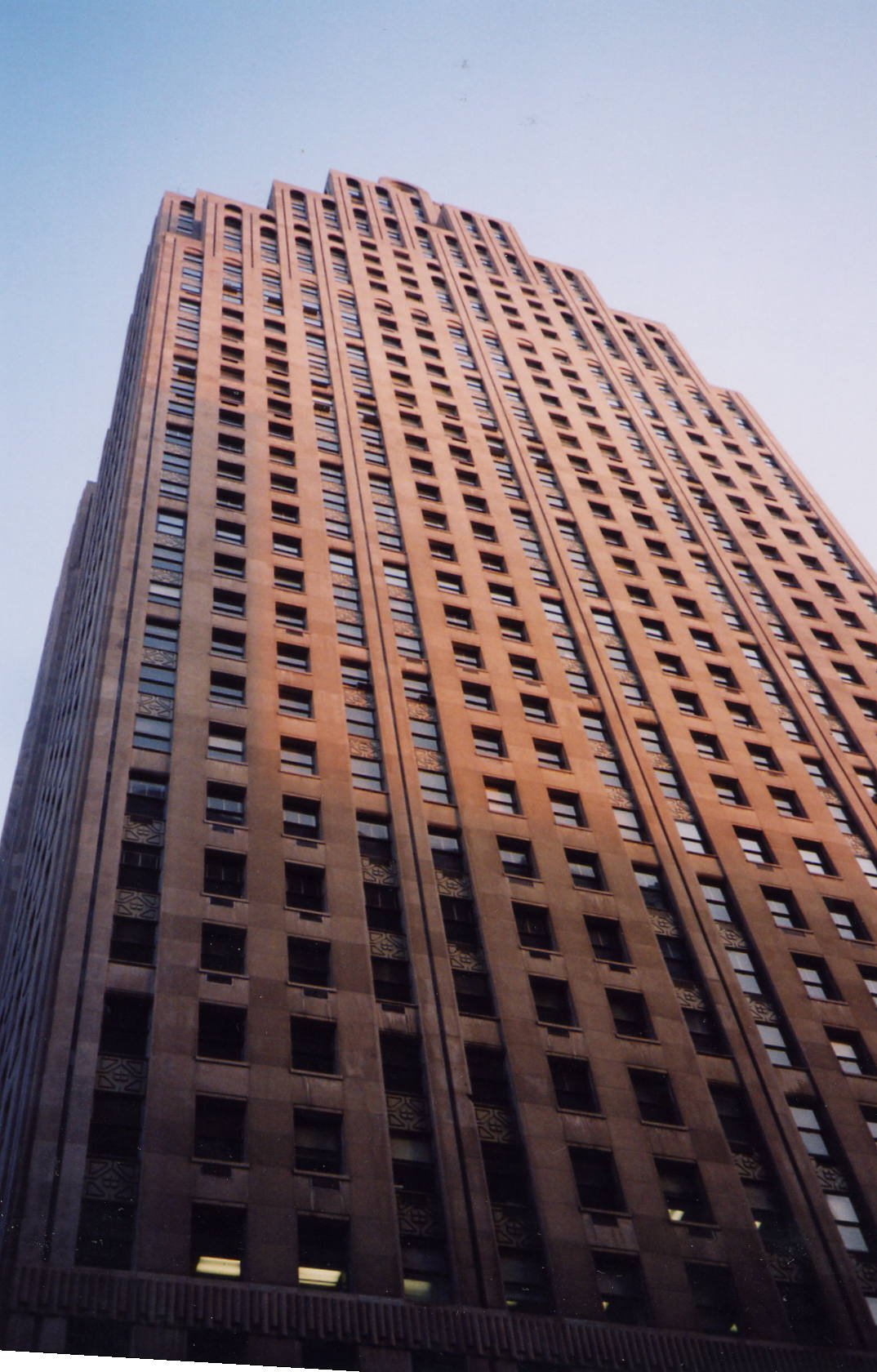
- Native American-inspired ornamentation, particularly referencing the Penobscot tribe of Maine—a nod to the heritage of developer Simon Jones Murphy (ArchDaily).
- Exterior limestone and granite with decorative bronze, marble, and stylized motifs by Corrado Parducci.
- A prominent red neon beacon atop the building, earning it the nickname "Detroit’s Nightlight."
- A grand three-story lobby featuring opulent marble and bronze finishes, and original Art Deco elevator doors (Historic Detroit).
Key Historical Milestones
- 1928 Building completed and opens as Detroit’s flagship office address.
- 1930s–1950s Remains a symbol of economic stability during challenging decades.
- 1976 Added to the National Register of Historic Places (National Park Service).
- 2000s–Present Undergoes renovations and remains central to Detroit’s urban renaissance (Crain’s Detroit Business).
Visiting the Penobscot Building
Visiting Hours and Entry Information
- Public Access Monday through Friday, 8:00 AM to 6:00 PM. The lobby and retail areas are open to visitors; upper floors are reserved for tenants.
- Weekend Access Restricted unless special tours or events are scheduled.
- Entry Free for independent visits to the lobby. Security may require visitors to sign in or state their purpose.
Guided Tours and Tickets
- Self-Guided Audio Tours Several apps offer self-paced, audio-guided walks including the Penobscot Building, typically priced around $7 per person (TravelMag).
- Preservation Detroit Tours Seasonal, expert-led tours focus on Detroit’s architectural heritage and often include the Penobscot Building. Tickets are generally $20 and advance booking is advised (Preservation Detroit).
- Pure Detroit Tours Occasionally feature the Penobscot Building, especially during special events; check their official website for current schedules.
Guided tours provide access to deeper historical context and may include areas not open to the general public.
Photography and Visitor Experience
- Photography Permitted in public areas (lobby and exterior). Use of tripods or professional equipment may require prior approval. Always respect security and tenant privacy.
- Lobby Highlights Marvel at the polished marble, bronze detailing, and indigenous motifs—signature elements of the building’s Art Deco style.
Accessibility
- Wheelchair Access Main entrance is accessible, and elevators serve all floors.
- Restrooms Typically reserved for tenants; public restrooms are not generally available.
- Public Transit The Detroit People Mover’s Financial District station is nearby, and multiple public parking garages are within walking distance.
(Curbed Detroit, Visit Detroit)
Nearby Attractions
- Guardian Building Another Art Deco masterpiece just steps away.
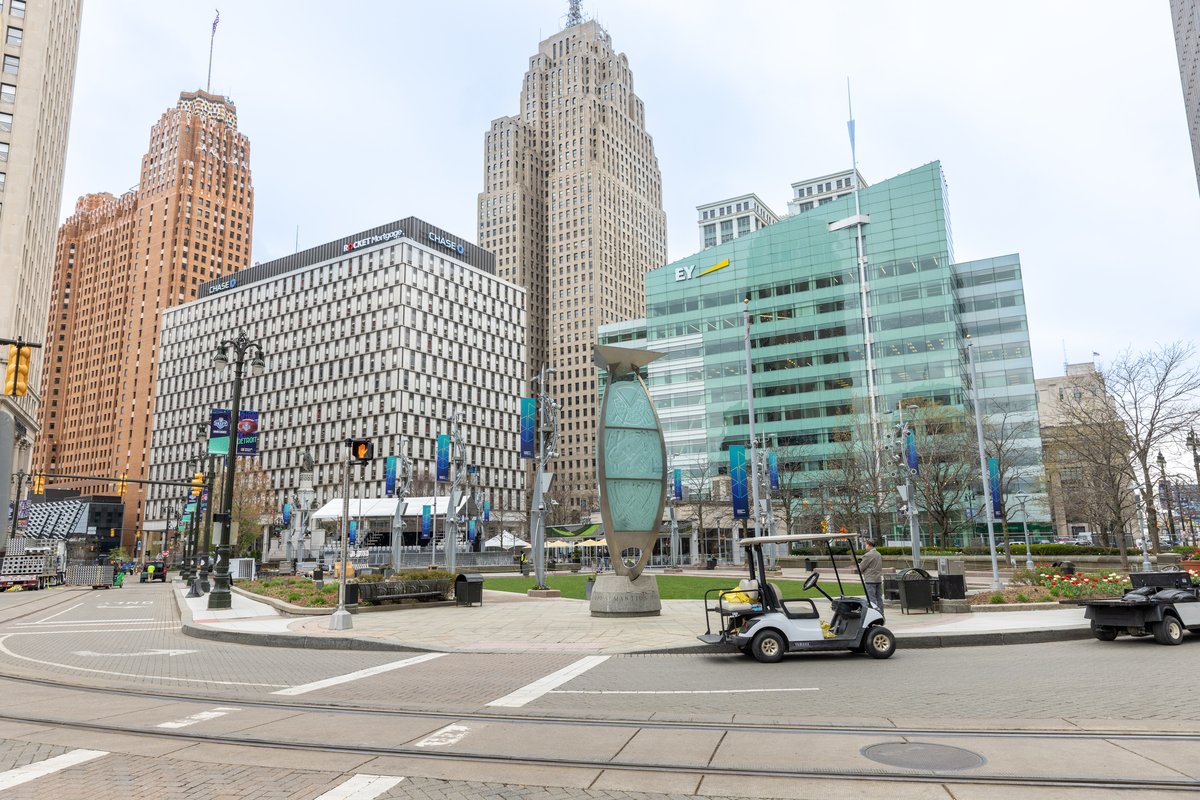
- Campus Martius Park A bustling city square with dining, entertainment, and events.
- Hart Plaza and Detroit Riverwalk Scenic destinations ideal for walking tours.
- Kern’s Clock and Local Street Art Additional historic and visual attractions within easy reach.
Cultural and Urban Significance
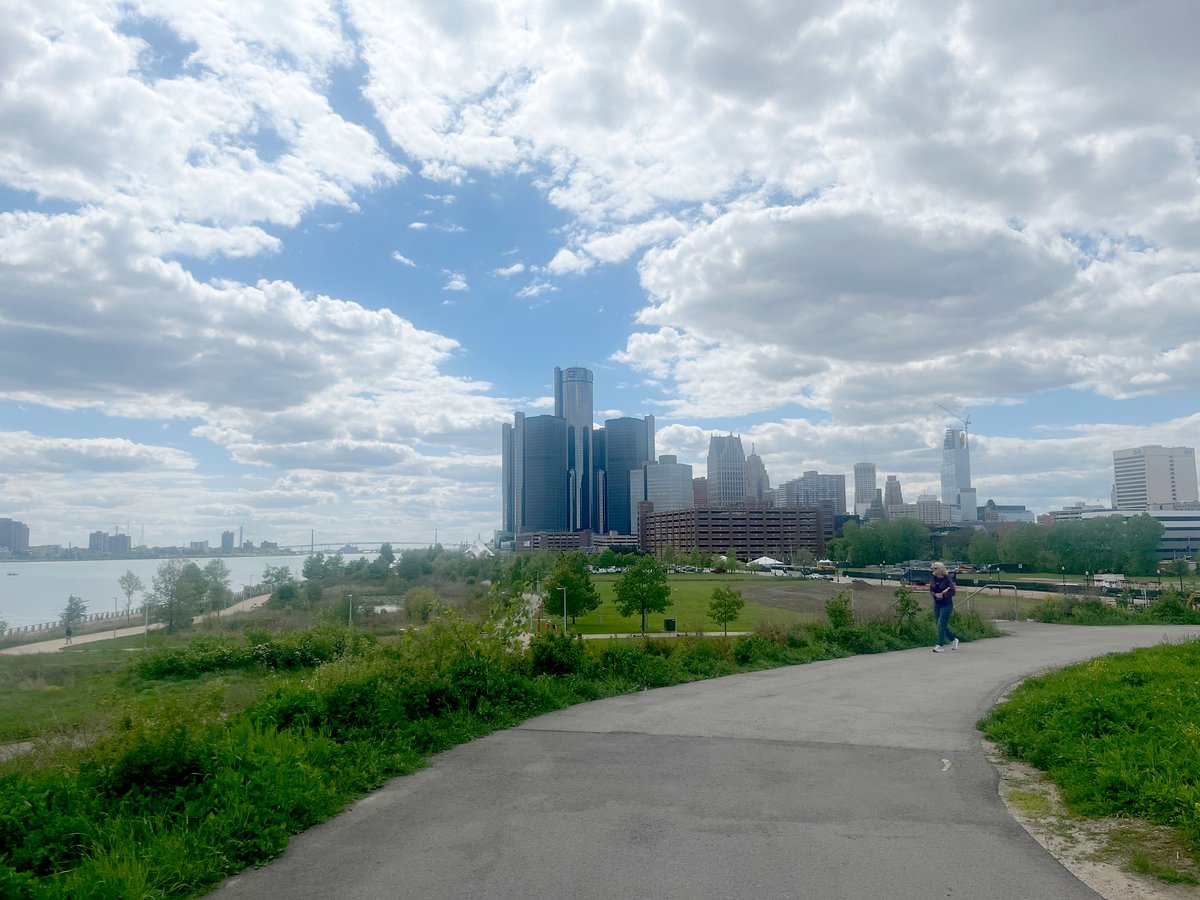
The Penobscot Building is more than an architectural icon—it is a symbol of Detroit’s resilience and cultural complexity. Its indigenous motifs pay homage to the Penobscot tribe, while its illuminated beacon and soaring design have inspired filmmakers, artists, and civic events. The building anchors a historic district that includes numerous landmarks and continues to play a vital role in Detroit’s urban identity (Model D Media, detroit1701.org).
Practical Tips for a Memorable Visit
- Plan Ahead Confirm business hours and tour availability before your visit.
- Dress Appropriately Comfortable footwear is recommended for urban exploration.
- Bring Identification Some tours or security desks may request photo ID.
- Respect the Space Remember, this is an active office building—maintain appropriate decorum.
- Combine Visits Explore nearby attractions like the Guardian Building and Campus Martius Park for a full day of Detroit culture.
Frequently Asked Questions (FAQs)
Q: What are the Penobscot Building visiting hours?
A: Monday–Friday, 8:00 AM–6:00 PM; weekends for special events or tours.
Q: Is there an admission fee?
A: Entry to the lobby is free; guided tours may require tickets.
Q: Are guided tours available?
A: Yes, through providers like Preservation Detroit and via self-guided audio tours.
Q: Is the building wheelchair accessible?
A: Yes, the main entrance and lobby are accessible; elevators serve all floors.
Q: Can I take photos inside?
A: Photography is permitted in public areas; professional shoots may require approval.
Q: Are restrooms available for visitors?
A: Restrooms are generally reserved for tenants; plan ahead for facilities.
Summary and Final Recommendations
The Penobscot Building stands as a testament to Detroit’s architectural excellence and cultural richness. Its accessible lobby, engaging guided tours, and proximity to other historic sites make it an essential stop on any Detroit itinerary. For up-to-date visitor information, tour schedules, and event listings, consult official resources such as Preservation Detroit, Detroit Historical Society, and Visit Detroit. Enhance your experience by downloading the Audiala app for self-guided tours and more insider tips.
Whether you’re captivated by Art Deco ornamentation, intrigued by Detroit’s urban rebirth, or simply seeking the best vantage points for city photography, the Penobscot Building offers a unique window into the city’s past and its ongoing narrative of innovation and renewal.