
Origins and Early Development
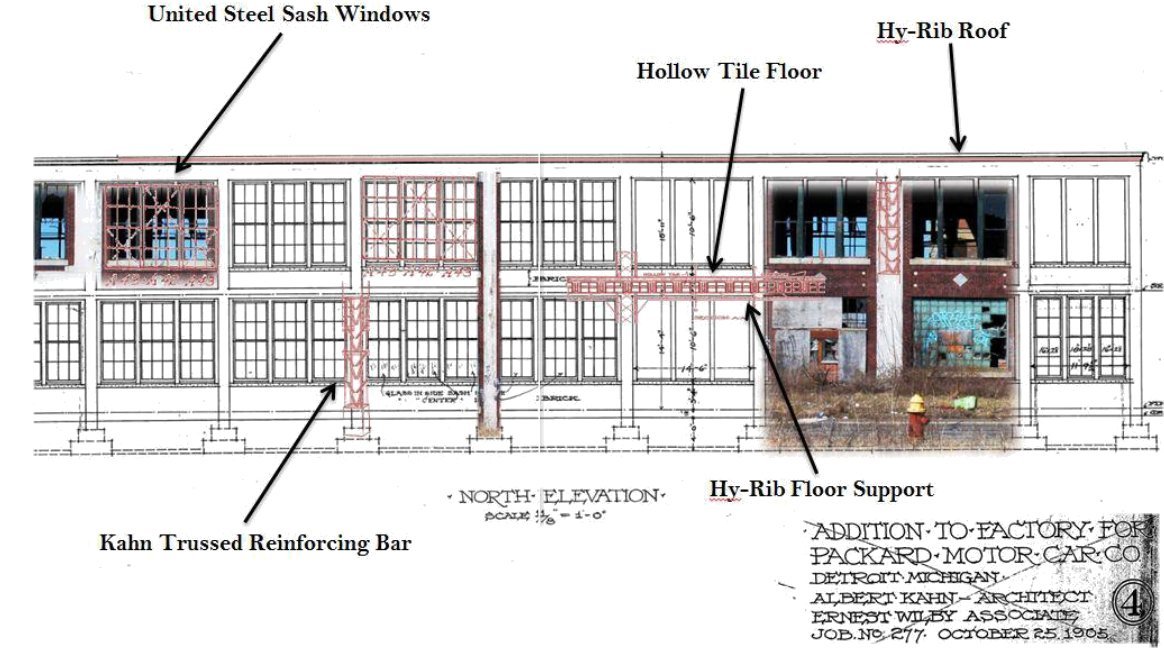
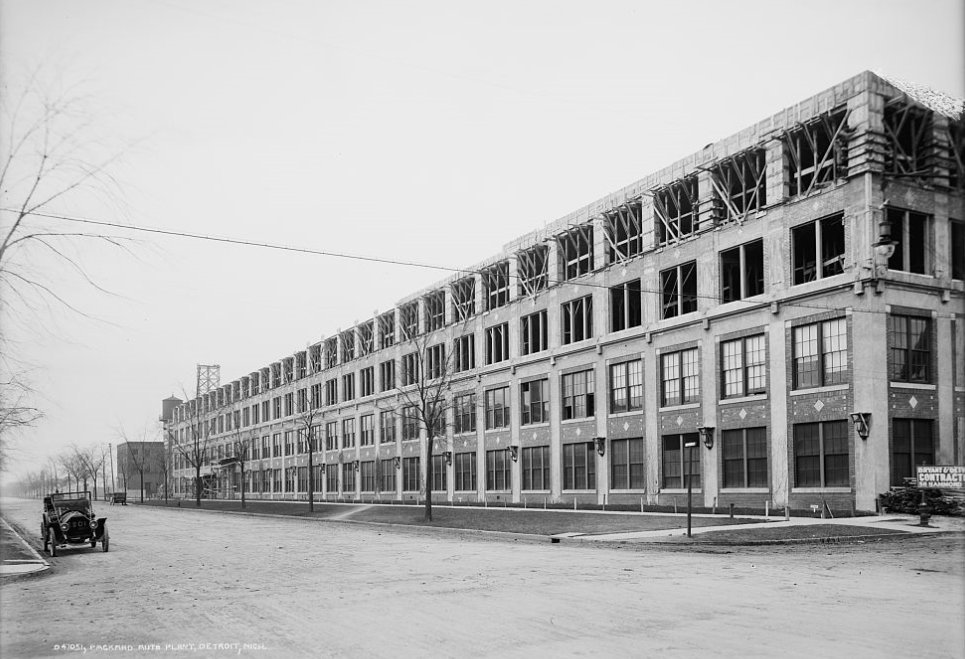
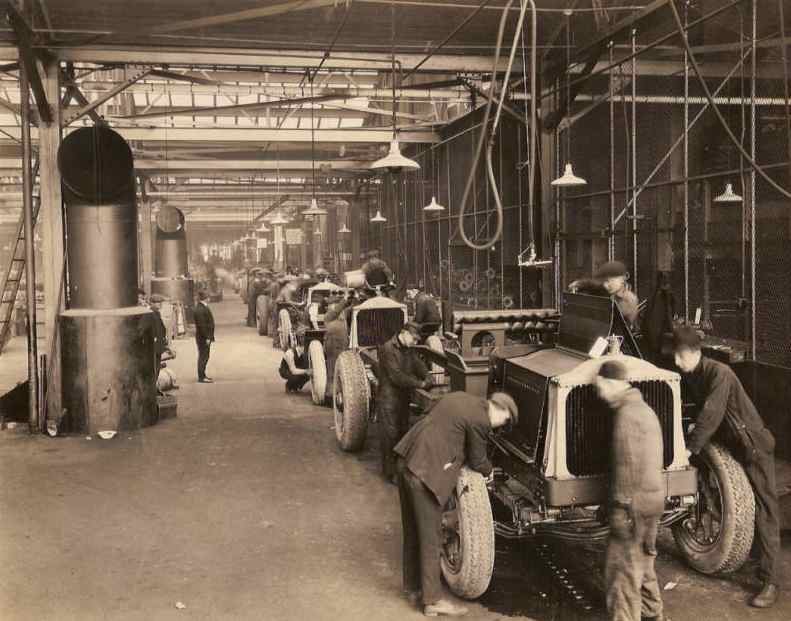
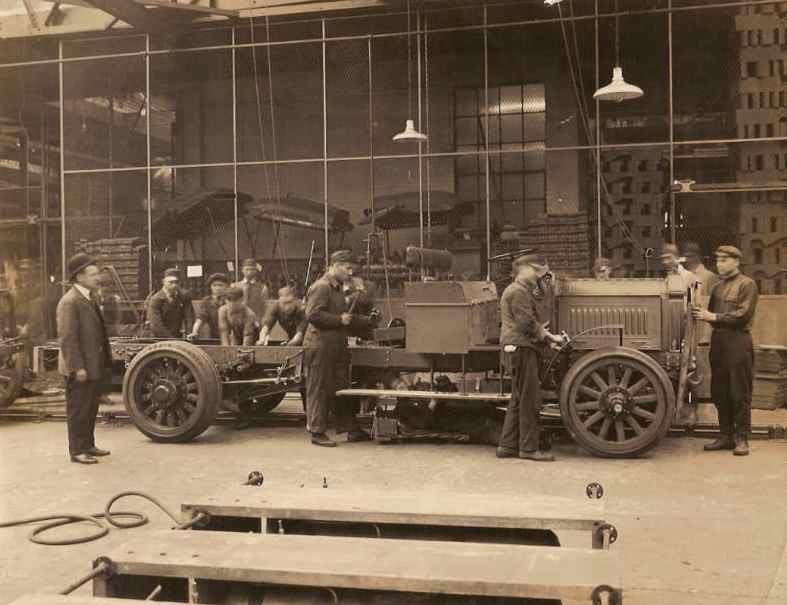
The Packard Motor Car Company was founded in Warren, Ohio, by brothers James Ward Packard and William Doud Packard, along with George Lewis Weiss. By 1903, the company relocated to Detroit to capitalize on the city’s burgeoning automotive sector (Historic Detroit). The company commissioned Albert Kahn to design a state-of-the-art factory on East Grand Boulevard. Kahn’s revolutionary use of reinforced concrete allowed for larger, safer, and more adaptable production spaces—setting a new standard in industrial architecture (Springer Link).
Architectural Innovation and Expansion
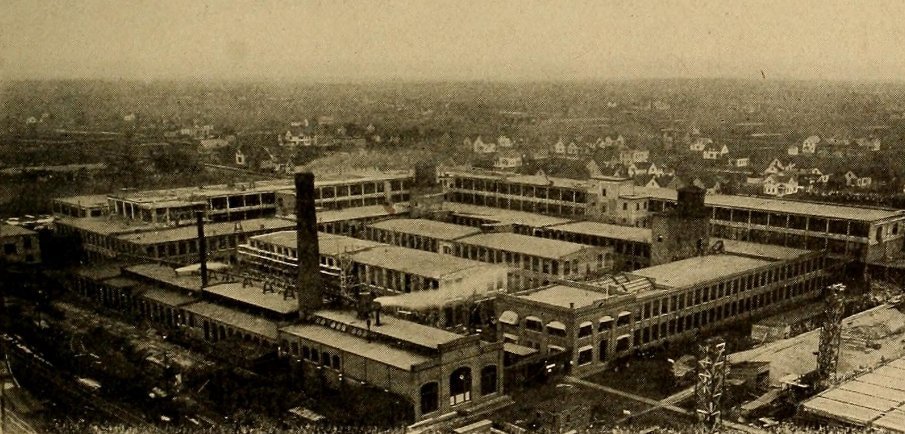
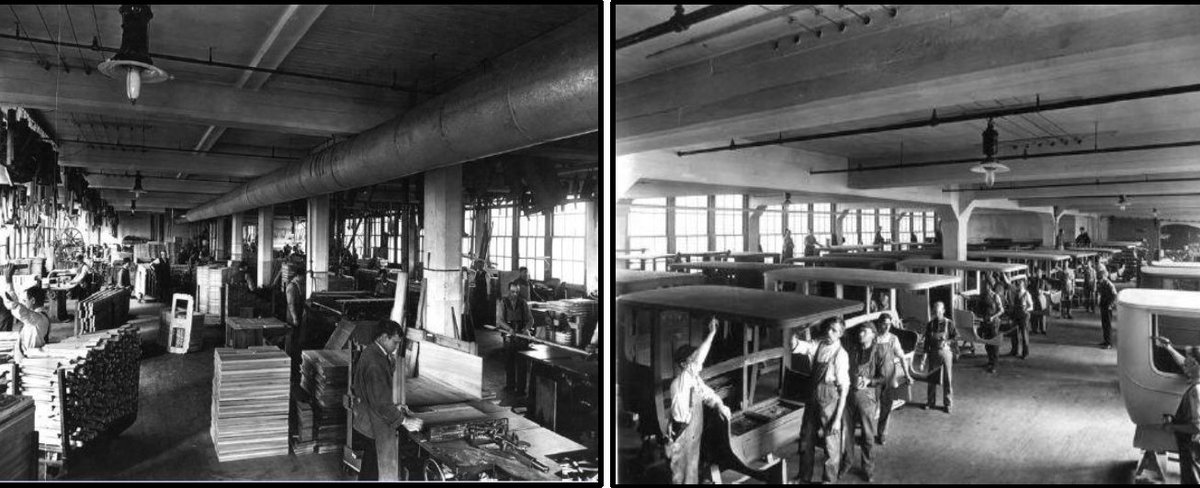
The Packard Plant rapidly grew, eventually comprising over 80 buildings across 40 acres, with more than 3.5 million square feet of floor space (Cheryl Howard). Kahn’s emphasis on fireproof construction, natural lighting, and open layouts enabled efficient assembly line manufacturing, influencing subsequent automotive factories worldwide (Springer Link). The plant’s scale and sophistication made it one of the most advanced industrial complexes of its era (World Abandoned).
Packard became synonymous with luxury and innovation, producing over 1.6 million vehicles and introducing technological firsts such as the 12-cylinder engine and early automotive air conditioning systems (Drivers Daily).
Wartime Contributions
During both World Wars, the Packard Plant shifted from luxury car production to war manufacturing. Notably, it produced the V-1650 Merlin engine under license for the P-51 Mustang fighter plane, underscoring the plant’s adaptability and vital role in the Allied victory (World Abandoned).
Postwar Decline and Abandonment
After World War II, Packard struggled to compete in a changing marketplace. The company’s 1954 merger with Studebaker failed to reverse its fortunes, and the final Packard rolled off the line in 1956 (Historic Detroit). The plant briefly housed other industrial tenants but was largely abandoned by 1999 (Ran When Parked).
The Site in Urban Decay and Cultural Memory
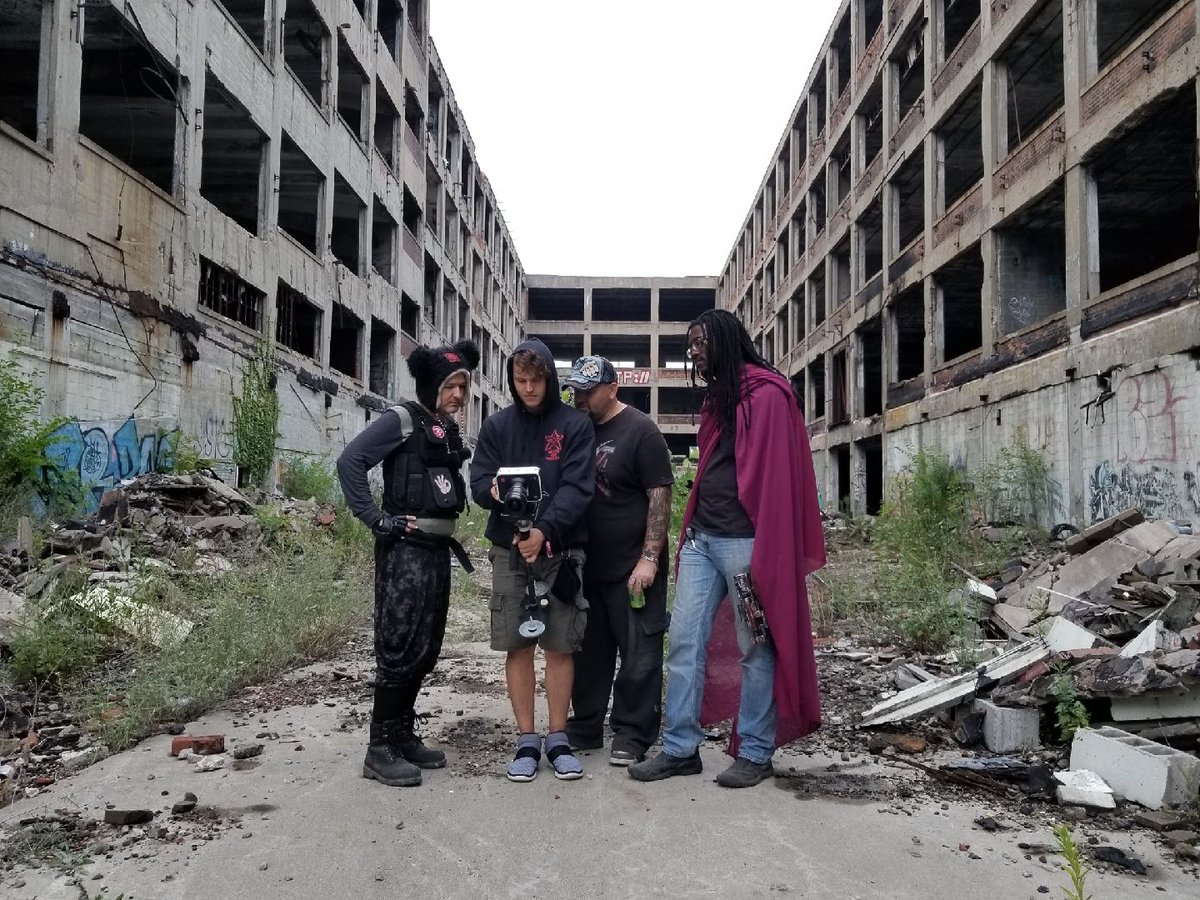
Abandonment turned the Packard Plant into a symbol of Detroit’s industrial decline. The vast, decaying complex became a magnet for urban explorers, graffiti artists, and scrappers, featuring in films, documentaries, and countless photo essays (Michigan Public). Its iconic bridge—once a vital artery for moving car bodies—collapsed in 2019, further marking the end of an era (Motor City Packards).
Despite decades of neglect, the Packard Plant endures as a powerful cultural symbol and a cautionary tale about the challenges of urban renewal and industrial preservation (Cheryl Howard).
Demolition, Preservation, and Current Redevelopment
As of 2025, demolition of the Packard Plant is well underway, funded in part by the American Rescue Plan (CBS Detroit). Most of the 42-acre site is being cleared, with only select sections along East Grand Boulevard set for preservation (ClickOnDetroit). The city aims to redevelop the area for new manufacturing, commercial, and community uses, balancing practical needs with historical commemoration (Urbanize Detroit).
Visiting the Packard Automotive Plant: Hours, Tickets, and Tours
Current Access:
The Packard Automotive Plant is not open to the public for tours or general visits due to active demolition and safety hazards. There are no official visiting hours or ticketing systems at this time (Ran When Parked). Occasionally, guided tours or special events may be offered by heritage groups, but these are rare and subject to closure depending on site activity (Great Lakes Explorer).
Virtual Tours:
For a safe alternative, several virtual resources provide immersive experiences, such as panoramic images and 360-degree walkthroughs (Abandoned in 360).
Staying Informed:
To receive updates on potential tours or events, sign up for newsletters from Detroit heritage organizations, follow the City of Detroit’s official channels, or use mobile apps like Audiala.
Travel Tips and Nearby Attractions
While direct access to the Packard Plant is restricted, Detroit offers many automotive and industrial heritage sites:
- Ford Piquette Avenue Plant Birthplace of the Model T, now a museum with guided tours.
- Detroit Historical Museum Explores Detroit’s industrial, automotive, and cultural history.
- The Henry Ford Museum Showcases American innovation and the auto industry.
- Motown Museum & Eastern Market For broader Detroit cultural experiences.
Getting There:
The Packard Plant is located at 1580 East Grand Boulevard, accessible by car. Parking is available on surrounding streets, but public transit is limited.
Safety, Accessibility, and Visitor Etiquette
- Safety The Packard Plant is an active demolition zone. Unauthorized entry is illegal and dangerous due to unstable structures and debris. Only view the site from public streets during daylight hours (CBS Detroit).
- Accessibility There are no visitor facilities, restrooms, or designated wheelchair access. The area has uneven pavement and construction debris.
- Etiquette Respect all barriers and signage, avoid trespassing, and be considerate of local residents. Do not litter or remove materials from the site.
Frequently Asked Questions (FAQ)
Can I visit the Packard Plant?
No, the site is closed to the public due to safety and demolition activity.
Are there tickets or guided tours?
There are currently no official tours or ticketed events. Special access may be announced by heritage groups in the future.
Is it safe to enter the site?
No. The area is hazardous and trespassing is strictly prohibited.
Are there accessible options for people with disabilities?
There are no accessible facilities on-site. Virtual tours are recommended.
How can I stay updated?
Follow Detroit’s official channels, heritage newsletters, or the Audiala app for updates.
Summary and Recommendations
The Packard Automotive Plant remains a profound testament to Detroit’s industrial heyday, architectural innovation, and the complexities of urban transformation. While the plant is closed for public visits, its story lives on through virtual explorations, preservation efforts, and alternative heritage sites across Detroit (Springer Link, Historic Detroit).
Support responsible tourism by respecting safety guidelines, supporting local businesses, and engaging with Detroit’s vibrant cultural scene.