Introduction
Located in the heart of downtown Detroit, the Music Hall Center for the Performing Arts is an enduring symbol of the city’s vibrant cultural and artistic spirit. Since its opening in 1928 as the Wilson Theatre, the venue has evolved in both purpose and design, serving as a cornerstone for Detroit’s performing arts landscape. Its rich history, architectural grandeur, and ongoing commitment to community engagement make it a must-visit destination for both locals and tourists.
This comprehensive guide offers everything you need to plan your visit to the Music Hall Center, including details on its history, visiting hours, ticketing, accessibility, nearby attractions, upcoming expansion, and special events. For current schedules and ticket purchases, always refer to the official Music Hall website.
Origins and Architectural Significance
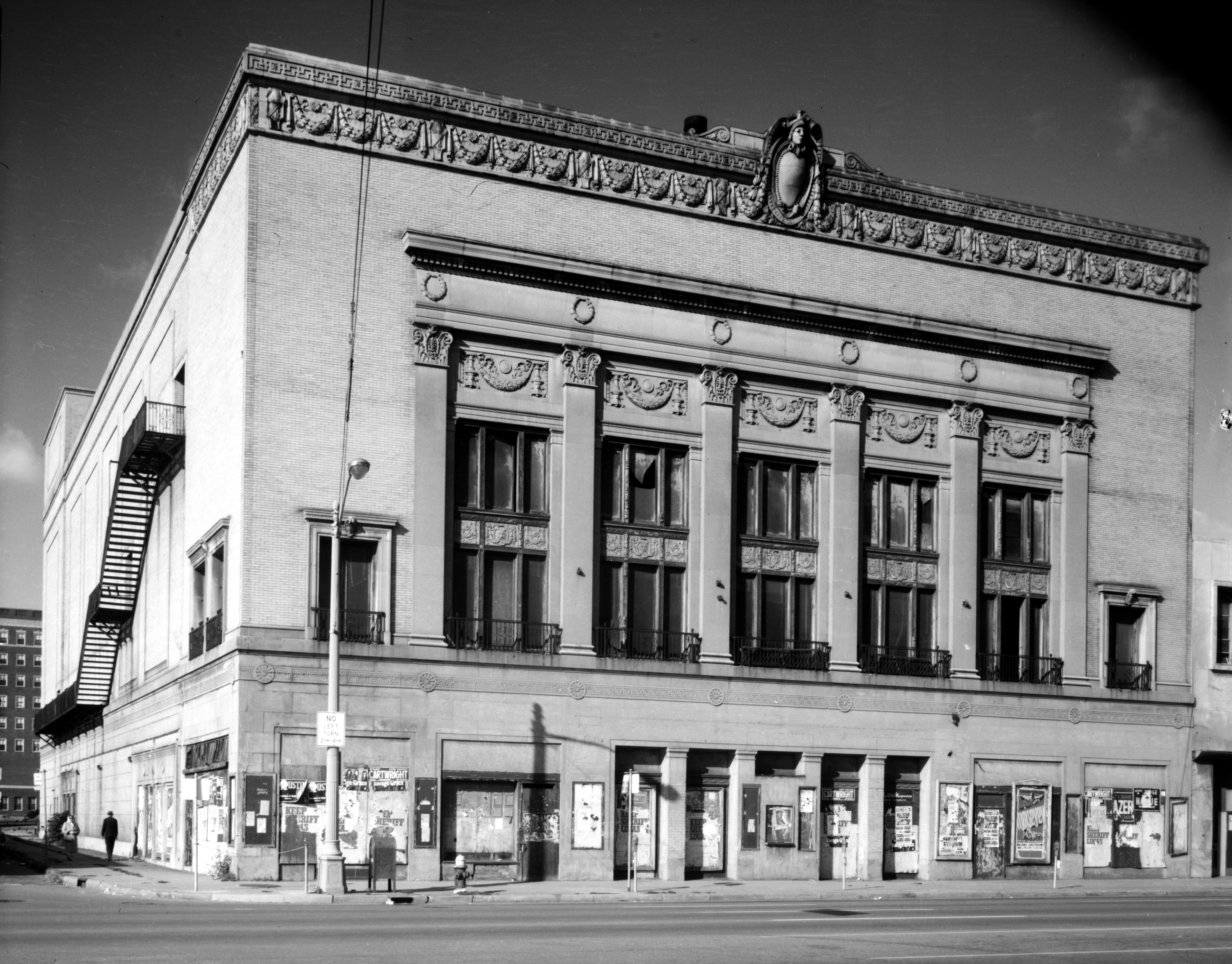
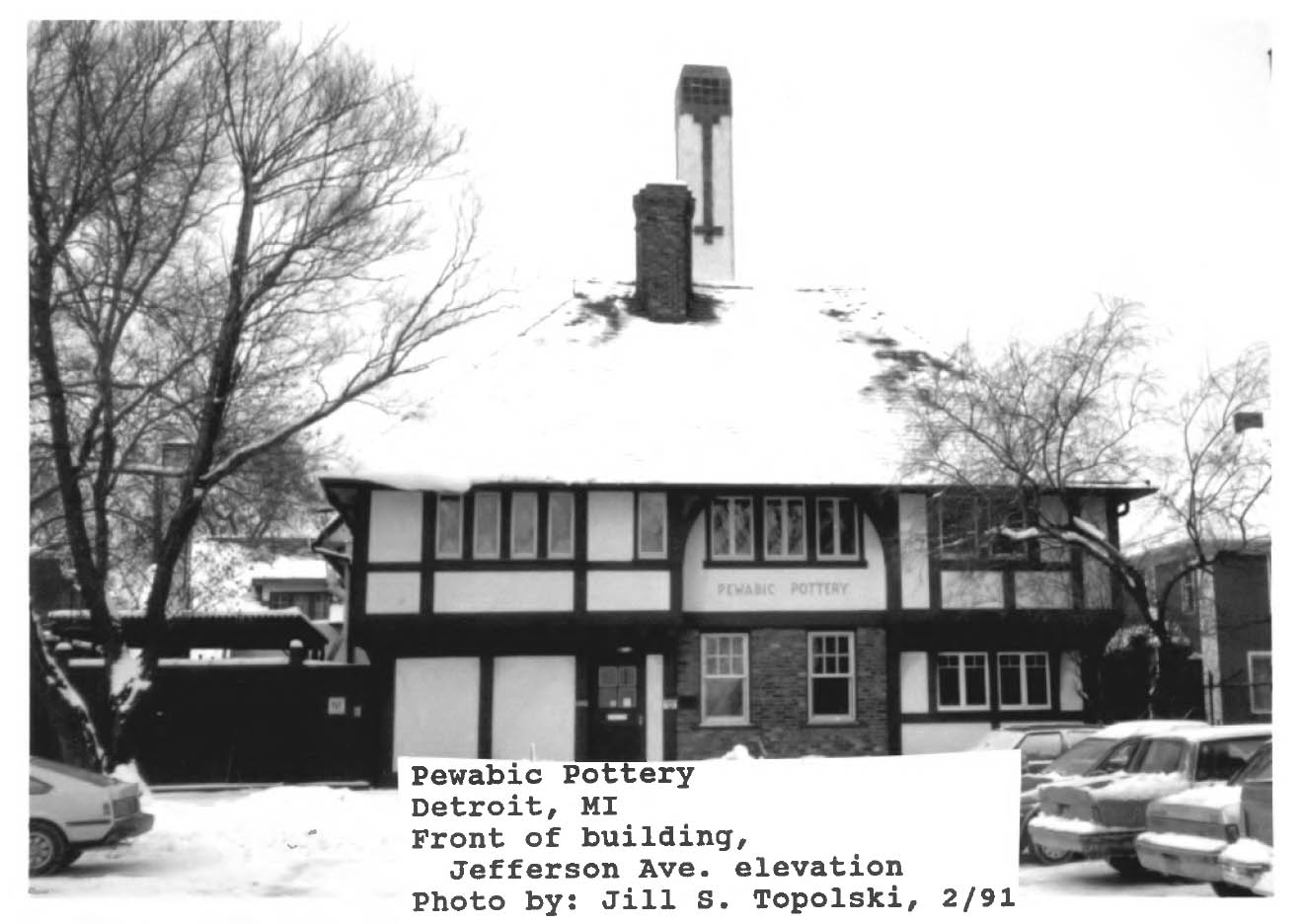
Commissioned by Matilda Dodge Wilson in the late 1920s, the Music Hall was envisioned as a home for repertory theater and touring Broadway productions, signifying Detroit’s emergence as a cultural hub. Designed by the prominent firm Smith, Hinchman & Grylls, under architect William Kapp, the building is a striking example of Art Deco architecture. The façade features distinctive orange and tan brickwork, Pewabic tile, terra cotta theatrical motifs, and a parapet adorned with colorful tilework (Historic Detroit).
Inside, the auditorium blends Spanish Renaissance style—with elaborate plasterwork, stenciling, molded columns, and original wood paneling—creating a luxurious yet intimate environment. The original 1,800-seat auditorium was engineered for superior acoustics and sightlines, a hallmark still appreciated by audiences and performers alike (Music Hall PDF).
Evolution Through the Decades
During the Great Depression, the venue played host to the Detroit Symphony Orchestra and, later, transitioned into a movie palace featuring early Cinerama technology. In the 1970s, it became home to the Michigan Opera Theatre and underwent significant restoration. The building’s historic and cultural value was recognized with designations as a Michigan State Historic Site and inclusion on the National Register of Historic Places.
Today, the Music Hall Center is known as Detroit’s “People’s Theater,” renowned for its diverse programming—ranging from jazz and Broadway to urban theater and contemporary dance—serving as a gathering place for the community and an incubator for local talent (Music Hall Center Prospectus, p. 4).
Visitor Information
Visiting Hours
- Box Office Hours: Generally open Monday through Saturday, 10:00 AM – 6:00 PM; extended hours on event days. Always consult the official website or call ahead for the most up-to-date information.
- Performance Hours: Vary by event. Arrive early to enjoy the venue’s lounges and historic architecture.
Tickets and Pricing
- Ticket Purchases: Available online via the Music Hall website, at the box office, or through authorized vendors.
- Prices: Typically range from $20 to $100 depending on event and seating. Discounts are often available for students, seniors, and groups.
Accessibility
- Wheelchair Access: Ramps, elevators, and designated seating.
- Assistive Listening: Devices available upon request at the box office.
- Restrooms: Fully accessible facilities on all levels.
- Additional Services: Staff are available to assist with special needs; advance notice is encouraged (Visit Detroit).
Getting There and Parking
- Address: 350 Madison Ave, Detroit, MI 48226 (Music Hall official site)
- By Car: Multiple nearby garages and surface lots; check the website for current parking information.
- Public Transit: Detroit People Mover and QLINE streetcar stops are within walking distance.
- Rideshare/Taxi: Drop-off and pick-up zones near the main entrance.
Nearby Attractions
- Arts & Entertainment: Detroit Opera House, Fox Theatre, Madison Cultural Corridor, Grand Circus Park, Detroit Institute of Arts.
- Dining: Numerous restaurants and cafes nearby; Aretha’s Jazz Café is located within the venue.
- Accommodations: Several hotels and short-term rentals within walking distance (Bandsintown Hotels & Rentals).
Special Events and Guided Tours
- Events: The Music Hall hosts live music, theater, dance, comedy, festivals, and community programs (Music Hall events).
- Guided Tours: Occasional tours of the historic and backstage areas are available; check the website or contact the box office for schedules.
Expansion and Modern Developments
The Music Hall Center is currently undergoing a major expansion, led by Tod Williams Billie Tsien Architects, set for completion in 2026 (ArchDaily). Highlights include:
- New 1,900-Seat Concert Hall and a 200-seat recital hall.
- State-of-the-Art Music Academy and practice studios.
- Public Welcome Center to enhance community access.
- Rooftop Restaurant with panoramic city views.
- Architectural Integration: A perforated metal façade, floating canopy, and aerial walkways connect the historic and new buildings, blending tradition with innovation.
Frequently Asked Questions (FAQ)
Q: What are the Music Hall Center’s visiting hours?
A: The box office is generally open Monday–Saturday, 10:00 AM–6:00 PM, with extended hours on event days. Always check the official website for current details.
Q: How do I buy tickets?
A: Tickets can be purchased online, at the box office, or via authorized ticketing partners.
Q: Is the venue accessible?
A: Yes. Wheelchair seating, ramps, elevators, and assistive listening devices are available.
Q: Where can I park?
A: Multiple nearby garages and surface lots. Public transit and rideshare options are also convenient.
Q: Are guided tours available?
A: Yes, guided tours are offered occasionally. Check the event calendar or call ahead.
Q: What are some nearby attractions?
A: Fox Theatre, Detroit Institute of Arts, Detroit Opera House, Grand Circus Park, and Madison Cultural Corridor.
Visitor Tips and Amenities
- Arrive Early: Enjoy the venue’s architectural features and lounges.
- Dress Code: No formal dress code; business casual is typical for evening events.
- Food & Beverage: Aretha’s Jazz Café offers food and drinks; outside catering is available for private events.
- Family-Friendly: Most performances are open to all ages.
- Merchandise: Event merchandise and artist memorabilia are available for purchase.
- Photo Opportunities: The Art Deco façade, illuminated entrances, and auditorium interior are popular photography spots.
Listen to the full story in the app
Your Personal Curator, in Your Pocket.
Audio guides for 1,100+ cities across 96 countries. History, stories, and local insight — offline ready.
Audiala App
Available on iOS & Android
Join 50k+ Curators
Sources
- verified
- verified
- verified
- verified
Last reviewed: