Introduction
Nestled in the heart of Detroit, the Harmonie Club stands as a living testament to the city’s German-American heritage, architectural grandeur, and ongoing cultural renaissance. Established in 1849 as Detroit’s oldest musical association, the Harmonie Club has evolved from a vibrant singing society to a meticulously restored event venue at the center of the Paradise Valley district’s revival. This guide provides everything you need to plan your visit—from Harmonie Club visiting hours and ticket information to the site’s historical significance, accessibility features, and nearby attractions. Whether you're a history enthusiast, architecture lover, or cultural explorer, discover how the Harmonie Club connects Detroit’s storied past to its dynamic present.
Photo Gallery
Explore Harmonie Club in Pictures
Early Foundations and German-American Roots
The Harmonie Club’s origins are rooted in Detroit’s 19th-century German immigrant community. Formed as the Gesang-Verein Harmonie in 1849 by ten German immigrants, the club aimed to preserve language, customs, and fellowship through the singing of Lieder—traditional German art songs (The Clio). By the late 19th century, Detroit’s German-American population was among the city’s most influential ethnic groups, and the Harmonie Society became their cultural epicenter (Bentley Historical Library).
Architectural Evolution and Beaux-Arts Landmark
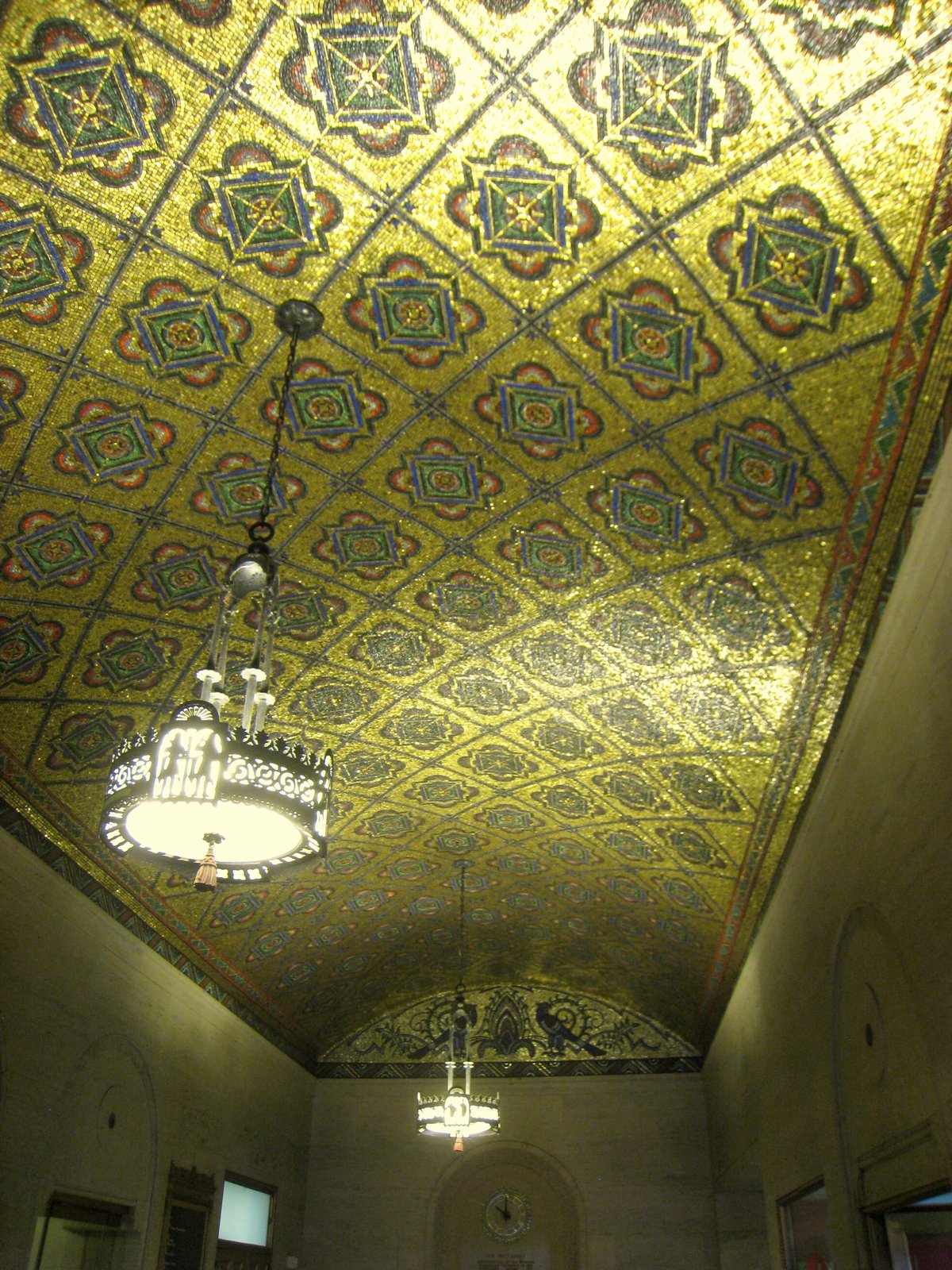
As the Harmonie Society flourished, it commissioned a new building after a fire destroyed the original Harmonie Hall in 1893. The current Harmonie Club at 267 East Grand River Avenue, designed by German-American architect Richard E. Raseman, was completed in 1895 and stands as a pristine example of Beaux-Arts architecture (detroit1701.org; historicdetroit.org). The building features a stately, symmetrical façade, ornate stonework, and classically inspired flourishes. Inside, grand ballrooms, a historic Lieder Hall, and richly decorated spaces reflect the club’s original function as a social and musical hub (pridesource.com).
Cultural Significance and Community Impact
From its inception, the Harmonie Club served as a beacon of cultural enrichment. It welcomed members of diverse backgrounds and became known for its choral performances, festivals, and musical events. Notably, its Sängerfests drew thousands of singers and guests to Detroit, reinforcing the city’s place as a regional center for German musical culture (Bentley Historical Library). The club’s archives, including songbooks and memorabilia, capture the convivial spirit and community-building role it played for generations.
Decline, Bankruptcy, and Preservation Efforts
The mid-20th century brought challenges as Detroit’s demographics shifted and club membership declined. Financial mismanagement led to bankruptcy in 1974, and the building changed hands several times, falling into periods of neglect (The Clio). Despite these setbacks, the Harmonie Club’s historical materials were preserved by the Bentley Historical Library, and the building’s importance was recognized through historic designation (Bentley Historical Library).
Restoration and Contemporary Role
Recent decades have seen the Harmonie Club thoughtfully restored and repurposed. Now serving as a premier event venue, the club remains a focal point for Detroit’s cultural and business life. Its restoration preserves both architectural splendor and historic character, with updated amenities and accessibility features. The Club’s flexible spaces accommodate weddings, performances, exhibitions, and civic gatherings, and it now anchors Detroit’s revitalized Paradise Valley Cultural and Entertainment District (Visit Detroit; Michigan Chronicle).
Visiting the Harmonie Club: Hours, Tickets, and Accessibility
Visiting Hours:
- The Harmonie Club currently operates primarily as an event venue. Public access is available during scheduled events, exhibitions, or by appointment for guided tours.
- Typical hours for public events are Tuesday through Saturday, 10:00 AM to 7:00 PM, but these may vary. Always confirm on the official website or event listings in advance.
Tickets:
- There is no general admission fee; entrance is by ticketed event, private booking, or during special public openings.
- Tickets for concerts, festivals, or exhibitions can be purchased online (see DEGC event calendar) or at the box office when available.
Accessibility:
- The Harmonie Club is fully accessible, with ramps, elevators, accessible restrooms, and clear signage. Visitors with specific needs should contact the venue in advance to ensure accommodations.
Guided Tours:
- Special guided tours are available during select festivals or by appointment. Tours showcase the club’s architecture, history, and cultural legacy.
Photography:
- Visitors are welcome to photograph the Harmonie Club’s historic spaces during public events. Flash and commercial shoots require prior approval.
Nearby Attractions and Travel Tips
The Harmonie Club’s central location in Paradise Valley makes it an excellent starting point for exploring Detroit historical sites:
- Detroit Opera House: Historic performing arts venue nearby.
- Greektown: Known for dining, nightlife, and cultural vibrancy.
- Campus Martius Park: A lively public square with seasonal events.
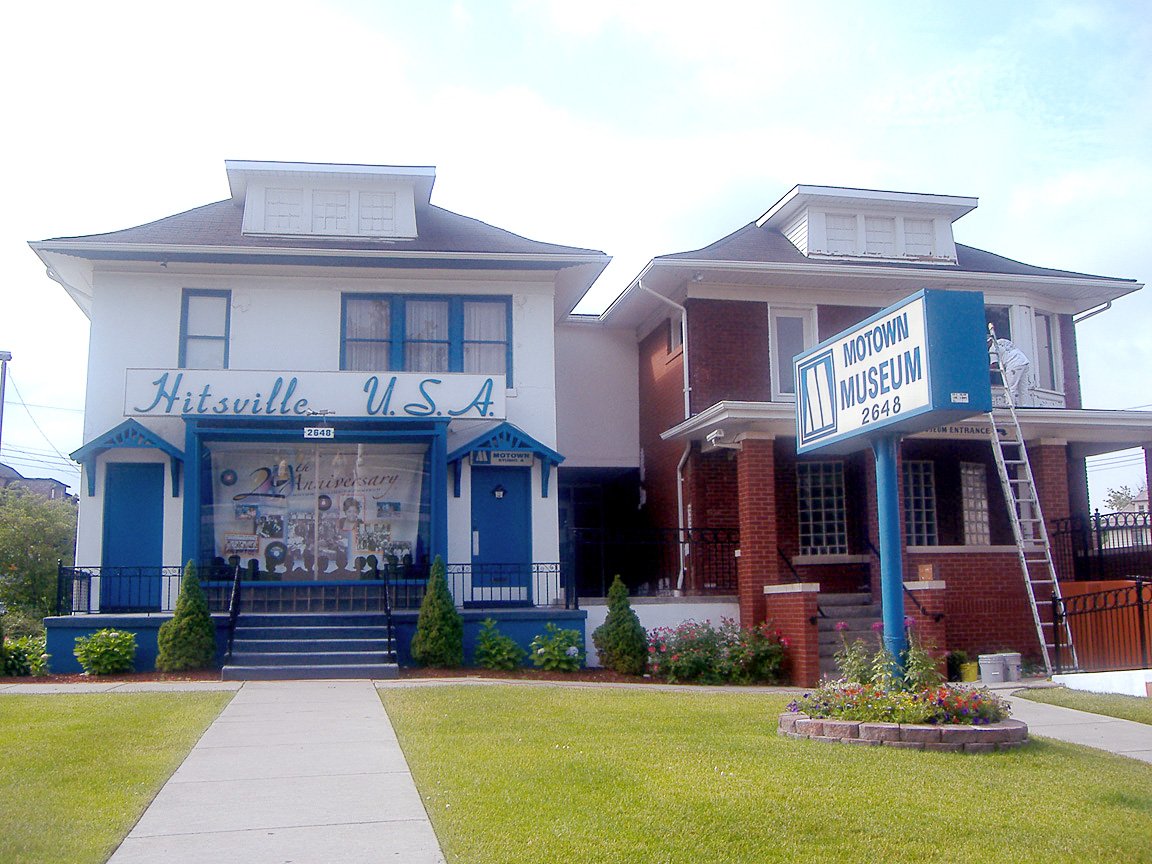
- Detroit Institute of Arts and Motown Museum: Short drives away.
Travel Tips:
- Use the QLINE streetcar or city buses for convenient transit.
- Several parking garages and surface lots are within walking distance; arrive early for event days.
- Explore the district’s galleries, restaurants, and cultural centers for a complete experience.
Recognition and Historic Status
The Harmonie Club is listed on the U.S. National Register of Historic Places, designated as a Michigan State Historic Site (1975), and a Detroit Local Historic District (1988) (Waymarking). These honors reflect its architectural distinction and enduring role as a cultural anchor in Detroit’s history (The Clio).
Frequently Asked Questions (FAQ)
Q: What are the Harmonie Club’s visiting hours?
A: Public access is by ticketed event or appointment. Typical hours are Tuesday–Saturday, 10:00 AM–7:00 PM. Confirm on the official website or event listings.
Q: Is there an admission fee?
A: General admission is free for most public events. Special performances or private functions may require tickets.
Q: Is the Harmonie Club accessible?
A: Yes, the venue offers ramps, elevators, and accessible restrooms.
Q: Are guided tours available?
A: Yes, during select festivals or by arrangement.
Q: Can I take photographs inside?
A: Photography is encouraged during public events; flash and commercial shoots require permission.
Q: How do I book a private event?
A: Contact the venue directly via the DEGC inquiry form for rental information.
Discover More
The Harmonie Club stands as a beacon of Detroit’s rich German-American heritage, architectural beauty, and community revitalization. From its origins as a singing society to its present-day role in Paradise Valley’s renaissance, the club offers visitors an immersive historical and cultural experience. Plan your visit by exploring upcoming events, booking a guided tour, or attending a festival. For the latest updates on Harmonie Club visiting hours, ticketing, and community programming, follow the Detroit Economic Growth Corporation’s website and connect on social media. Enhance your visit with the Audiala app for guided audio tours and exclusive content—making your journey through Detroit’s living history both meaningful and memorable.
Visuals and Media


All images use descriptive alt tags for accessibility and SEO.
Explore a virtual tour of the Harmonie Club
Related Articles
- Top Detroit Historical Sites to Visit
- Cultural Venues in Paradise Valley
- Guide to Black-Owned Businesses in Detroit
Summary
The Harmonie Club remains an iconic fixture in Detroit’s cultural landscape—embodying the city’s German-American roots, resilience, and ongoing revival. Its meticulously restored spaces, accessible features, and central location make it a must-visit for those interested in Detroit’s multifaceted history. For the latest on visiting hours, tickets, and events, refer to the club’s official resources and the Detroit Economic Growth Corporation’s updates. Download the Audiala app to enrich your experience with curated tours and event highlights.
Listen to the full story in the app
Your Personal Curator, in Your Pocket.
Audio guides for 1,100+ cities across 96 countries. History, stories, and local insight — offline ready.
Audiala App
Available on iOS & Android
Join 50k+ Curators
Sources
- verified
- verified
- verified
- verified
- verified
- verified
- verified
- verified
- verified
- verified
Last reviewed: