Introduction
Nestled in Detroit’s historic East Grand Boulevard District, the El Tovar Apartments stand as a striking example of the city’s rich architectural legacy and evolving urban landscape. Built in 1928 during Detroit’s industrial boom, the building is renowned for its distinctive Eclectic Revival architecture—melding Spanish, Mediterranean, and Moorish influences through vibrant orange brickwork, terra cotta accents, red clay tile roofs, and ornate wrought iron balconies. While the building is privately owned and does not offer public interior access, visitors and architecture enthusiasts are encouraged to admire its exterior and explore the surrounding Islandview neighborhood, a testament to both Detroit’s early 20th-century ambitions and its ongoing revitalization. This comprehensive guide covers the El Tovar Apartments’ history, architectural highlights, visitor tips, accessibility, nearby attractions, and practical information for planning a respectful and engaging visit.
For more in-depth information, see Visit Detroit, Historic Detroit, and Detroit1701.org.
Historical and Architectural Background
El Tovar Apartments rose during Detroit’s rapid industrial expansion of the 1920s, a time when the city’s population swelled due to the booming automotive industry. Conceived to provide stylish, modern housing for a burgeoning middle class, El Tovar reflects the eclectic tastes of the era—combining romantic European motifs with contemporary amenities. The building’s architectural features, including decorative brickwork, terra cotta panels, arched windows, red clay barrel tiles, and wrought iron balconies, evoke a sense of elegance and durability that remains captivating nearly a century later (Historic Detroit).
Urban Development and Neighborhood Evolution
Situated in Islandview and along Grand Boulevard, El Tovar Apartments occupies a neighborhood originally planned to house Detroit’s workforce. The area’s grid layout, tree-lined streets, and proximity to public transit fostered a sense of community and accessibility. Although Detroit faced significant mid-century economic and demographic challenges, Islandview’s historic character—including El Tovar—has endured. Recent revitalization efforts have focused on infrastructure improvements and preservation, positioning the building as a touchstone in Detroit’s urban renaissance (Experience Detroit).
Visiting El Tovar Apartments: Hours, Tickets, and Tours
Public Access:
El Tovar Apartments is an active residential building with no public interior tours or ticket requirements. Visitors are welcome to appreciate its exterior architecture from the public sidewalks and streets at any time. Please respect resident privacy and avoid entering the property or photographing through windows.
Best Times to Visit:
The building’s exterior is most photogenic during early morning or late afternoon, when natural light accentuates the warm hues of its brick and terra cotta details. Spring, summer, and autumn are ideal for neighborhood walks.
Guided Tours:
While El Tovar itself does not offer formal tours, it is often featured in broader architectural walking tours of Detroit’s historic neighborhoods. Consult local tour operators or the Visit Detroit website for current offerings.
Architectural Style and Design Features
Eclectic Revivalism:
El Tovar’s design blends Spanish, Mediterranean, and Moorish architectural elements. Key features include:
- Orange brick and limestone trim
- Red clay tile roofs and minaret-like towers
- Terra cotta panels and decorative stonework
- Wrought iron balconies and lanterns
- A prominent arched entrance adorned with "El Tovar" and carved lion figures
Interior Layout:
While not open to the public, historic layouts featured spacious one- and two-bedroom apartments with hardwood floors, plaster moldings, and high ceilings, mirroring the Mediterranean-inspired exterior (Wikipedia).
Socioeconomic Impact and Community Role
El Tovar Apartments have long contributed to Islandview’s diverse residential fabric. Once home to middle-class professionals, the building now supports a mix of residents, reflecting Detroit’s changing economic landscape. Community engagement programs and affordability initiatives, such as Hometown Heroes and Student Rewards, underscore its ongoing role in neighborhood stability and revitalization (Chamber of Commerce).
Infrastructure and Accessibility
Located in a walkable and bike-friendly area, El Tovar Apartments are accessible by public transportation (DDOT bus routes along East Grand Boulevard and Jefferson Avenue). Street parking is available, but visitors should observe posted regulations. Sidewalks are well-maintained and accessible for those with mobility challenges.
Modernization and Preservation Efforts
Preservation initiatives have focused on maintaining El Tovar’s original architectural features while updating amenities for modern living. Although in-unit laundry is not available, the property offers other conveniences and a pet-friendly policy. Maintenance and management challenges exist, but ongoing community advocacy supports improvements and tenant well-being (Detroit Living).
Nearby Attractions and Travel Tips
Within Walking Distance:
- Heidelberg Project: Outdoor art installation (Trek Zone)
- St. Charles Borromeo Roman Catholic Church: Historic church
- St. Bonaventure Monastery: Religious landmark
- Indian Village: Historic mansion district
- Elmwood Cemetery: Michigan’s oldest non-denominational cemetery
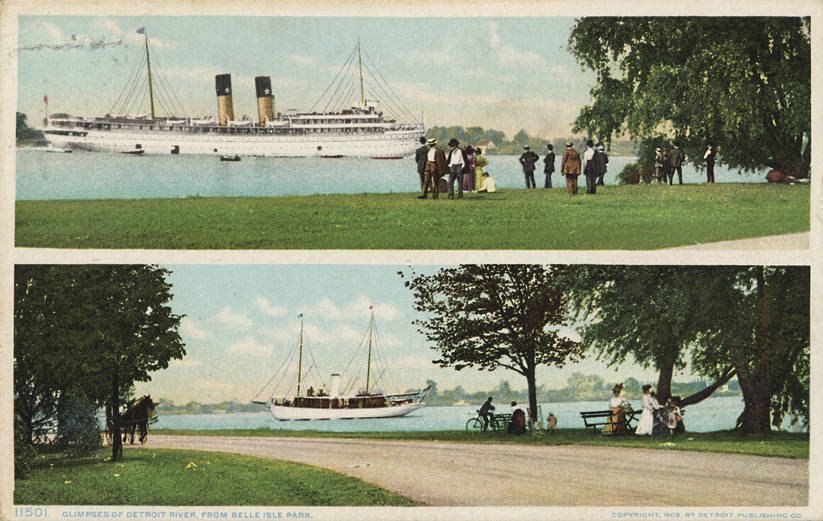
- Belle Isle Park: Accessed via MacArthur Bridge
- Pewabic Pottery: Renowned ceramics studio
Travel Tips:
- Use public transit or bikes to explore the area.
- Nearby neighborhoods offer dining, shopping, and public amenities.
- Respect residents’ privacy, especially when photographing or touring the neighborhood.
Frequently Asked Questions (FAQ)
Q: Can I tour the inside of El Tovar Apartments?
A: No, the building is a private residence with no public interior access.
Q: Are there visiting hours or tickets required?
A: No. The exterior can be viewed at any time from public spaces, and no tickets are required.
Q: Are guided tours available?
A: El Tovar is occasionally included in local heritage walking tours. See Visit Detroit for information.
Q: Is parking available?
A: Street parking is available but may be limited. Observe local regulations.
Q: Is the building wheelchair accessible?
A: Sidewalks are accessible, but interior accessibility varies and is for residents only.
Listen to the full story in the app
Your Personal Curator, in Your Pocket.
Audio guides for 1,100+ cities across 96 countries. History, stories, and local insight — offline ready.
Audiala App
Available on iOS & Android
Join 50k+ Curators
Sources
- verified
- verified
- verified
- verified
- verified
Last reviewed: